
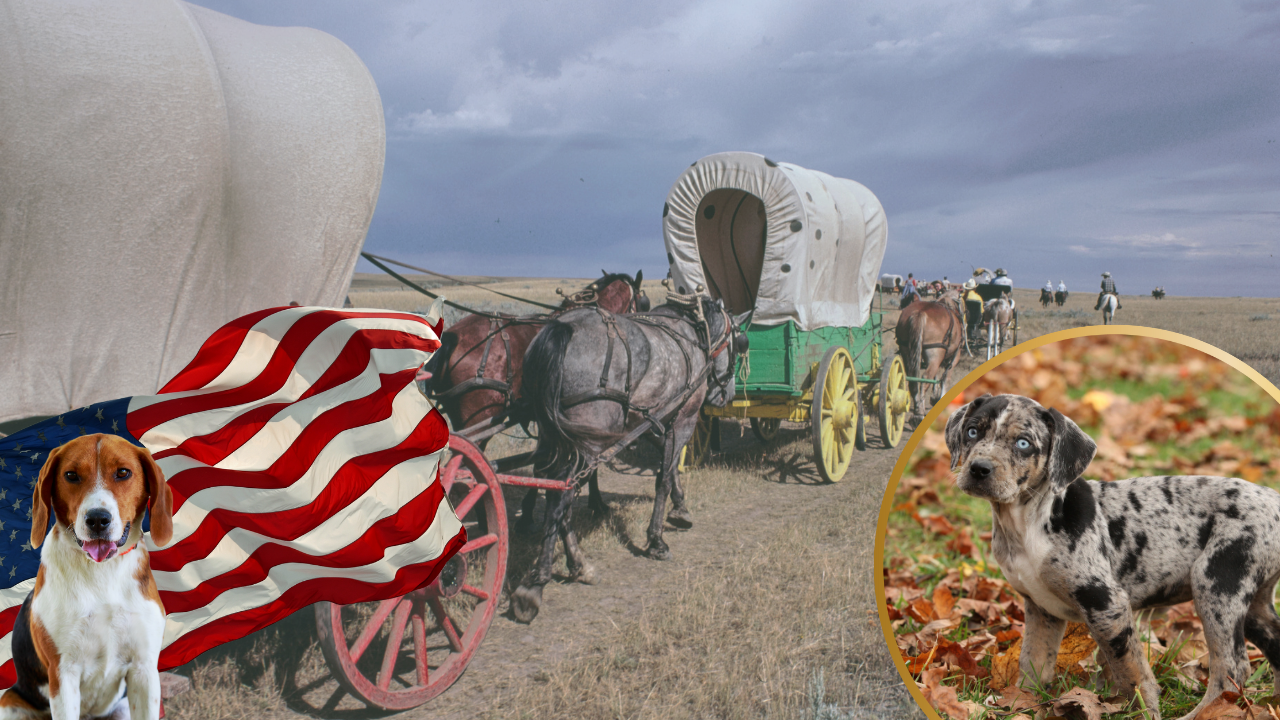
The American Wild West conjures images of sprawling landscapes, fierce independence, and untamed wilderness. But this iconic era wasn’t shaped by cowboys and settlers alone; their faithful canine companions played a crucial role too. From aiding with herding to providing protection, these dogs were indispensable partners in conquering the frontier. This article explores the key dog breeds that left an indelible mark on America’s westward expansion.
The Vital Role of Dogs in the Wild West
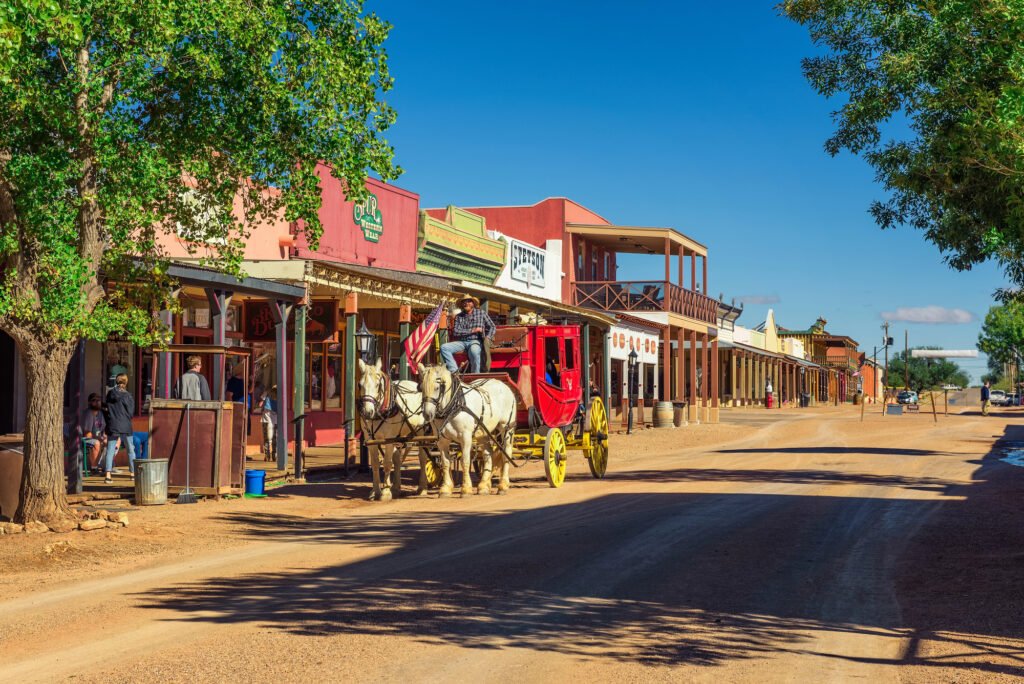
On the rugged frontier, survival was a daily challenge. Frontier families and cattlemen relied heavily on their dogs for protection, labor, and companionship. These dogs helped herding livestock, guarding homesteads, hunting game, and even as sled dogs during the Gold Rush. Without their loyal, hardworking dogs, settlers would have faced far greater hardships than they already endured.
Catahoula Leopard Dog
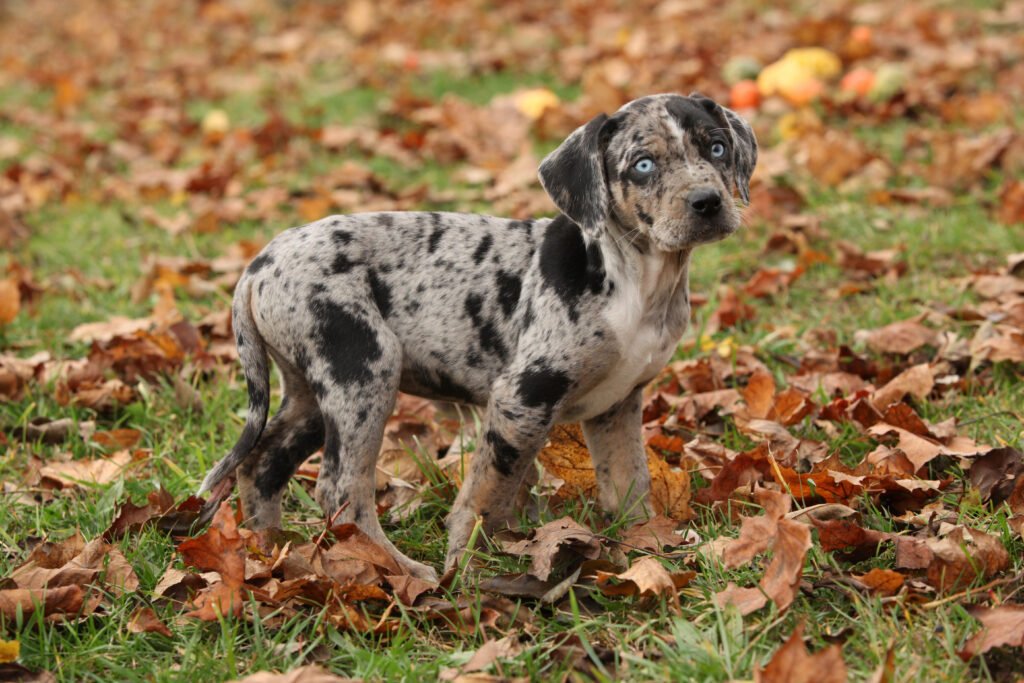
The Catahoula Leopard Dog, often referred to as the “Catahoula Cur,” is one of the first breeds to originate in the United States and played a significant role during the frontier days. Known for their striking coat patterns and fearless nature, these dogs were indispensable for hunting, herding, and guarding livestock. Settlers in the Louisiana swamps and woodlands especially relied on the Catahoula for tracking wild boar and protecting homesteads. With their unmatched versatility and loyalty, they were considered the ultimate working dogs for taming the American wilderness.
American Foxhound
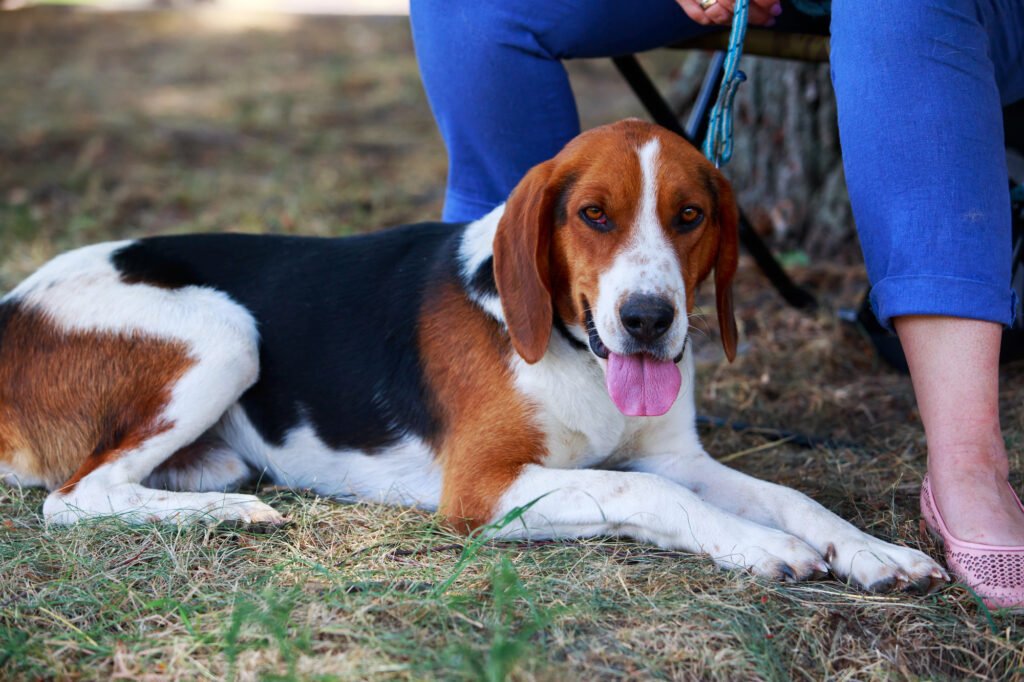
The American Foxhound, with its exceptional tracking ability and endurance, was a valuable companion for settlers and hunters in the American frontier. Originally bred from English Foxhounds, this breed was adept at chasing game through dense forests and open prairies. Settlers relied on these dogs not only for hunting food but also for pest control, as they were highly skilled at pursuing smaller predators that threatened livestock. The American Foxhound’s keen nose and unwavering determination made it a vital asset to the survival of frontier communities.
Australian Cattle Dog: The Indefatigable Herding Assistant

While not an indigenous breed to America, the Australian Cattle Dog became invaluable to cattlemen in the Wild West. Known for its intelligence and stamina, this breed was adept at handling the challenging terrain and wild cattle. Their ability to cover immense distances reinforced their role in shaping the cattle-driving culture of the frontier.
Border Collie: The Quintessential Sheepdog

Regarded for their intelligence and herding instinct, Border Collies were tasked with managing sheep on the open ranges. Their agility and problem-solving abilities made them indispensable allies in maintaining order among livestock. These traits, coupled with their unmatched work ethic, have cemented their status as premier herding dogs across many settings beyond the frontier.
Jack Russell Terrier: The Tenacious Hunter
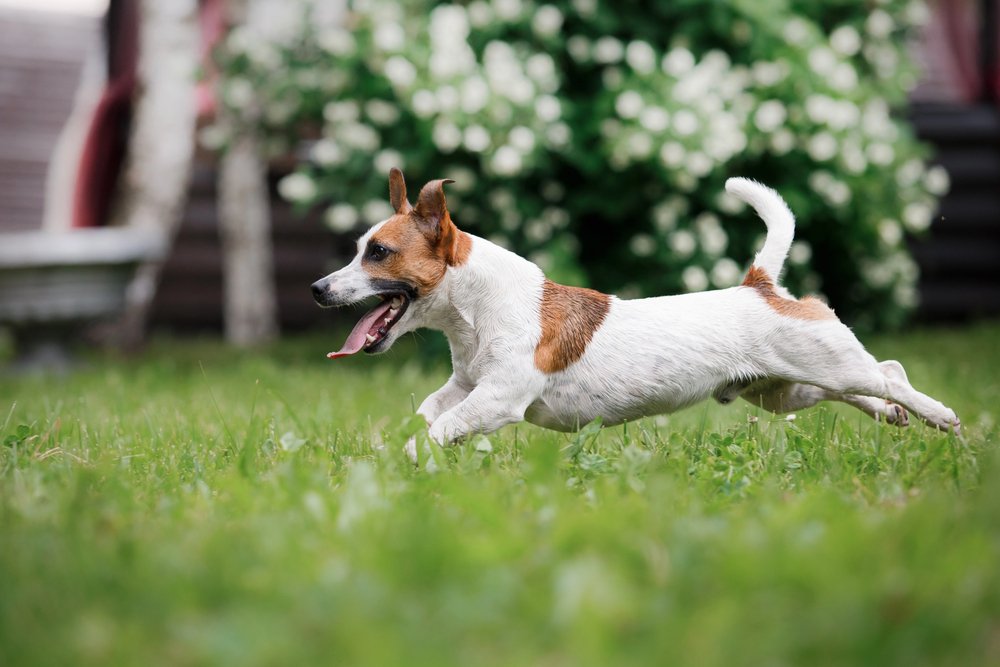
Small but mighty, the Jack Russell Terrier was prized for its hunting prowess. These dogs were relentless in their pursuit of vermin and small prey, making them ideal for homes and farms needing pest control. Their keen sense of smell and boundless energy were crucial in keeping frontier perimeters clear of unwanted critters.
Siberian Husky: The Arctic Frontier’s Sled Dog

During the Alaska Gold Rush, the Siberian Husky was a lifeline for miners and settlers in the harsh Arctic terrain. Known for their endurance and speed, these dogs excelled in pulling sleds across long distances, transporting goods and people through the snowbound wilderness. Their resilience and hardiness continue to be celebrated traits today.
Newfoundland: The Loyal Protector

The Newfoundland dog might not be the first breed that comes to mind for the frontier, but these large, strong, and water-savvy dogs were vital for settlers near rivers and coastal areas. Known for their incredible swimming ability and strength, Newfoundlands were often used to haul fishing nets, retrieve items from water, and even rescue people from drowning. Their gentle temperament and unwavering dedication made them ideal for families living in remote areas who needed a reliable working dog capable of performing lifesaving and labor-intensive tasks.
The Unseen Heroes: Dogs’ Impact on Settlement Patterns
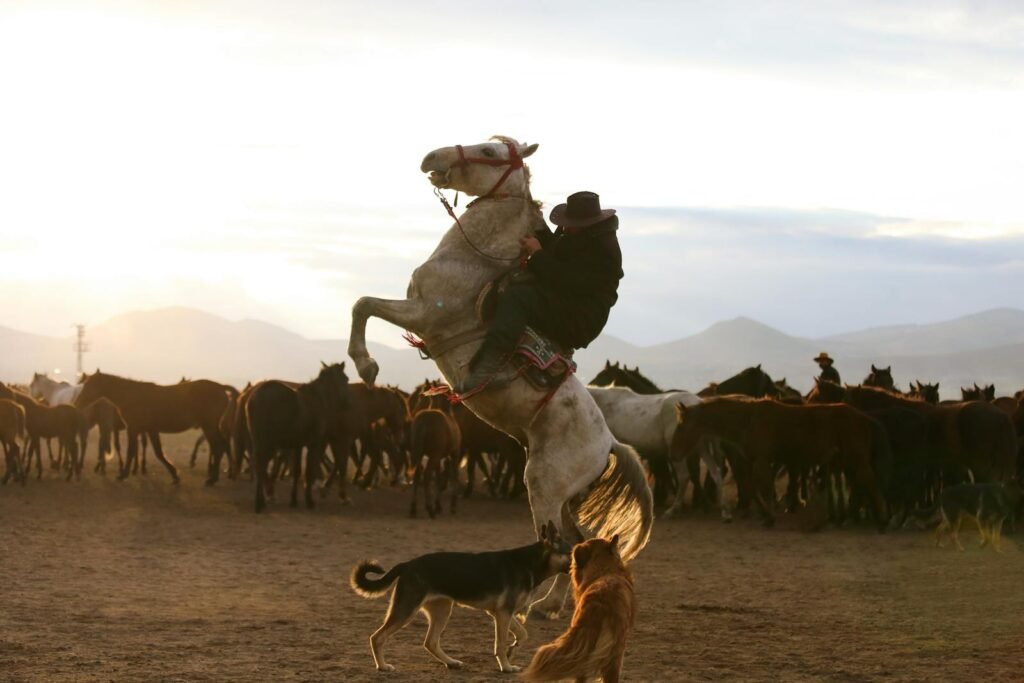
The presence of these loyal companions influenced not just daily survival but also settlement patterns. Reliable herding dogs allowed cattle ranching to flourish in areas previously inaccessible or unsuitable. Their protective abilities enabled families to establish themselves in isolated locales, pushing the boundaries of the known world. The heritage of these frontier dogs continues to shape many modern breeds. Their attributes enhanced through generations of working alongside humans are visible in the temperaments and skills of today’s working dogs. The legacy of these dogs is a testament to their integral role in American pioneering history.


