

Picture this. You’ve just had one of those days. The kind where everything went sideways before noon, and all you want to do is collapse on the couch. Before you’ve even settled in, your dog is already there, pressing their warm body against yours, staring up at you with those impossibly knowing eyes. You didn’t say a word. They just knew.
That is not your imagination playing tricks on you. That is not simply the magic of a loving pet. There is real science unfolding right there on your living room couch, and honestly, it is far more profound than most people realize. The relationship between a dog and their human runs so much deeper than shared walks and dinner bowls. Your dog is, in many ways, a four-legged emotional mirror, reflecting your inner world back to you with a precision that can feel almost uncanny. So let’s dive in, because what researchers are learning about this bond is nothing short of extraordinary.
Your Dog Is Watching You More Than You Think

Dogs are constantly observing their owners, and a significant body of research confirms they are able to determine our emotions. Think of them as the ultimate silent observers, never missing a shift in your posture, a tremble in your voice, or a change in your energy. It’s almost like living with a tiny, fur-covered behavioral scientist who never clocks out.
An abundance of anecdotal evidence, plus recent studies using simulated or recorded emotional expressions, indicate that dogs respond to genuine human emotions in real time. The results show that dogs indeed perceive differences in human emotion and behave differently depending on their owner’s emotional state. That is not a coincidence. That is evolution at work.
It is likely that the ability to perceive and recognize human emotions developed in dogs over the long co-evolution process between dogs and humans, as it has been adaptive to perceive negative or positive emotions in humans and respond accordingly. Thousands of years of living side by side with us has shaped their brains in remarkable ways, turning them into some of the most socially perceptive animals on the planet.
The Science of Reading Faces: Dogs Are Surprisingly Good at It

Studies show dogs can visually discriminate between happy versus angry faces, calm versus tense expressions, and familiar versus unfamiliar people, and they tend to focus more on the left side of a human face, which is often more emotionally expressive. Let that sink in for a second. Your dog is not just looking at your face. They are strategically scanning it for emotional information, the way a skilled therapist might.
Interestingly, dogs show stronger responses when viewing their owner’s face compared to strangers, which suggests emotional attachment deepens recognition accuracy. The longer you’ve shared your life with your dog, the better they become at reading you. It’s a little like how a close friend can tell something is off from across the room, before you’ve said a single word.
For the first time, researchers have shown that dogs must form abstract mental representations of positive and negative emotional states, and are not simply displaying learned behaviours when responding to the expressions of people and other dogs. This is what makes it genuinely mind-blowing. Your dog isn’t just reacting to a past cue. They are actively building an internal picture of how you feel.
They Can Literally Smell Your Stress (And It Affects Them)

I think this is the part most people don’t expect. We all know dogs have an extraordinary sense of smell, but did you know they can detect the chemical signature of your stress? Dogs experience emotional contagion from the smell of human stress, leading them to make more ‘pessimistic’ choices, new research finds. Think of it like this: your mood is essentially broadcasting on a frequency your dog can pick up through their nose.
A University of Bristol-led study published in Scientific Reports is the first to test how human stress odours affect dogs’ learning and emotional state, with evidence suggesting that the smell of a stressed person subconsciously affects the emotions and choices made by those around them, including dogs. So next time you walk through the door after a brutal workday, your dog already knows. They smelled it before you even took off your shoes.
Studies show how behavioral and chemical cues from humans can affect dogs in ways that enable them to not only discriminate between their owners’ fear, excitement, or anger, but also to “catch” these feelings from their human companions. This emotional contagion is real, it is measurable, and it has meaningful consequences for your dog’s wellbeing. Your emotional state is, in a very literal sense, contagious to your pet.
The Mirroring Effect: When Your Dog Becomes Your Emotional Twin
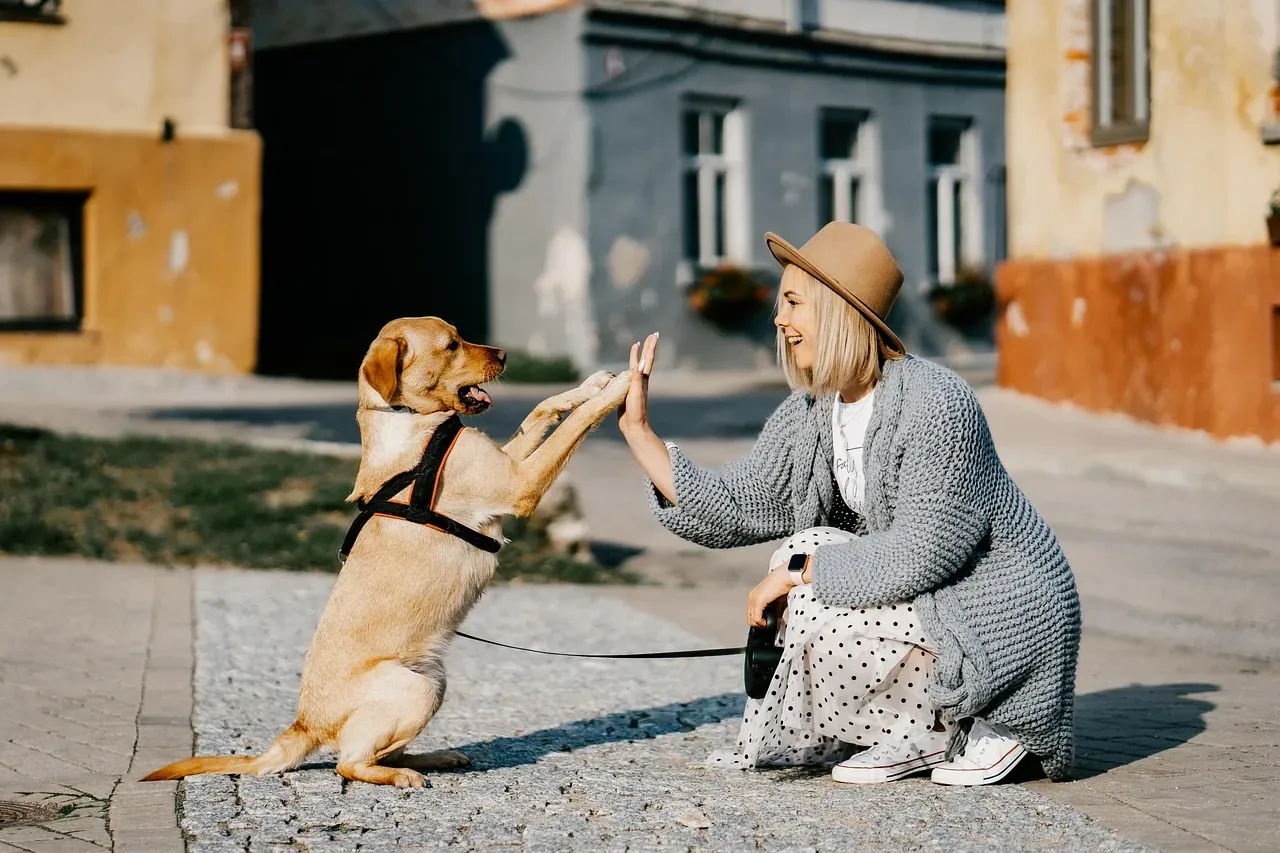
The levels of stress in dogs and their owners follow each other, according to a study from Linköping University in Sweden, with scientists believing that dogs mirror their owner’s stress level, rather than the other way around. This is a critical distinction. It is not that a stressed dog makes you anxious. Rather, your anxiety is shaping their inner chemistry in real time. That’s both fascinating and sobering.
Researchers determined stress levels over several months by measuring the concentration of a stress hormone, cortisol, in hair from both the dog and the owner, finding that the levels of long-term cortisol were synchronized, such that owners with high cortisol levels have dogs with high cortisol levels. Cortisol is the same stress hormone that wears down the human immune system over time. And your dog is experiencing those same hormonal waves, just by living with you.
This mirroring behavior is believed to be linked to mirror neurons, specialized cells that enable dogs to “read” and reflect our emotions. These findings highlight that dogs don’t just observe our emotional states, they experience them alongside us, acting as sensitive emotional barometers. Let’s be real: that is a level of emotional intimacy that most humans struggle to achieve with each other.
Warning Signs Your Dog Is Absorbing Too Much of Your Stress

Here’s the thing. Knowing your dog mirrors your emotions is only useful if you know what to look for. Pets can’t tell us when they feel stressed, but they communicate through behavior and body language, and learning to recognize these signs early can prevent more serious anxiety-related issues. The signs are there. You just need to know how to read them.
Watch out for these key behavioral red flags. Excessive barking or whining, often seen when a dog is left alone, is a classic sign of separation anxiety. Destructive behaviors like chewing furniture can be a way to cope with stress. Pacing or restlessness signals an anxious state, while sudden aggression or reactivity may indicate a dog feeling fearful or overwhelmed. These aren’t bad dog behaviors. They are distress signals.
A sudden reluctance to eat can also indicate stress in dogs, as changes in their environment or emotional state may lead to decreased interest in food. When a dog trembles or shivers in the absence of cold or excitement, it often indicates stress, with this physical response reflecting heightened anxiety or nervousness. If your dog is showing more than one of these signs together, that is your cue to pay closer attention, and perhaps, to look inward too.
How to Protect Your Dog’s Emotional Health and Strengthen Your Bond
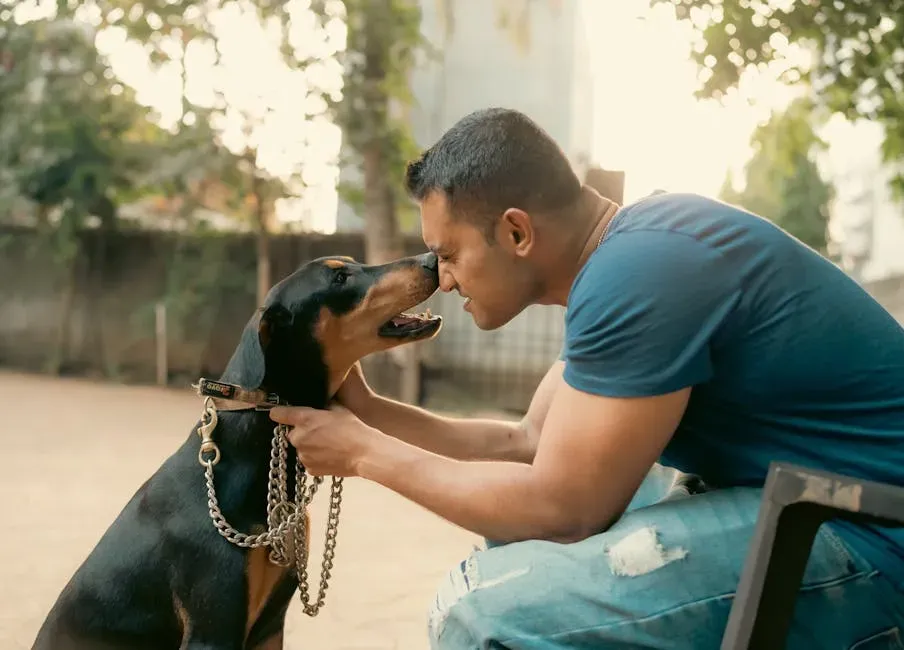
Prevention is so much kinder than cure. To prevent anxiety and chronic stress in adult dogs, key measures include consistency and predictability in a dog’s routine, plenty of exercise and mental stimulation appropriate to the dog’s age, breed, and health, as well as a good understanding of and respect for a dog’s body language and social signaling. Routine is honestly one of the most underrated tools you have as a dog owner.
The key to preventing your stress from overwhelming your dog is self-regulation. Practicing mindfulness, creating calm environments, and maintaining healthy routines can help soothe both of your nervous systems. This is one of those rare situations where improving yourself directly improves your pet’s life. What you do for your own mental health is also veterinary care for your dog.
Maintaining consistent schedules for feeding, walks, play, and sleep, combined with regular physical activity and mental enrichment, can help reduce overall anxiety levels in dogs. Calming environmental modifications like white noise machines, calming music, and pheromone diffusers can also create a more soothing atmosphere. Small daily habits compound into massive wellbeing outcomes, for both of you. It’s hard to say for sure which comes first, a calmer you or a calmer dog, but the evidence suggests it works both ways.
Conclusion: You Are Your Dog’s Whole Emotional World

There is something deeply humbling about all of this. Dogs are not just cute, loyal companions responding to basic commands and food rewards. They are emotionally perceptive beings, shaped by tens of thousands of years of life alongside humans, equipped with sensory tools that go far beyond what most of us imagined. Your dog is reading you, feeling you, and adjusting to you every single day.
The relationship you share with your dog is not one-sided. It is a living, breathing emotional conversation happening constantly, whether you’re aware of it or not. By recognizing these connections, pet owners can work to pay closer attention to their dogs’ behavior and cues, leading to a better understanding and a stronger bond. That stronger bond begins the moment you decide to show up as a calmer, more self-aware version of yourself.
Your dog can’t tell you when they are struggling. They can only show you through their body, their behavior, and the quiet way they press themselves against you when something feels wrong. They deserve an owner who pays attention. And honestly, the science is telling us something beautiful: when you take better care of yourself emotionally, you are taking better care of your dog too. So what are you doing today to check in on both of you?


