
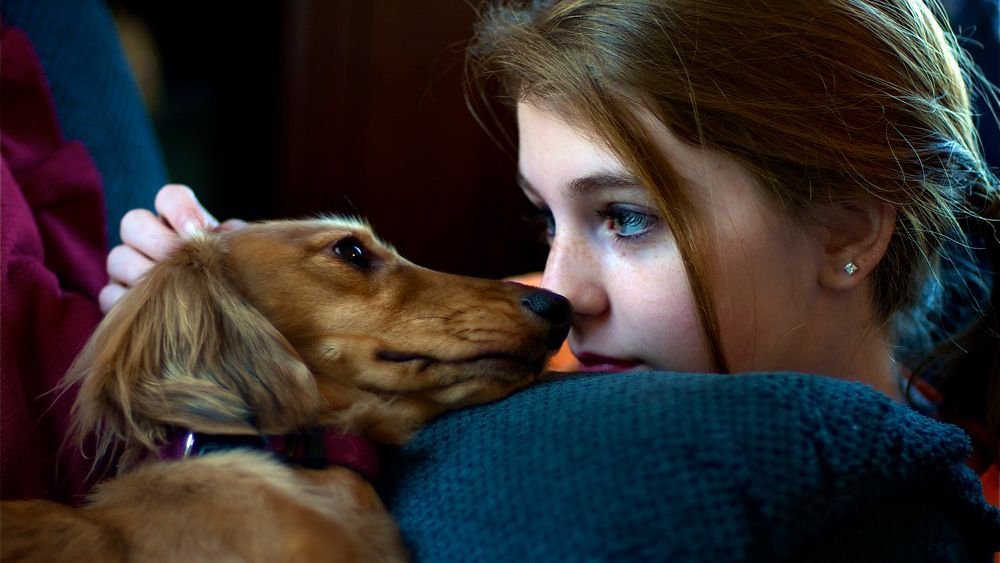
You know that look your dog gives you when you come home after a rough day? That gentle nudge when tears start falling? It’s not coincidence. Our dogs are emotional detectives, constantly reading the subtle shifts in our voices, faces, and even our scent. They’re tuned into us in ways that would put most humans to shame.
Here’s the thing most people don’t realize: dogs aren’t just reacting to obvious cues like yelling or crying. They’re particularly sensitive to human emotions and can discriminate and show differential responses to emotional cues expressed through body postures, facial expressions, vocalizations and odours. Your pup is processing information on multiple sensory levels simultaneously, piecing together an emotional picture of your inner state. Pretty remarkable for an animal we sometimes treat like they’re just along for the ride, right?
They’re Reading Your Face Like a Book
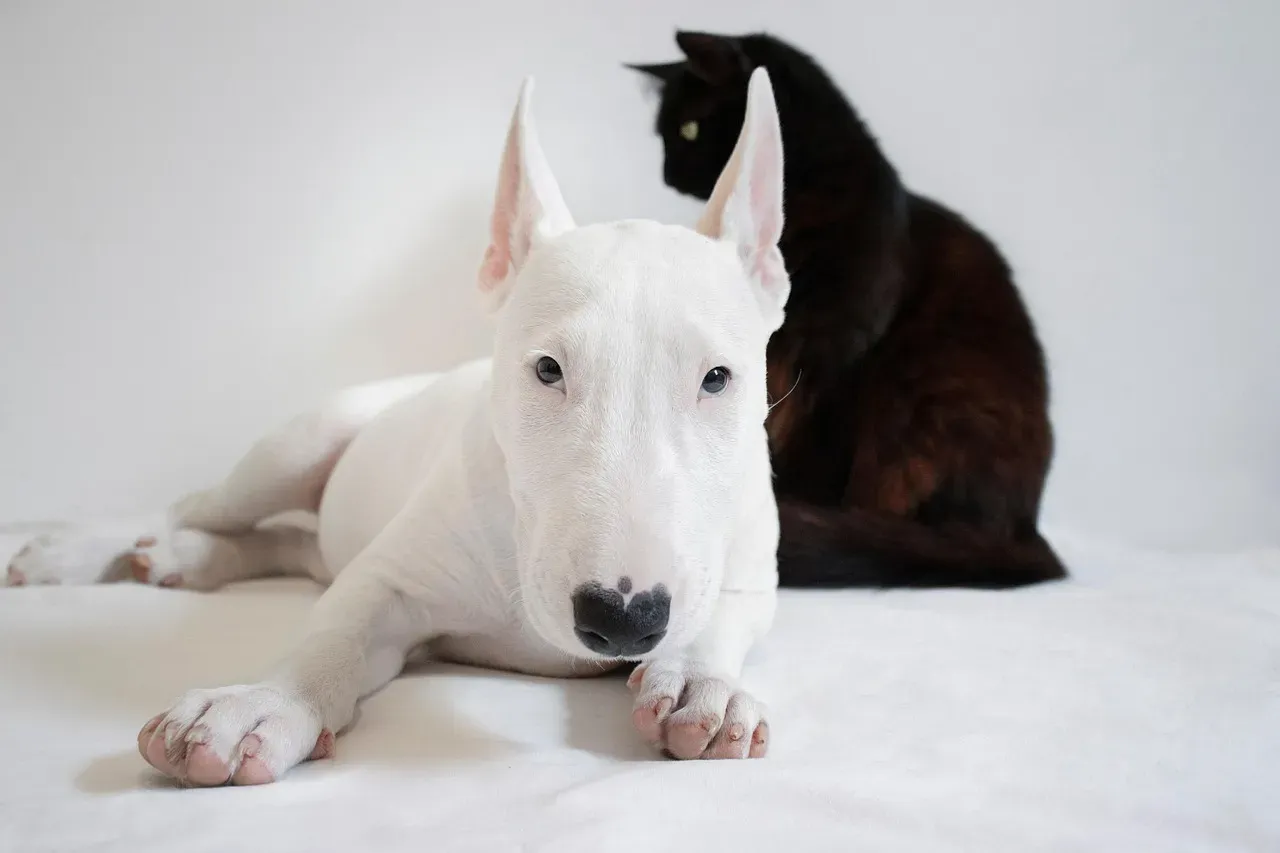
Dogs are the first species, other than humans, shown to be capable of interpreting the vocal and facial expressions of an entirely different species. Think about that for a moment. Your dog has evolved specialized brain regions just to understand you better.
Dogs have a dedicated region of the brain for processing human faces, which helps explain why they seem to know exactly what you’re feeling before you’ve even said a word. Studies show they can distinguish between happy and angry expressions, and they respond differently to each. When dogs see angry faces, they often display mouth-licking behaviors, possibly as an appeasement gesture to defuse tension.
Your Voice Tells Them Everything
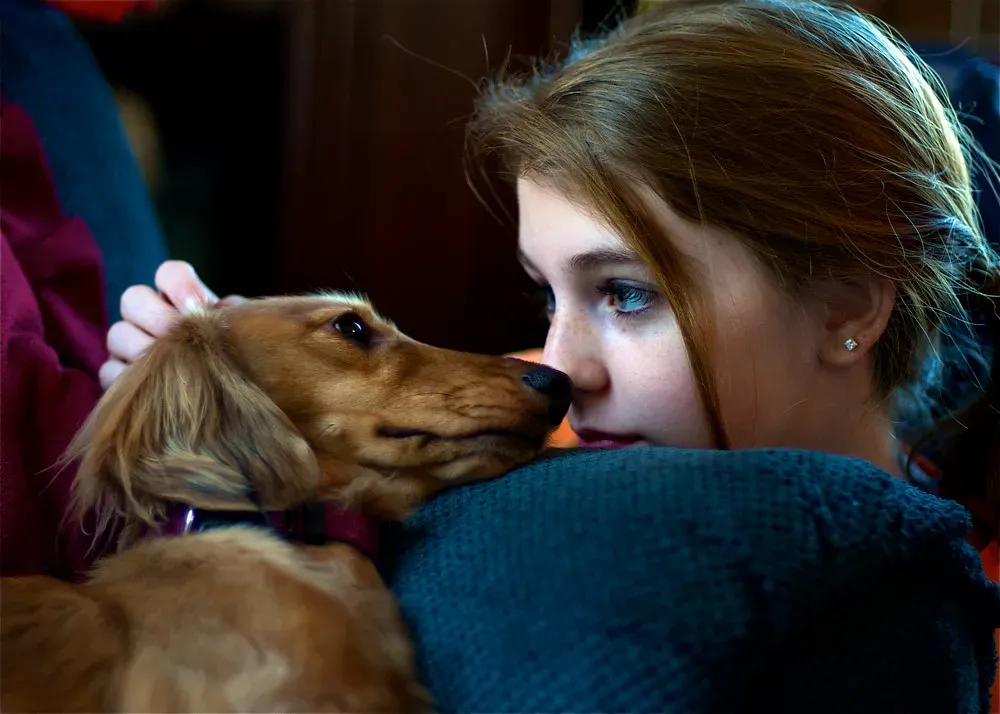
It’s not just what you say, it’s how you say it. Dogs respond not just to any sound, but to the emotional tone of your voice, and brain scans reveal that emotionally charged sounds activate dogs’ auditory cortex and the amygdala. That high-pitched baby talk we use with our dogs? They know it means good things are coming.
Dogs process positive sounds differently than negative ones, using different hemispheres of their brain. Dogs used the right brain more for negative sounds like fear and sadness and the left brain more for positive sounds like happiness, and their heart and behavior changes showed they’re genuinely sensitive to emotional cues. This means when you’re upset, your dog’s brain is literally lighting up with recognition of your distress.
They Can Smell Your Stress

This might sound like something out of a science fiction movie, but it’s absolutely real. Dogs experience emotional contagion from the smell of human stress, leading them to make more pessimistic choices, according to research published in Scientific Reports. When researchers exposed dogs to the scent of stressed humans, the dogs became more cautious and less optimistic in their behavior.
The stress smell made dogs slower to approach ambiguous locations, increasing their expectations of negative outcomes. Your anxiety literally changes how your dog perceives the world around them. They’re not just noticing you’re stressed; they’re feeling it with you, which can influence their own emotional state and decision-making.
The Bond Between Owner and Dog Goes Both Ways

Research found that dogs behaved differently depending on their owner’s emotional state, gazing and jumping less at owners when they were sad, with diminished compliance to commands. Even when owners thought they were hiding their emotions well, the dogs picked up on subtle changes that researchers couldn’t even detect.
I think this is one of the most profound aspects of the human-dog relationship. It’s not one-sided emotional labor. Dogs are actively monitoring us, adjusting their behavior based on our needs. When you’re happy, they mirror that joy with playful energy. When you’re down, they offer quiet companionship. Dogs can tell the difference between emotions shown through body language, facial expressions, tone of voice, and even smell, and these emotional signals can actually change how dogs behave.
What This Means for You and Your Dog

Understanding your dog’s emotional intelligence changes everything about how you interact. Dogs use their keen senses to read our moods and emotions, picking up on subtle cues in our body language and tone of voice. This means the emotional environment you create at home directly impacts your dog’s wellbeing.
When you’re consistently stressed or anxious, your dog feels it. When you’re calm and happy, that positive energy flows to them too. The implications are practical: if you’re working on training or trying to help an anxious dog, your own emotional state matters just as much as the techniques you’re using. Dogs aren’t just learning commands; they’re reading the emotional subtext of every interaction.
Pay attention to how your dog responds when you’re in different emotional states. You might notice they approach you differently, their body language shifts, or they seek you out more when you’re sad. These aren’t random behaviors. They’re your dog’s way of communicating that they understand, they care, and they’re there for you.
Conclusion
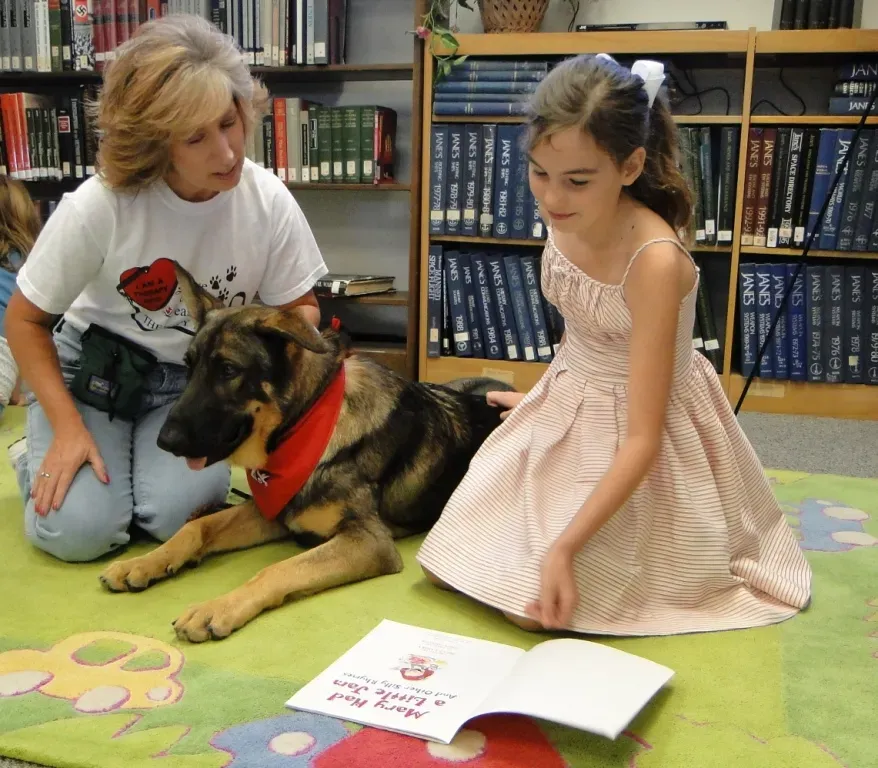
The science is clear: dogs possess remarkable emotional intelligence that most of us vastly underestimate. They’ve evolved alongside us for thousands of years, developing specialized brain structures and sensory capabilities specifically to understand human emotions. From reading our facial expressions to detecting stress through smell, dogs are constantly tuning into our emotional frequencies.
This isn’t anthropomorphism or wishful thinking from devoted dog lovers. It’s documented, peer-reviewed science showing that the bond between humans and dogs runs deeper than we ever imagined. Your dog really does know how you feel, often before you’ve fully processed it yourself.
So the next time your dog curls up beside you during a difficult moment or brings you their favorite toy when you’re feeling blue, remember: they’re not just being cute. They’re demonstrating a level of emotional awareness that bridges the species divide in ways that are truly extraordinary. What moment made you realize your dog truly understood how you were feeling?


