
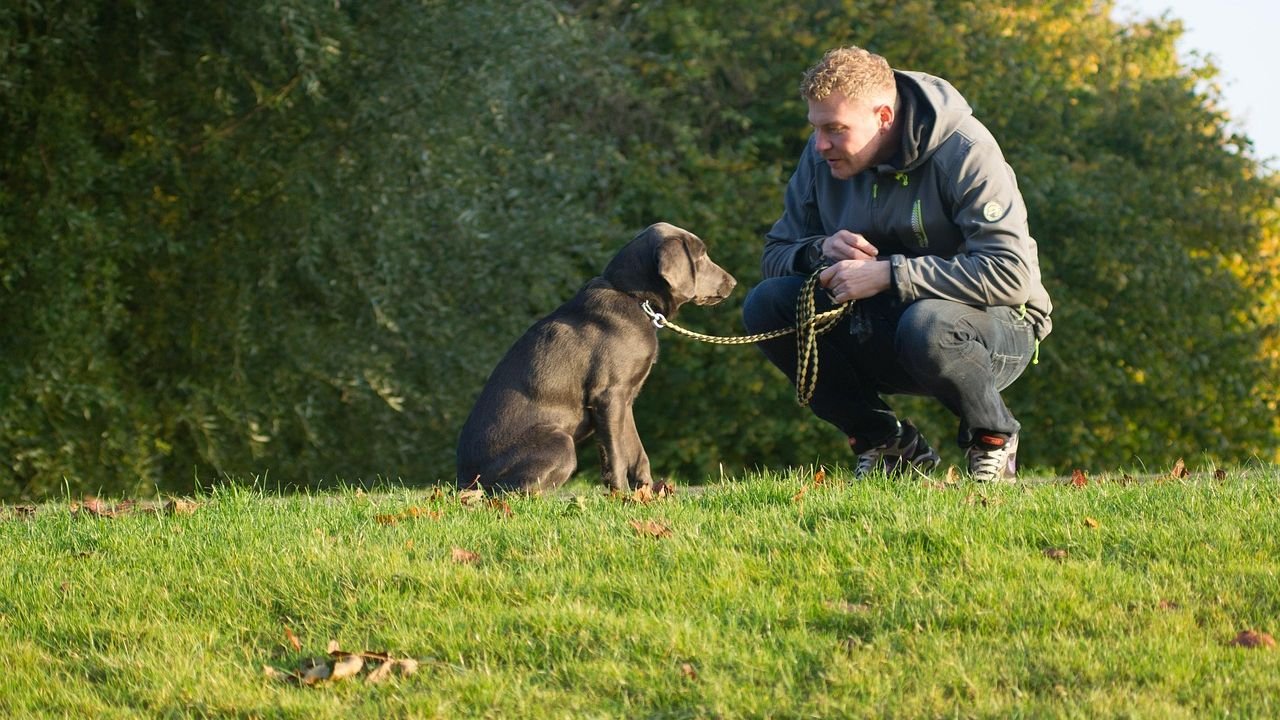
Your dog has been watching you. Right now. Taking in the slope of your shoulders, the tone in your voice, the invisible chemical signals drifting off your skin. And while you’re busy scrolling through your phone or replaying a stressful conversation in your head, your dog already knows how you’re feeling – quite possibly before you do.
It sounds almost magical, doesn’t it? The idea that the furry creature curled at your feet is quietly reading you like a book. The truth is, it is not magic at all. It’s science. Decades of research into canine cognition and emotion have revealed something truly profound: dogs are extraordinary emotional beings with a capacity to understand us that runs far deeper than most of us ever imagined. Let’s dive in.
Your Dog Can Actually Read Your Face

Here’s the thing – your dog isn’t just reacting to your tone of voice. They are actively studying your face. Research from institutions like the University of Lincoln and University of Vienna found that dogs can distinguish between happy and angry human facial expressions, even when those faces belong to strangers. That’s a remarkable cognitive feat, especially for a species without a shared language.
Experiments demonstrate that dogs can distinguish a smiling face from an angry face, even in photos. Dogs show a subtle right-hemisphere bias when processing emotional cues, tending to gaze toward the left side of a human’s face when assessing expressions – a pattern also seen in humans and primates. Think of it like a natural instinct, hardwired over thousands of years of living side by side with us.
Dogs show stronger responses when viewing their owner’s face compared to strangers, suggesting emotional attachment deepens recognition accuracy. So the longer you’ve shared your life with your dog, the better they know your face. That look your dog gives you when you walk through the door? It’s not just excitement. It’s recognition – deep and personal.
The Nose Knows: How Dogs Literally Smell Your Emotions
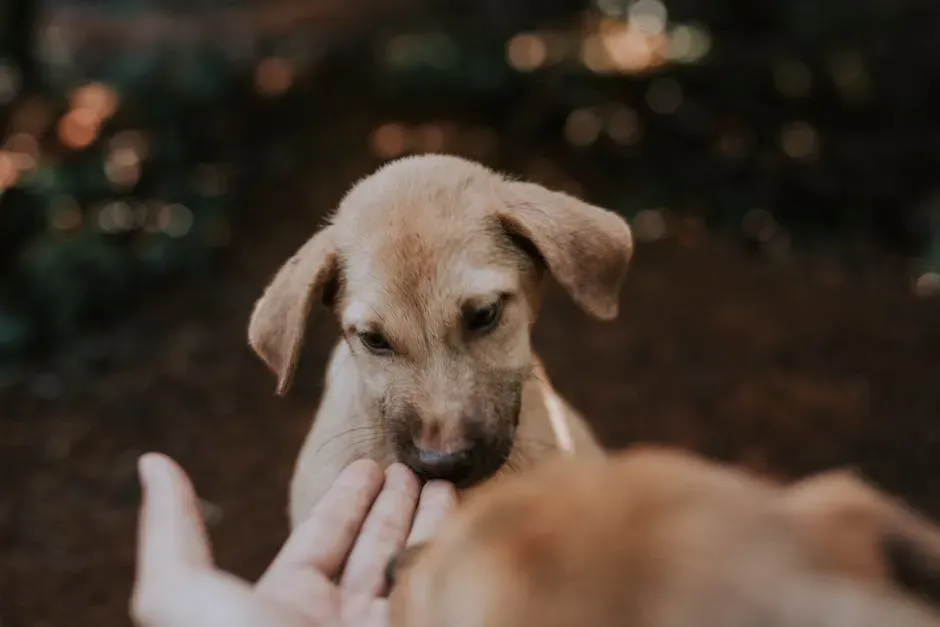
Honestly, this is where things get genuinely mind-blowing. While we rely mostly on sight and sound to understand the world, dogs live in a world dominated by smell. When researchers presented stress sweat samples to dogs, they could tell the difference between baseline and stress samples with over ninety percent accuracy. It seems that acute stress changes what’s known as volatile organic compounds in breath and sweat – compounds that are detectable to dogs’ noses.
Research findings indicate that the presence of human stress odor caused dogs to exhibit risk-reduction behaviors and a more pessimistic response to the possibility of a reward at an ambiguous location. This suggests that dogs in this group were in a more negative affective state in the presence of stress odor. In plain terms, your anxiety doesn’t just affect you. It spills directly into your dog’s world and changes how they feel and behave.
Dogs also have a special organ called the Jacobson’s organ, or vomeronasal organ, which humans lack, that detects pheromones – chemical signals used for communication between members of the same species. That’s an entire sensory system we simply don’t have. No wonder they pick up on things we can’t even begin to perceive ourselves.
The Love Hormone: When You Lock Eyes With Your Dog
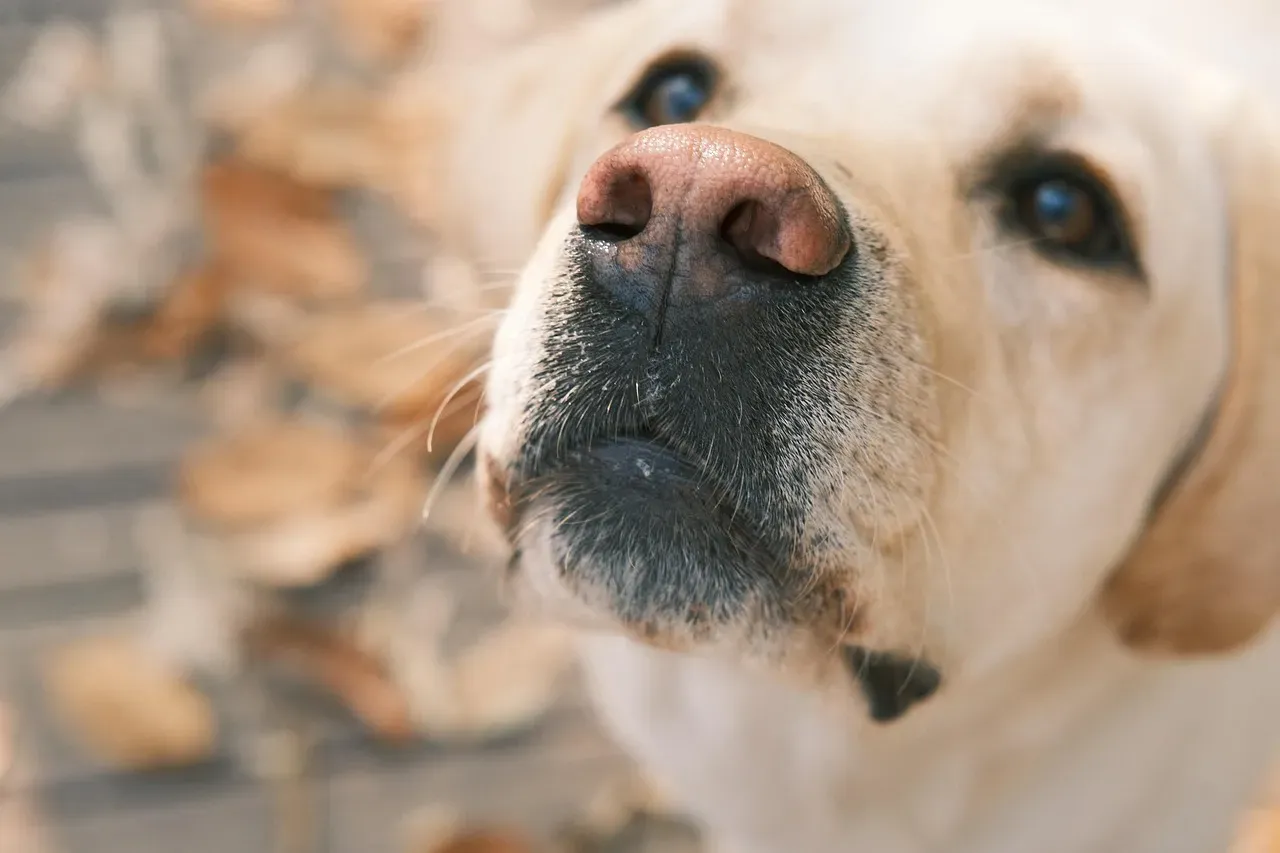
There’s something undeniably special about that long, slow gaze between you and your dog. It turns out, science completely backs up that warm, fuzzy feeling. When dogs and humans make gentle eye contact, both partners experience a surge of oxytocin, often dubbed the “love hormone.” In one study, owners who held long mutual gazes with their dogs had significantly higher oxytocin levels afterwards – and so did their dogs.
This oxytocin feedback loop reinforces bonding, much like the gaze between a parent and infant. Astonishingly, this effect is unique to domesticated dogs: hand-raised wolves did not respond the same way to human eye contact. As dogs became domesticated, they evolved this interspecies oxytocin loop as a way to glue them emotionally to their humans. That moment of eye contact is literally a biological bonding mechanism. It’s extraordinary when you stop and think about it.
When dogs and children interact, oxytocin levels rise in both parties. This isn’t a one-way street of affection. It’s a two-species chemical conversation. If you’ve ever felt truly understood by your dog, there’s now real science to explain why that feeling is so powerful and so real.
The Brain Behind the Bond: How Evolution Rewired Dogs to Understand Us
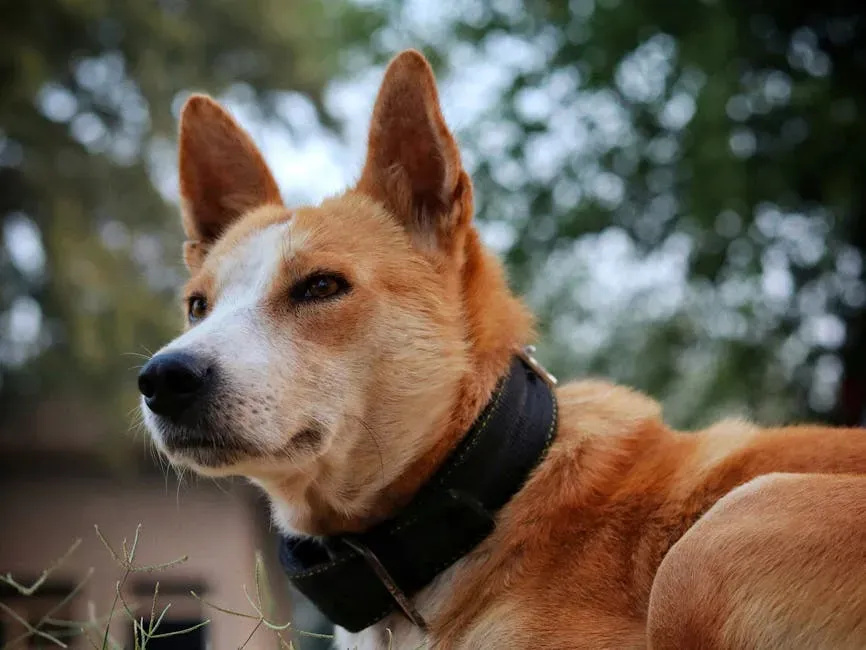
Dogs didn’t always have this level of emotional intelligence. It was shaped – carefully, over millennia – by their evolution alongside us. Dogs have smaller brains than their wild wolf ancestors, but in the process of domestication, their brains may have rewired to enhance social and emotional intelligence. Less raw brain mass, but a dramatic upgrade in social smarts. It’s a trade-off that worked brilliantly for them.
Foxes bred for tameness in a famous domestication experiment showed increased grey matter in regions related to emotion and reward. These results challenge the assumption that domestication makes animals less intelligent. Instead, breeding animals to be friendly and social can enhance the brain pathways that help them form bonds. In other words, the more connected to humans a species becomes, the smarter they get – emotionally speaking.
It is likely that the ability to perceive and recognize human emotions may have developed in dogs over the long co-evolution process between dogs and humans, as it has been adaptive to perceive negative or positive emotions in humans and respond by either avoiding or approaching them. Your dog isn’t reading you out of curiosity alone. This ability was crucial to their survival and thriving. It’s been baked into their very biology.
Are We Reading Our Dogs as Well as They Read Us?
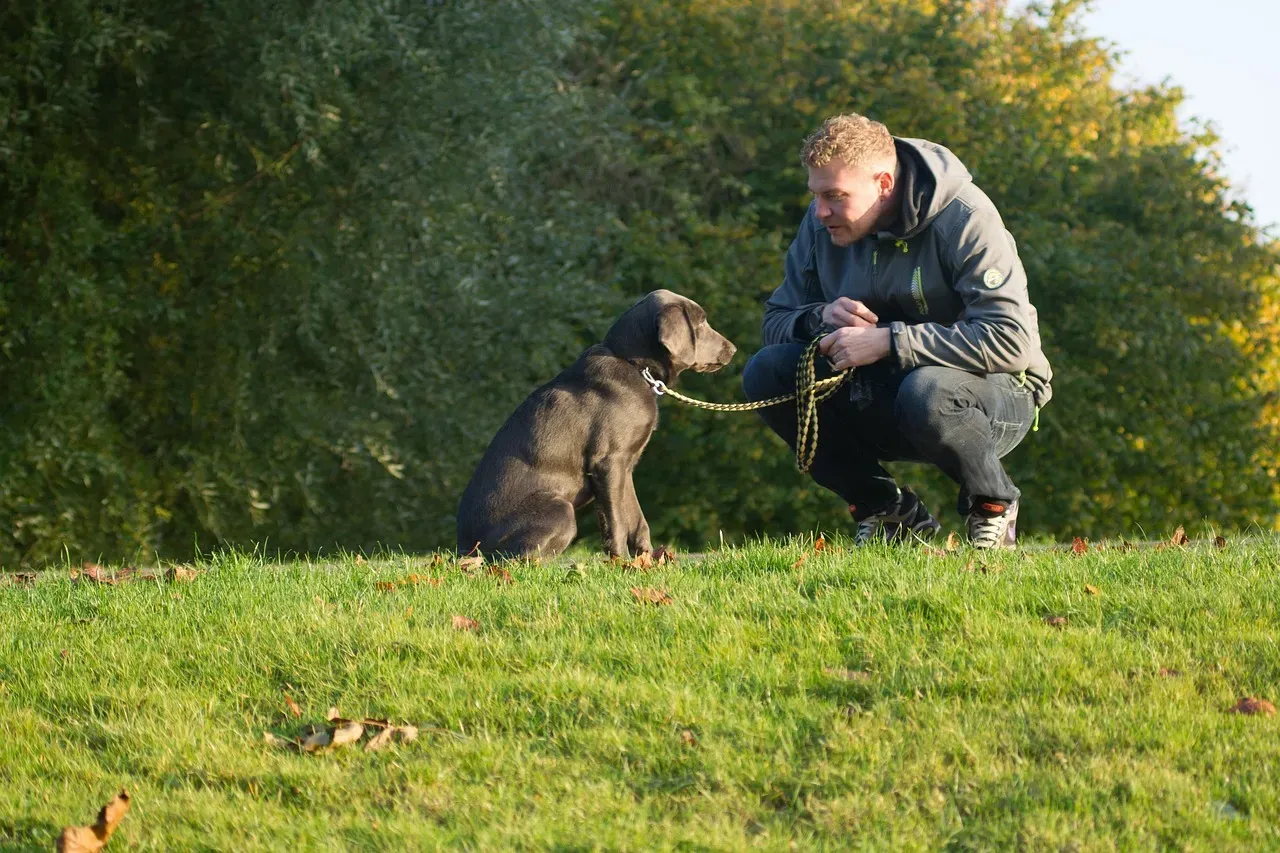
Here’s the humbling part of the story. While dogs are remarkably good at understanding us, research suggests we’re actually quite poor at understanding them in return. New research from Arizona State University has revealed that people often do not perceive the true meaning of their pet’s emotions and can misread their dog. The reasons for this include a human misunderstanding of dog expressions due to a bias toward projecting human emotions onto our pets.
Dogs show a strong, consistent bias to wag their tails to the right when shown their owner or an unfamiliar human, but a leftward bias toward an unfamiliar dog, indicating that dogs’ wagging tails show their emotional state not simply by how much they wag them but also by the side of the body they wag toward. This is probably connected to how the left side of the brain is more specialized for approach and the right side for withdrawal. Most of us had no idea. Honestly, I had no idea until I came across this research.
Several studies have shown that dogs are remarkably good at recognizing human emotional expressions. They can tell what emotion a human face is showing or respond with empathetic concern to a weeping person. Where our comprehension of dogs’ emotions is so weak, their understanding of us is remarkably strong. That’s a stark and thought-provoking imbalance. The good news is, awareness is the first step toward change.
Conclusion: The Partnership We Owe Our Dogs
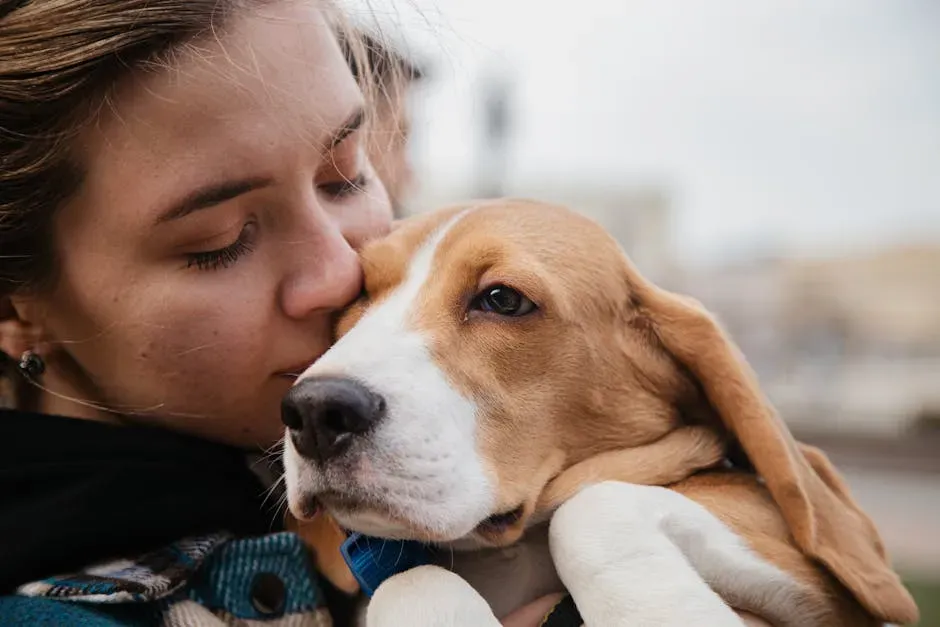
What the science is really telling us is breathtaking. Dogs have evolved to be, in many ways, deeply emotionally intelligent companions. They read our faces, smell our stress, mirror our moods, and form chemical bonds with us through nothing more than eye contact. They bring this entire, profound inner world into every single interaction they have with us.
The least we can do is try to meet them halfway. Pay closer attention to their individual body signals. Notice the tail direction, the ear position, the posture. We need to confront our biases and be more modest in our assessment of canine emotions. We have to recognize that it isn’t easy to know how a dog is feeling, but with careful attention to each individual dog, we might be able to learn what their happiness looks like.
Your dog has been putting in the emotional work all along. Now it’s your turn. What signals have you been missing from your dog, and what do you think they’ve been trying to tell you? Share your thoughts in the comments – we’d love to hear your story.


