
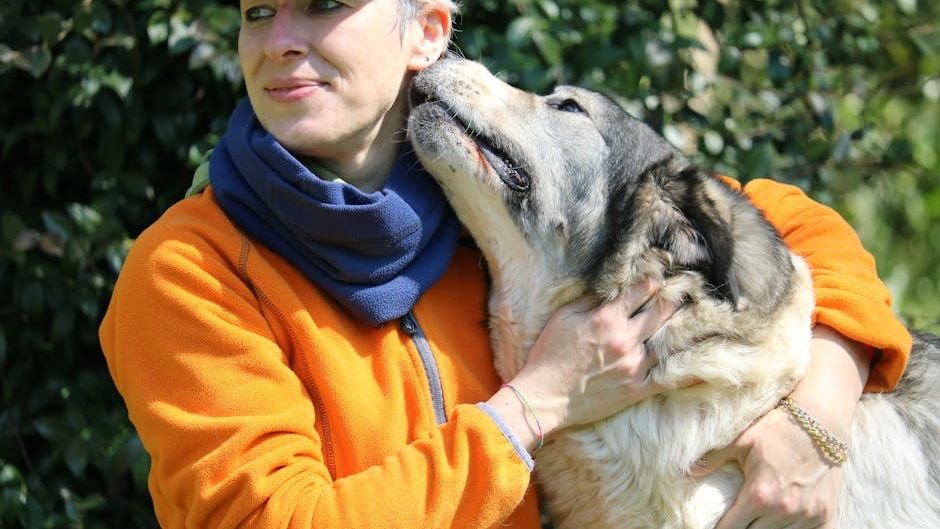
Picture this: a dog the size of a small pony gently resting its massive head in your lap, staring up at you with the softest, most soulful eyes you have ever seen. No aggression. No intimidation. Just pure, unfiltered love. If you have ever been on the receiving end of that moment, you already know what I am talking about.
One of the biggest myths about large and giant breeds is that they are aggressive or hard to manage. In reality, many are known for their steady temperaments, eagerness to please, and strong loyalty to their families. Yet the misconception persists, and honestly, it is costing a lot of people one of the most beautiful experiences in dog ownership.
So, if you have always been a little intimidated by the big dogs, or if you are just starting to fall down that wonderful rabbit hole of loving giant breeds, you are in exactly the right place. Let’s dive in.
The Gentle Giants You Need to Know About
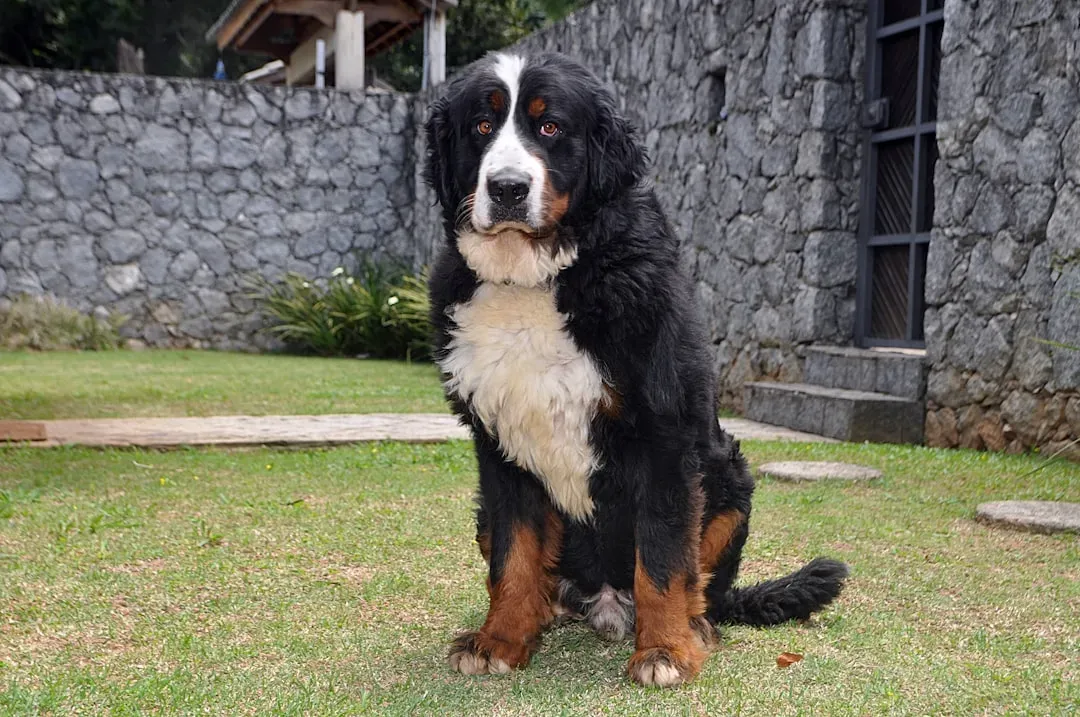
Let’s be real: when most people see a 130-pound dog walking toward them, their first instinct is not “oh, what a cuddle bug.” When it comes to choosing a dog, most people will judge a book by its cover and decide what kind of temperament the dog has just by its looks alone. What’s inside, though, might be very different and much sweeter than what’s outside.
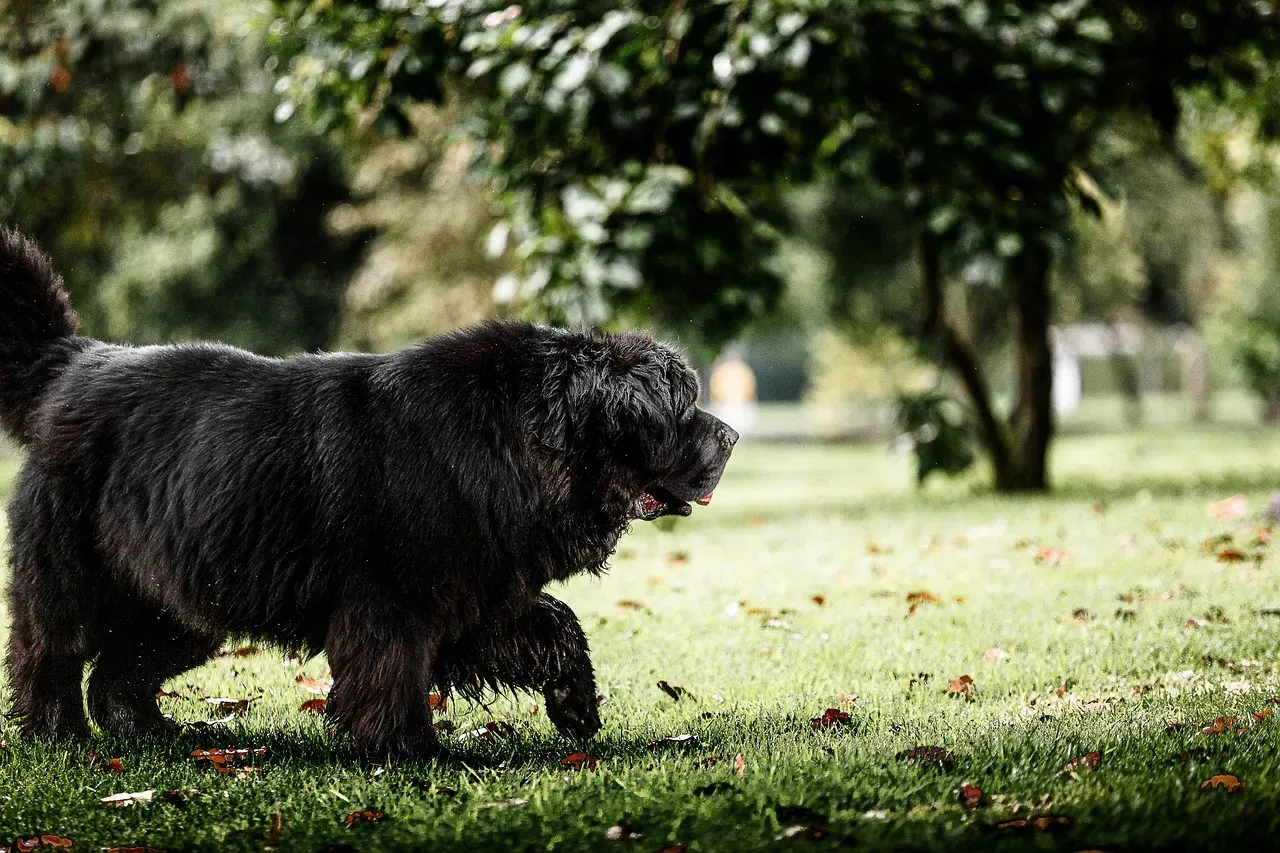
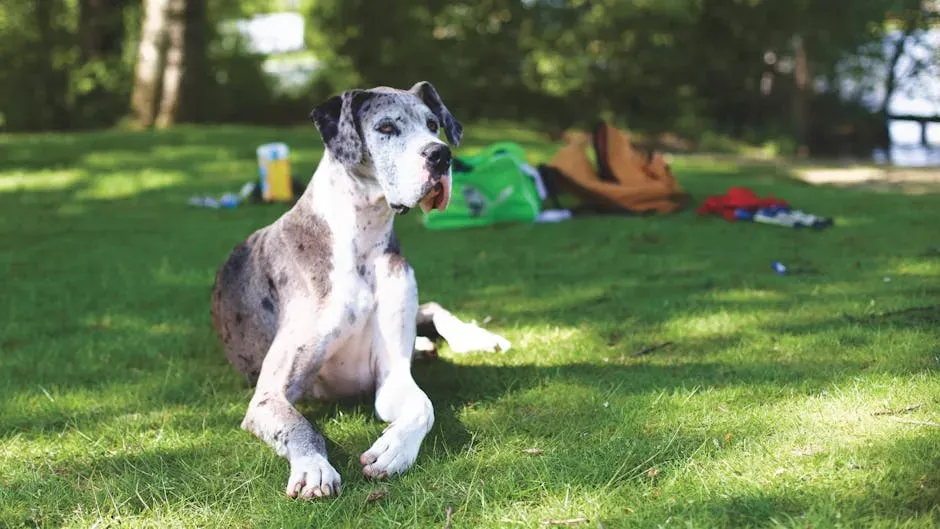
Often called the ultimate gentle giant, the Great Dane combines impressive size with a soft, affectionate personality. Originally bred in Germany to hunt wild boar, these dogs have left their hunting days far behind to become beloved family companions. Then there is the Newfoundland, the Saint Bernard, the Bernese Mountain Dog, and the Leonberger. Each one carries a presence that could fill a room, and a heart that could fill a home.
Known as “nanny dogs,” many big dog breeds are surprisingly calm, emotionally intelligent, and easy to train, defying the intimidating appearance their size might suggest. Big dogs are not just protective; they are patient with children, loyal companions, and bring a comforting sense of security to any home. Honestly, once you have lived with one of these breeds, it is very hard to go back.
Reading Your Big Dog’s Emotional Language
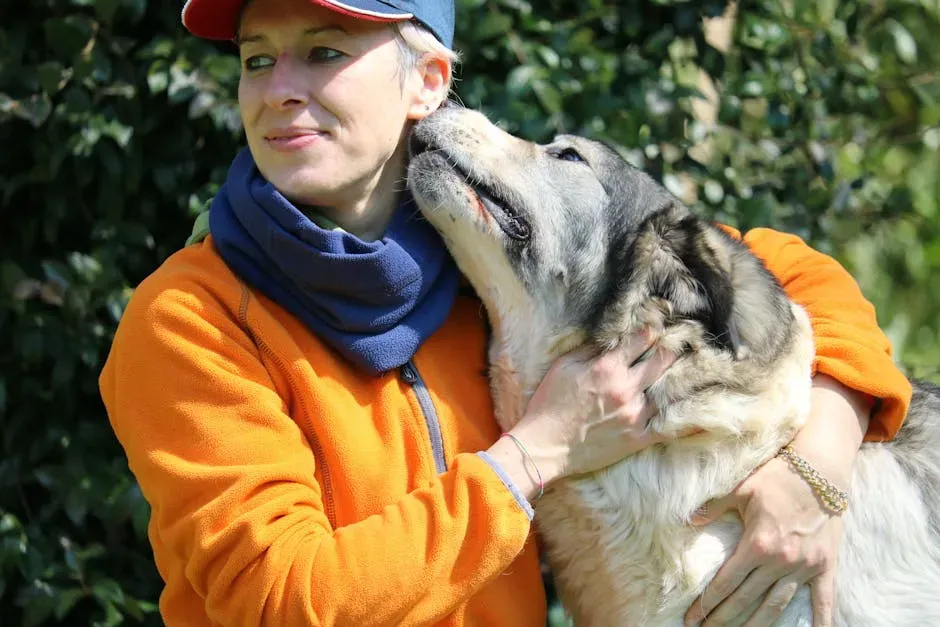
Here is the thing about giant breeds that most people overlook: they are remarkably emotionally tuned-in. They do not just react to what you do. They respond to how you feel. I think this is what makes them so extraordinary as companions.
Newfoundlands thrive on companionship and show affection through constant closeness. Whether leaning against their owner, curling up on the couch, or quietly following family members around, they are happiest when surrounded by loved ones. That lean? That is not the dog being pushy. That is their love language, plain and simple.
If your formerly affectionate dog suddenly stops seeking out cuddles, or if they growl or move away when you try to touch them, seek veterinary attention as soon as you can. Changes in personality and behavior can be a sign that your dog is sick or in pain. So watch closely. A big dog that suddenly goes quiet or pulls away from touch is waving a red flag, and you should never ignore it.
Look for cues in their body language, including wagging their tail and leaning into you. With large breeds, the signs are often big and obvious. A slow, sweeping wag from a Great Dane is basically a full body expression of joy.
Training These Giants: Firm, Loving, and Early
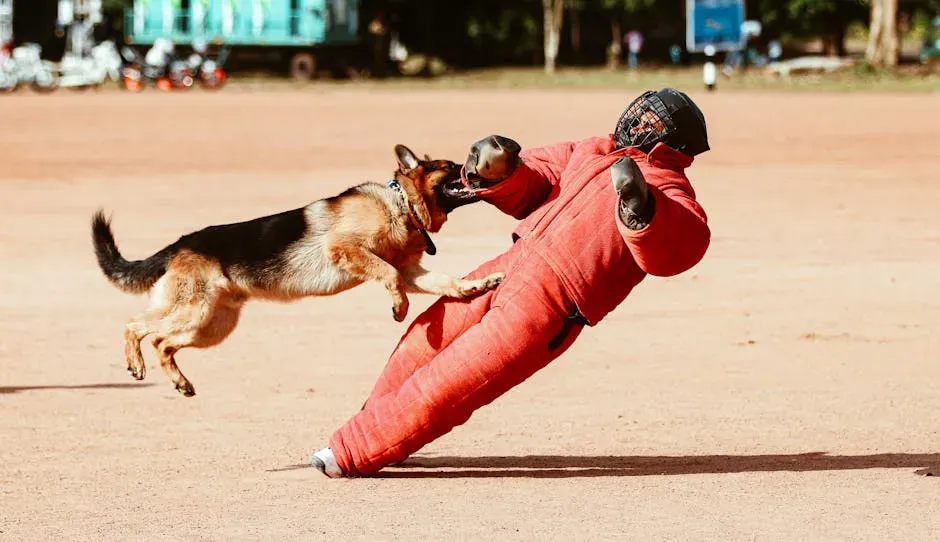
I know it sounds obvious, but training a large dog is not the same as training a small one. The stakes are simply higher. An untrained 100-pound dog is not a minor inconvenience. It can be a genuine safety concern, even if its intentions are completely loving.
Early, consistent training is essential for big dog breeds. Not only are well-mannered dogs easier to live with, but training helps prevent behaviors that can be more challenging when they come from an 80-pound dog, such as leash pulling or jumping on people. Positive reinforcement methods, rewarding good behavior with treats, praise, or play, are especially effective.
Socialization is equally important. Exposing your pup to different people, pets, and environments during early life stages helps build confidence and reduces fear-based behaviors later on. Think of it like this: socializing a giant breed puppy is like laying down a strong foundation before building a house. Skip it, and the whole structure becomes shaky.
As intelligent dogs, Leonbergers, for example, can become bored or destructive if left alone too long, so they are not suited to life as outside-only pets. Most gentle giants share this need. They want to be with their people. Give them that, and training becomes a joy rather than a battle.
Health Watch: What Every Big Dog Owner Must Know
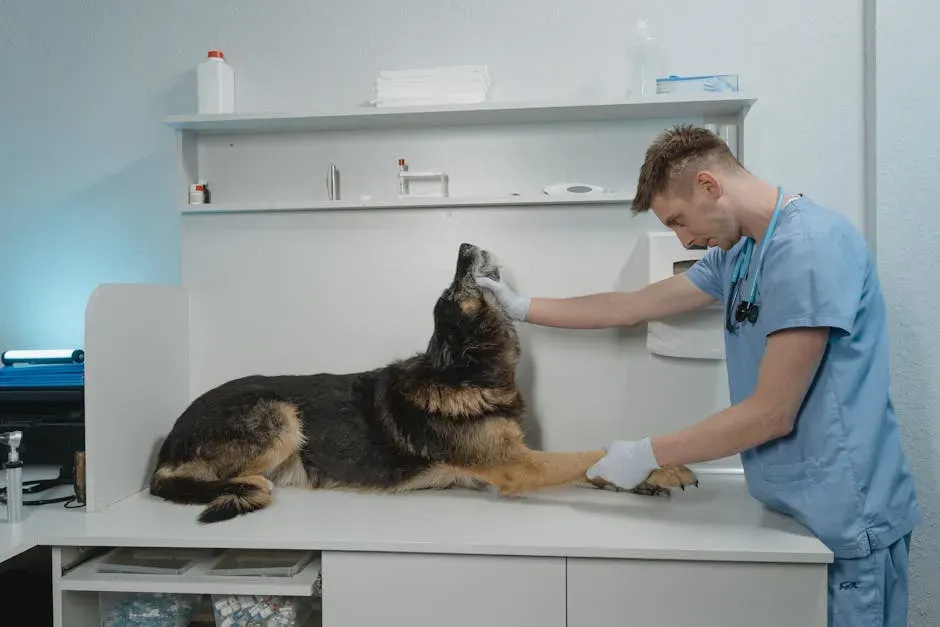
Owning a gentle giant means embracing the full picture, including their health vulnerabilities. It is not meant to scare you. It is meant to empower you. The more you know, the better you can protect them.
Large dog breeds often face hip and elbow dysplasia, arthritis, bloat, heart disease, cancer, obesity, and joint injuries. Preventive care and early intervention can help manage many of these issues. Catching these problems early is everything. Many veterinarians recommend starting joint supplements by age two to three for large breeds. Early intervention can slow degeneration before symptoms become severe.
Bloat is one topic that every giant breed owner needs to take seriously. Bloat is one of the scariest emergencies for deep-chested large breeds like Great Danes or Saint Bernards. The stomach fills with gas and twists, leading to a swollen belly, restlessness, unsuccessful attempts to vomit, panting, or drooling. This can turn fatal quickly without emergency care. Prevention includes feeding smaller meals more often and avoiding heavy exercise after eating.
Recognize the early warning signs: restlessness, drooling, a distended or hard belly, and unproductive vomiting are red flags. If these symptoms appear, seek veterinary attention immediately, as bloat can progress rapidly. Time is everything here. Do not wait and see.
Giving Your Gentle Giant the Life They Deserve
Bringing a large breed into your home is not just a lifestyle change. It is a commitment of time, space, love, and resources. Welcoming a giant dog into your life takes more than admiring their oversized paws. These breeds need more space, bigger food budgets, sturdier supplies, and regular veterinary care.
Their life expectancy is often shorter than that of smaller dogs, typically around 6 to 10 years, so the time you share is especially meaningful. That shorter window does not diminish the bond. If anything, it deepens it. Every walk, every cuddle, every goofy moment matters more.
Exercise must be balanced. Too little leads to obesity and muscle loss. Too much, especially high-impact activity, accelerates joint wear. Avoid repetitive jumping or intense fetch sessions in older dogs. Think of it as quality over quantity. A calm, consistent daily walk and some gentle play go a very long way.
They need proper training, space to stretch out, and a family willing to include them in everyday life. In return, you get unwavering loyalty, a comforting sense of security, and a loving companion who is happiest by your side. Honestly, that sounds like a pretty perfect deal.
Conclusion: Big Dogs, Bigger Hearts
Gentle giants are not just dogs. They are life-changers. They fill hallways with their presence, soften the hardest days with a single lean, and love you in a way that feels ancient, loyal, and completely unconditional.
Affectionate giant breeds bring warmth, loyalty, and companionship into homes, proving that big dogs are often the gentlest at heart. The key to honoring that trust is preparation, education, and consistent, compassionate care.
So the next time someone flinches at the sight of a Great Dane or crosses the street to avoid a Newfoundland, you will know the secret. Beneath all that size and all those paws, there is a heart that only wants to be close to you. What do you think – have you ever been surprised by just how gentle a big dog can be? Tell us in the comments.


