

You spot it from across the street: dogs running free, tails wagging, owners chatting and laughing. Your pup pulls at the leash, eager to join the fun. It looks like paradise, right? Here’s the thing. That inviting scene might be hiding some uncomfortable truths.
I’ve spent years working with dogs and their families, and I’ve seen far too many heartbreaking stories that start with just one visit to the wrong dog park. The reality is, not every park with a friendly name and a cheerful gate is actually a safe space for your furry companion. Some pose serious risks to your dog’s health, safety, and even their long-term behavior. Let’s dive into what you really need to know before you unlatch that gate.
The Hidden Disease Hotspots You Can’t See
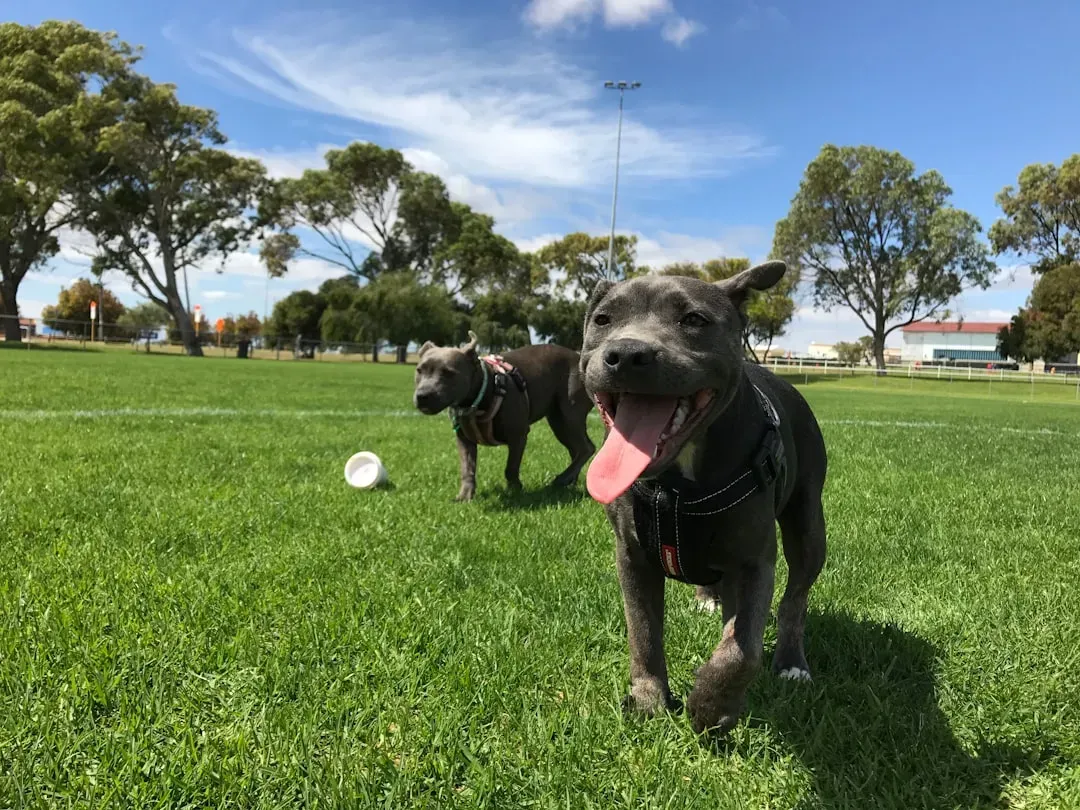
Research shows that roughly 85 percent of dog parks across the United States have at least one dog testing positive for intestinal parasites like roundworm, whipworm, Giardia, or hookworm. That’s a staggering number. In fecal samples from dogs visiting multiple dog parks, about one quarter contained Giardia, 15 percent had Cryptosporidium, and 17 percent showed Cystoisospora. These aren’t just unpleasant statistics on paper. They’re real health threats to your dog.
Your dog is at risk of picking up diseases and parasites from the soil, water, and other dogs at dog parks. Think about it: every time a dog squats or lifts a leg, they’re potentially leaving behind more than just waste. Communal drinking spots are breeding grounds for some diseases, yet many dogs eagerly lap from shared water bowls without a second thought. The invisible dangers are everywhere, from the grass beneath their paws to the puddles they splash through.
When ‘Playful’ Behavior Actually Signals Danger

Many times people have trouble differentiating play behavior versus fearful or aggressive behavior. That’s a real problem. What looks like harmless roughhousing to an untrained eye might actually be one dog bullying another. People frequently interpret either predatory or stress behaviors in dogs as signs of play when in fact, it is quite the opposite.
I know it sounds crazy, but some of the most dangerous situations start with a wagging tail. Warning signs include stiff body posture, a dog standing tall over another, hard stares, raised hackles, or curled lips. If you notice your dog hunkering down, bowing their head, or tucking their tail, chances are they’re uncomfortable and want to go home. Yet how many owners are scrolling through their phones instead of watching these critical cues?
The One In Seven Statistic That Should Alarm You
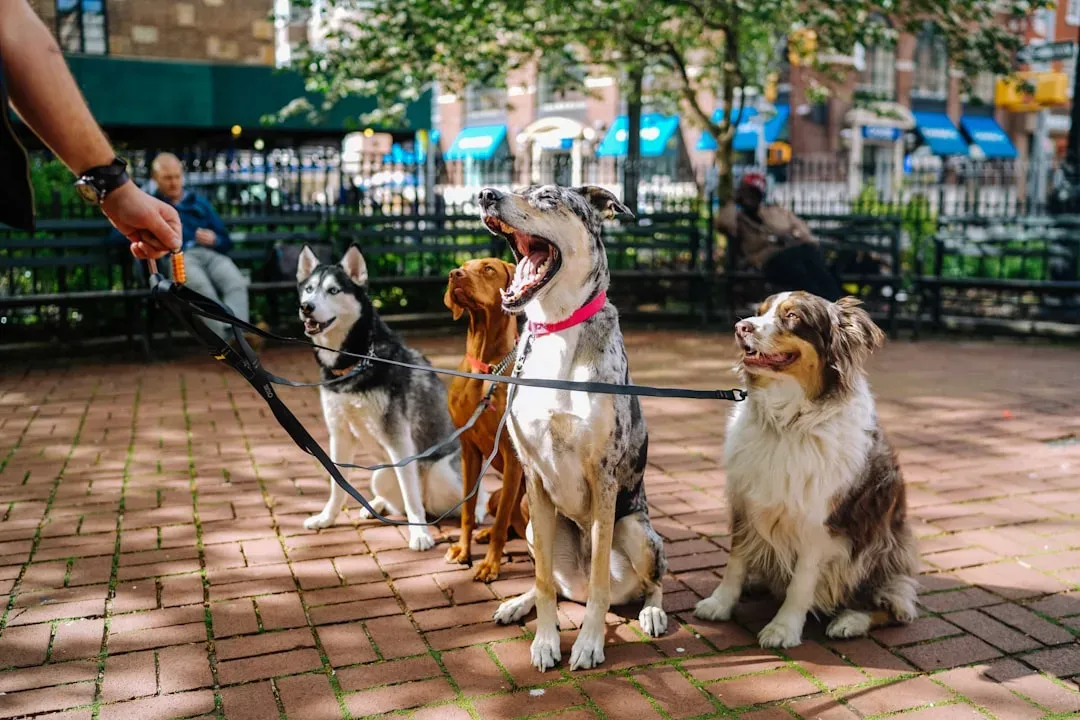
More than one in seven dog owners report their dogs having been attacked in a public dog park. Let that sink in for a moment. That’s not a rare occurrence. That’s common enough that you probably know someone whose dog has been hurt.
The co-mingling of dogs of various sizes and temperaments can significantly increase the risks of serious injury and even death, with bites happening fast and being very serious especially if a big dog bites a small dog. Once a puppy or adult dog has been attacked by another dog, it will become a dog aggressive animal itself, with this only needing to happen one time for a permanent temperament change to occur in some animals. A single bad experience can reshape your dog’s entire personality and behavior for life.
The Irresponsible Owner Problem Nobody Talks About

Here’s the real challenge: Lack of proper supervision can lead to uncontrolled interactions, bullying between dogs, and even dangerous situations if a fight breaks out, with it only taking one irresponsible owner to create a negative experience for everyone. You can’t control other people’s choices, only your own response to them.
Another common mistake is not watching your dog the entire time and getting caught up looking at your phone or talking to another pet owner. I’ve witnessed this countless times. The friendly conversation that turns into a disaster because nobody noticed the tension building between two dogs across the yard. Roughly one quarter of survey respondents reported that they feel other dog owners are irresponsible with their dogs in public. That’s a significant portion of park visitors who aren’t following basic safety practices.
Your Puppy Isn’t Ready (Even If You Think They Are)

Dog parks can be risky for puppies under five months old due to the potential exposure to diseases like parvovirus, especially if they aren’t fully vaccinated. Honestly, this breaks my heart every time I see it. Young puppies don’t belong in public dog parks, period.
Because dog parks are not supervised by a professional educated in dog body language and allow any and all dogs to attend, there are often interactions between dogs that cause lifelong fear, anxiety, and even aggression. A large pack of overexcited, lunging canines can scar a puppy for life, especially if they are injured, with positive socialization experiences best performed with one-on-one introductions in a calm, quiet setting. The critical socialization window is precious. Don’t waste it on an uncontrolled environment where one negative encounter could undo months of careful work.
Red Flags That Mean You Should Leave Immediately
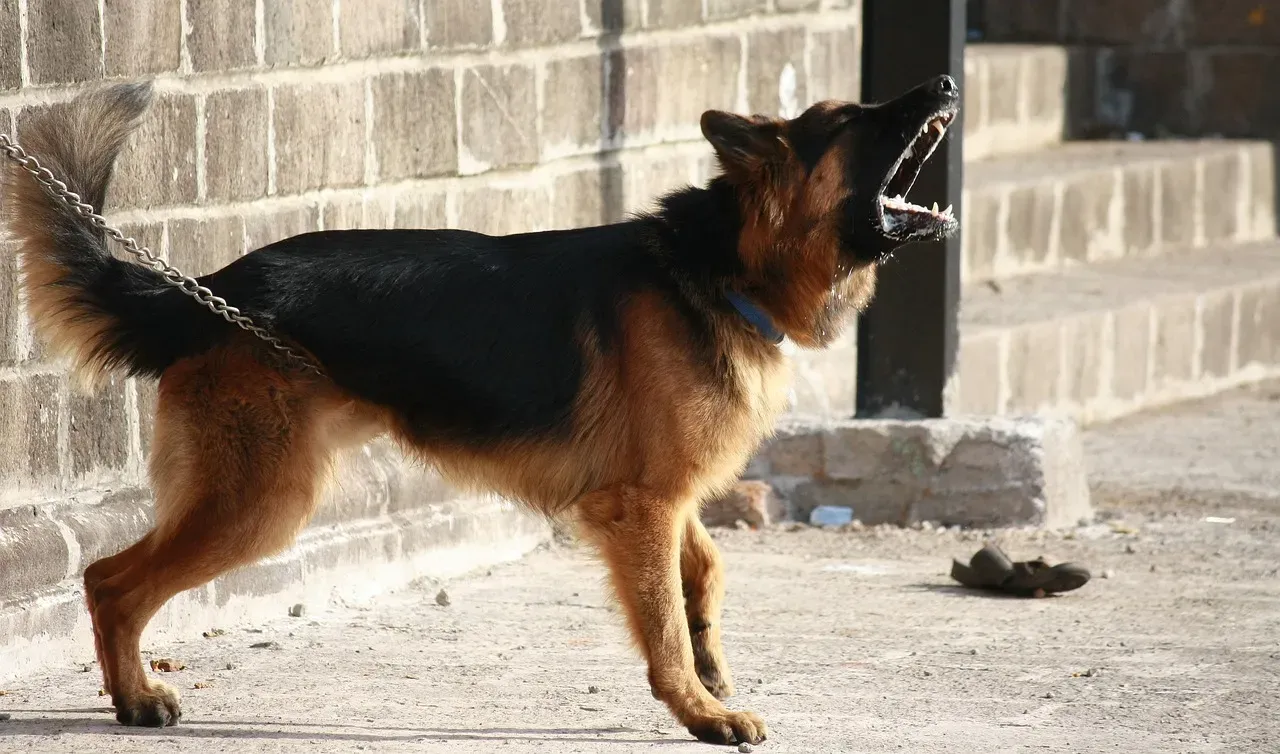
Leave if you see any dogs exhibiting aggression, with staring, crouching, and other tense body language being warning signs, while rough play like a group of aggressive dogs chasing another dog is also very dangerous. Trust your gut. If something feels off, it probably is.
An excessive amount of feces in the play enclosure should be a major red flag, as intestinal parasites and certain viruses like parvo are transmitted through feces, putting other visitors at risk when pet parents fail to scoop. Overcrowding is a common issue in public dog parks, especially during peak hours, with too many dogs in a limited space amplifying stress and increasing the likelihood of negative interactions. Sometimes the smartest thing you can do is turn around and try again another day, at a quieter time, or at a different location altogether.
Conclusion
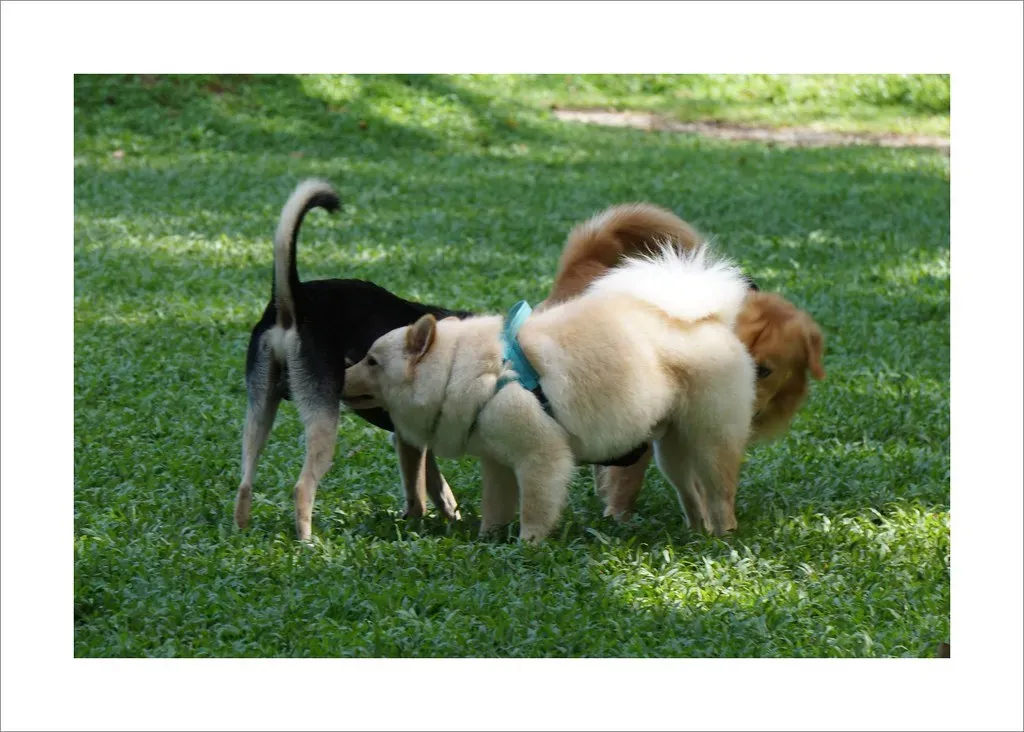
Look, I’m not saying dog parks are evil. They can provide wonderful experiences for the right dogs with vigilant owners. The problem is assuming every park is safe just because it exists. Your dog depends on you to make smart choices about their wellbeing. That means doing your homework, watching for warning signs, and being willing to walk away when conditions aren’t right.
Before you head to any dog park, make sure your dog is fully vaccinated, knows basic commands, and has been properly socialized in controlled settings. Scout the park first without your dog. Watch how other owners behave and how dogs interact. And once you’re there, keep your eyes on your pup every single second. What do you think? Have you had a close call at a dog park that made you rethink the risks? Your awareness might just save another dog from a traumatic experience.


