
You love your dog. You want to do everything right. So you read articles, watch videos, maybe even consult with trainers. Then someone tells you to alpha roll your puppy, or never let them through a doorway first, or that using treats is just bribery. Your gut twists a little. Something feels off, doesn’t it?
Here’s the thing. The dog training world is full of myths that have been passed down for decades like old family recipes nobody questions. Some sound reasonable on the surface. Others seem harsh but necessary. The truth? Many of these beliefs are not just wrong, they can damage the bond between you and your best friend. They create fear where there should be trust, confusion where there should be clarity.
Let’s be real. Dogs don’t think like little humans plotting world domination. They’re trying to figure out our confusing world with the limited tools they have. When we misread their behavior through outdated lenses, we miss what they’re really telling us. So let’s dig in.
Myth One: Your Dog Is Trying to Be the Alpha

This one’s everywhere. Your dog jumps on guests, pulls the leash, growls over a toy. Someone invariably says they’re challenging your authority, trying to be the pack leader. The myth originated from studying captive wolves in the 1930s and 1940s, which was like studying humans in concentration camps to understand human family dynamics. Those wolves were unrelated, thrown together in stressful conditions, competing for resources.
The study was later debunked by the original researcher himself, L. David Mech, who noted that dogs aren’t wolves, and even wolves don’t live in rigid alpha hierarchies the way we once thought. Wolf experts describe the role of wolf leaders as parents who guide, teach, and care for their pack members, and when offspring mature, they don’t compete to overthrow the leader but instead leave to start their own families. Your dog isn’t staging a coup when they steal the remote. They’re just being a dog who hasn’t learned what you want yet.
Methods like alpha rolls can create fear and erode trust between you and your dog. Trying to dominate your pup doesn’t earn respect. It teaches them that hands coming toward them might mean something scary.
Myth Two: Using Food in Training Is Just Bribery

Someone watches you reward your dog with a treat and scoffs. They tell you that’s bribery, that your dog should listen out of respect, not for food. This misconception gets trotted out constantly, and honestly, it drives me up the wall.
Dogs learn through association, so if they learn a certain behavior results in something pleasant, they will want to repeat it, and qualified trainers utilize food, toys, praise and play to reward specific behaviors. Desirable treats increase dopamine levels in your dog’s brain, changing their emotional state and creating positive associations, while also helping to regulate memory, cognition, attention and behavior. Training with food is effective, kind, and makes learning fun for your dog.
The difference between bribery and rewards? Timing. You’re not waving a treat to lure compliance in the moment. You’re rewarding the behavior after it happens, teaching your dog that good choices lead to good things. Many dogs enjoy learning and will enjoy their food more during training sessions where they see it as a reward, and dogs need to eat to survive so they have to be motivated by food, unless something is making them feel too stressed. Think about it. We humans work for paychecks. Are we being bribed to do our jobs?
Myth Three: Punishment Based Training Works Faster
This myth sounds practical. Just correct the bad behavior immediately with something unpleasant, and the dog will stop. Quick fix, right? Except it’s not that simple.
Aversive or punitive dog training is associated with increased anxiety, stress, and a greater likelihood for the dog to shut down or behave more aggressively, and even though intimidation might stop aggressive behavior in the moment, a dog is more likely to defend himself aggressively in the future because the underlying cause has not been addressed. You’re not teaching your dog what to do. You’re teaching them to be afraid. Stress and fear also inhibit learning in all animals.
Studies show that reward focused training is more efficient than methods which include potentially aversive stimuli, and dogs learn faster and are more eager to train if they are being told what to do and rewarded for correct responses. Imagine starting a new job where you’re only told what not to do, never what’s expected of you. You’d be confused, frustrated, maybe terrified of making mistakes. That’s how punishment based training feels to dogs.
Myth Four: You Can’t Train an Older Dog
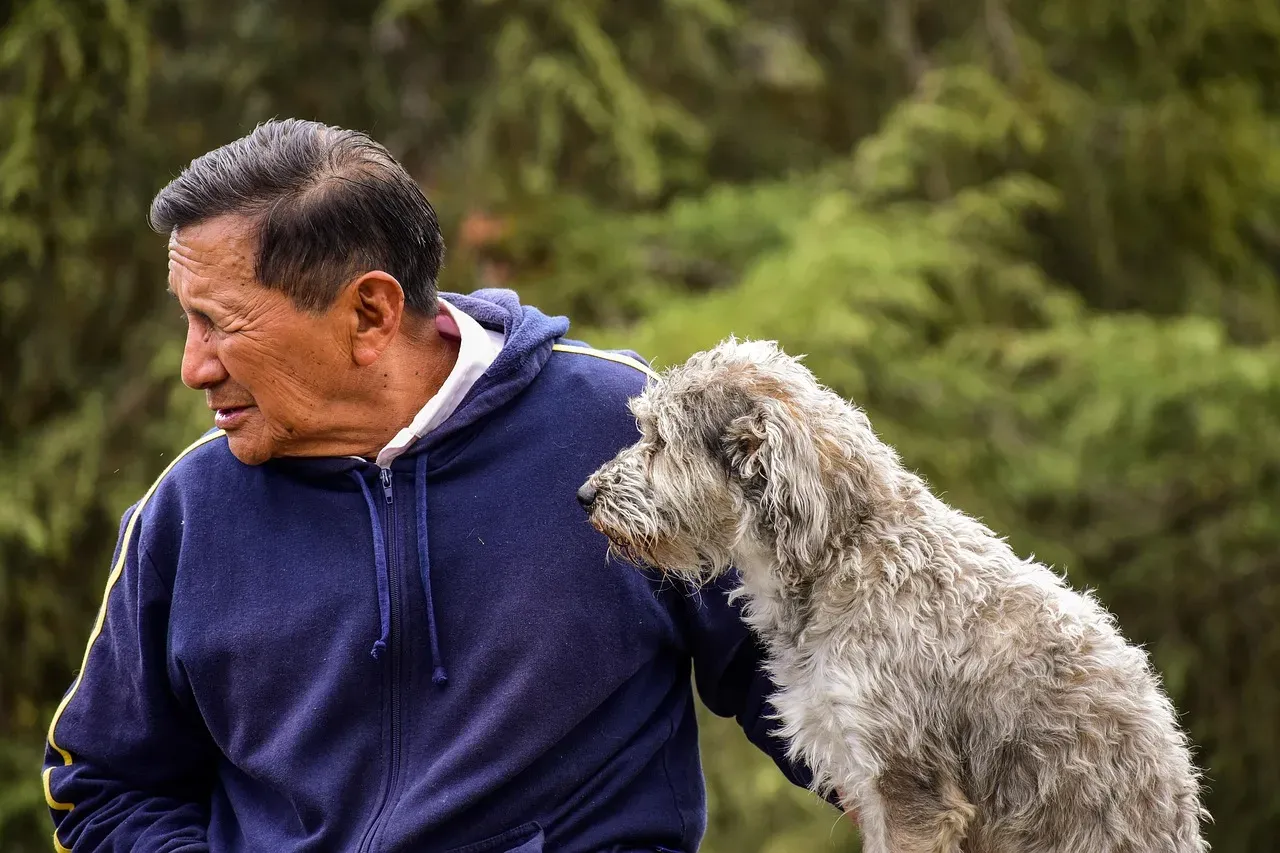
You’ve probably heard this phrase a million times. Old dogs, new tricks, all that jazz. It’s comforting in a way because it lets us off the hook when we adopt an adult dog with some rough edges. Sorry, can’t be helped, they’re too old. Complete nonsense.
All dogs of every age can learn and adapt, and while puppies tend to learn new commands more quickly due to their high energy and curiosity, older dogs still benefit from patience and training with positive reinforcement. I’ve seen ten year old dogs learn complex behaviors they’d never been taught. It might take a bit longer to undo established habits, but it’s absolutely possible.
Older dogs often have better attention spans than puppies. They’re calmer, less distractible. Yes, they might have physical limitations, but their brains? Still sharp. The real barrier isn’t their age. It’s our assumption that they can’t change. When we believe in them, they surprise us every time.
Myth Five: Dominance Methods Like Eating First or Going Through Doors Establishes Leadership
The idea that you must always go through doorways first comes straight from the dominance based mindset, suggesting that if you let your dog go ahead of you, they’ll think they’re in charge. Same goes for eating before your dog. Supposedly these rituals establish you as the pack leader.
Dogs naturally associate food rewards as an indication the immediately preceding behavior was appropriate, and while he may longingly desire what you are eating, he is not reflecting on his place in the pack while he watches you eat, and simply put, dogs cannot eat unless we give them the food regardless if we eat first or second. Your dog isn’t keeping score of who eats first to determine hierarchy. They’re just hoping you’ll drop something delicious.
Puppies thrive when we guide rather than dominate, and your puppy isn’t trying to be the boss but rather trying to make sense of a human world full of rules they don’t yet understand, so focusing less on control and more on communication helps you get the relationship you really want. Teaching your dog to wait politely at doorways is useful for safety. Framing it as a dominance ritual? That’s just unnecessary drama.
Myth Six: Certain Breeds Are Untrainable or Stubborn

Terriers are too stubborn. Huskies won’t listen. Hounds only care about scents. We slap these labels on entire breeds and then wonder why training doesn’t work. The problem isn’t the breed. It’s the approach.
All dogs are capable of learning, and breed differences may affect how they respond to training, but every dog can improve with the right methods. Some breeds like herding dogs naturally focus on their handler and enjoy structured routines, while others like scent hounds or terriers may be more easily distracted due to strong instincts, but these tendencies don’t mean the dog can’t learn, they just need a training approach that matches their motivation.
I’ve worked with supposedly stubborn beagles who excelled once we incorporated scent games into training. Terriers who thrived with short, fast paced sessions. The challenge isn’t the dog’s ability. It’s recognizing what drives them individually and using that. Every dog has something that lights them up. Find that thing, and suddenly the stubborn dog becomes the eager student.
Conclusion
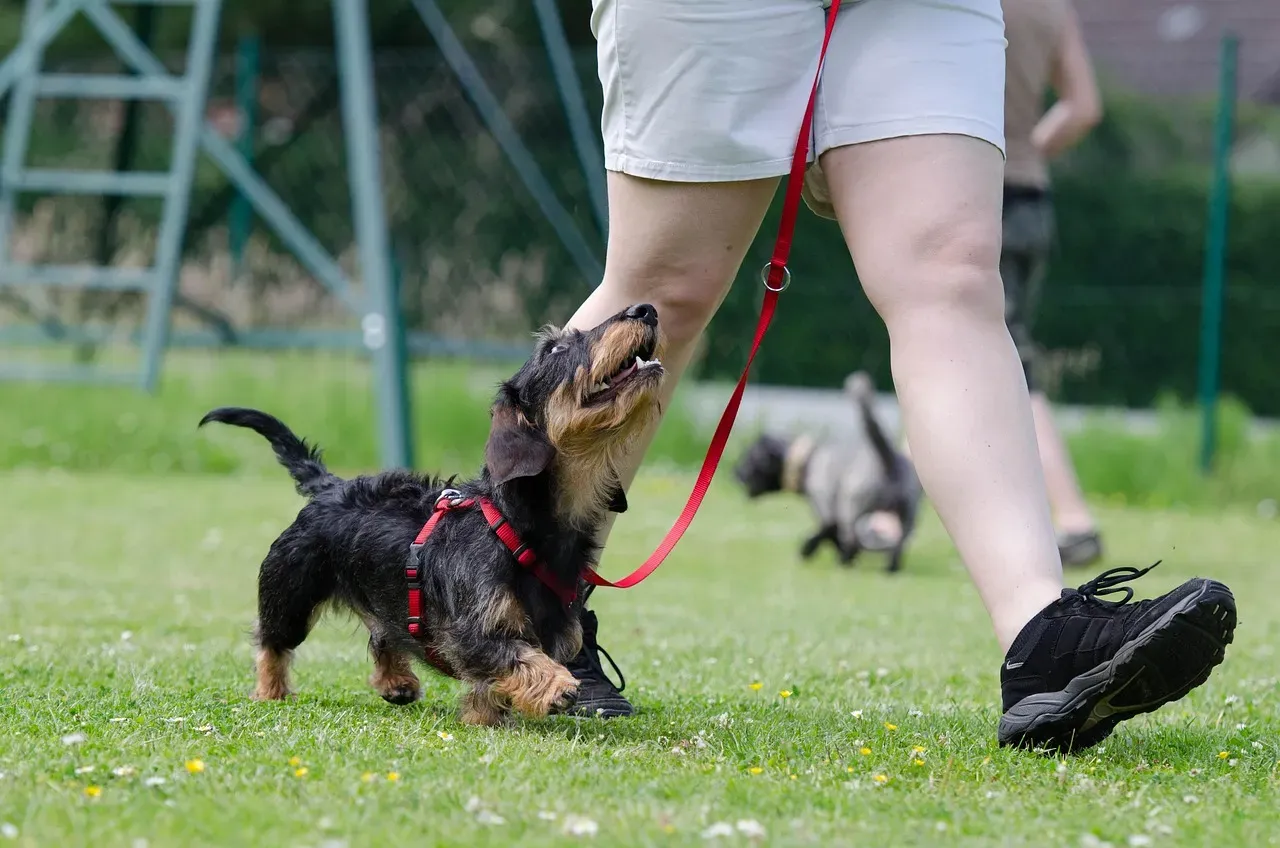
Training your dog shouldn’t feel like a power struggle. It should feel like a conversation, a partnership. When we let go of these harmful myths and embrace what science actually tells us about how dogs learn, everything shifts. Modern science shows dogs thrive on cooperation, not hierarchy, and focusing on positive reinforcement and mutual respect fosters a strong bond and effective learning.
Your dog isn’t trying to dominate you. They’re not manipulating you for treats. They’re not permanently stuck in their ways because of age or breed. They’re just dogs, doing their best to understand what we want from them in a world that must seem utterly baffling sometimes. We owe it to them to do better, to question the old ways that never made sense in the first place.
What myths have you encountered in your training journey? Have you let go of any beliefs that turned out to be wrong? Your dog is counting on you to see through the noise and find what really works. They deserve that much.


