Let’s be real, it probably crossed your mind at least once. Maybe you saw an ad promising miracle water additives that eliminate tartar overnight. Or perhaps someone swore their dog’s teeth sparkled just from munching on special treats. I get it. We all want the easiest path to keeping our best friends healthy.
Here’s the thing, though. Periodontal disease affects somewhere around 80 to 89 percent of dogs over three years old, making it shockingly common. Yet we’re bombarded with products claiming quick fixes that often do little more than empty our wallets. The truth about canine dental health isn’t complicated, but it does require some honesty about what actually works versus what’s just clever marketing.
The Water Additive Illusion
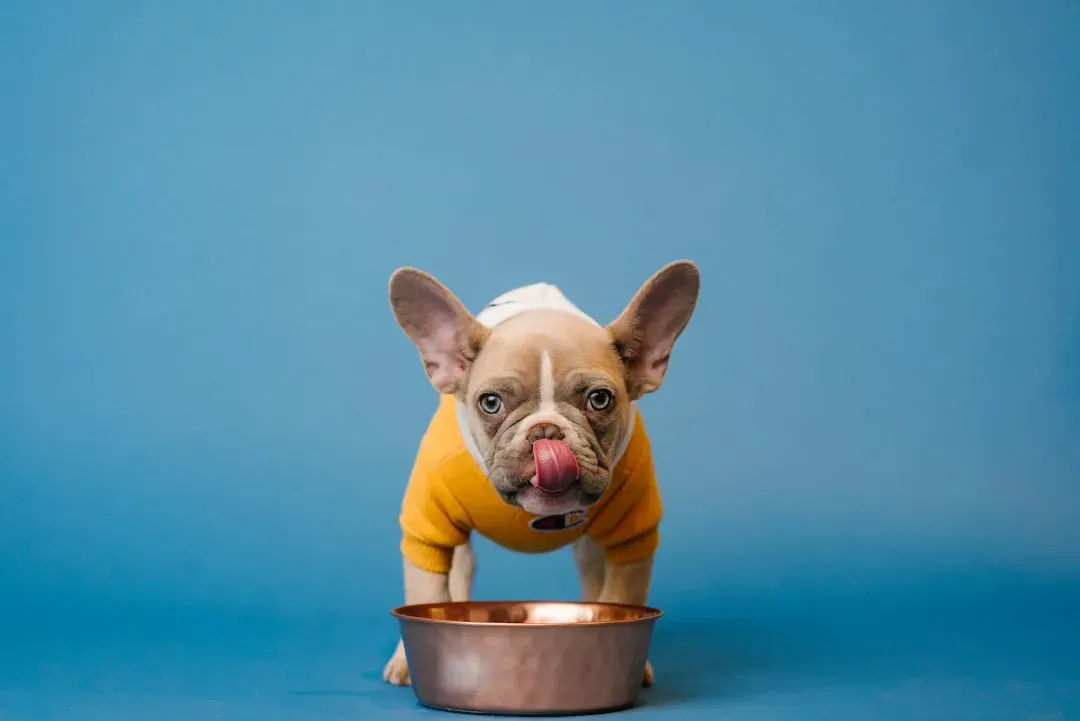
Water additives sound absolutely perfect. Just pour a capful into your dog’s bowl, and supposedly plaque disappears like magic. Some products even promise to freshen breath and prevent tartar buildup without any effort on your part.
The reality is far less impressive. These products focus on reducing bacterial populations in the mouth, which then reduces plaque formation, but some animals might smell and taste the additive, which may deter them from drinking water. Think about that for a second. If your pup refuses to drink because the water tastes weird, you’ve created a bigger problem than bad breath. Plus, water additives don’t physically remove existing plaque or tartar, they just attempt to prevent new buildup.
I’m not saying all water additives are completely useless. Oral rinses and water additives can reduce the adherence of plaque to teeth, but won’t remove plaque that is already there. If you’re already brushing regularly and want an extra layer of protection, fine. Just don’t expect them to replace actual cleaning.
Dental Treats Aren’t a Free Pass
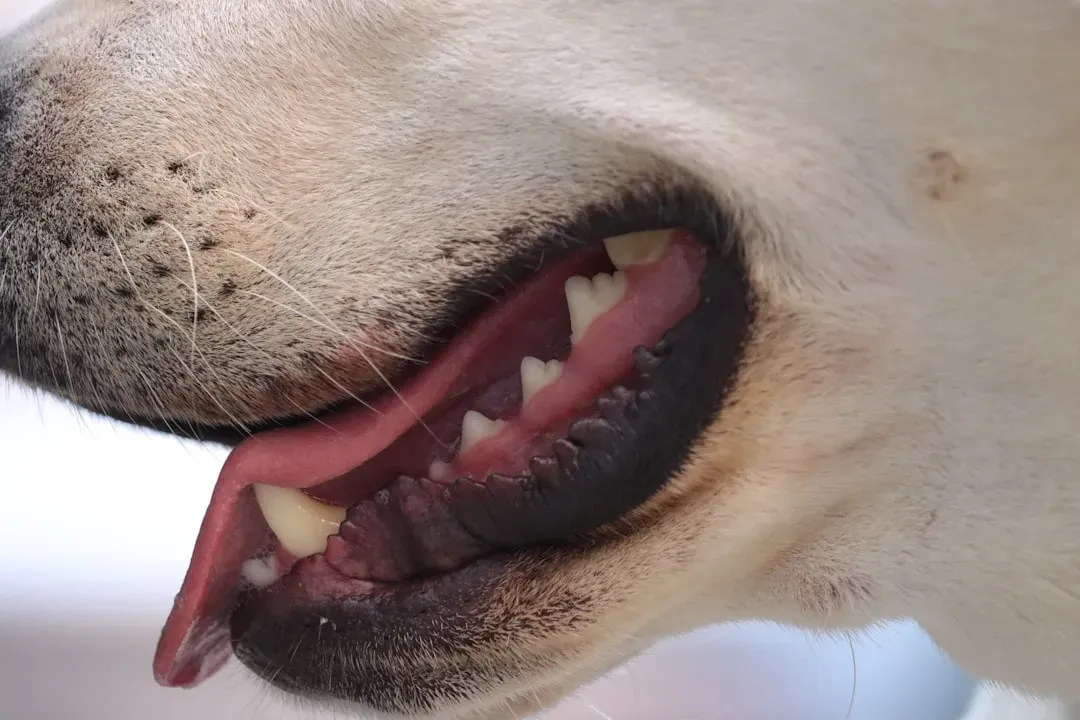
Dental chews and treats are probably the most popular “easy” solution out there. Your dog loves them, they seem to be doing something, and the packaging often features gleaming white teeth and happy testimonials. It feels like a win all around.
When you pick out dental treats or chews for your dog, make sure they have the Veterinary Oral Health Council’s Seal of Acceptance on the packaging, as this seal indicates that these products help control tartar buildup. That’s actually important. Many treats marketed as “dental” don’t have any proven benefit whatsoever. The ones that do work typically require your dog to actually chew them properly, not just swallow them in three bites.
Still, even the best dental chews have limitations. Tooth wipes are made to be rubbed against your dog’s teeth to help remove plaque, and they work similarly to toothbrushes, but are not able to get into the tiny nooks and crannies that a brush does. The same principle applies to chews. They might scrape some surface plaque, but they’re not reaching below the gumline where the real damage happens.
Those DIY Hacks Are Actually Dangerous
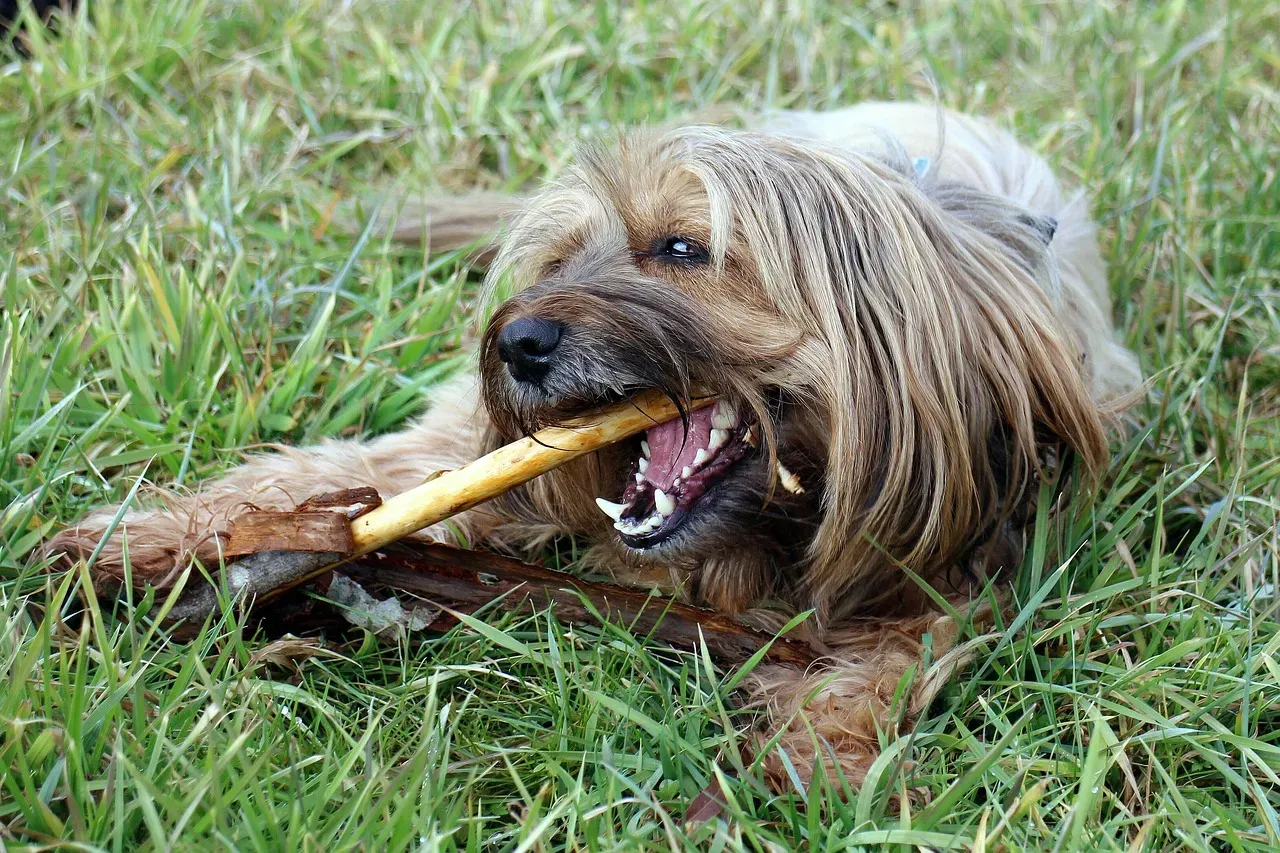
Social media loves a good DIY hack. Coconut oil, baking soda, hydrogen peroxide, even carrots have all been touted as natural teeth cleaners. Some of these ideas sound reasonable at first, especially if you’re trying to avoid chemicals or save money.
Please don’t experiment with your dog’s health. Some DIY toothpaste recipes include baking soda or hydrogen peroxide, but these ingredients can be dangerous for pets, as baking soda can upset your pet’s stomach and disrupt their pH balance. Hydrogen peroxide can cause oral irritation and digestive upset. Even something as innocent as baking soda, which we use in our own mouths, can harm dogs because they swallow it.
Human toothpaste is absolutely off limits too. Human dentifrice or toothpaste should never be used in dogs, as human teeth cleaning detergents contain ingredients that are not intended to be swallowed and can cause internal problems if they are swallowed. Xylitol, a common ingredient in human dental products, is downright toxic to dogs.
Anesthesia-Free Cleanings Are a Waste of Money
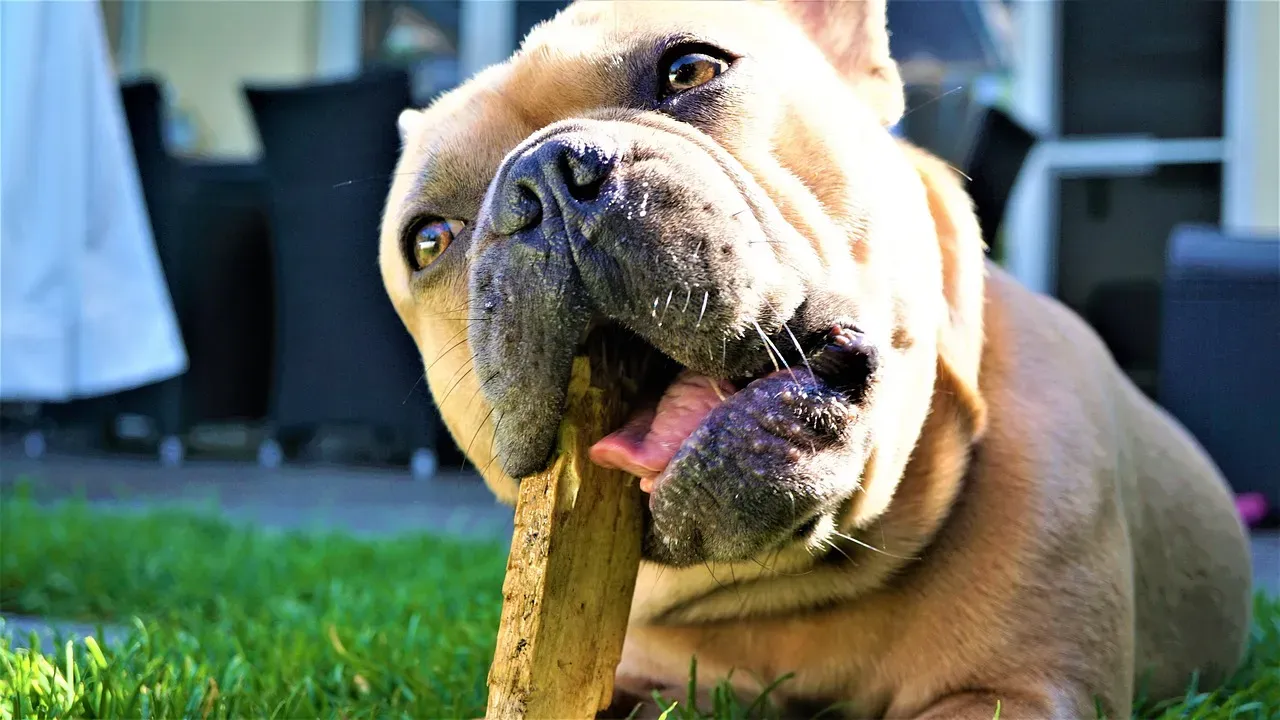
This one makes me especially frustrated because it preys on well-meaning owners who understandably worry about anesthesia risks. Anesthesia-free dental cleanings sound safer and they’re definitely cheaper. Some companies even make it sound like they’re doing you and your dog a favor.
The truth is harsh but necessary. While pets may emerge from an anesthesia-free, or non-anesthesia, dental cleaning with bright, shiny teeth, this can be just the appearance of a healthy mouth, as it is purely a cosmetic procedure, and the pet may have benefitted very little. They’re literally just scraping off the visible gunk to make things look better while leaving all the infection and disease below the gumline completely untouched.
Because most dental disease occurs below the gumline, where you can’t see it, a thorough dental cleaning and evaluation are performed under anesthesia. Without anesthesia, your dog is being restrained while someone pokes around in their mouth with sharp instruments. That’s stressful and potentially painful if there’s existing disease. It’s not kind, and it’s not effective.
What Actually Works: The Unglamorous Truth
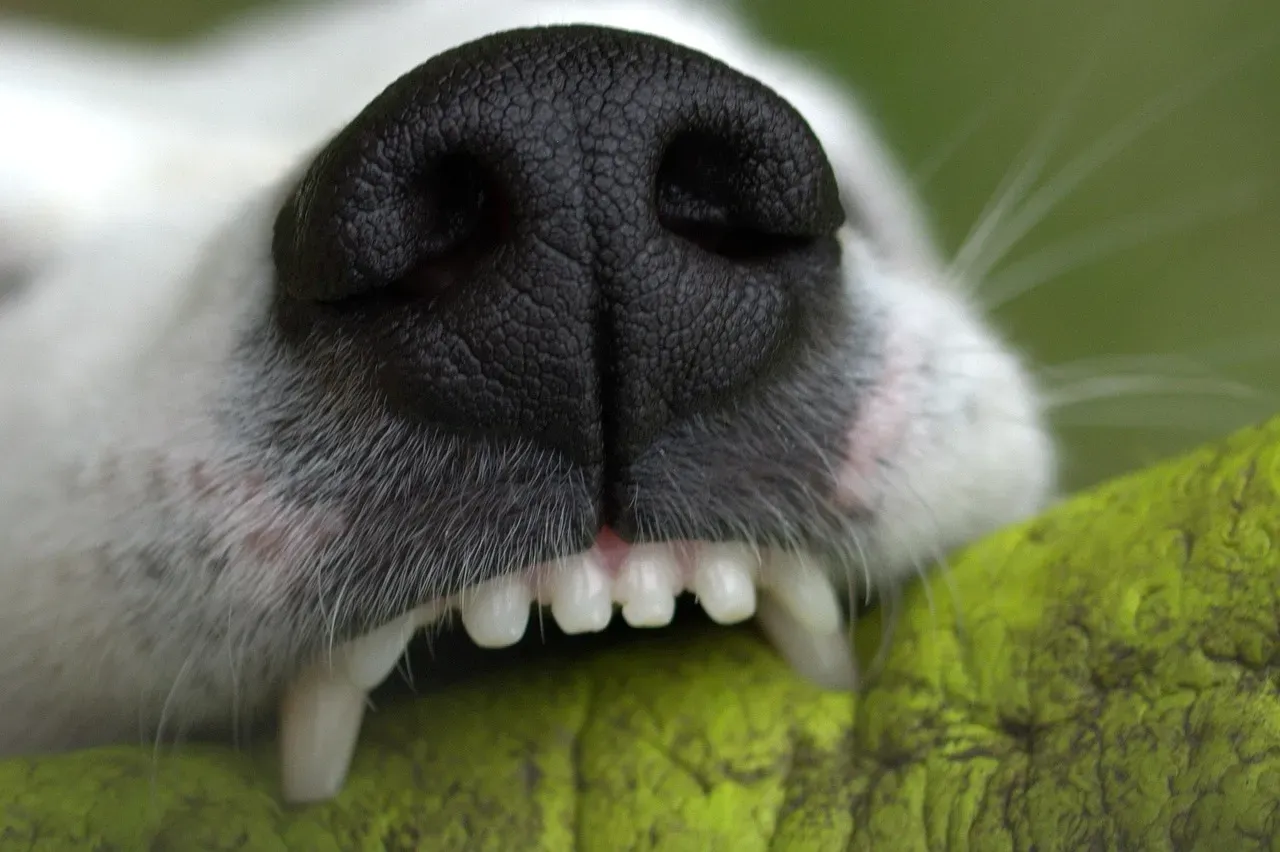
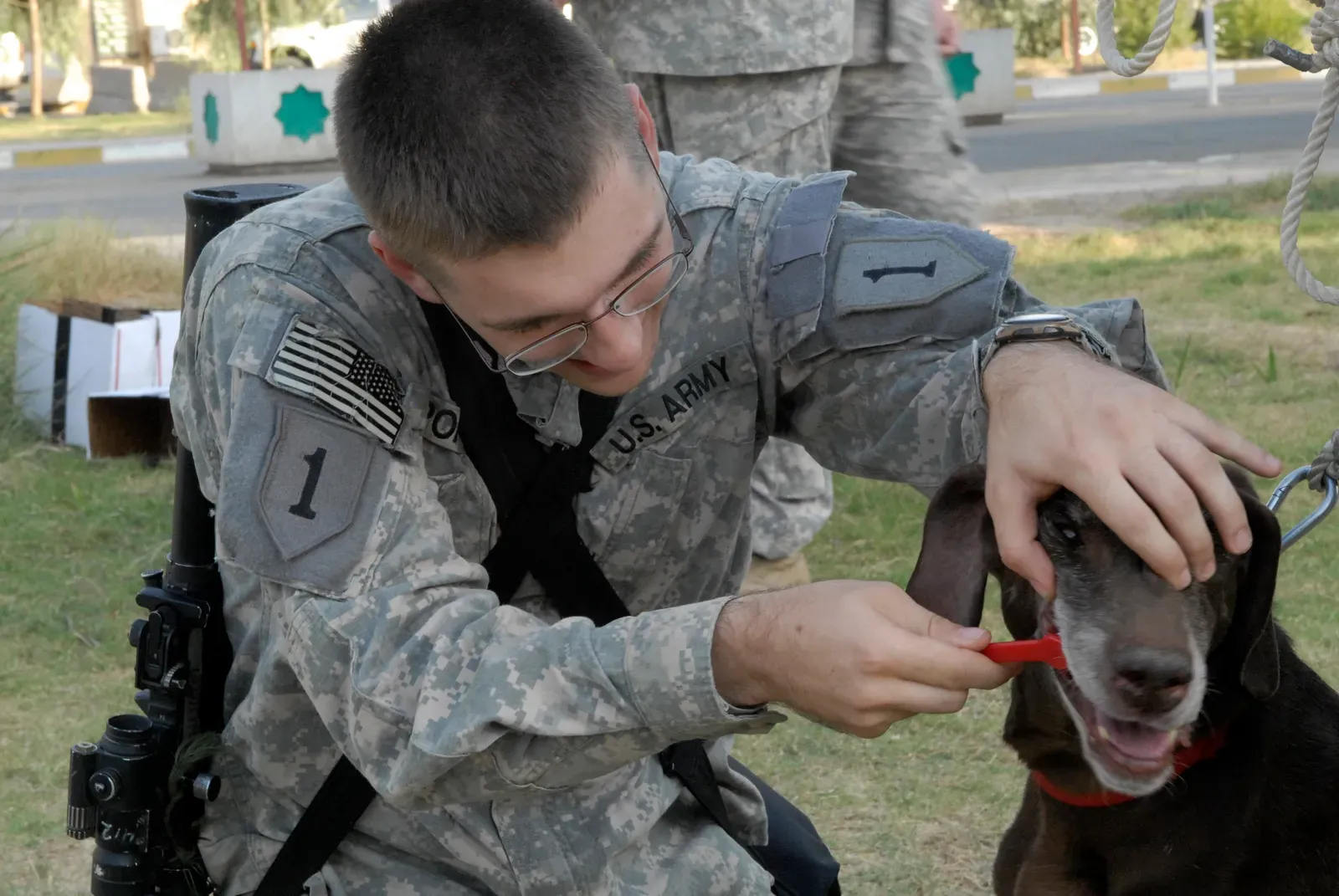
Here’s where I tell you what you probably already suspected. Regularly brushing your pet’s teeth is the single most effective thing you can do to keep their teeth healthy between dental cleanings, and may reduce the frequency or even eliminate the need for periodic dental cleaning by your veterinarian. Nothing fancy, no expensive miracle product, just good old-fashioned brushing.
I know it sounds tedious. Daily brushing is ideal, but even several times a week makes a real difference. You’ll need a soft-bristled brush sized appropriately for your dog and a dog-safe toothpaste in a flavor they’ll tolerate. Plaque forms in as little as six hours after your dog’s dental cleaning, which is why consistency matters so much.
Professional dental cleanings under anesthesia are the other non-negotiable piece of the puzzle. Professional cleanings are essential, as at-home care can’t fully remove tartar, especially below the gumline. How often depends on your dog’s breed, age, and individual needs, but plan on discussing it with your vet at annual checkups. Yes, it costs money and yes, anesthesia carries some risk, but periodontal disease carries far greater risks to your dog’s heart, kidneys, and overall quality of life.
Conclusion
The dental care industry for pets is full of shortcuts that promise results without the work. Some are mildly helpful at best, while others are genuinely harmful or a complete waste of your hard-earned money. I wish there was a magic solution that let us skip the brushing and the professional cleanings, but there isn’t.
Your dog is counting on you to see through the marketing hype and do what actually protects their health. That means brushing regularly with proper supplies, scheduling professional cleanings when needed, and being skeptical of products that sound too good to be true. It’s not glamorous, but it works. What steps are you going to take this week to start protecting your dog’s dental health?