

Picture this: you’ve just returned home after a long day. You took your dog on a 45-minute walk this morning, filled their bowl, and gave them a cozy spot on the sofa. You’re doing everything right, aren’t you? Well, maybe not quite everything.
There’s a quiet kind of suffering that many dogs go through – not from hunger or pain, but from sheer mental emptiness. Dogs are intelligent creatures with an innate need for mental stimulation. When their minds are not adequately engaged, they can become bored, restless, or even exhibit unwanted behaviors. It’s a little like being stuck in a waiting room with nothing to read, all day, every day.
The good news? You don’t need fancy equipment or hours of free time to transform your dog’s daily experience. Small changes can make a world of difference. Let’s dive in.
Why Your Dog’s Brain Needs a Workout Too
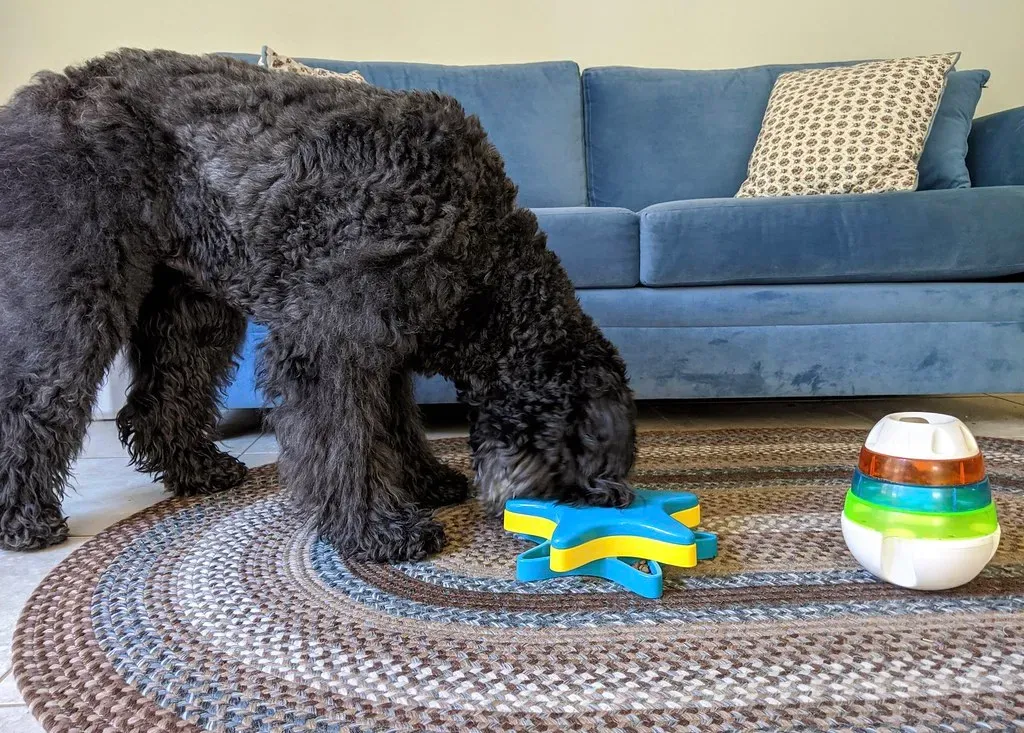
Here’s the thing most dog parents don’t realize – physical exercise and mental stimulation are not the same thing, not even close. Dogs are incredibly smart animals, so mental stimulation is just as important for them as physical exercise. Mental exercises can actually make dogs even more tired than physical exercise.
Think about it like this: running on a treadmill tires your body, but solving a complex puzzle tires your whole self. Just like your muscles will become weak and atrophy without enough physical exercise, the brain needs to be exercised regularly to improve cognitive health and avoid premature aging.
If the brain is stimulated with new tasks, challenges, and experiences regularly, it will increase the ability to both learn and retain new information. Dogs that are not mentally stimulated throughout their lives are more likely to experience cognitive dysfunction as they age. That’s not a small thing. That’s a big deal for any dog you love.
The Hidden Signs Your Dog Is Bored (and Crying Out for More)

Your dog can’t exactly send you a text saying “I need more enrichment in my life.” So they speak in the only language they know. Consistent periods of prolonged boredom can be frustrating for dogs, often leading to the dog trying to come up with her own entertainment to feel better. This often results in undesirable behaviors such as constant barking, nipping at human and dog family members for attention, or chewing on the furniture.
Honestly, many owners mistake these behaviors for disobedience or a “bad dog” problem when it’s really a boredom problem. A lack of mental stimulation can also contribute to a dog becoming disengaged and depressed, which can be harder to identify. Depression in dogs is real, and it can be heartbreaking to witness once you know what to look for.
Dogs communicate through body language and vocalizations. Observing your dog’s movements, such as wagging tails or perked ears, can offer clues about their mental state. For instance, a wagging tail often indicates happiness, while a tucked tail might suggest fear or anxiety. Noting these cues can help you tailor activities to suit your dog’s mood and energy level.
The Magic of Sniff Walks and Sensory Exploration

Let’s talk about walks, because most of us are doing them wrong. We march our dogs along at our pace, tugging them away from every interesting smell, and call it exercise. Honestly, that’s more of a workout for us than for them.
Sniffing has been shown to not only decrease a dog’s heart rate, decreasing their stress, but it also releases dopamine, the “happy” brain chemical. These walks are less about the distance or time and more about quality, allowing them to take their time and explore the area they’re in.
Scent-based enrichment items can stimulate environmental exploration, reduce stress and anxiety, and promote relaxation. Specifically, scent-based enrichment items such as scent trails and food or odor-filled objects encourage dogs to engage with their environment in a more dynamic and cognitively stimulating way, mimicking the foraging and investigatory behaviors seen in wild canids. Even letting your dog lead the walk for ten minutes costs you nothing, yet means everything to them.
Puzzle Toys, Enrichment Feeding, and Brain Games at Home

You don’t need a backyard or even a park to keep your dog mentally sharp. Some of the most powerful enrichment happens right inside your own home. Food puzzles and slow feeders make mealtime a mentally stimulating activity. Use toys that dispense food or create DIY food puzzles by hiding kibble. This engages their problem-solving skills and makes eating more fun. Incorporating food-based enrichment can also help slow down fast eaters and promote healthier eating habits.
It has been suggested that some level of cognitive challenge and problem solving to access food can have a positive effect on mood. So your dog genuinely feels happier when they have to “work” a little for their meal. It’s not mean, it’s deeply natural.
One of the easiest and most effective ways to stimulate your dog’s mind is through interactive toys and puzzles. These toys challenge your dog to think, solve problems, and work for treats. For example, puzzle feeders are excellent for slowing down fast eaters while providing mental exercise. Toys like treat-dispensing balls or snuffle mats engage your dog’s natural instincts to forage and hunt.
Training Is Not Just About Obedience – It’s Brain Food
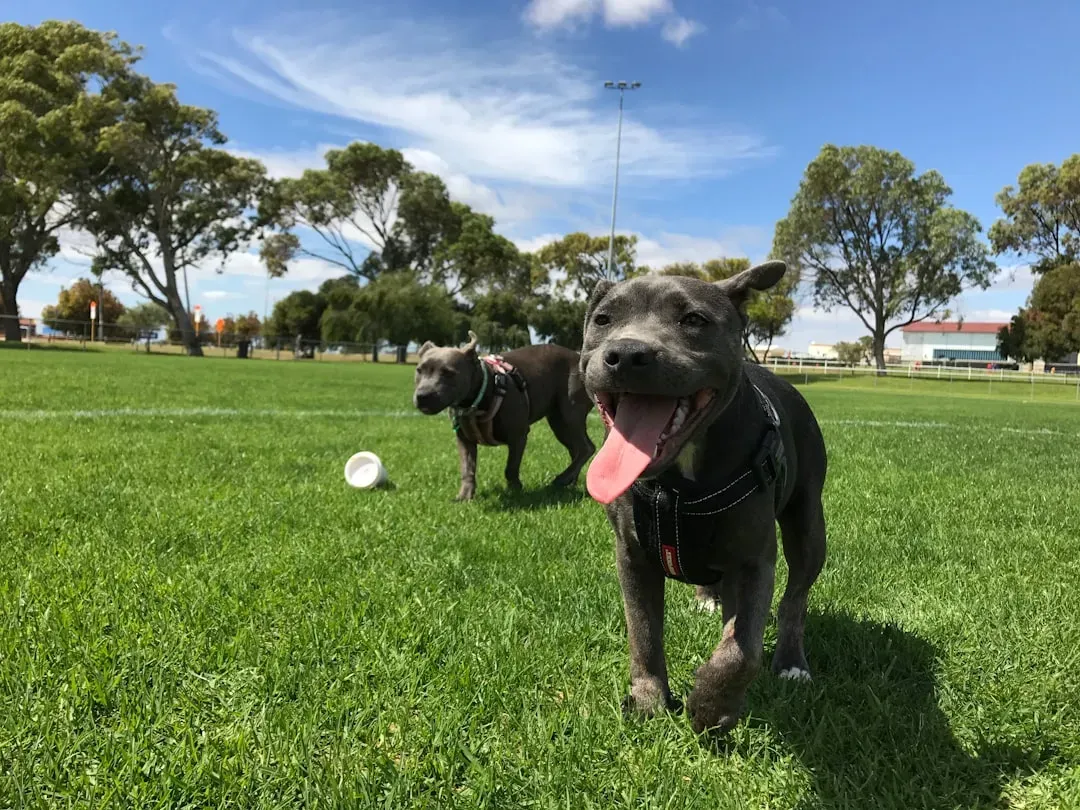
Training often gets a bad reputation – people picture it as stressful drills or repetitive commands. Let’s reframe that completely. Training is one of the most joyful forms of mental enrichment you can offer your dog.
Training isn’t just about teaching your dog obedience commands; it’s also a great way to stimulate their mind. Regular training sessions can keep your dog’s brain active and reinforce good behavior. Whether you’re teaching basic commands or advanced tricks, the process of learning and practicing new skills can be incredibly rewarding for your dog. Plus, training sessions are a fantastic opportunity to strengthen your bond and communication with your pet.
Contemporary research consistently demonstrates why reward-based training outperforms punitive methods in fostering trust and long-term behavioral change. Positive reinforcement involves marking and rewarding desired actions with treats, praise, toys, or play, helping dogs associate learning with pleasure rather than fear. This approach minimizes stress indicators such as tucked tails, avoidance, or submissive postures and promotes faster learning, stronger owner bonds, and greater willingness to engage in new tasks.
The Long Game: Mental Stimulation for Senior Dogs
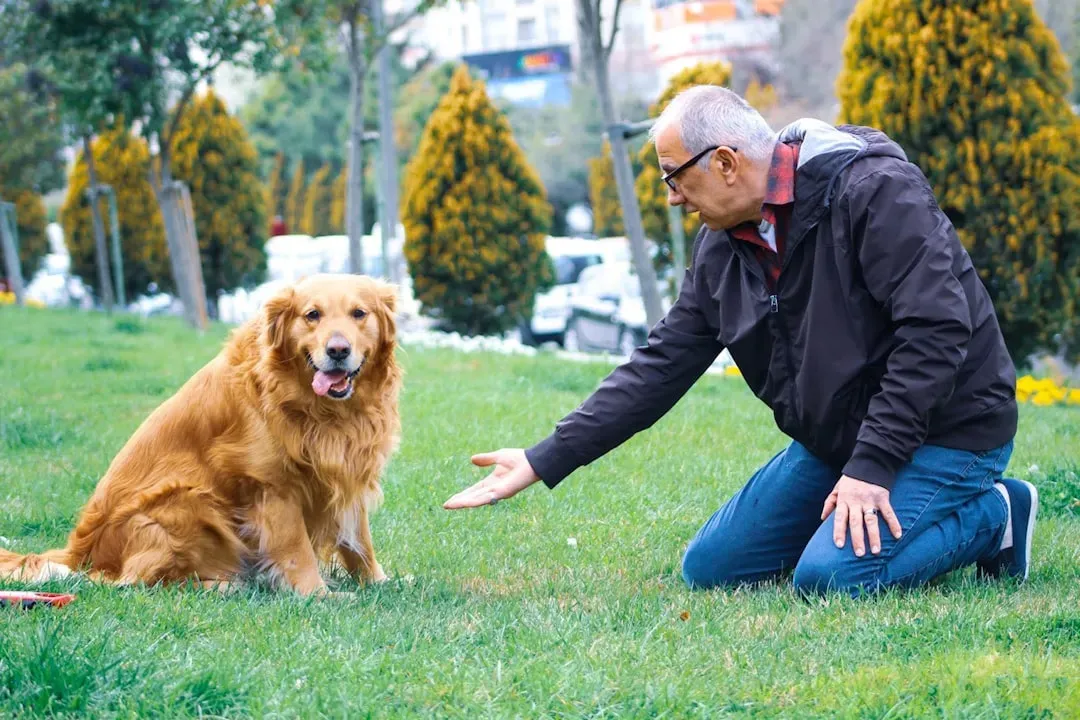
If you have an older dog, you might be tempted to let them slow down completely. I get it – it feels kind to give them a quiet, easy life. But here’s something important to consider.
For older dogs, mental stimulation becomes even more important because it prevents cognitive decline. You can lessen the impact of aging on their cognitive abilities by providing them with stimulating and varied mental activities. Including a range of cognitively engaging exercises in your dog’s routine is essential for maintaining a happy and healthy life, especially as they get older.
Behavioral enrichment has been suggested to decrease age-related changes in the brains of ageing dogs and increase the release of brain-derived neurotrophic factor, which improves learning and memory capacity. That’s remarkable science telling us something simple: keep playing with your senior dog. Keep engaging them. The options may also change as your pup ages. For instance, a senior dog may be better suited to a gentler version of a brain game than a rigorous hike at a park.
Conclusion: A Happier Dog Is Just One Engaged Mind Away

Here’s what it all comes down to. Your dog loves you unconditionally, shows up for you every single day, and asks for very little in return. One of the greatest gifts you can give them is a life that actually engages who they are – curious, intelligent, social, and wonderfully alive.
Enrichment activities tap into a dog’s natural instincts, such as foraging, exploring, and problem-solving, which can lead to reduced stress, decreased behavioral issues, and a happier, healthier pet. It doesn’t have to be perfect or expensive. Start small by introducing a few puzzle toys or interactive games into your routine. Gradually increase the complexity and variety as your dog becomes more comfortable and confident.
The chewed-up sofa, the relentless barking, the restless pacing – these aren’t personality flaws. They’re invitations. Your dog is asking you to meet their mind, not just their body. So the next time you reach for the leash, ask yourself: am I just walking my dog, or am I truly engaging them?
What small enrichment change will you try first with your dog? Share it in the comments – your idea might just change another dog’s life too.


