
Shocking Scenes Emerge from Mandera County (Image Credits: Imgs.mongabay.com)
Northeast Kenya – Prolonged drought conditions pushed over two million residents toward hunger, with emaciated livestock collapsing across arid landscapes near the Somali border.[1][2]
Shocking Scenes Emerge from Mandera County
Recent reports captured herders dragging dead animals to remote fields for burning, a desperate measure to ward off scavenging hyenas and the stench of decay.[3] In Mandera County, no rain fell since May, drying up vital water holes that once held 60,000 cubic meters.[3] Officials classified the area at “alarm” level, signaling critical shortages that claimed livestock lives and sparked child malnutrition cases.
Herds trekked up to 30 kilometers for rationed water, supplies expected to vanish within weeks.[3] Bishar Maalim Mohammed, a 60-year-old resident of Tawakal village, lost all his cows and goats. “I have lost all my cows and goats, and burned them here,” he said.[3] Hospital records in Banissa showed eight children treated for severe malnutrition, including a 32-month-old weighing just 4.5 kilograms.
Herders Bear Heavy Losses Across Regions
Cattle-keeping communities suffered most, as animals perished first in the face of failed rainy seasons.[1] Kenya’s National Drought Management Authority noted conditions in 10 counties, extending beyond traditional arid zones like Kajiado near Tanzania.[4] Maasai herder Maria Katanga lost over 100 cattle and 300 goats since August, with survivors too weak for milk production.
Distress sales plummeted livestock values; cows once fetching 60,000-70,000 Kenyan shillings now sold for 5,000.[4] In Turkana County, pastoralists dug wells in dried pans to sustain remaining goats and camels.[5]
- Mandera: Livestock deaths and child wasting at alarm stage.
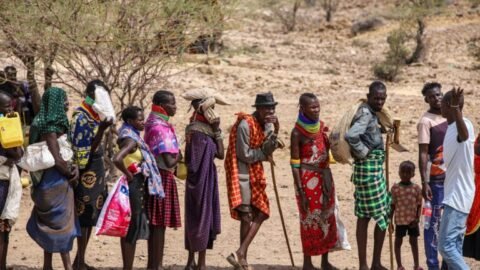
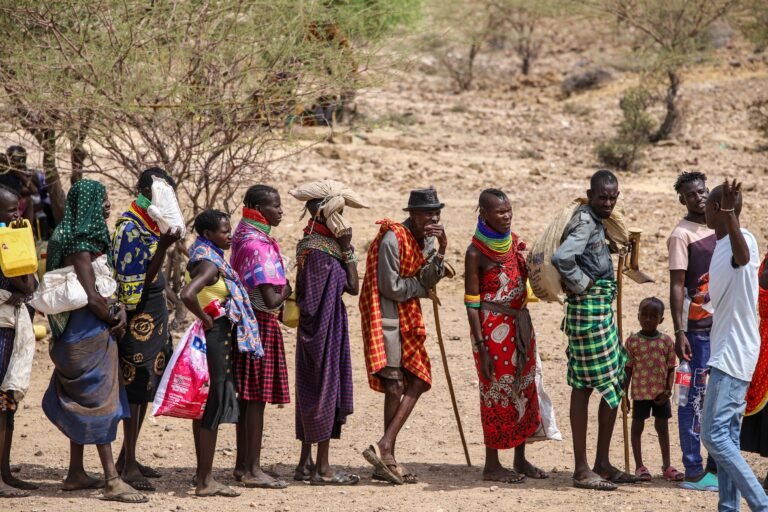
- Turkana: Families queue for World Vision aid amid water treks.
- Kajiado: Herders migrate toward Tanzania for pasture.
- Banissa: Carrion birds circle bones of fallen animals.
Climate Patterns Fuel Regional Emergency
Four consecutive failed wet seasons gripped the Horn of Africa, with October-December rains marking eastern Kenya’s driest since 1981.[1] The United Nations and World Health Organization linked shorter rains to climate change, warming the Indian Ocean and intensifying extremes.
Suffering spilled into Somalia, where over three million fled to displacement camps; 70% in Baidoa survived on one meal daily, children showing wasting signs.[1] Tanzania and Uganda faced similar threats. Past crises from 2020-2023 killed millions of animals region-wide, averted only by aid surges.
Responses Strain Under Pressure
Kenya distributed cash to 130,000 northern households, though aid skipped emerging hotspots like Kajiado.[4] Hospitals rationed therapeutic milk, with Banissa’s pediatric unit down to eight tins after six months without resupply.[3] Experts warned of rising conflict over resources as pastoralists migrated farther.
Local administrator Lemaiyan Samuel Kureko described it as the worst drought yet. “No people have died yet, but the livestock are gone and the sun is getting hotter every day,” he noted.[4] Nutritionist Khalid Ahmed Wethow highlighted lost milk sources: “Children are not getting an adequate diet because of this drought.”
Key Takeaways
This unfolding crisis underscores Africa’s vulnerability despite minimal global emissions contributions. Urgent aid and resilient strategies offer hope, yet forecasts predict scant March-May rains. What steps should the international community take next? Share your thoughts in the comments.


