Ever tried to enjoy a beautiful hike with your pup, only to come home with a sore back and an even grumpier friend? Trust me, you’re not alone. As a fellow dog lover who’s spent more time than I’d like to admit nursing aches after “easy” adventures, I get it. But here’s the good news: you don’t have to choose between your health and your dog’s happiness. There are simple, gentle trails that both you and your four-legged sidekick can love—without any pain or pricey chiropractor visits.
Choosing the Right Trail for You and Your Dog

Not all trails are created equal, and what’s “easy” for one person (or pup) might be a challenge for another. Look for flat, well-marked paths with minimal elevation gain—think wide dirt or gravel trails through parks or gentle woodland loops. These routes are much easier on joints for both humans and canines.
Check park websites or trail apps for difficulty ratings and recent reviews. If you see words like “family-friendly,” “accessible,” or “nature walk,” you’re likely in the right territory. Trust your gut—if a trail looks intimidating, skip it for another day.
Understanding Your Dog’s Energy and Limits

Every dog is unique, from the turbo-charged terrier to the slow-and-steady senior. Pay close attention to your dog’s body language on walks: lagging behind, heavy panting, or constant stopping are signs they might be ready for a break. It’s better to start with shorter, easier hikes and gradually build up.
Young pups and older dogs especially need gentle trails. I’ve found that my own aging retriever lights up on soft, even paths—her tail wags the whole way, and I don’t have to worry about pushing her too hard. Your dog’s comfort is your best trail guide.
Making Walks Fun and Engaging Without Overdoing It
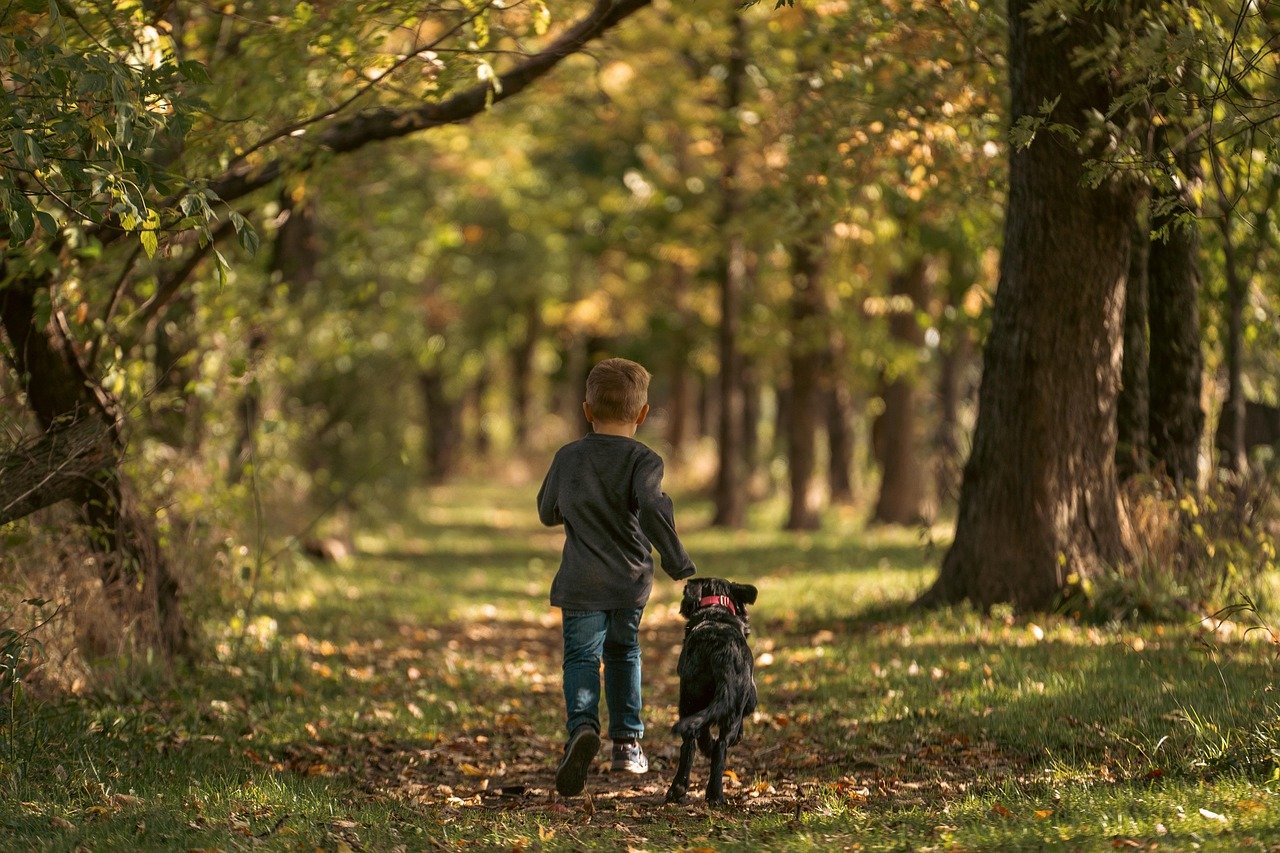
Easy trails don’t have to mean boring. Bring a favorite toy or a few treats in your pocket, and try some “sniff stops” along the way. Dogs love to explore new scents, and letting them lead the way for a bit turns a basic walk into a mini-adventure.
Mix up your pace, take breaks on benches, and let your dog splash in a puddle or stream if the trail allows. These small moments keep things exciting without wearing you out—plus, you’ll both come home with happy memories, not sore muscles.
Recognizing Signs of Overexertion in Dogs

Dogs are amazing at pushing themselves, sometimes a little too far. Watch for drooping ears, excessive panting, or your pup lying down and refusing to move. These are all signs your friend needs a rest—or that the trail is a bit too much for today.
Always carry water for both you and your dog, especially on warm days. If your dog is limping or licking their paws obsessively after a walk, check for cuts, thorns, or signs of strain. When in doubt, take it easy and head home early.
How to Prevent Back Pain on the Trail

Good posture is your best friend on any hike. Try to walk upright, avoid hunching over the leash, and use a comfortable harness for your dog instead of a collar—this helps control pulling without straining your back or their neck. I personally switched to a waist leash, and it’s been a game-changer for comfort.
Don’t underestimate the power of a gentle warm-up. Stretch your legs and shoulders before you set off. And remember, short and frequent walks are often better than one long, exhausting trek.
Packing Smart for a Comfortable Hike
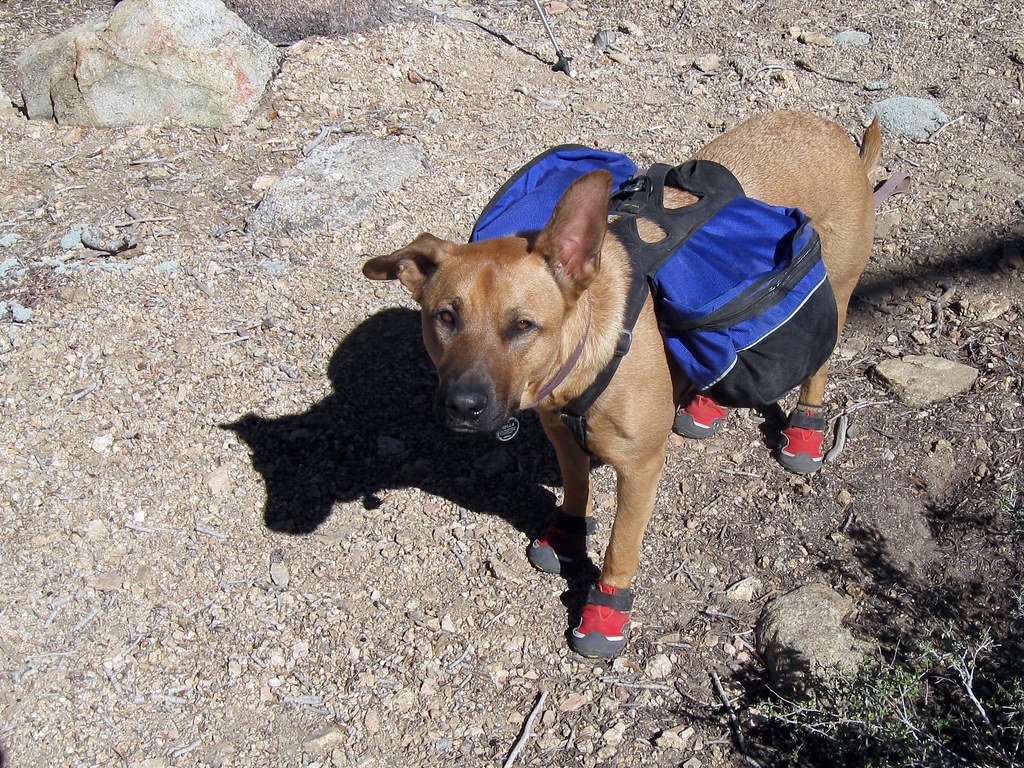
Leave the heavy backpacks and hiking gear at home for these easy trails. All you really need is a small bag with water, a collapsible bowl, poop bags, and maybe a lightweight towel for muddy paws. Keep everything light so you’re not weighed down.
If your dog is small or has mobility issues, consider bringing a soft sling carrier for them to rest in if needed. It’s like a piggyback ride, but for dogs—and your back will thank you.
Finding and Exploring Local Gems

You don’t have to drive for hours to find a great trail. Check out city parks, riverside paths, or accessible nature reserves near you. Many communities even have “dog-friendly” walks mapped out online or posted at park entrances.
Ask around—fellow dog lovers at the dog park often know the best spots for easy, scenic strolls. Trying new local trails keeps things fresh, and you might discover a hidden favorite right in your backyard.
Staying Motivated and Celebrating Small Wins
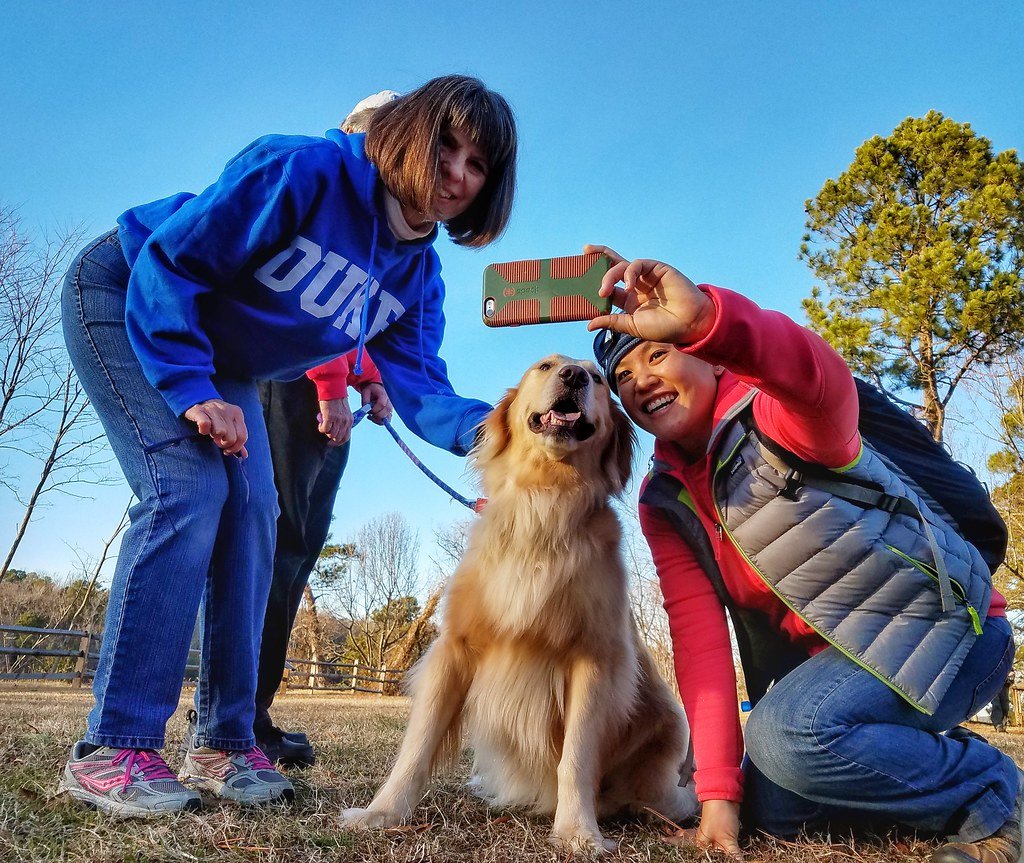
It’s easy to feel guilty if you can’t tackle that steep mountain trail, but remember: every walk you take together builds health, happiness, and trust. Celebrate the simple joys—your dog’s wagging tail, the fresh air, the little moments of connection.
If you ever feel down about “just” walking the easy path, remember that what matters most is the time you share. Your dog doesn’t care about the mileage—they care about being by your side. That’s what makes every hike, no matter how simple, truly special.