
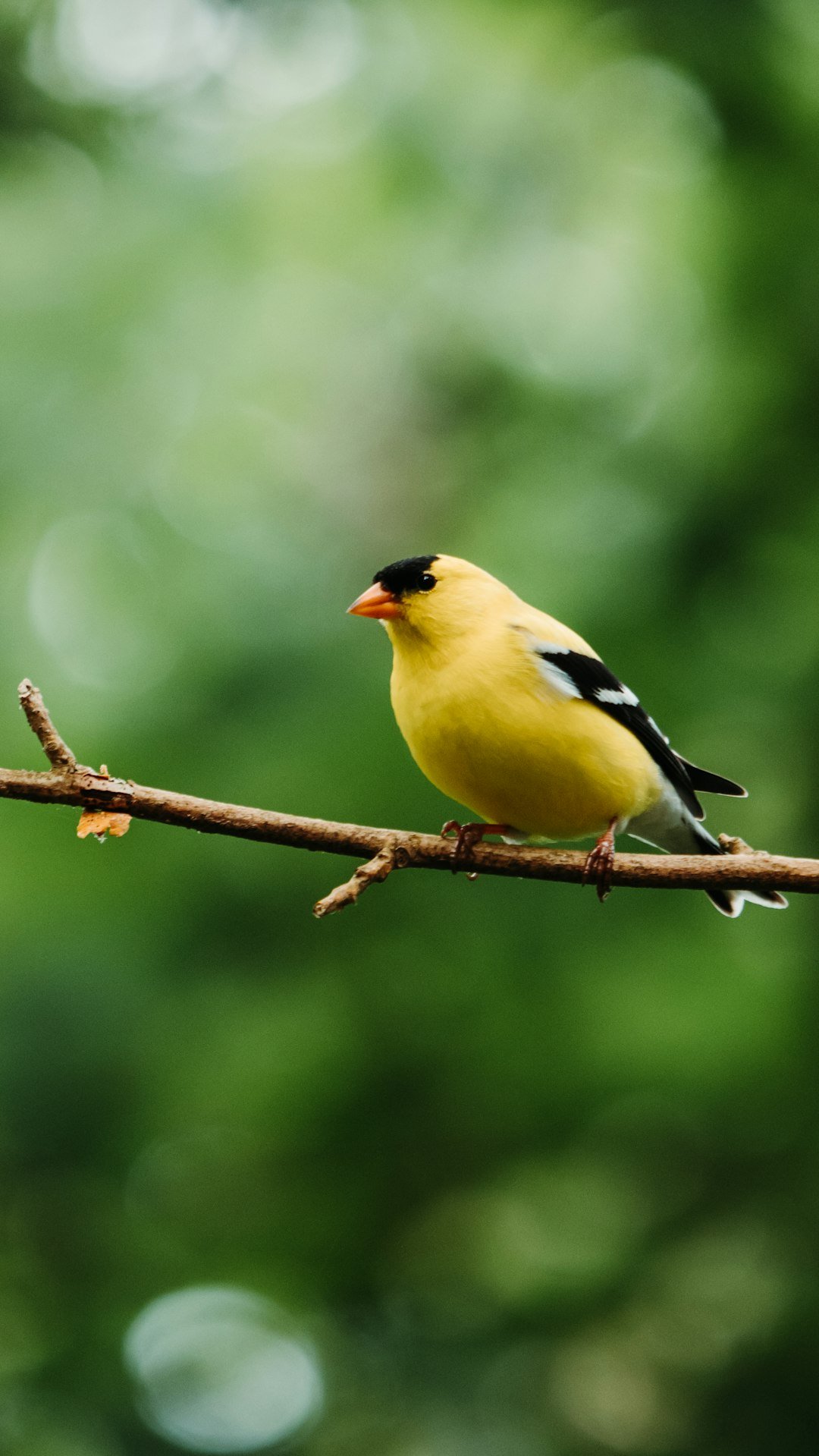
Crowded Feeders Fuel Rapid Disease Spread (Image Credits: Unsplash)
Songbirds converging on urban feeders amid food scarcity have turned backyard havens into potential breeding grounds for disease.
Crowded Feeders Fuel Rapid Disease Spread
Millions of songbirds typically scour forests for sustenance, yet shortages in pine cones propel them into cities each winter. These influxes create massive flocks at feeders, where Salmonella bacteria thrive and transmit swiftly among birds. The pathogen poses risks not only to avian populations but also to humans, pets, and poultry through contaminated sites.[1][2]
Researchers noted that outbreaks often escaped early detection, allowing devastation to unfold unchecked. Past incidents revealed how quickly infections escalated in dense gatherings. Wildlife experts now stress proactive measures over reactive responses.
Climate and Food Scarcity Drive Urban Invasions
Pine cone production fluctuates with weather patterns, leaving birds with scant natural options. Irregular migrations follow, funneling species like pine siskins and crossbills toward residential areas. Feeders then sustain these visitors, amplifying contact and pathogen exchange.
Urban environments exacerbate the issue, as concentrated resources draw unprecedented numbers. Scientists tracked these movements to uncover predictable triggers for flock surges. Such insights form the backbone of emerging conservation strategies.
Breakthrough Model Predicts Outbreak Risks
A team at the University of California, Los Angeles developed a forecasting tool that anticipates Salmonella surges by analyzing multiple factors. Climate data, pine cone yields, bird mobility trends, and historical outbreaks feed into the model for precise warnings. This approach enables timely interventions before crises peak.[1]
“We don’t want people to stop feeding birds, so we’re trying to develop a tool that will predict when there will be millions of extra birds flooding urban bird feeders so people can temporarily take them down,” said Morgan Tingley, lead author and professor of ecology and evolutionary biology at UCLA.[2] More details appear in the UCLA Newsroom release.
Simple Steps Birders Can Take Today
Backyard enthusiasts hold the front line in flock protection by heeding model alerts. Temporarily withdrawing feeders during high-risk periods disrupts pathogen cycles without halting support entirely. Enthusiasts reported success with such pauses in prior seasons.
- Track pine cone reports and weather forecasts as early indicators.
- Clean feeders rigorously between uses to minimize residue buildup.
- Observe flock behaviors for signs of distress, like lethargy or feather puffing.
- Report unusual mortality events to local wildlife agencies promptly.
- Spread awareness among neighbors to coordinate neighborhood efforts.
Key Takeaways
- Crowded feeders accelerate Salmonella amid pine shortages.
- UCLA’s model forecasts risks using climate and bird data.
- Temporary feeder removal protects flocks effectively.
This predictive innovation transforms passive bird feeding into active conservation, preserving neighborhood biodiversity for generations. Local actions today yield healthier skies tomorrow. What measures have you implemented in your yard? Share in the comments.


