

Have you ever locked eyes with a Golden Retriever and felt your heart melt? These iconic dogs, with their gleaming coats and loving eyes, are more than just pets—they become family. But caring for a Golden Retriever isn’t just about hugs and games of fetch. Behind every wagging tail lies a world of needs, quirks, and joys that change as your dog grows. Whether you’re snuggling a wiggly puppy, sharing adventures with an energetic adult, or comforting a wise old friend, knowing how to care for your Golden Retriever at every stage is the secret to a lifetime of happiness together. Let’s dive into the most essential tips every Golden Retriever owner should know—because your best friend deserves the best care.
Understanding Your Golden Retriever’s Personality

Golden Retrievers are beloved for their friendly personalities, intelligence, and unwavering loyalty — but raising a happy, healthy Golden takes more than love alone. From bouncy puppies to graceful seniors, each stage of a Golden’s life comes with unique needs and challenges. Whether you’re a first-time owner or a seasoned dog parent, understanding how to care for your Golden at every age is key to supporting their well-being and strengthening your bond.
Golden Retrievers are famous for their friendly, gentle, and loyal nature. These dogs thrive on human companionship and are often happiest when included in family activities. Their intelligence makes them quick learners, but also means they can get bored if left alone too long. Golden Retrievers love to please, so they respond well to positive reinforcement and gentle guidance. It’s important to remember that, while they may seem calm, they are energetic dogs who need plenty of play and exercise to stay happy. Their social personalities mean that isolation can make them anxious or destructive. When you truly understand your Golden’s unique temperament, you’ll find it much easier to meet their emotional and behavioral needs at every age.
Puppyhood: Setting the Foundation for a Healthy Life

Caring for a Golden Retriever puppy is much like caring for a toddler—full of energy, curiosity, and the occasional mischief. These early months are a crucial time for socialization, so introduce your puppy to a variety of people, places, and other animals in a gentle, controlled way. Start basic training as soon as possible; Golden puppies are eager to learn and soak up new experiences. Nutrition is key during this stage, so choose high-quality puppy food that supports growth and development. Be patient with house training and remember that consistency is more effective than punishment. Gentle play, early vet visits, and safe chew toys will help your puppy grow into a confident, well-adjusted adult. Most importantly, shower them with love and set clear boundaries—they’ll thank you for it later.
Nutrition for Every Stage of Life
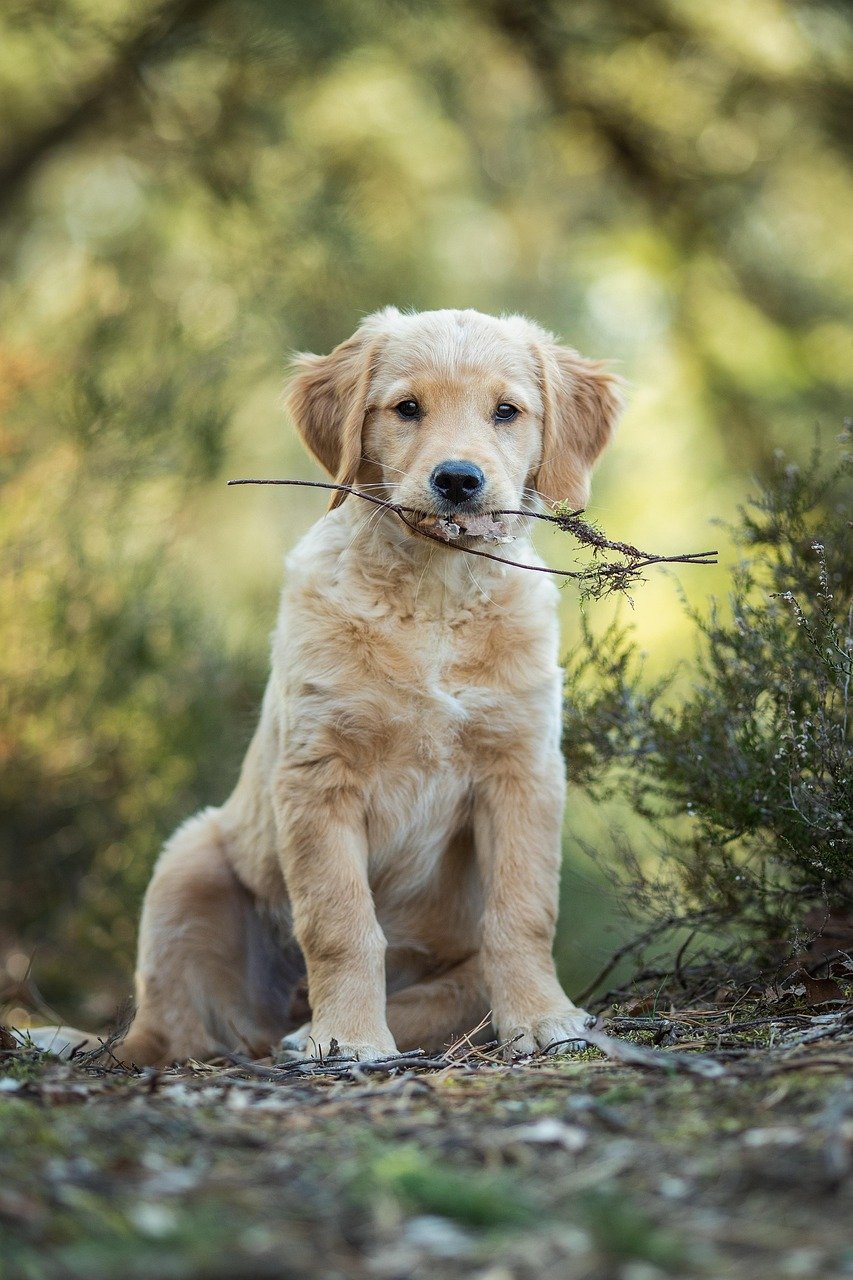
Golden Retrievers have special nutritional needs that change as they grow. As puppies, they require food rich in protein and healthy fats to support rapid growth. When they reach adulthood, switch to a balanced adult dog food to maintain a healthy weight and shiny coat. Golden Retrievers are prone to obesity, so watch portion sizes and avoid too many treats, no matter how persuasive those puppy eyes can be. Senior Goldens need diets with fewer calories but more joint-supporting nutrients, like glucosamine and omega-3 fatty acids. Always provide fresh water and avoid foods that can be toxic to dogs, such as chocolate, onions, and grapes. Regularly review their diet with your vet to make adjustments as your dog’s needs change over the years.
Exercise: Keeping Your Golden Happy and Healthy

A bored Golden Retriever is a recipe for chewed shoes and dug-up gardens. These playful dogs have boundless energy, especially during their younger years. Make daily walks a non-negotiable routine, aiming for at least an hour of activity each day. Games like fetch, swimming, and hiking are perfect for Goldens, who love to use their brains and bodies. As your dog ages, adjust activities to match their mobility—gentle walks and light play are ideal for seniors. Exercise also supports their mental health and helps prevent obesity, which is a common problem in this breed. If you’re short on time, puzzle toys and short training sessions can help burn off excess energy. Keeping your Golden Retriever active is one of the best ways to ensure a long, joyful life.
Grooming and Coat Care

That beautiful, flowing coat is a Golden Retriever’s signature—but it requires regular attention. Goldens shed year-round, with heavier shedding in spring and fall. Brush your dog at least three times a week to remove loose hair and prevent matting. During shedding season, daily brushing makes a huge difference and keeps your home cleaner. Bathing should be done every month or as needed, using gentle dog shampoos that don’t strip natural oils. Pay special attention to their ears, which are prone to infections—clean them regularly and keep them dry. Trim nails once a month and check for any signs of irritation between their toes. Regular grooming isn’t just about looks; it’s also an opportunity to bond and spot any health issues early.
Training Techniques That Work
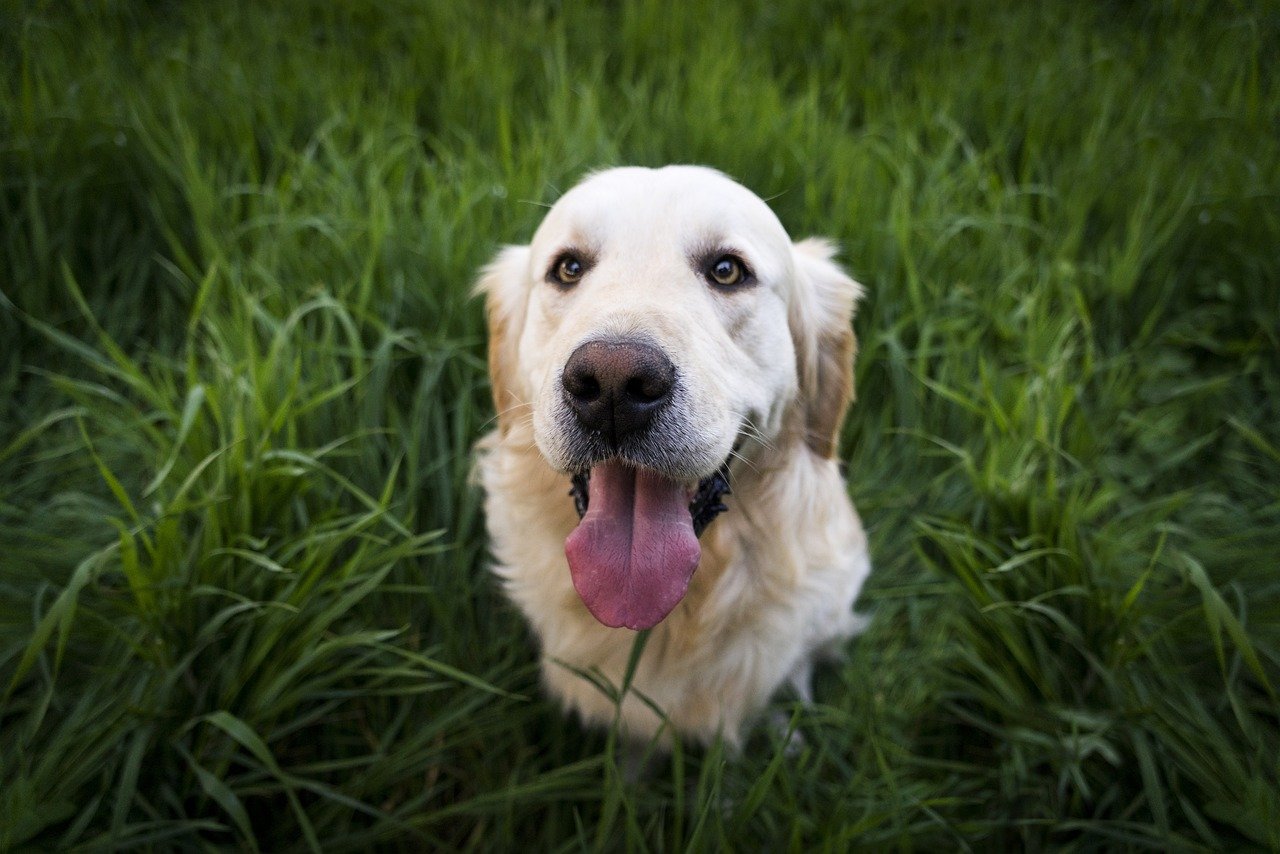
Golden Retrievers are smart and eager to please, which makes training both fun and rewarding. Use positive reinforcement techniques—treats, praise, and play work wonders with this breed. Start with basic commands like sit, stay, and come, and gradually introduce more complex tasks. Early socialization helps prevent behavioral problems later in life. Consistency is key; everyone in the family should use the same cues and standards. Avoid harsh corrections, as Goldens can be sensitive and may lose confidence if training becomes too negative. Training sessions should be short and upbeat, especially for puppies with short attention spans. As your dog matures, keep their mind sharp with new tricks or dog sports—they’ll love the mental challenge and the chance to make you proud.
Health Checks and Preventive Care
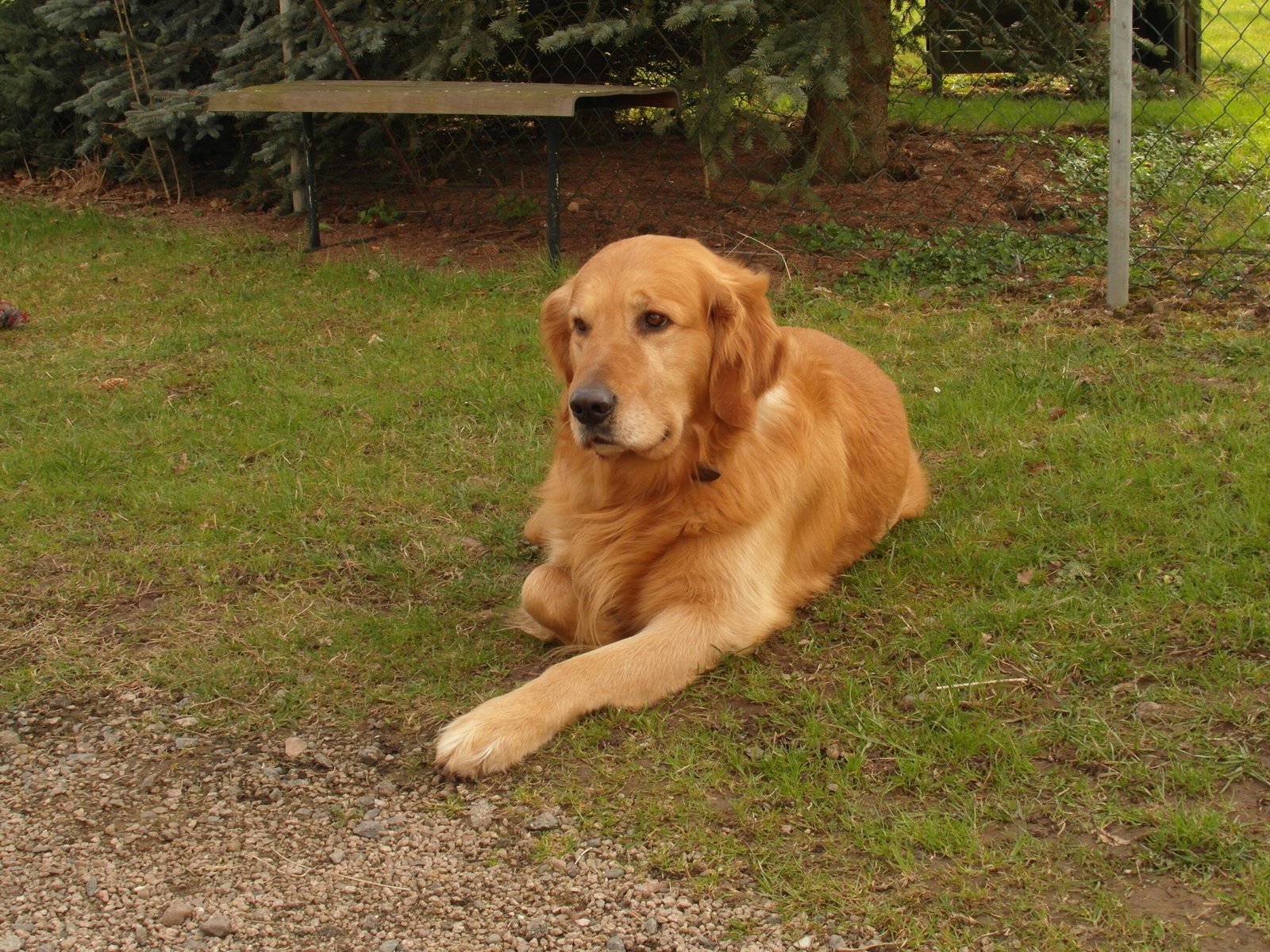
Routine health care is vital for Golden Retrievers at every age. Schedule regular vet visits for vaccinations, parasite control, and dental check-ups. Goldens are prone to certain genetic conditions, such as hip dysplasia and heart issues, so early screening is important. Watch for signs of allergies, ear infections, or skin irritations—common problems in this breed. Keep up with flea, tick, and heartworm prevention throughout the year. Dental care is often overlooked but can prevent painful and costly problems later on; brush your dog’s teeth regularly or provide dental chews. Stay alert to changes in appetite, energy, or behavior, as these can signal health concerns. Being proactive with your Golden’s health will help them enjoy more tail-wagging years by your side.
Socialization: Building Confidence and Friendliness

Golden Retrievers are naturally social, but early and ongoing socialization ensures they remain confident and friendly in all situations. Expose your puppy to a variety of experiences—different people, other dogs, children, and new environments—starting at a young age. Puppy classes are a great way to teach good manners and build confidence. Even adult Goldens benefit from meeting new friends and exploring new places. Watch for signs of fear or anxiety and gently encourage positive interactions, never forcing your dog into uncomfortable situations. Reward calm, friendly behavior and give plenty of praise. Well-socialized Goldens make wonderful companions, whether at home, the park, or even therapy settings. A confident Golden Retriever is a joy to everyone they meet.
Senior Care: Comfort for Your Aging Golden

As Golden Retrievers grow older, their needs change just like ours do. Senior Goldens may slow down, but they still crave love and companionship. Provide softer bedding to cushion sore joints and keep them warm during colder months. Adjust their diet to include joint-supporting supplements and fewer calories, since aging dogs are less active. Gentle exercise, like short walks and easy play, helps keep them mobile without overexertion. Regular vet checkups become even more important to monitor for age-related issues like arthritis, vision loss, or cancer. Be patient with changes in behavior or accidents—they’re often signs of aging, not misbehavior. Most of all, continue to shower your senior Golden with affection; your love is the greatest comfort they can have.
Creating a Safe and Enriching Home Environment
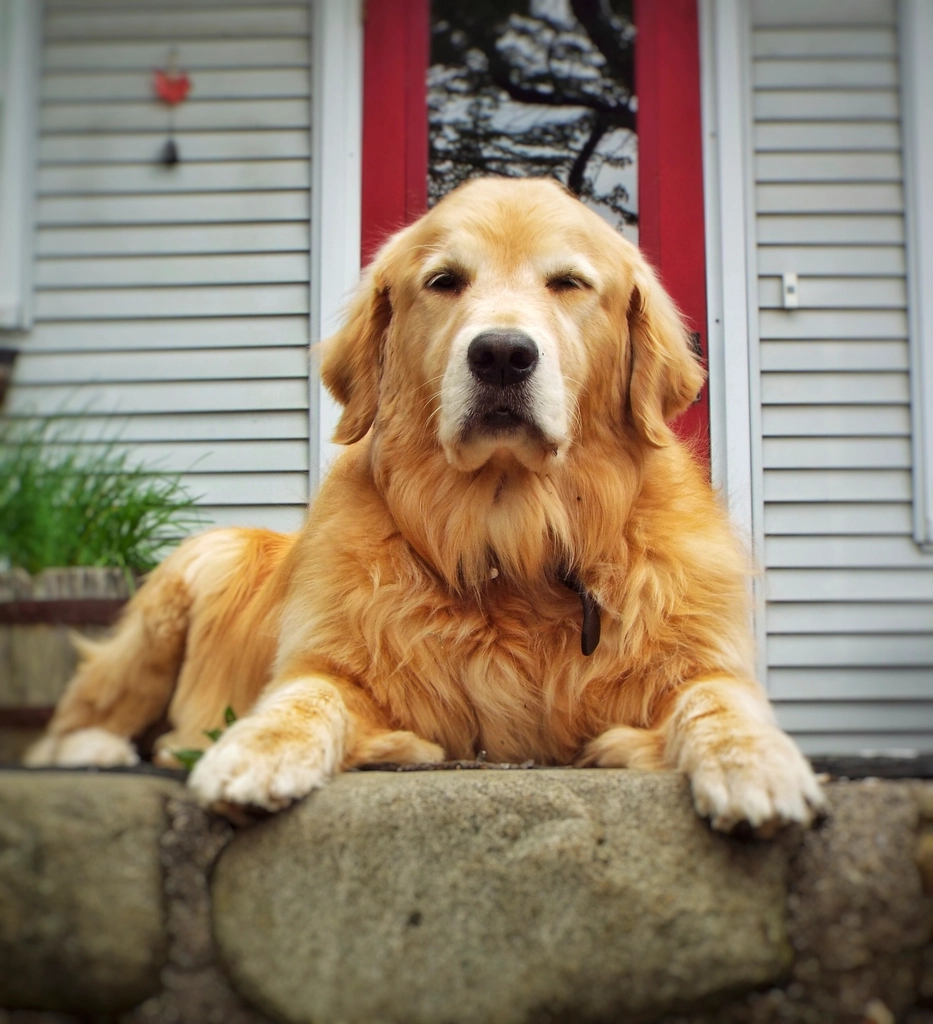
Golden Retrievers are happiest when they feel safe and included in family life. Puppy-proof your home by removing dangerous items and securing loose wires. Provide a cozy bed in a quiet spot where your dog can rest undisturbed. Offer a variety of toys to keep them entertained and mentally engaged—chew toys, puzzle feeders, and soft plushies are favorites. Fenced yards are ideal for safe playtime, but always supervise your Golden, as they’re known for their curiosity. Keep toxic plants, foods, and chemicals out of reach. Make sure your dog has a collar with up-to-date ID tags and consider microchipping for extra security. An enriching home isn’t just about safety; it’s about creating a space where your Golden feels loved, secure, and part of the family.
Caring for a Golden Retriever is a lifelong commitment filled with joy, companionship, and a few muddy paw prints along the way. By understanding and meeting their evolving needs — from playful puppyhood to their wise senior years — you’ll help your Golden stay healthy, happy, and deeply connected to you every step of the way. With the right care, attention, and love, your Golden Retriever won’t just be a pet — they’ll be a cherished part of the family for years to come.


