

You’ve noticed it, haven’t you? The way your dog’s eyes light up when a specific person walks through the door. The way they settle closer to one family member over another. The tiny choices they make every single day that tell you exactly where their heart lies.
Here’s the thing. Every dog picks a favorite human. It’s not personal, though it might feel that way. It’s instinct, chemistry, and a little bit of magic wrapped into a four-legged package. What’s surprising is that their choice might not be based on who feeds them or walks them most. Sometimes it’s the quiet person in the corner. Sometimes it’s the kid who forgets the treats half the time. Let’s dig into the beautiful, complicated, and deeply emotional world of canine favoritism.
The Science Behind the Bond
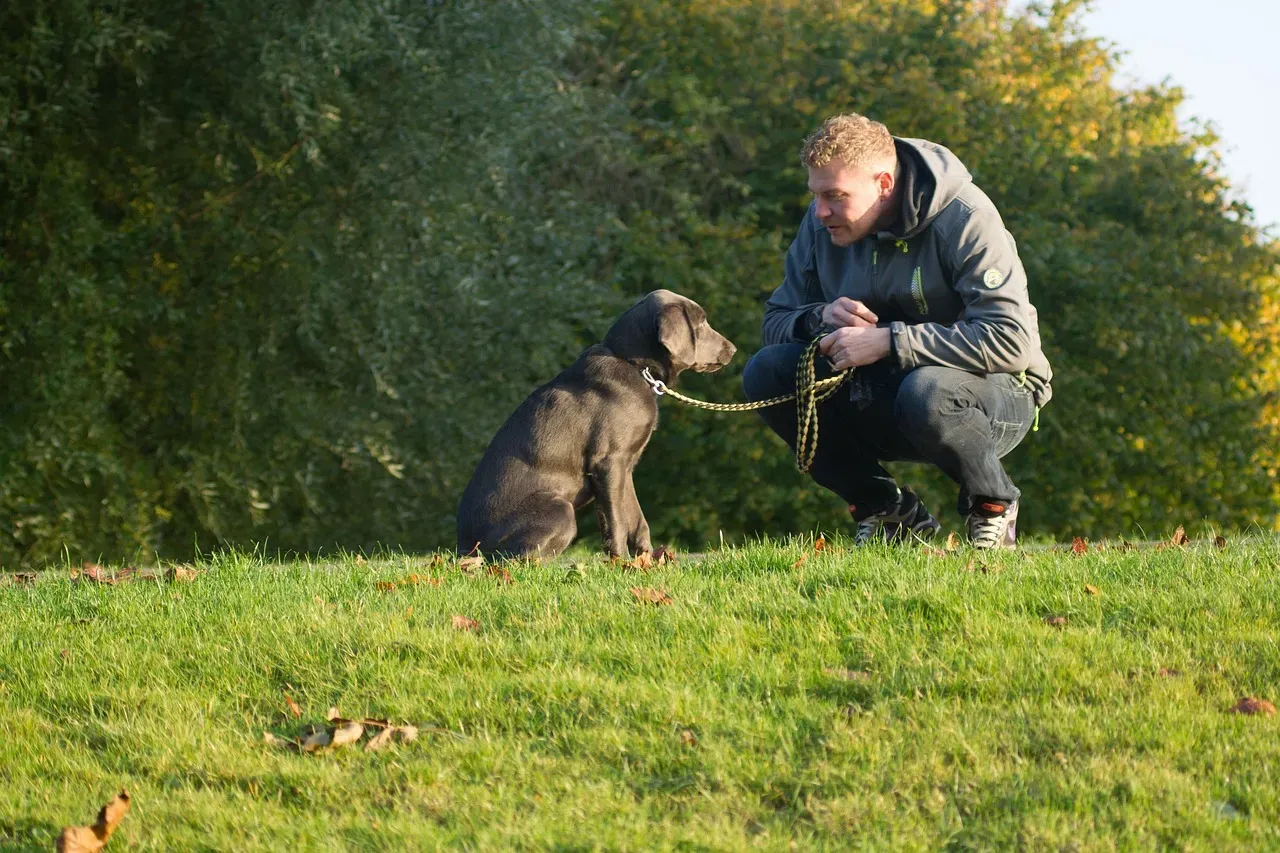
Dogs and humans both release oxytocin, the love hormone, when they interact, fostering trust and emotional bonding. This isn’t just feel-good fluff. It’s biology at work. One review of 69 studies concluded that the release of oxytocin in humans and dogs forms the basis of interactions with our pets and is a factor in social bonding.
Think about what that means. Every time your dog gazes into your eyes, you’re both getting a chemical rush that deepens your connection. Oxytocin also influenced tear formation when dogs were reunited with their owners. Dogs cry happy tears when they see you, friends. Let that sink in.
It’s Not Always About the Treats
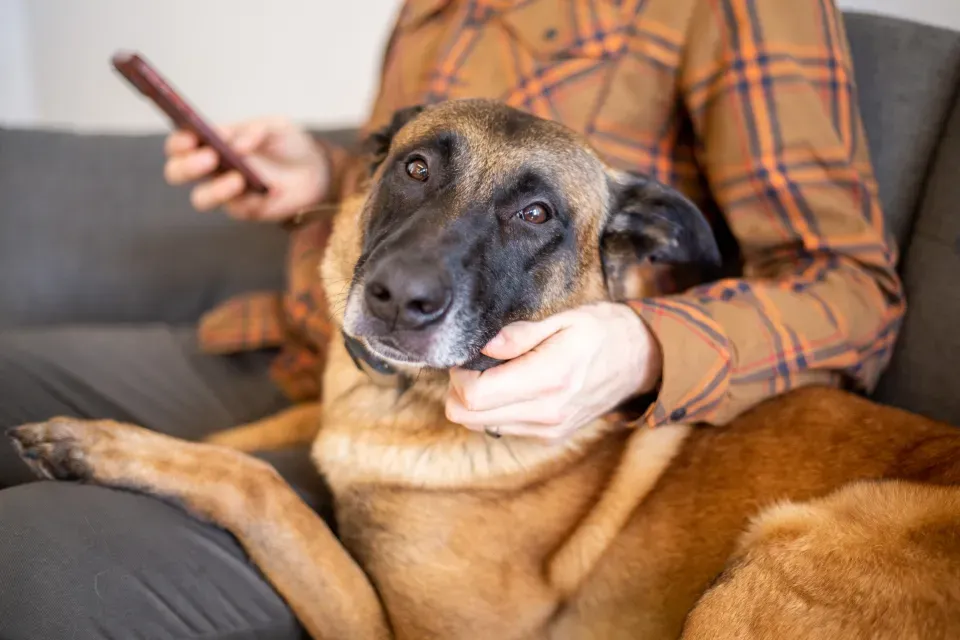
You might assume the person who fills the food bowl wins the loyalty contest. Not quite. Dogs choose the people who give the most attention, affection, and one-on-one time, with high quality being key. If your dog spends hours in someone’s presence but that person ignores them most of the time, that time won’t matter.
The favorite is the person who makes them feel safe and secure and gives them a warm, fuzzy feeling. It’s about emotional connection, not transactions. Sure, treats help, especially during training. Yet the real magic happens in the quiet moments. The person who sits on the floor during a thunderstorm, who speaks softly when the dog is anxious, who notices the tiny shifts in mood? That’s who wins.
Personality Matters More Than You’d Think
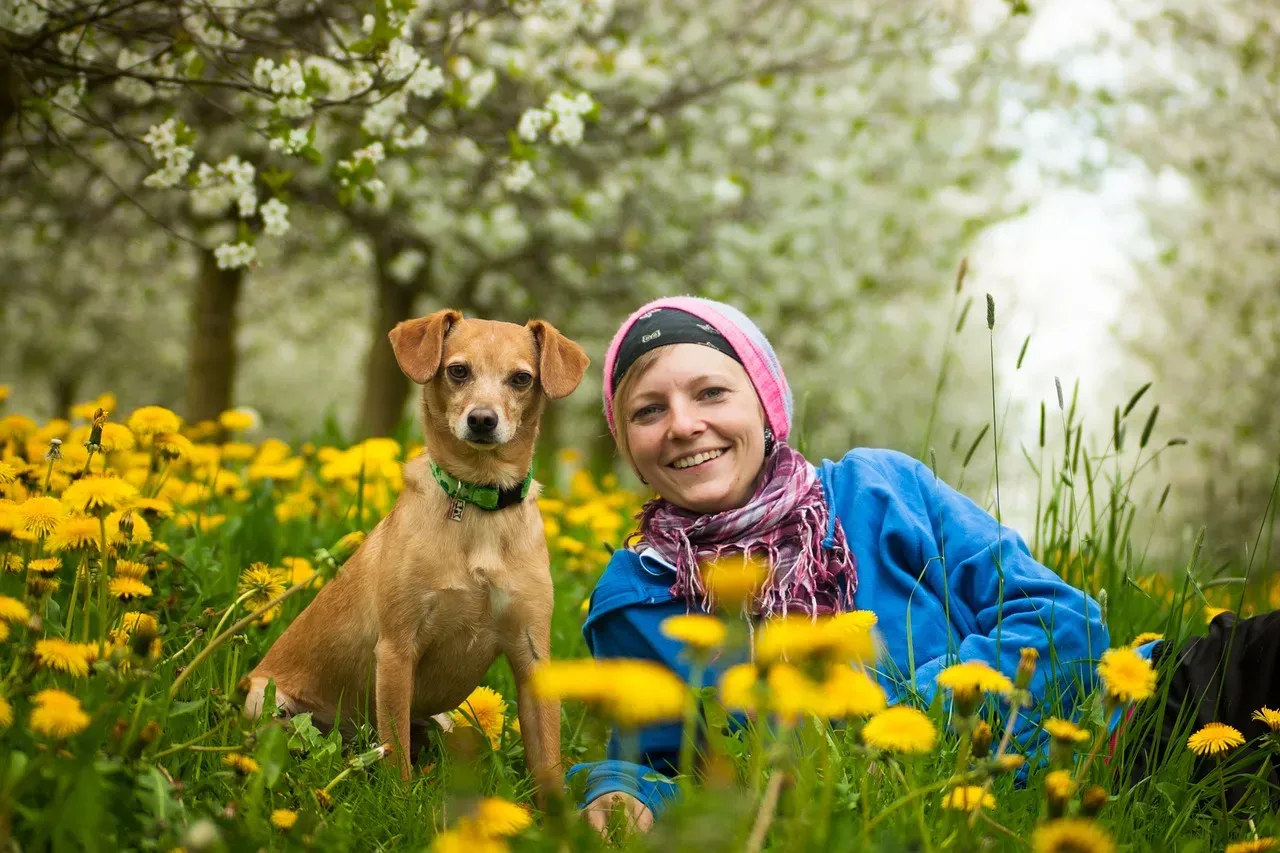
People tend to choose dogs that are physically similar to them in some way, and same for personality. Whether laidback, hyper, or somewhere in-between, dogs and the people they love to spend time with frequently have similar energy levels and dispositions.
A timid dog won’t gravitate toward the loudest person in the room. Cautious dogs naturally gravitate toward quiet, calm individuals, while high-energy dogs prefer active people who match their enthusiasm. It’s like human friendships, honestly. We all seek out people who get us, who match our rhythm. Dogs do the same thing.
This compatibility extends beyond simple energy levels. This compatibility extends beyond energy levels to include how humans handle stress, communicate, and interact with the dog during both positive and challenging situations. If you’re the family member who stays calm during vet visits or doesn’t panic when the dog makes a mistake, you’re building major trust points.
Early Life Imprints Last Forever
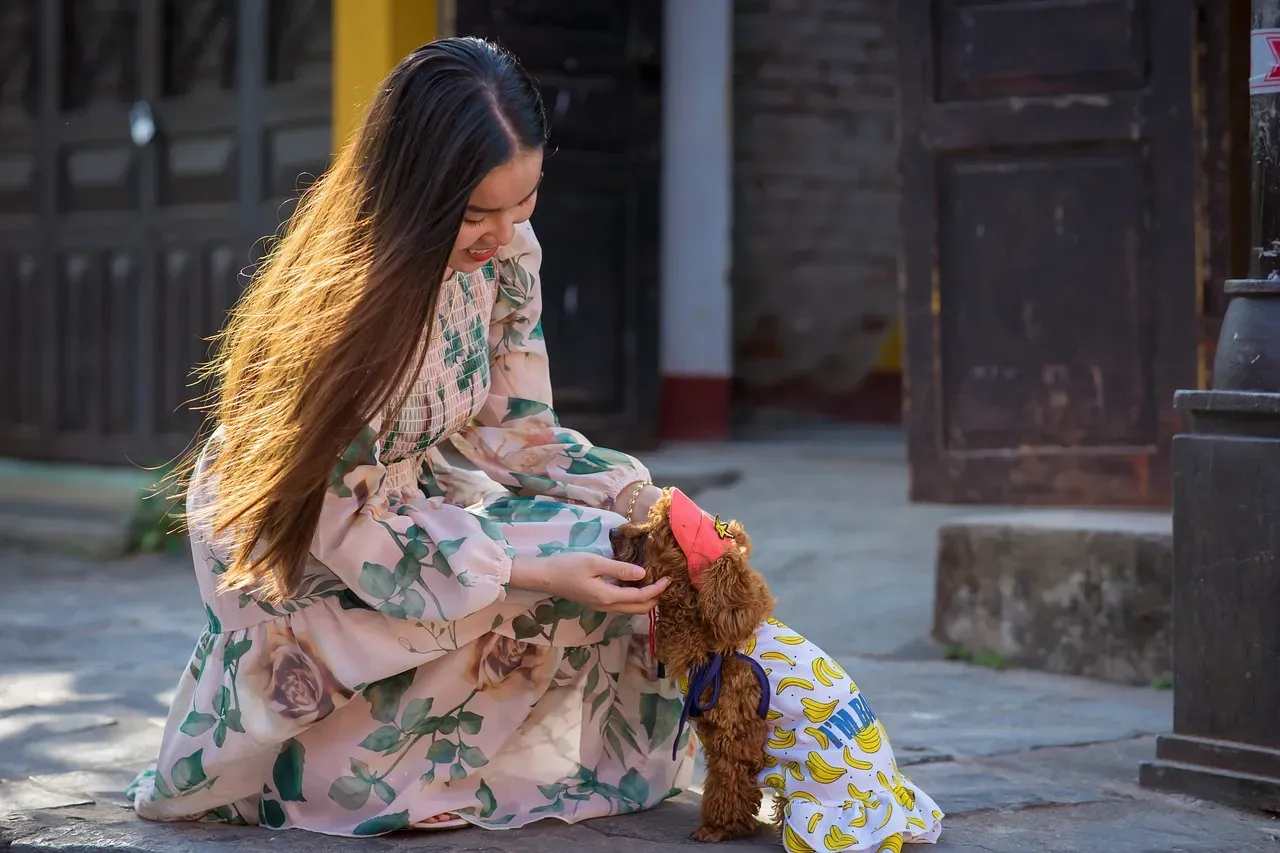
The critical socialization period for dogs is from birth to six months. During this stage, puppies’ brains are incredibly receptive, and dogs often bond hardest with the person who was there for them. This window is massive. The first six months of a dog’s life represent the most crucial period for determining future bonding patterns. During this key socialization window, puppies’ brains are incredibly receptive to new experiences, and their early social interactions influence their attachment preferences for the rest of their lives.
If you adopted an adult dog, though, don’t despair. Just because you’re not currently the favorite doesn’t mean that can’t change. Dogs are relational and responsive, and building positive experiences like playtime, enrichment activities, and calm bonding moments can help deepen your connection over time. Dogs are flexible creatures. Their hearts can expand.
The Signs They’ve Chosen You
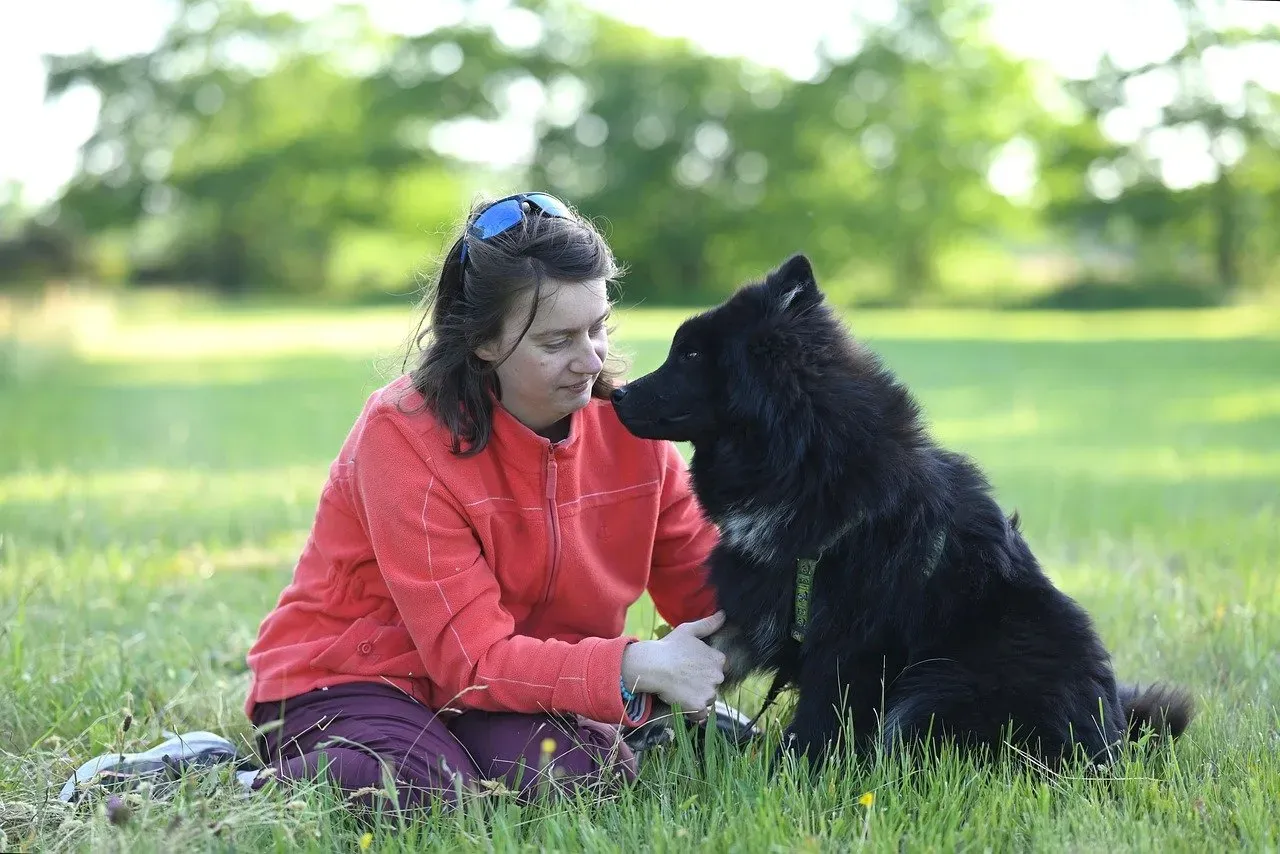
Wondering if you’re the chosen one? The signs are pretty clear if you know what to look for. Dogs usually follow their favorite around more and might even try to sleep closer to them. Dogs communicate their affection through prolonged eye contact, which releases oxytocin in both dogs and owners.
Dog tail-wagging can denote their emotions. If your dog looks at you and wags their tail to the right, it’s because they’re happy in your company. There’s also the classic follow test. If you want to see who your dog’s favorite is, you can walk in different directions and see who they follow. They’ll go with their favorite human 100 percent of the time.
Watch for the subtler cues too. Do they bring you their favorite toys? Dogs often bring their favorite toys to their favorite people, which is a gesture of trust and love. Sharing their prized possessions signifies their willingness to share joy with you.
How to Become the Favorite (Or Strengthen Your Bond)
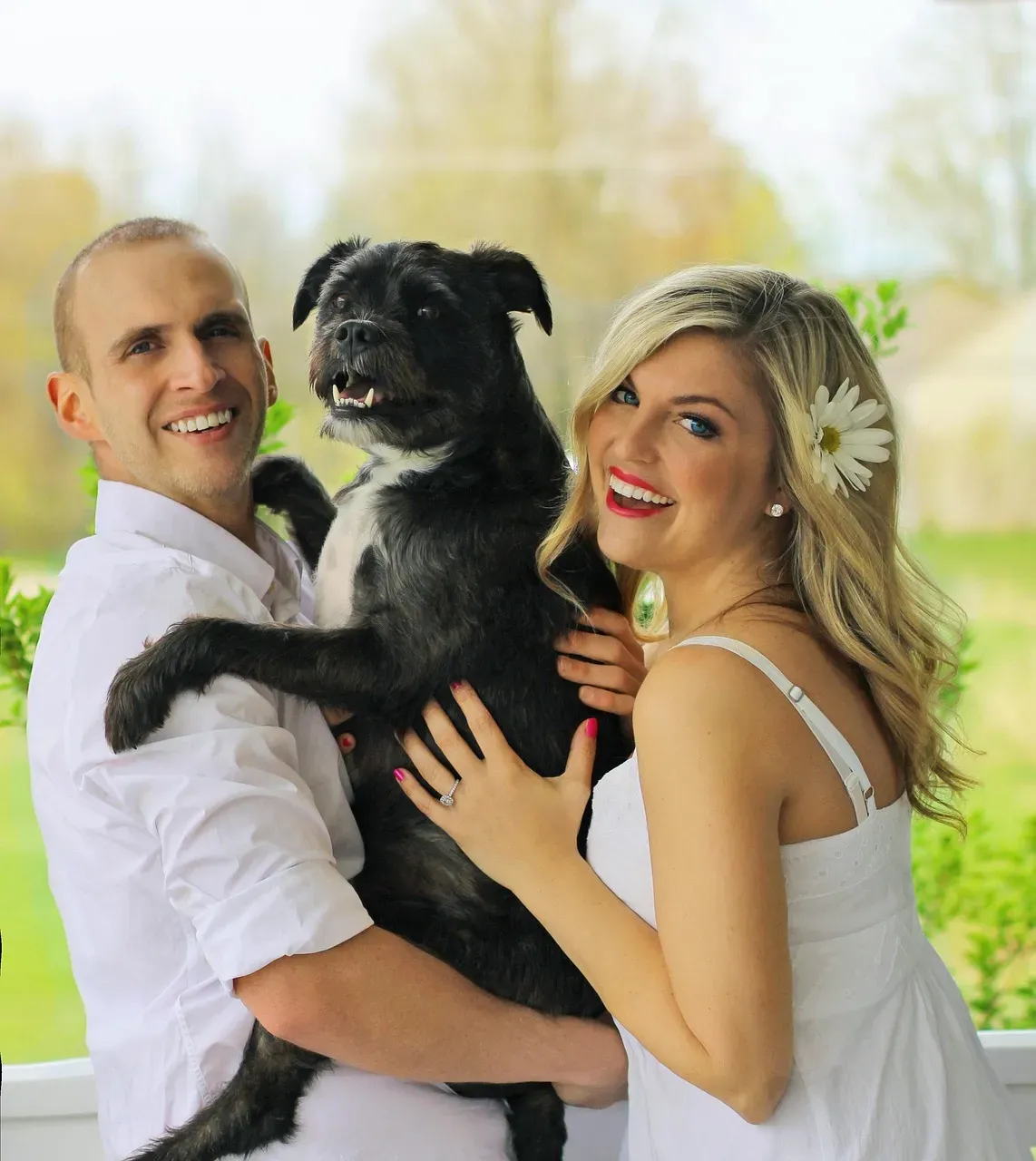
Let’s say you’re not the top pick right now. What can you do? The best way to build a strong bond with your dog is by learning to read their facial expressions and body language. Once a pet parent learns what their dog is trying to say, the door to improved understanding and communication opens.
Positive reinforcement training methods should be used to teach more desirable behaviors. Positive reinforcement enhances the human-animal bond by fostering a common language, and a dog learns to listen and perform the behavioral cues they were taught. The use of positive reinforcement training methods builds up a dog’s confidence and trust in their pet parents. Forget punishment. It damages trust.
Consistency matters enormously. Spend intentional time together. Not just feeding or walking, but real quality moments. Play their favorite games. Learn what makes them tick. Spending time with your dog beyond walks and feeding is important for growing your relationship. Simple tasks like playing games, going for walks, or just hanging out on the couch at home can help your dog feel more comfortable. The more positive interactions you share, the deeper your bond will grow.
Conclusion
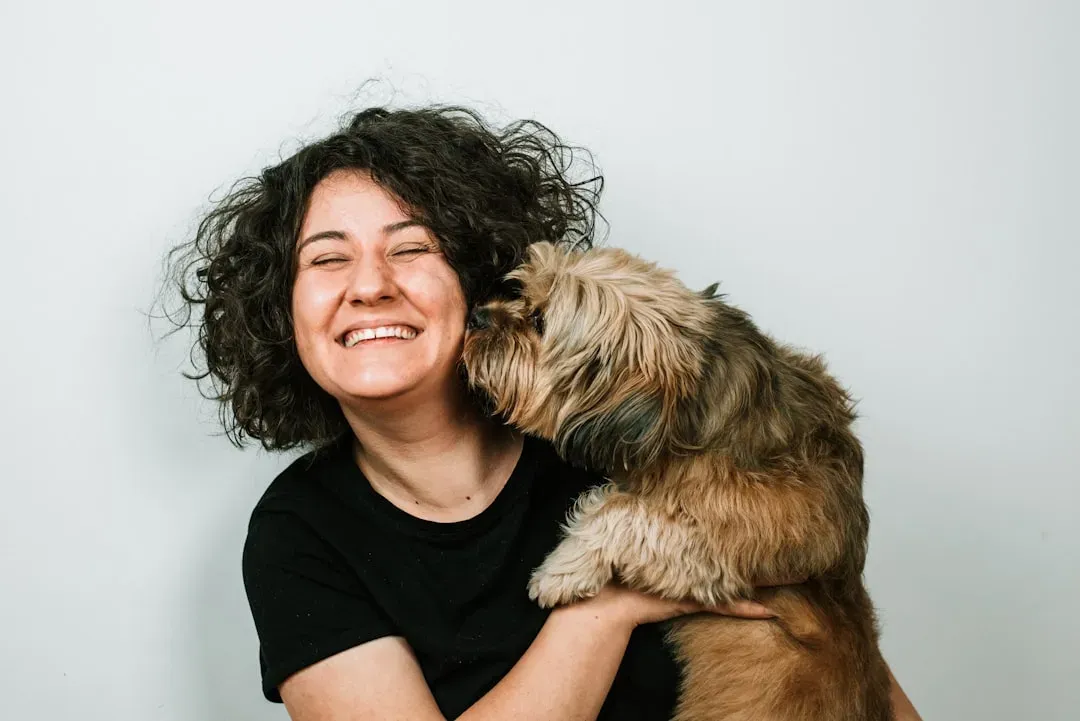
Every dog has a favorite person, and that choice reveals something profound about both of you. It’s not about who buys the most expensive toys or who has the fullest treat jar. It’s about emotional safety, personality compatibility, and the quality of time spent together. Dogs choose the humans who make them feel seen, secure, and understood.
If you’re the favorite, cherish that gift. If you’re not, know that you can still deepen your bond through patience, consistency, and genuine attention to your dog’s needs. These relationships are fluid, built moment by moment through trust and love. What do you think makes a dog choose their person? Have you noticed these patterns in your own furry friend?


