

There is a moment that every rescue dog adopter knows. It happens quietly, without fanfare. Maybe it is the first evening your new dog curls up beside you on the couch, or the first morning they greet you at the bedroom door with a tail that just will not stop. That moment does not feel like a transaction. It feels like something far bigger – like trust being handed to you, carefully, from someone who did not have to trust anyone at all.
Rescue dogs carry stories we will never fully know. Past abandonment, long shelter stays, upheaval, loss. Yet somehow, despite it all, they love. Fiercely, fully, and without condition. If you are a dog lover, what follows might just change the way you see your own four-legged companion forever. Let’s dive in.
The Scale of the Crisis: What the Numbers Actually Mean

Here is a number worth sitting with for a moment. Nearly 5.8 million dogs and cats entered shelters and rescues in 2024 alone. That is not a statistic about animals. That is a statistic about lives in limbo. Think of a city the size of Los Angeles – only instead of people, imagine dogs and cats staring through kennel bars, waiting.
Many shelters across the country are full, and animals, especially dogs, are often staying longer in their care before being adopted, creating a surplus that leaves shelters struggling to meet the needs of animals in their communities. Honestly, that image alone should make us all pause. The need is not abstract. It is urgent, daily, and real.
In 2025, a total of around 4.2 million dogs and cats were adopted – a one percent increase from 2024. Progress, yes. Enough? Not yet. The number of dogs euthanized each year has decreased significantly, from 2.6 million in 2011 to around 390,000 today – which is genuinely encouraging. Still, every number represents a face, a wagging tail, a story that deserved a better ending. Awareness is the first step toward change, and understanding the scale of this crisis matters deeply for every dog lover reading these words.
The Incredible Bond That Rescue Creates
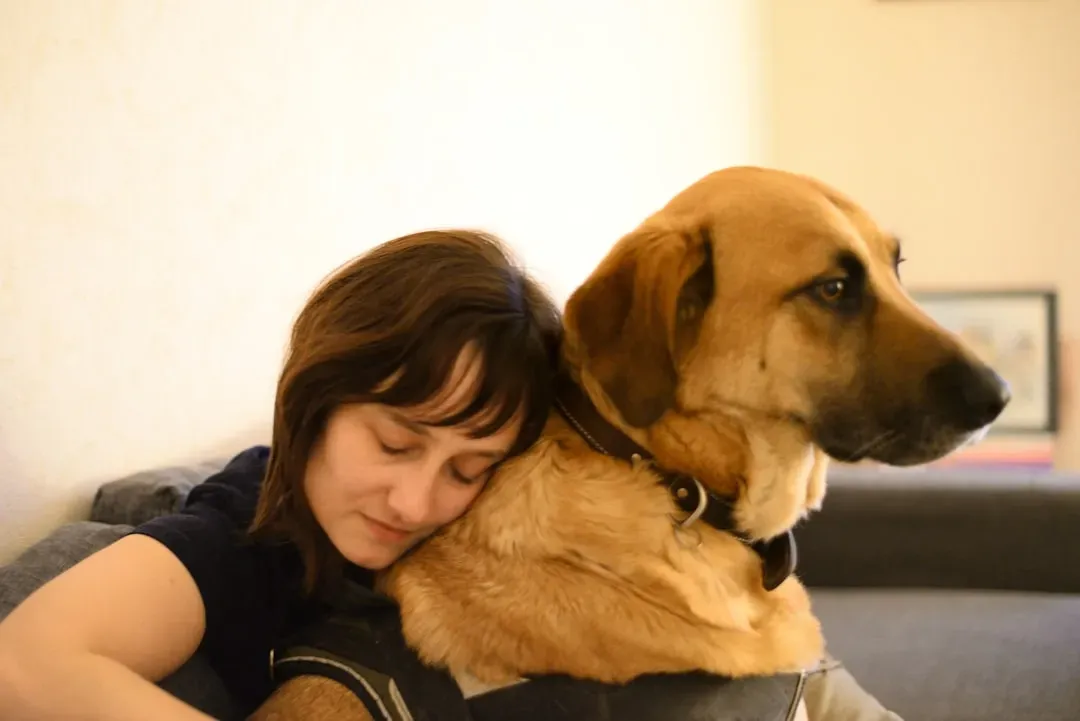
Let’s be real – some people hesitate at the word “rescue,” imagining broken dogs with unsolvable problems. I think that fear is one of the most persistent myths in the dog world. The truth is almost the opposite. There is something special about the bond formed with a rescue dog. Many adopters report that their rescue pets seem to understand they have been given a second chance and show extraordinary gratitude and loyalty in return – and dogs who have experienced hardship often form particularly strong attachments to those who provide them safety and care.
Despite their often challenging pasts, rescue dogs have an incredible ability to trust and love their new humans, providing a constant source of comfort and affection. The journey of helping a rescue dog adjust to a new home can be incredibly rewarding, as witnessing their transformation – from a timid, scared animal into a confident and happy pet – brings a sense of achievement that is hard to match. It is a bit like watching a flower grow in a crack in the pavement. Against all odds, life finds a way.
The bond between rescue dogs and their owners often transcends a simple pet-owner relationship, evolving into a deep emotional connection rooted in gratitude, understanding, and mutual respect. Ask any rescue dog parent, and they will nod with a knowing smile. The love that comes from a dog who chose to trust again? There is truly nothing like it.
Reading the Signs: Understanding Your Rescue Dog’s Behavior
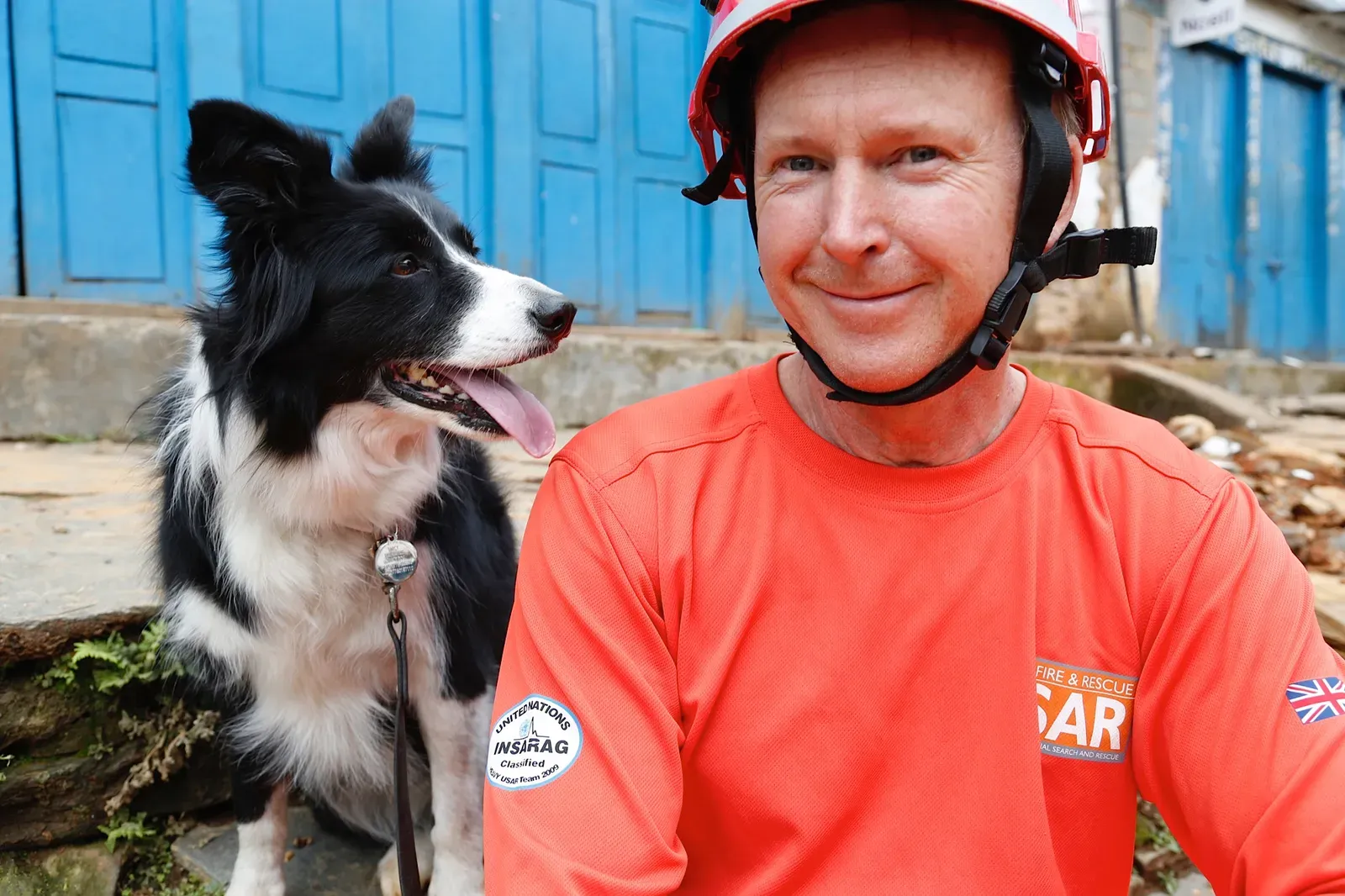
Here is the thing – bringing a rescue dog home is a bit like having a new houseguest who speaks a completely different language. They cannot tell you they are scared. They cannot explain what hurts. Their body, however, is speaking constantly, and learning that language is one of the most powerful gifts you can give them. Rescue dogs with traumatic pasts might react strongly to loud voices, sudden movements, or unexpected touch. Tail tucked, ears back, yawning, or lip licking are all signs of stress.
Fear-based behaviors like cowering, excessive submission, or fear of specific objects often stem from past trauma. A dog who flinches at raised hands or panics around men likely had negative experiences before coming to you. This is not defiance. This is survival. Never punish fear-based reactions. Punishment only confirms their belief that the world is scary and unpredictable. Instead, use counter-conditioning to change their emotional response – pair the scary thing with something wonderful, like high-value treats or favorite toys.
A well-adjusted dog will start to show signs of comfort and familiarity with their new environment. Look for indicators such as relaxed body language, wagging tails, and playfulness. On the other hand, if your dog is constantly hiding, avoiding interaction, or showing signs of aggression or anxiety, these may be red flags. Knowing the difference between normal adjustment and deeper distress is something every rescue parent needs in their toolkit.
The 3-3-3 Rule: Patience Is the Real Love Language
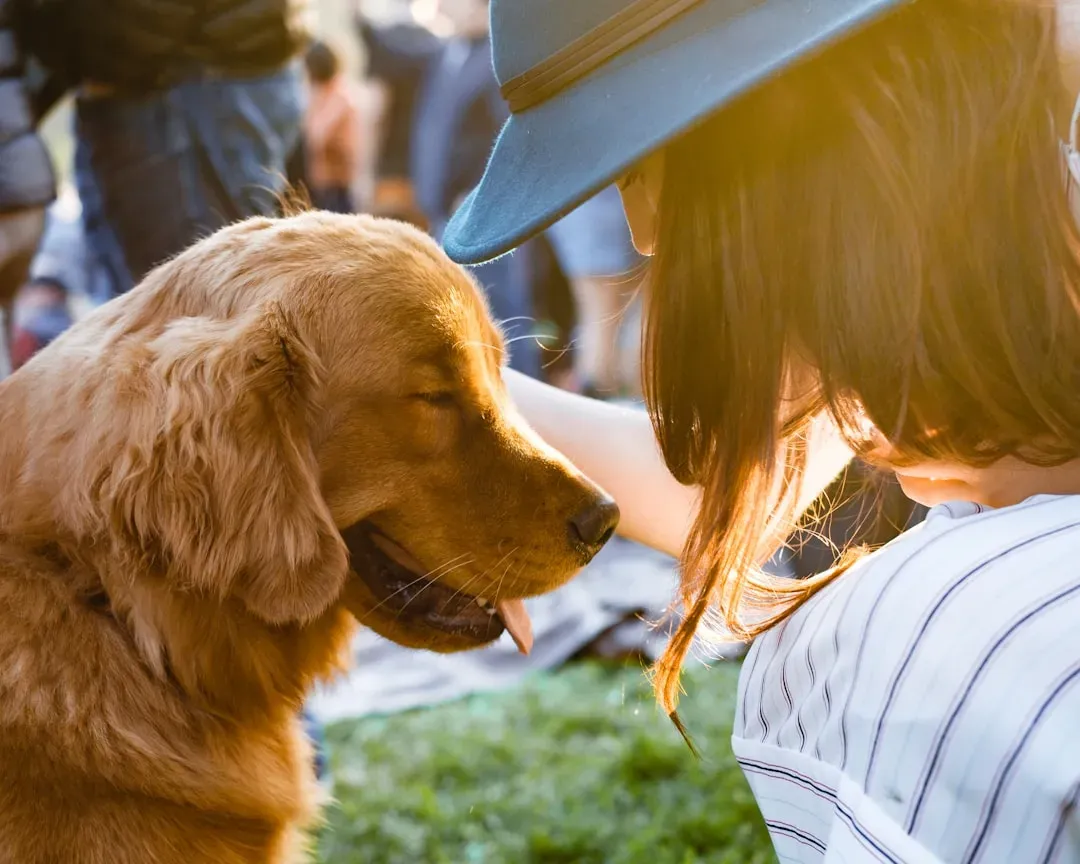
If you have never heard of the 3-3-3 rule, prepare to have one of those “why did no one tell me this before” moments. Most rescue dogs follow the 3-3-3 rule: three days to decompress, three weeks to learn routines, and three months to fully settle in. Think of it as a decompression schedule for a dog’s entire emotional world. It is not a magic fix, but it is a realistic, compassionate roadmap.
The 3-3-3 rule matters because it sets realistic expectations for adopters. Transitioning to a new home is stressful for any dog, especially those with unfamiliar or traumatic histories. Establishing a consistent routine and integrating socialization and training are vital for your rescue dog’s adjustment. Consistent routines for meals, walks, and play alleviate anxiety and create a sense of security – and this stability aids in introducing basic training, where positive reinforcement builds trust and establishes boundaries.
Signs that seem like setbacks – a suddenly barking dog, a dog that starts showing more personality – are actually signs your dog feels secure enough to express themselves. Continue reinforcing positive behaviors and address any issues with consistent, patient training. Patience is not passive here. It is the most active form of love you can offer. And it pays off in ways you genuinely cannot predict until you are living inside that transformation.
The Healing Goes Both Ways: How Rescue Dogs Change Human Lives

People often say they rescued their dog. But spend five minutes talking to a rescue dog owner and you will quickly realize the rescue went in both directions. In a recent survey of more than 30,000 pet owners by Mars and Calm, roughly four in five people said their pet has had a positive impact on their mental wellbeing. That is not a small thing. That is a public health story that deserves more attention than it gets.
Petting a dog or cat can reduce cortisol, lower blood pressure, and prompt the release of oxytocin – the hormone linked to trust, bonding, and feelings of safety. Even short moments of connection can act as resets for your mind and body. There is science behind that feeling of peace when your dog lays their head on your knee. During difficult times, the presence of a pet can offer comfort and reduce feelings of loneliness. This emotional bond is particularly beneficial for those experiencing depression or anxiety, as pets offer a non-judgmental presence and unconditional love.
Adopting a rescue animal not only saves the animal’s life but can also significantly enhance the adopter’s mental health. Rescue pets often form strong bonds with their owners, offering deep emotional connections and a sense of fulfillment. It is hard to say for sure exactly how to quantify what a tail wag does for the human soul – but every dog owner knows the answer in their gut. By integrating a pet into your life, you may find that not only do you rescue them, but they rescue you too. That is the beautiful, almost unfair bargain of rescue love.
Conclusion: Every Story Is Still Being Written
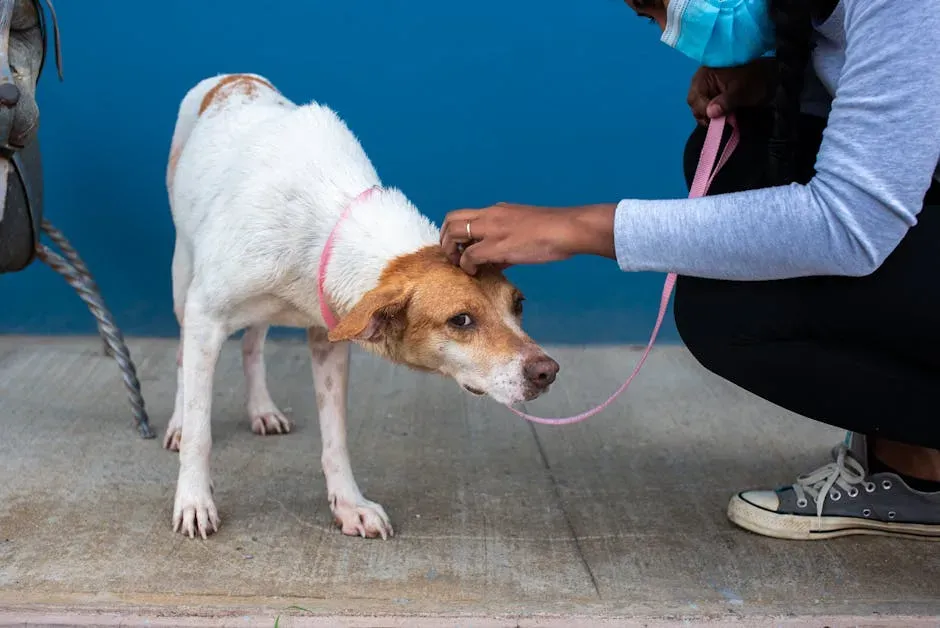
Every rescue dog walked through a door they did not choose, carrying weight they did not deserve. And every one of them, given the right environment, time, and love, has the capacity to become something extraordinary. Not a project. Not a charity case. A companion, a confidant, a reason to come home.
Every adopted pet carries a story, and while you may never know all of it, you have the ability to shape their next chapter. That is not a small responsibility. It is also not a burden. It is an invitation – to show up, consistently and gently, for an animal who has every reason to be afraid and chooses love anyway.
If you are thinking about adopting, know this: the dog sitting in that shelter kennel right now is not broken. They are waiting. Bringing home a rescue dog is a journey of trust, healing, and love. It is not always easy, but it is always worth it. With time, structure, and patience, you will see your dog transform from anxious or shut down to relaxed, loving, and full of life. Every dog has a story. The question is – are you ready to be part of the next chapter?
What would you do differently if you knew your rescue dog was silently thanking you every single day? Tell us your story in the comments – we would genuinely love to hear it.


