
You’ve probably noticed that your dog has a special way of showing they care. Maybe they follow you from room to room, lean their entire weight against your legs when you’re standing at the kitchen counter, or bring you their favorite chewed-up tennis ball like it’s made of gold. These aren’t random acts. They’re your dog’s way of speaking love in a language all their own.
Unlike in people, canine body postures and olfactory cues are significant components of dog language. People are listeners; dogs are watchers. That means we’ve got some translating to do if we want to truly understand what our furry companions are saying. Here’s the thing: just like humans have different ways of expressing affection, every dog has their own unique love language, shaped by their breed, personality, and past experiences. Learning to decode these signals isn’t just sweet, it’s essential for building a deeper, more trusting bond with your pup.
The Science Behind Why Dogs Love Us
Let’s get real for a second. Do dogs actually love us, or are they just really good at manipulating us for treats? The answer is genuinely heartwarming. Oxytocin, known as the love hormone, is present when humans and animals interact. When you and your dog gaze into each other’s eyes or share a cuddle, both of your brains release this powerful bonding chemical.
Research shows that dogs’ oxytocin levels mirror those of humans when they engage in affectionate interactions. Think about that for a moment. Your dog’s brain chemistry is literally responding to you in the same way you respond to them. The same part of the brain activated when dogs smelled a familiar human, even if the human was not present, suggests that dogs have representations of us that persist when we’re gone. They really do miss you when you’re away.
The Physical Touch Lover
Commonly called “lap dogs,” these affectionate canine companions prefer frequent contact and demonstrate their love through physical actions such as cuddling, licking, or nuzzling. Does your dog constantly press against you on the couch, even when there’s plenty of room elsewhere? That’s not clinginess, that’s communication.
When your dog comes up to you and leans their full weight against your legs, they’re showing you they trust you. For many dogs, the lean is like a full-body hug. Pay attention to how your pup reacts to different kinds of touch. Some dogs adore belly rubs, while others prefer a good scratch behind the ears or gentle petting along their back. Respecting these preferences shows your dog that you’re listening, which strengthens your connection even more.
Not all dogs want to be touched all the time, though. Watch for signs like turning their head away, tensing up, or moving away from your hand. These are polite ways of saying “not right now, thanks.”
The Quality Time Enthusiast
Quality time is the most important and common dog love language. “Quality time is the ultimate way of showing them how much we love them.” For some dogs, nothing beats your undivided attention. These pups light up when you get home, follow you everywhere, and seem happiest when you’re simply present, whether you’re actively playing or just sitting together.
Does your dog bring toys to you constantly, or park themselves at your feet while you work? They’re asking for your time and focus. It doesn’t always mean they want action. Sometimes they just want to be near you, soaking up your presence like sunshine.
Dogs that follow their owners around, whether it’s from room to room or on walks, often do so out of a sense of attachment and companionship. This isn’t separation anxiety (unless it’s paired with distress behaviors), it’s just your dog saying “you’re my favorite person and I want to be where you are.” Quality time dogs thrive on routine walks, training sessions, or even just hanging out together on lazy Sunday afternoons.
The Gifts and Treasure Bringer
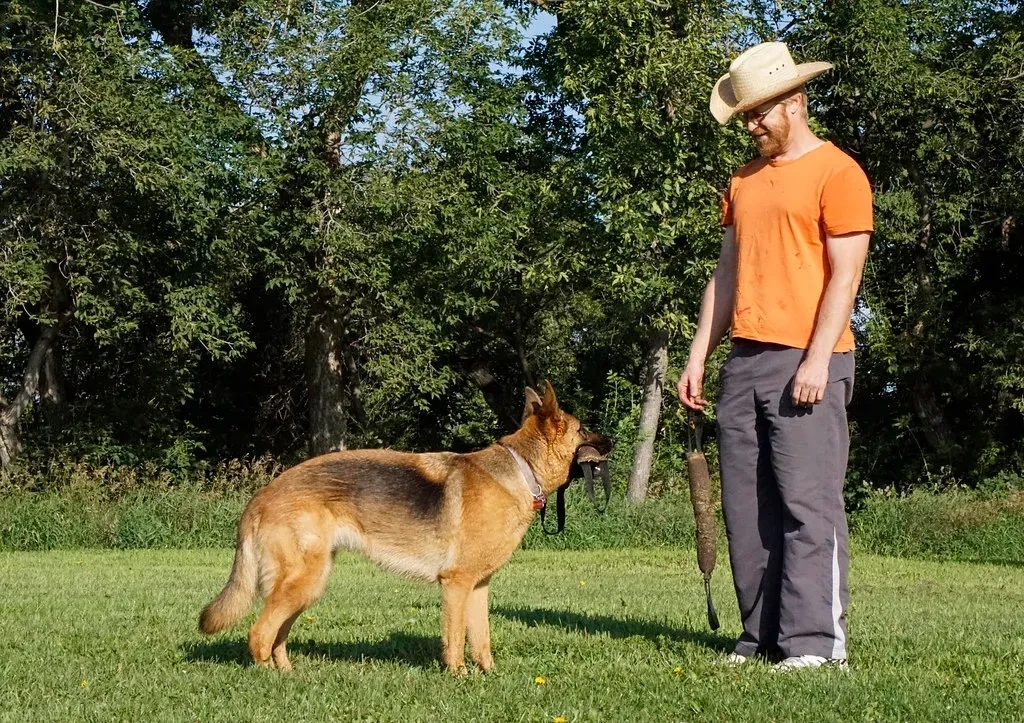
Ever wonder why your dog insists on bringing you that soggy, half-destroyed rope toy at the most random times? Dogs will often give gifts to the leaders of their pack to show affection, respect, and trust. They can be possessive of their belongings, so trusting you with their favorite toys could be their way of expressing their faith in you. This is huge, people.
Some dogs will bring their humans toys or other objects as a sign of affection or to initiate play. They’re not just asking you to throw the ball. They’re offering you something precious. Some dogs take this even further, presenting you with sticks from the yard, shoes from the closet, or (let’s be honest) occasionally less pleasant items they’ve discovered outside.
I think the gift-giving love language is one of the most misunderstood. When your dog drops a toy at your feet while you’re trying to relax, they’re not being annoying. They’re including you in what matters most to them. Acknowledge the gift, even if you’re not up for a game of fetch right that second. A simple “thank you” and a gentle pat can mean the world.
The Words of Affirmation Responder
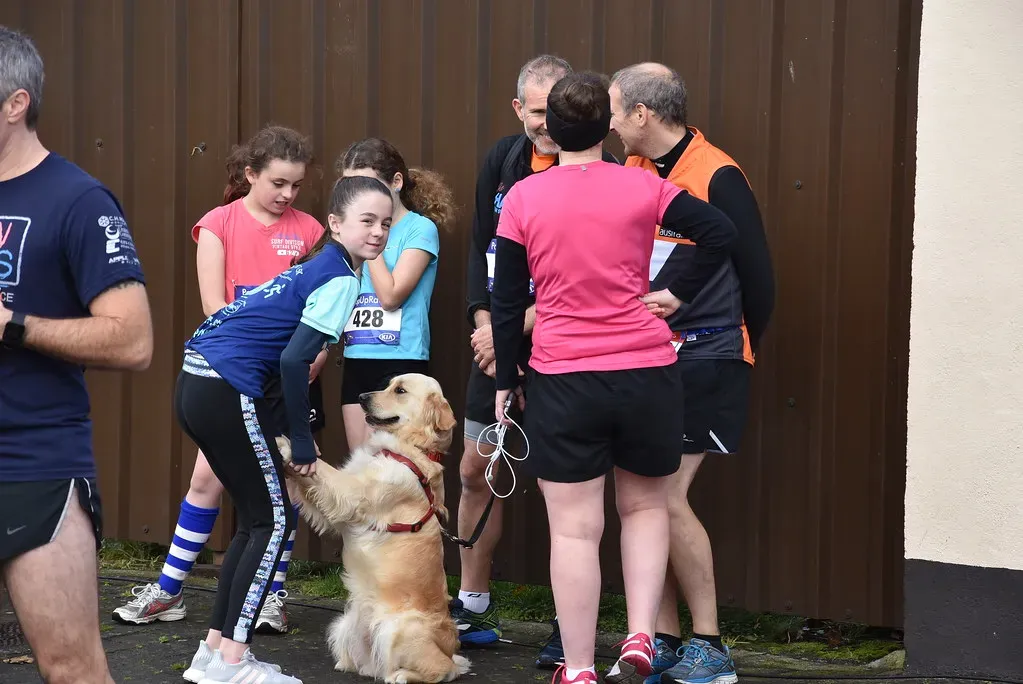
Some dogs thrive on praise and encouragement, and they’ll respond to your “who’s a good boy” with tail wagging and general happiness. These are the pups whose entire bodies wiggle when you use that special high-pitched voice we all reserve for talking to dogs. They live for your verbal approval.
Researchers at the University of York recently found that dogs respond more positively to dog-directed speech (DDS) than when we talk to them like people. You know that silly voice you use? Keep using it. Your dog loves it. Dogs with this love language often excel in training because praise is its own reward.
Watch how your dog reacts when you enthusiastically tell them they’re wonderful. Do their ears perk up? Does their tail go into overdrive? These are dogs who need regular verbal reassurance. Make it a habit to tell them throughout the day how much you love them, how proud you are, or simply that they’re a good dog. It might feel silly talking to an animal, but trust me, they’re listening and absorbing every word.
The Acts of Service Appreciator
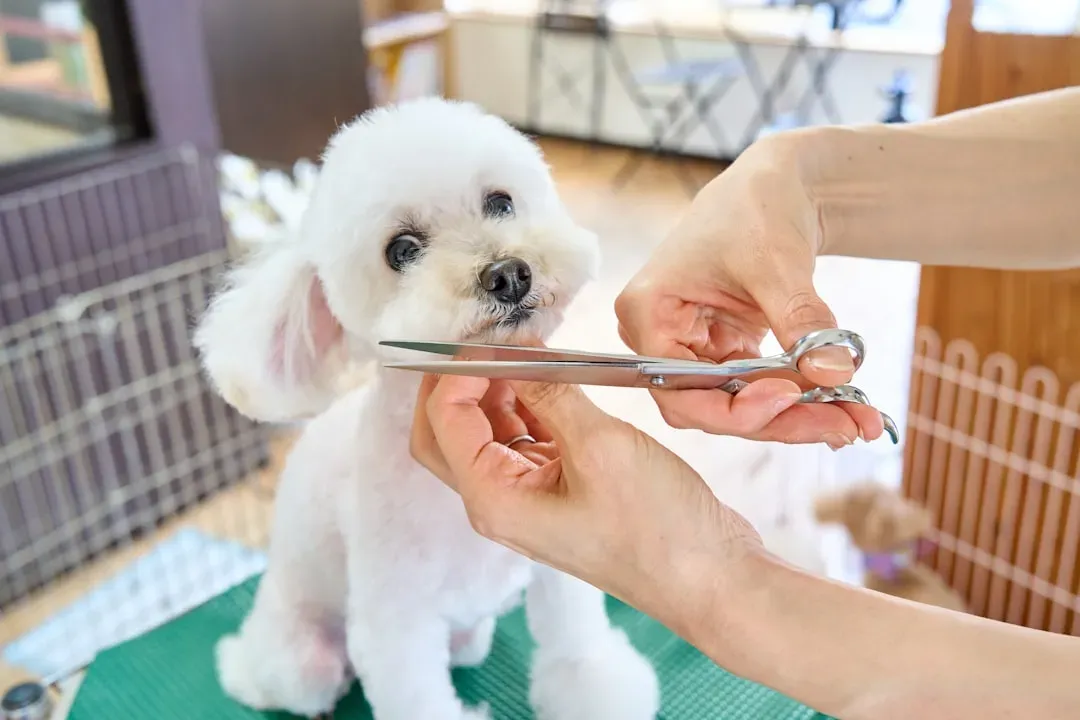
Acts of service include taking care of a dog’s basic needs, like exercise and grooming. Still, some dogs may appreciate these acts of service more than others. You might have a dog who absolutely prances after a grooming session or gets visibly excited when you pull out their harness for a walk. These dogs feel loved when you take care of them in practical, tangible ways.
This love language can be subtle. It’s the dog who relaxes completely when you brush their coat, who seems grateful when you clean their food bowl, or who settles peacefully into freshly washed bedding. Some dogs will even prance, or swagger, like saying, ‘Look at me, don’t I look pretty!’ after a trip to the groomers. For these dogs, make sure to stay on top of little things that may make their lives comfier.
Acts of service goes both ways, too. Behaviors as simple as coming when called or waiting for you at the door are acts of service. When your dog alerts you to something outside, brings you their leash when it’s walk time, or gently wakes you in the morning, they’re serving you in their own way. Acknowledge these contributions. They matter to your dog.
Reading the Mixed Signals and Individual Quirks
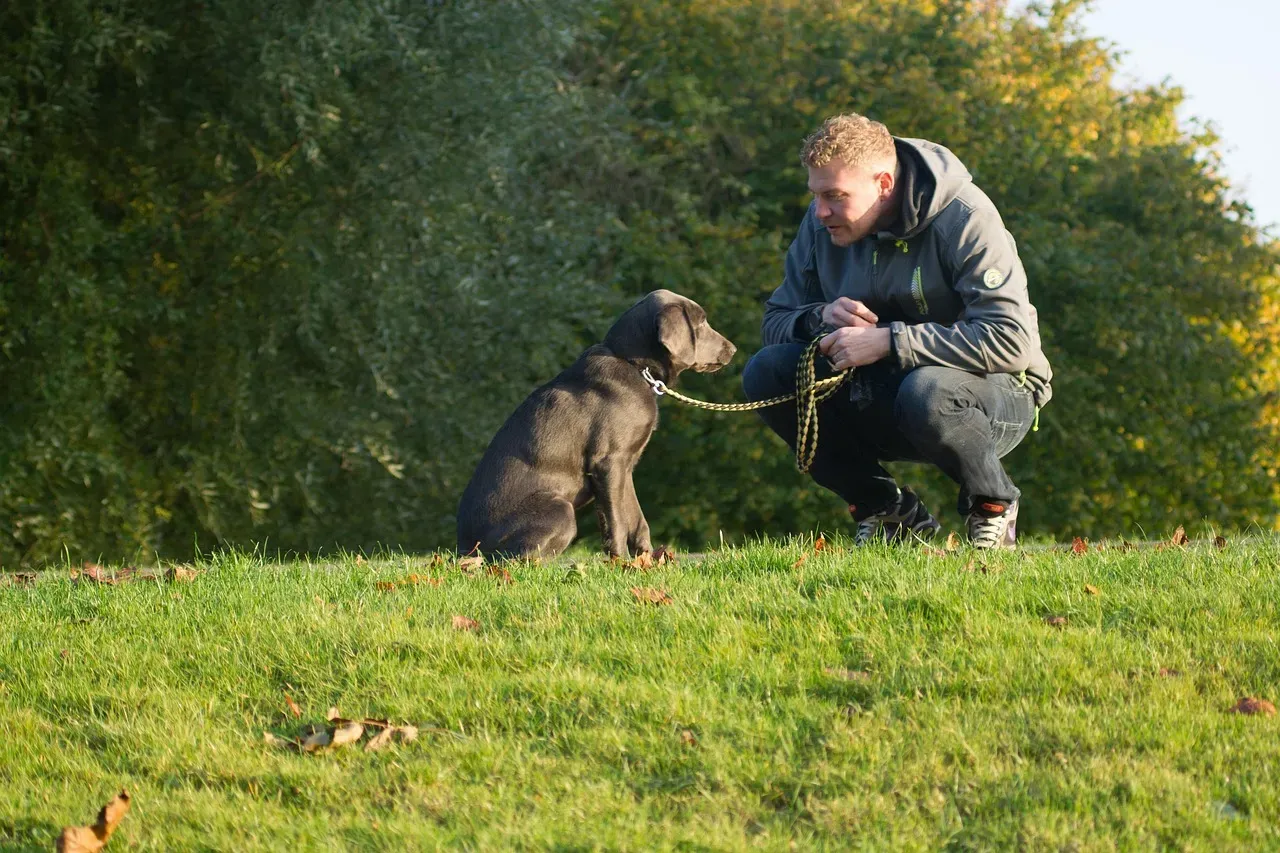
Each cat or dog expresses itself a little differently, and pet owners should pay attention to their pet’s specific style of body language. Your dog might actually have a primary and secondary love language, just like humans do. Maybe they’re mostly a physical touch dog but also light up with verbal praise. Or perhaps they’re all about quality time but also bring you gifts constantly.
How you respond to your dog’s closeness signals will determine how your bond develops over time. The dog-owner bond is consistent over time and space. Pay attention to patterns. When does your dog seem most content? What makes their tail wag hardest? What do they seek out when they’re feeling stressed or uncertain?
A lot of conflict or challenges in people’s relationships and daily lives with their dogs come down to a mismatch of expectations in how you and your dog will spend quality time together. This doesn’t mean you don’t love each other; it just means you and your dog have different love languages. If you’re a cuddler but your dog prefers play, you’ll both need to compromise. Give them the active engagement they crave, and they might be more willing to settle in for snuggles afterward.
Putting It All Together
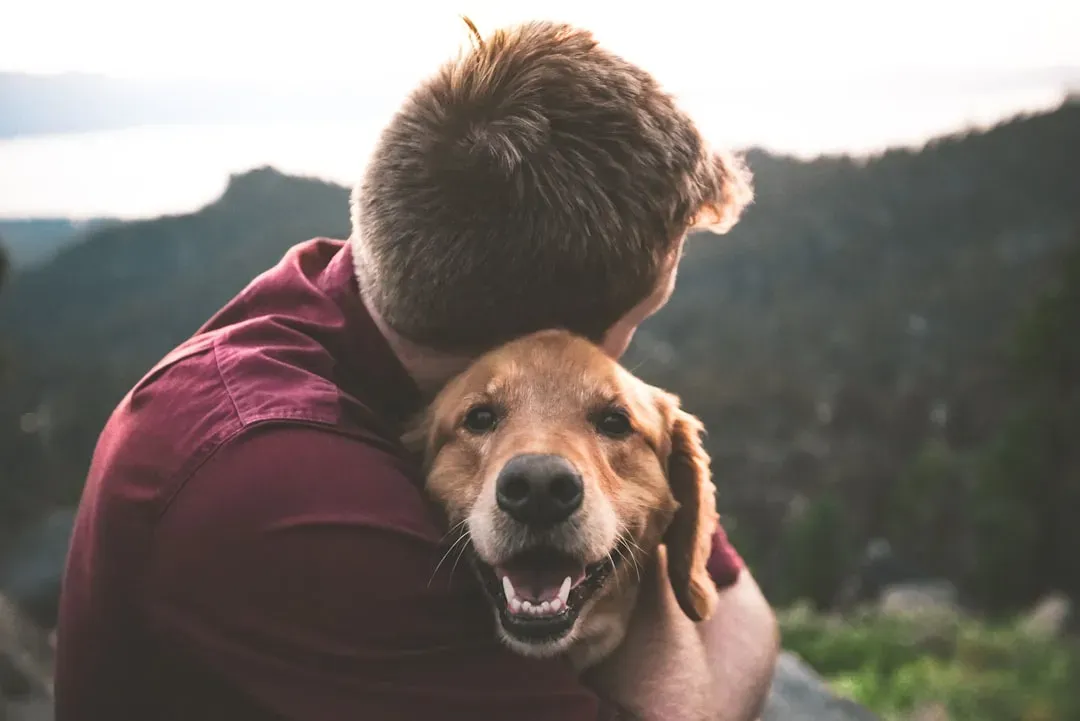
Understanding your dog’s love language isn’t about putting them in a box. It’s about paying closer attention to the unique individual sleeping at your feet right now. If you learn what your dog is saying, you will develop a deeper bond of trust and respect. Plus, your newfound understanding of your dog’s emotional state can help you predict their behavior and prevent problems before they arise.
Start observing your dog with fresh eyes. Notice what they seek out, what makes them happy, and how they try to communicate with you throughout the day. Maybe you’ve been missing signals all along. That’s okay. The beautiful thing about dogs is they’re incredibly forgiving teachers. They’ll keep showing you, day after day, exactly how they love you.
The connection between humans and dogs is something truly special, built over thousands of years of companionship and mutual understanding. Dogs’ oxytocin levels mirror those of humans when they engage in affectionate interactions, highlighting a shared biochemical basis for emotional bonding that underscores why dogs remain humanity’s most loyal friends. When you speak your dog’s love language back to them, you’re honoring that ancient bond and making your modern relationship even stronger.
What’s your dog’s love language? Have you figured it out yet? Take some time this week to really watch and listen. The answer might surprise you, and recognizing it could transform the way you and your best friend connect.


