
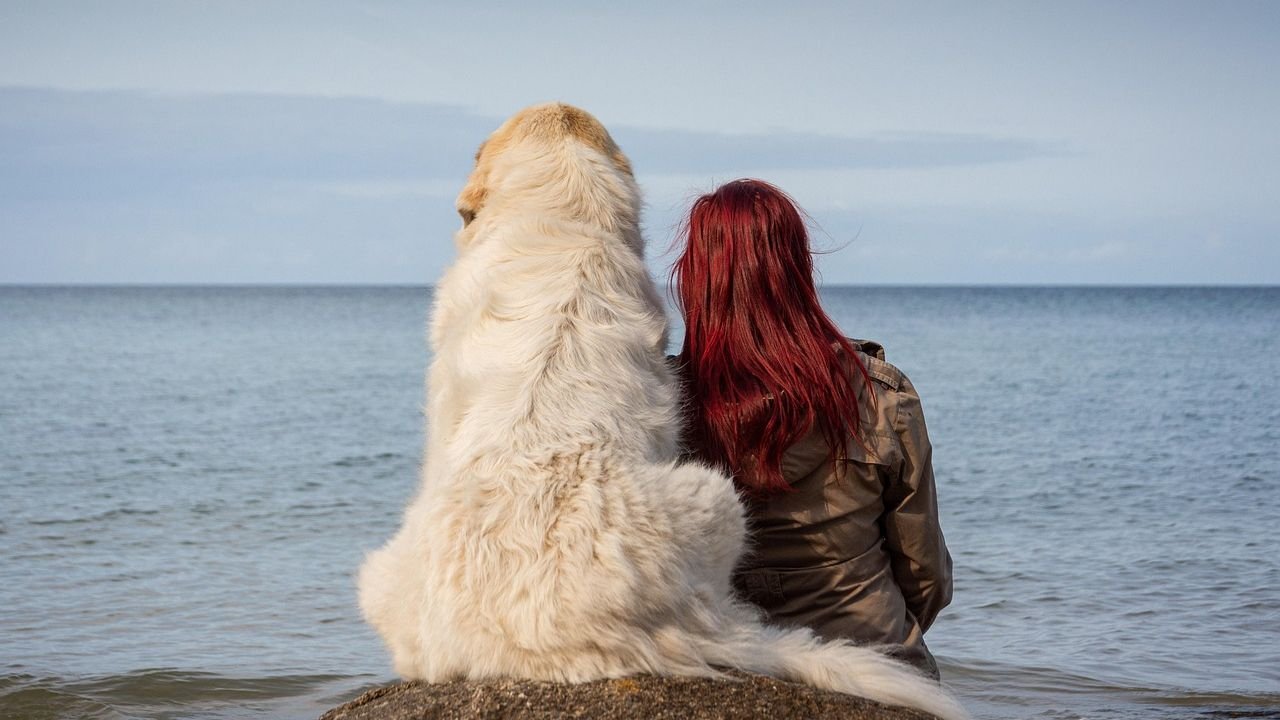
Imagine walking through your front door after a long day, and your dog greets you with a full-body wiggle, a tail going a million miles a minute, and those soft, melting eyes that feel like the warmest hug in the world. It’s pure magic. Now imagine that same dog, moments later, tucking their tail low, licking their lips, and looking away from a stranger who’s leaning in to pet them. Most of us would miss that second scene entirely.
Here’s the truth: your dog is talking to you constantly. Every flick of the ear, every shift of posture, every tail position is a word in a rich, deeply expressive language. The more fluent you become in it, the deeper and safer your bond grows. Ready to become your dog’s best listener? Let’s dive in.
The Tail: Your Dog’s Emotional Thermometer
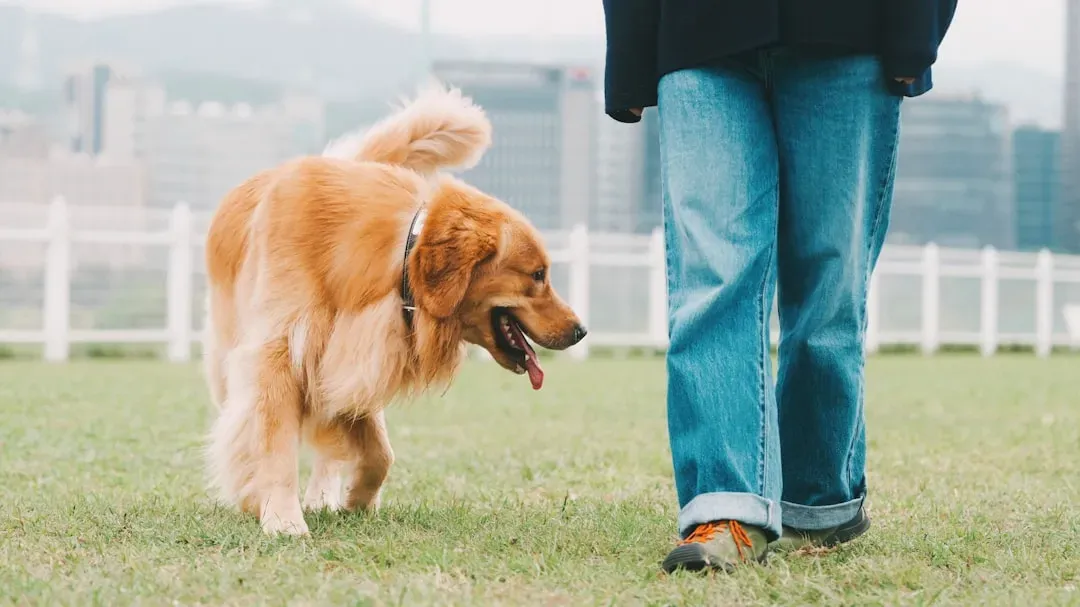
Most of us grew up believing a wagging tail equals a happy dog. Honestly, it’s one of the most widespread myths in the dog world, and it has genuinely gotten people bitten. Contrary to popular belief, tail movement is a sophisticated form of canine communication – the speed, direction, and position of the wag can express everything from excitement to unease.
Since the left side of the brain is associated with positive feelings like love and serenity, a happy dog wags their tail to the right. Conversely, the right half of the brain is associated with negative feelings like fear, so a frightened dog wags their tail to the left. That’s genuinely fascinating science hiding in plain sight every single day.
In general, the higher the tail and the faster the wag, the greater the level of arousal. While a very high tail indicates high arousal, a very low-wagging tail most often denotes fear and appeasement. Think of it like a volume dial: the position tells you the emotion, the speed tells you the intensity.
It is important to recognize that a dog with a wagging tail does not necessarily mean they want to interact or continue an interaction. A tail may begin to wag tentatively during an interaction – the message here is “pause.” Dogs experiencing emotional conflict may begin to wag their tails rapidly as a reflection of their discomfort. Always read the whole dog, not just the tail.
Eyes, Ears, and Mouths: The Face Never Lies
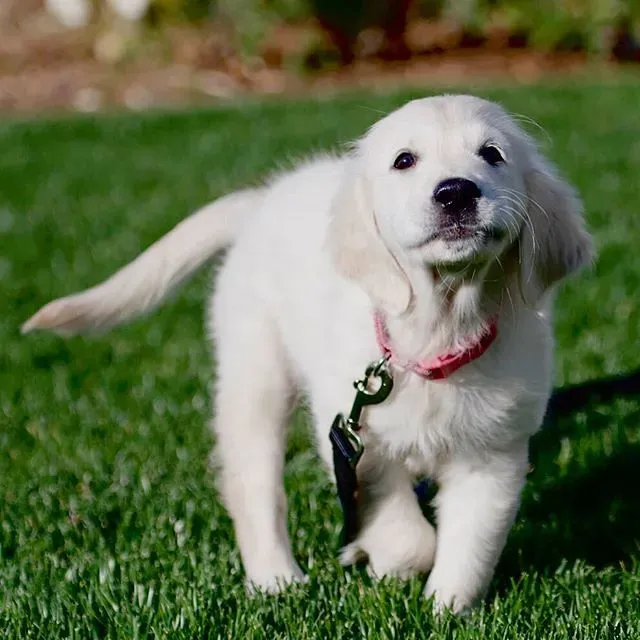
If the tail is your dog’s headline, their face is the full story. A happy dog often has a relaxed face with soft eyes, while a dog that is feeling tense or anxious might furrow their brow and have hard, staring eyes. Once you notice this difference, you genuinely cannot unsee it – it’s as clear as a smile or a frown on a human face.
People yawn when they’re tired or bored, but dogs yawn when they’re stressed. Dogs use yawning to calm themselves in tense situations and to calm others, including their owners. I know it sounds crazy, but that yawn during a vet visit isn’t boredom. It’s your dog literally trying to self-soothe.
Lip-licking is another bit of dog body language that people often misinterpret. Dogs will lick their lips after a delicious meal, but they’ll also do it when they feel anxious. Sometimes the tongue flick is so quick it’s tricky to notice. Keep a gentle eye out for it, especially in social situations or during handling.
Ears erect or slightly forward signal attention or alertness. Ears pulled back flat against the head with teeth bared signal an anxious dog that will defend itself. Ears pulled back flat against the head with teeth not bared signal submission. The ears are basically your dog’s mood flag – always worth a glance.
Posture and Body Language: Reading the Whole Picture

Let’s be real – we often zero in on one signal and miss everything else. Dog body language must be read as a whole, not by a single signal like tail wagging. Think of it like reading a sentence, not just one word. Every part of the body contributes to the meaning.
An easy-to-read aspect of dog body language is the play bow. This is when dogs place their chest on the ground with their rump in the air. As the name implies, it’s used to initiate play with other dogs and even with people. It’s basically your dog’s way of saying “I come in peace, and also – chase me!”
A fearful dog will have stiff body language and might hunch over so their back is curved and their head is close to the ground. That shrinking posture is not stubbornness or sulking – it’s a plea for safety and space. Respond with calm, quiet energy and give them room to breathe.
Appeasement body signals are intended to communicate a reduction of a threat. These body postures are a dog’s way to help stop or lessen oncoming aggression or punishment by a more confident, assertive dog. When your dog rolls over or tucks their tail, they are not misbehaving – they are communicating vulnerability. Honor that.
Stress Signals You’re Probably Missing Every Day

Some common signs of stress in dogs that we often miss because we pass them off as normal behavior include lip licking when there are no food or treats present. Add to that yawning in tense moments, sudden scratching with no skin issues, and shaking off like they’re wet when they’re perfectly dry – these are all whispers of discomfort your dog is sending your way.
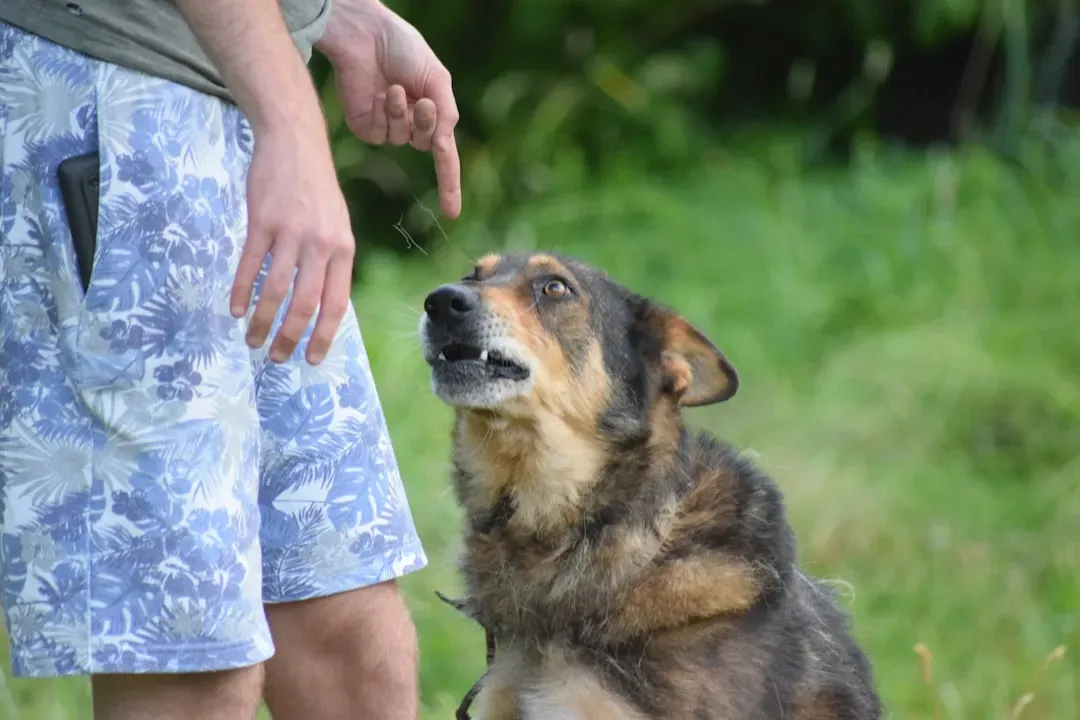
Dogs might turn their head away from a stressor but angle their eyes toward it, causing the whites of their eyes to show – referred to as “whale eyes.” It’s one of those signals that, once you see it, feels urgent. It means your dog is deeply uncomfortable and trying desperately to avoid the trigger in front of them.
Stress and fear signals often appear before growling or biting. Recognizing early signs of discomfort can prevent escalation. This is so important for families with children or households with multiple pets. Catching the whisper means you never have to hear the shout.
If you punish your dog for growling or snarling, in order to communicate, they may resort to snapping or biting to “escape” from an unpleasant situation. A growl is a gift. It’s your dog’s last polite warning before they feel they have no choice. Respect it, investigate the cause, and never silence it through punishment.
How to Respond: Building a Language of Trust
Understanding your dog’s language is only half the conversation. The other half is how you respond. Your dog is “talking” to you all the time. If you learn what your dog is saying, you will develop a deeper bond of trust and respect. Plus, your newfound understanding of your dog’s emotional state can help you predict their behavior and prevent problems before they arise.
Dogs thrive on consistency. Regular feeding, walking, and rest times help create emotional stability, which translates into calmer tail and body language. Structure is a love language for dogs. Predictability makes them feel safe, and a safe dog communicates openly and honestly.
The same wag may mean different things in different situations – assess your dog’s environment before making assumptions. Context is everything. A fast wag during play at home is very different from that same fast wag when a stranger approaches at the park. Slow down, look around, and read the full moment.
Reading, understanding, and responding to your dog’s body language is a key part of the companion-to-owner relationship. By understanding their cues and appropriately advocating for your dog, owners can ensure their dogs remain happy, comfortable, and safe. You are your dog’s voice in the world. That is one of the most profound responsibilities of dog ownership.
Conclusion: Becoming Fluent in Dog
There is something quietly extraordinary about the moment you truly start to understand your dog. Not just the big, obvious signals – the tail wag, the bark, the zoomies – but the subtle ones. The soft eyes that say “I trust you.” The tucked tail that says “I’m scared, please help.” The lip lick that whispers “I’m not comfortable here.”
Learning your dog’s language isn’t a skill reserved for trainers or experts. It’s available to every single one of us who takes the time to look. It’s a daily practice, a labor of love, and honestly, one of the most rewarding things you’ll ever do as a dog parent.
Your dog has been trying to tell you their story from the very first day they came into your life. Now it’s your turn to truly listen. What has your dog been trying to say that you may have been missing all along? Share your story in the comments – we’d love to hear it.


