
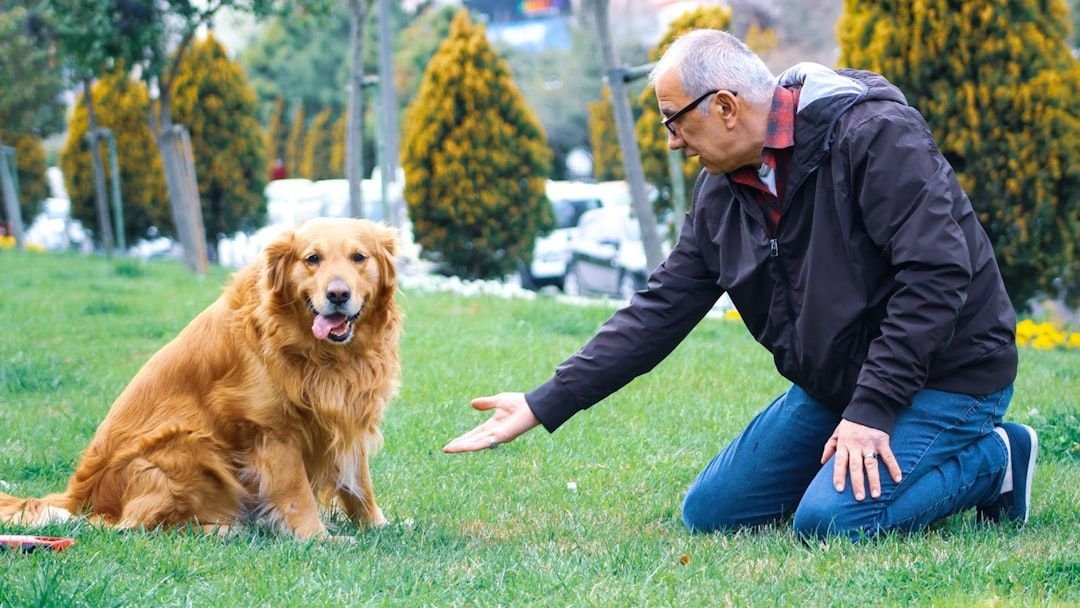
You love your dog. You’ve watched the shows, read the books, maybe even scrolled through hours of training videos at midnight with your pup sleeping beside you. Yet somehow, something still feels off. Your dog still ignores you at the park, still counter-surfs, still gives you that look when you come home to a chewed-up shoe.
Here’s the thing – it might not be your dog’s fault at all. So much of what gets passed around as dog training “wisdom” is actually outdated, oversimplified, or just plain wrong. The gap between popular belief and actual canine science is wider than most people realize, and closing that gap can completely transform your relationship with your dog. Ready to have a few deeply held beliefs gently challenged? Let’s dive in.
The “Alpha” Myth That Refuses to Die
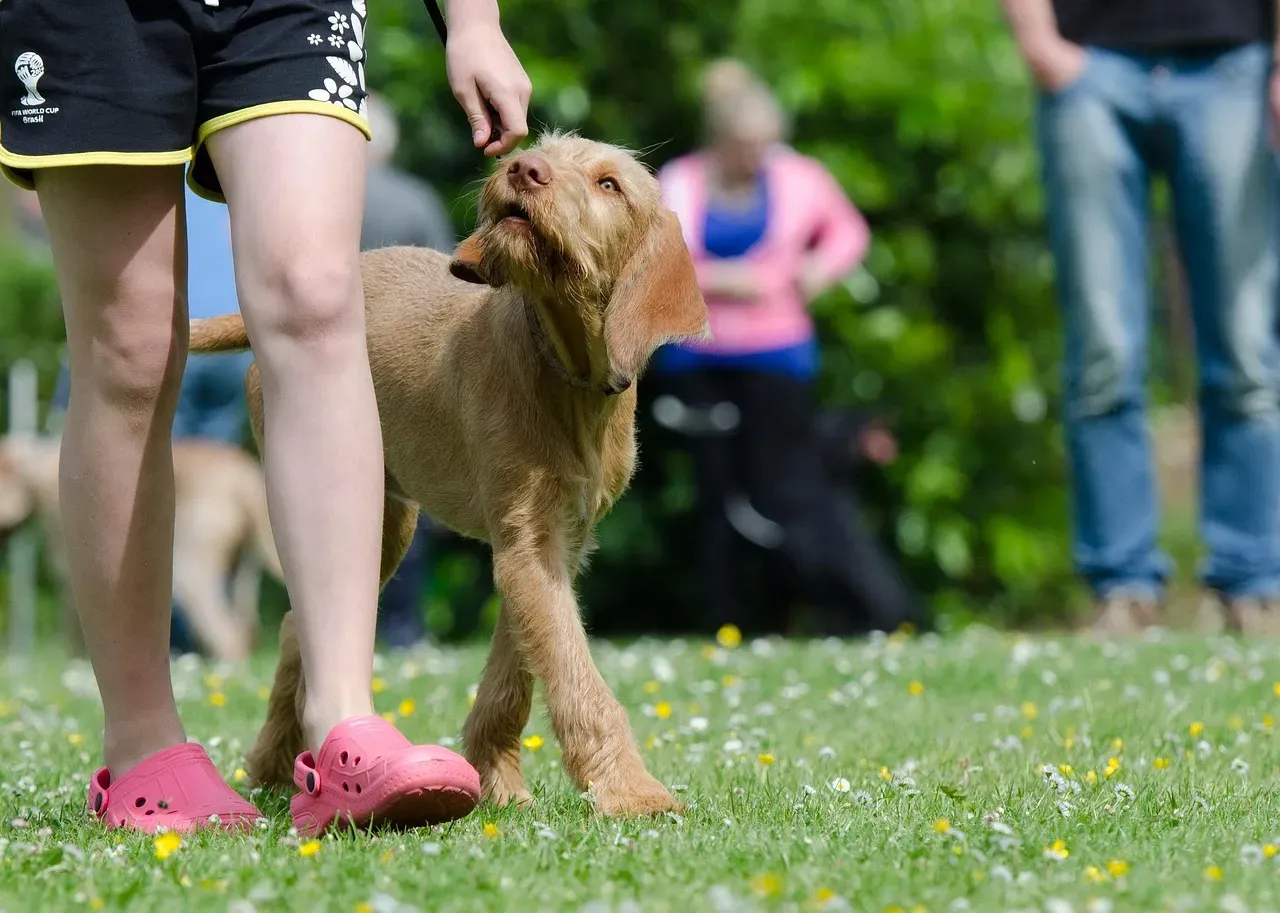
The idea that dogs spend every waking moment trying to usurp their human masters and become “the alpha” in the house is one of the most pervasive myths in dog-training lore. It sounds instinctively logical. It even sounds tough and responsible. The problem? It was built on a foundation of deeply flawed science.
The alpha wolf, dominance-based model stems from outdated wolf research. In the 1940s, zoologist Rudolph Schenkel observed captive, unrelated wolves housed together and concluded that alpha wolves maintained their dominance through aggression. Trainers later foolishly extended this idea to domestic dogs. Field biologist L. David Mech later showed that wild wolf packs are family units led cooperatively by parents, not by violent alphas.
Dogs are not wolves. They might be known as a sub-species to wolves, but thousands of years of evolution have changed not only the way dogs look, but also the way they behave. Applying wolf pack logic to your Labrador is a bit like assuming your toddler follows ancient tribal hierarchies because humans evolved from hunter-gatherers.
Instead of worrying if your dog has the upper hand in a battle for “dominance,” focus on building a common language, teaching and rewarding behavior you want, replacing unwanted behavior, and building your dog’s confidence. That shift in mindset alone will change everything.
Punishment-Based Training Does More Harm Than Good

Honestly, this one is hard to hear, especially if you were raised around traditional training methods. Most of us learned that a firm “no,” a leash correction, or a rolled-up newspaper was just… normal. Science has since had a lot to say about that.
Research found that dogs trained using aversive training methods were 15 times more likely to show symptoms of stress than those trained using positive reinforcement. Nearly two-thirds of the dogs in the aversive training group showed at least one stress-related behavior, compared to only about one in twelve in the positive reinforcement group.
Although punishment-based procedures can decrease behavior temporarily, the behavior often returns with increases in intensity and frequency and can lead to avoidant behaviors, making training more difficult. Think of it this way: if your boss yelled and shoved you every time you made a mistake, would you feel inspired to perform better? Or would you just become anxious, resentful, and avoidant?
Aversive or punitive dog training, which usually involves some form of intimidation, fear, and physical punishment, is associated with increased anxiety, stress, and a greater likelihood for the dog to shut down or behave more aggressively. Even though intimidation and physical force might stop aggressive behavior in the moment, a dog is more likely to defend himself aggressively in the future because the underlying cause of the behavior has not been addressed. That’s not a win. That’s a time bomb.
Treats Are Not Bribery – Your Dog Is Earning a Paycheck

Let’s be real: the “treats are bribery” argument is surprisingly widespread, and it drives canine behavior experts a little bit mad. The myth of using food being equal to bribery is commonly promoted by trainers that rely on force and intimidation rather than behavioral science. It’s a way of framing generosity as weakness.
When dogs receive a treat or praise, their brains release dopamine, a neurotransmitter associated with pleasure, reward, and motivation. Over time, the behavior that leads to this pleasurable outcome becomes more ingrained, thanks to these neurochemical pathways. Your dog isn’t being manipulated – their brain is literally wiring itself to repeat good choices.
Dogs trained with positive reinforcement tend to retain learned behaviors for longer. The association between the behavior and the reward is strong and doesn’t diminish as quickly as fear-based responses. A dog who sits because it feels good to sit is far more reliable than a dog who sits because they’re scared not to.
Positive does not mean permissive. Positive trainers set boundaries and teach limits so your dog can’t practice unwanted behaviors, but can choose appropriate behaviors instead. Structure and kindness are not opposites. They work beautifully together.
Old Dogs Absolutely Can Learn New Tricks
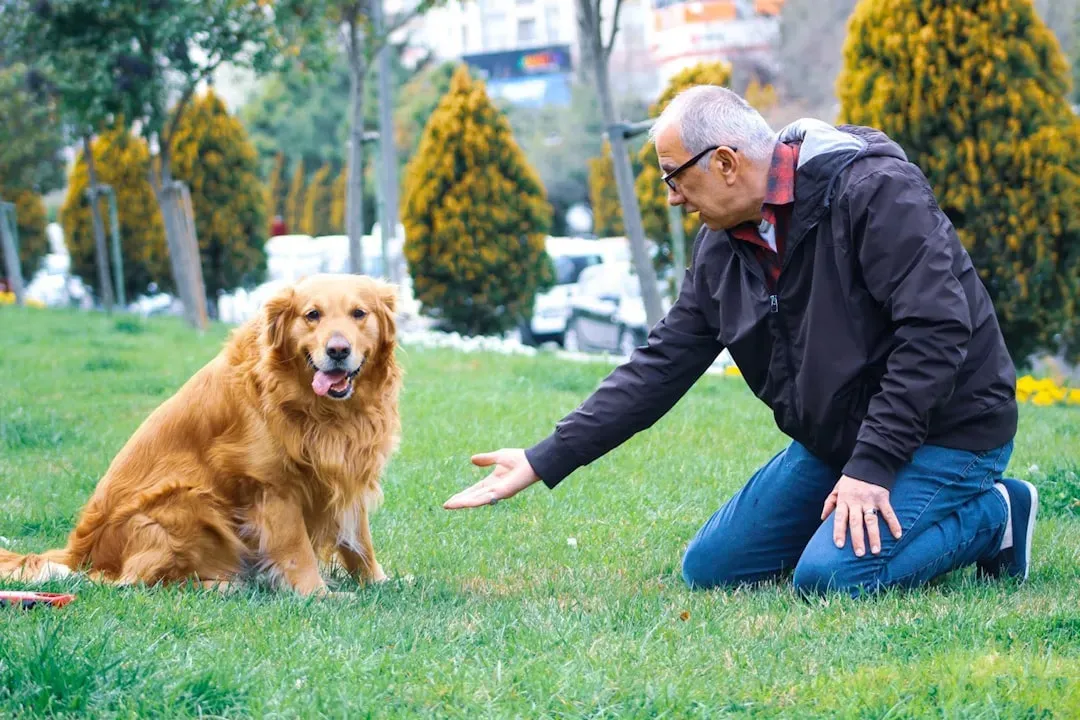
You’ve heard the saying. Maybe you’ve even used it as a reason to stop trying with your five-year-old rescue. It feels like a reasonable belief. It is, however, completely and utterly wrong – and I’m so glad about that.
One of the most widely spread training myths is the idea that older dogs are set in their ways and can’t learn new behaviors. While it might be true that younger dogs tend to learn faster, that doesn’t mean senior dogs are incapable of learning. Dogs of any age have the ability to learn new tricks – it just requires patience and consistency.
Older dogs can benefit greatly from training, and the process might even improve their overall well-being. Positive reinforcement and repetition are especially effective for senior dogs. Training an older dog also strengthens your bond with them and can even improve their quality of life. It’s a gift, not a chore.
The truth is, training is a long-term thing – something that needs reinforcing again and again. Think of it less like a course you complete and more like a language you keep speaking together. The conversation never really ends, and that’s actually beautiful.
Short Sessions Beat Long Ones Every Single Time
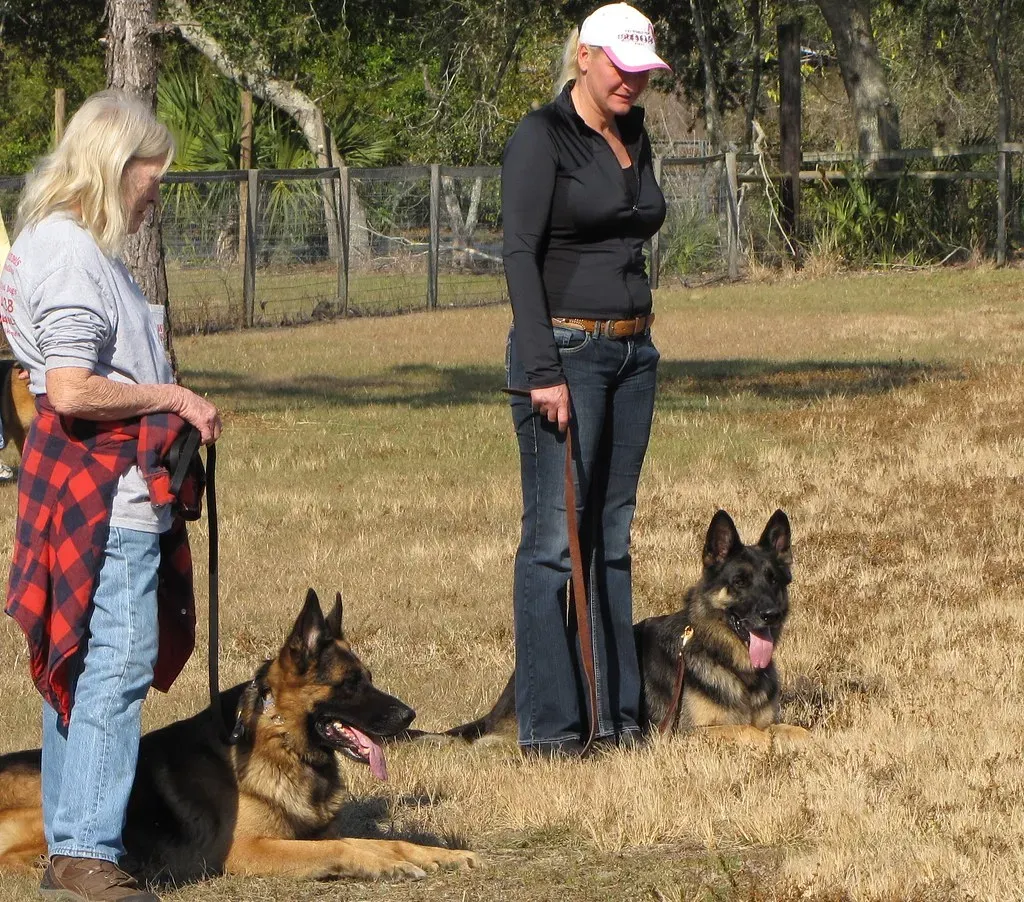
Here’s a scenario many dog parents know too well: you set aside an entire Saturday afternoon to “really get the training done.” An hour in, your dog is zoning out, you’re frustrated, and nothing seems to be sticking. Sound familiar? The problem isn’t your dog. It’s the format.
Dogs learn best with brief, positive training sessions of around five to ten minutes, repeated throughout the day. The key is consistency – short, frequent practice sessions are much more effective than long, sporadic ones. It’s the difference between cramming the night before an exam and studying a little every day. One of those actually works.
Training can improve general obedience, prevent undesirable behaviors from developing, and provide your dog with much-needed mental stimulation. Even if your dog isn’t exhibiting any behavioral issues, training helps reinforce commands and can improve everyday interactions. A dog who practices “sit” for two minutes before breakfast is a more mentally engaged, satisfied animal.
Science consistently shows that positive reinforcement creates faster learning, stronger retention, and a happier, more confident dog. Keep it light, keep it fun, keep it short. That is the actual secret, and it costs you nothing but a little consistency and a pocket full of treats.
Conclusion: Your Dog Deserves the Truth

Uploaded by palnatoke, CC BY-SA 2.0)
So much of dog training mythology has been built on misinterpreted science, flashy TV shows, and advice passed down like a game of telephone. The gap between what we were told and what is actually true is not small. It’s enormous. The good news? The real approach – patience, positive reinforcement, clear communication, and genuine trust – is also the warmer, kinder one.
Understanding how dogs actually learn helps you support them with confidence, patience, and compassion. By letting go of old training myths and embracing evidence-based training, you give your dog the best chance to thrive – emotionally, behaviorally, and socially.
Your dog isn’t trying to dominate you. They’re not being stubborn or vindictive or sneaky. They’re trying to understand a world we built for humans, and they’re looking to you for guidance. The moment you swap fear for trust and correction for clarity, you’ll see a dog who genuinely wants to get it right. What old training belief are you ready to finally let go of? Share it in the comments – you might just help another dog owner have their own lightbulb moment.


