
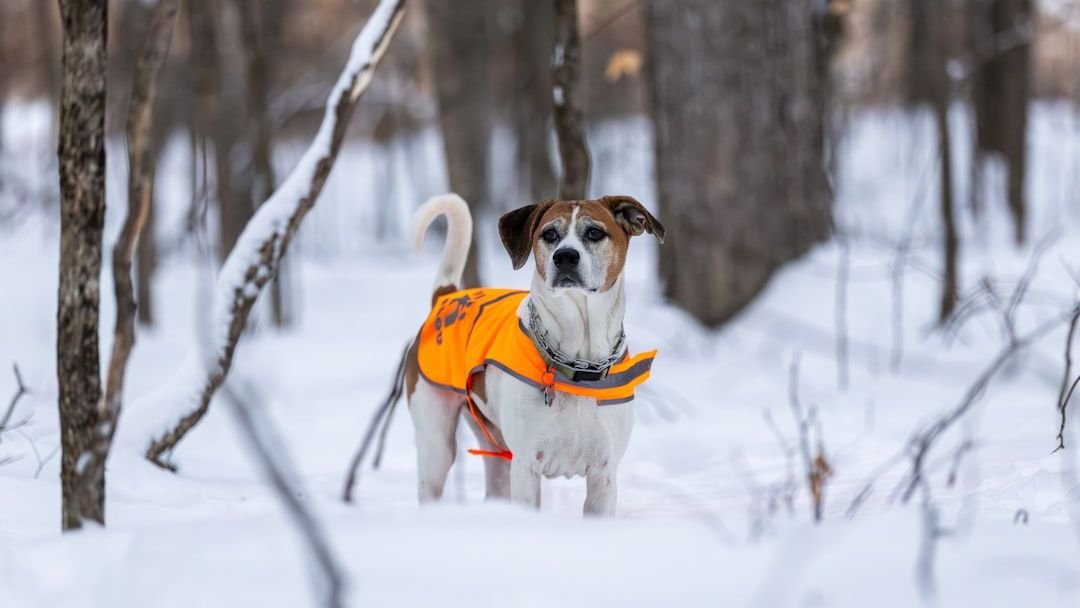
Winter storms can transform a peaceful neighborhood into a dangerous landscape, especially for those without shelter or protection. What many people might not immediately think about when they hear severe weather warnings is the silent suffering happening just outside their doors. Pets and stray animals face life-threatening conditions when temperatures plummet, yet not everyone realizes the urgency of the situation.
Actor Justin Long, who was born and raised in Fairfield, Connecticut, has long been an advocate for animal welfare. Known for his work with PETA over the years, Long understands the harsh reality that companion animals face when left outside during brutal winter weather. The message is simple yet critical: animals will die if left exposed to freezing temperatures. Let’s dive into what’s being done and why this matters more than ever right now.
The Stark Reality of Winter Weather for Animals
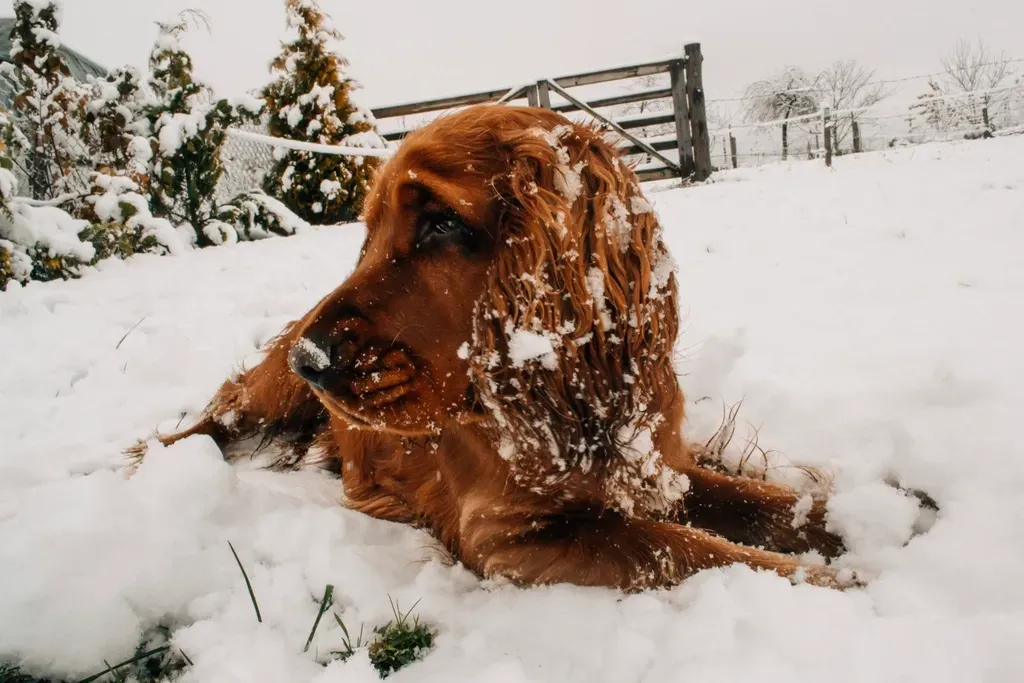
Animals are especially vulnerable in cold weather, which leads to multiple deaths, injuries, and near-miss rescues each year – and most incidents aren’t even reported. The heartbreaking truth is that what we see in news reports represents only a fraction of the suffering. Dogs chained outside, cats seeking refuge under cars, and wildlife struggling to find water are all part of this hidden crisis.
This winter alone, dozens of dogs and cats have died from cold-weather-related causes – and those are just the cases that are reported. Most aren’t. It’s hard to say for sure, but the actual number is likely far higher. Think about it: how many animals suffer silently in backyards, on chains, without anyone noticing until it’s too late?
Bringing Animals Indoors Can Save Lives

Dogs who are kept permanently chained and penned outside and “outdoor cats” often go without adequate food, water, shelter, or veterinary care. Animals who are left outdoors in the cold can suffer from frostbite and exposure. Honestly, the most straightforward solution is also the most effective one: bring them inside.
Dogs who are kept tethered can become tangled and die when they’re unable to reach food, water, or shelter. Even animals with doghouses aren’t necessarily safe. A flimsy shelter can’t protect against wind chill or prevent water bowls from freezing solid. The best place for any companion animal during severe weather is indoors with their family.
Proper Winter Gear and Short Outdoor Excursions
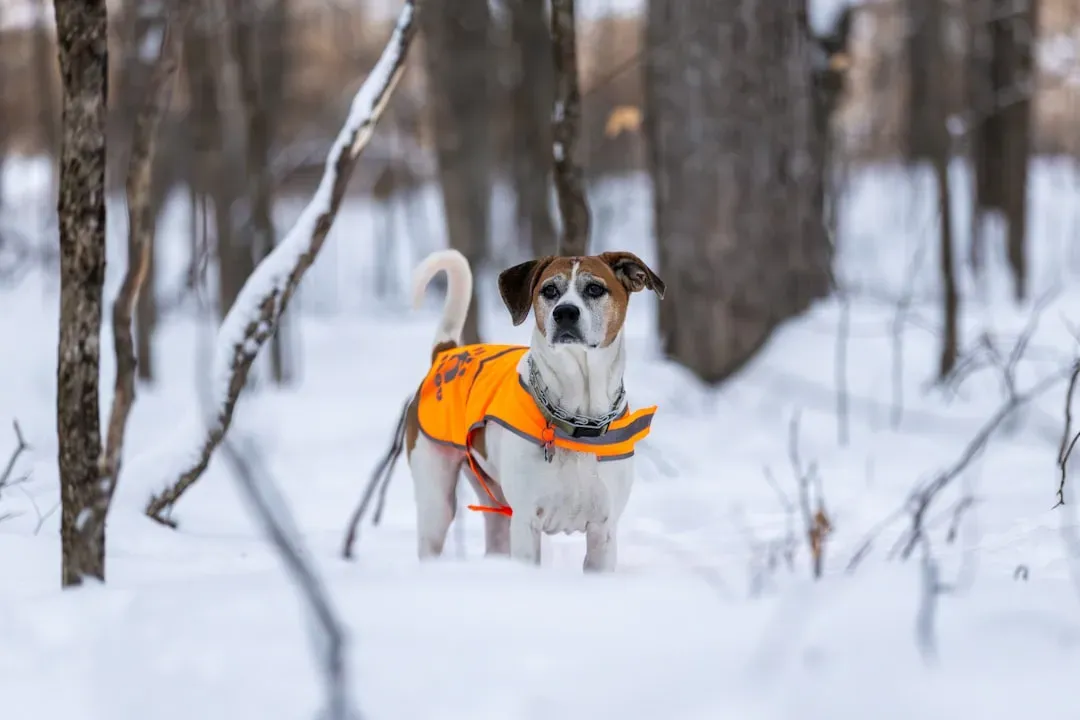
Coats will keep dogs comfortable in cold weather (just be sure to remove wet jackets the moment dogs return home), secure harnesses can help prevent them from getting loose on walks, and booties will protect their sensitive paw pads from the frozen ground. Many people assume that because dogs have fur, they’re naturally equipped for winter. That’s not always true, especially for short-haired breeds.
Keep walks short in cold weather, especially for shorthaired dogs. Even with proper gear, exposure time should be limited. Pay attention to your dog’s behavior. If they’re lifting their paws, shivering, or showing reluctance to keep walking, it’s time to head back inside immediately.
Don’t Forget About Wildlife and Birds
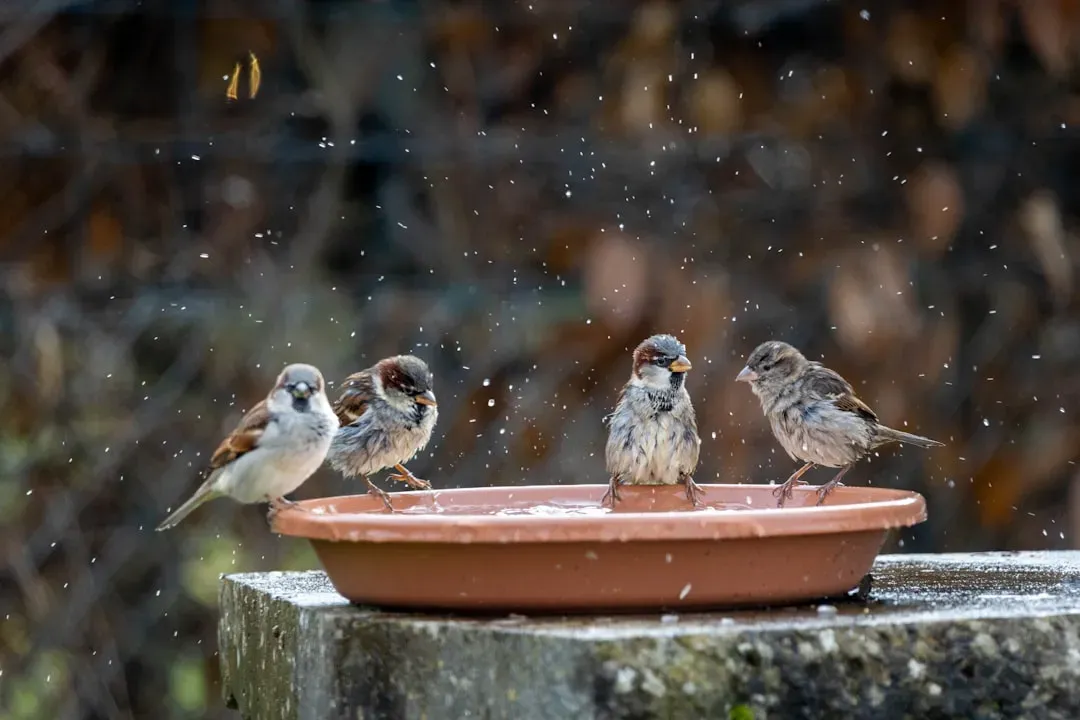
During extreme winter weather, provide birds and other wild animals with access to an emergency water supply by filling a heavy nonmetal water bowl and breaking the surface ice at least twice a day. Wildlife faces enormous challenges finding unfrozen water sources when temperatures drop below freezing for extended periods.
The metal bowl warning is particularly important because tongues can actually freeze to metal surfaces. Using plastic or ceramic bowls prevents this painful and potentially deadly situation. It’s a small effort that can make a massive difference for local wildlife trying to survive harsh conditions.
Recognizing and Reporting Animal Neglect
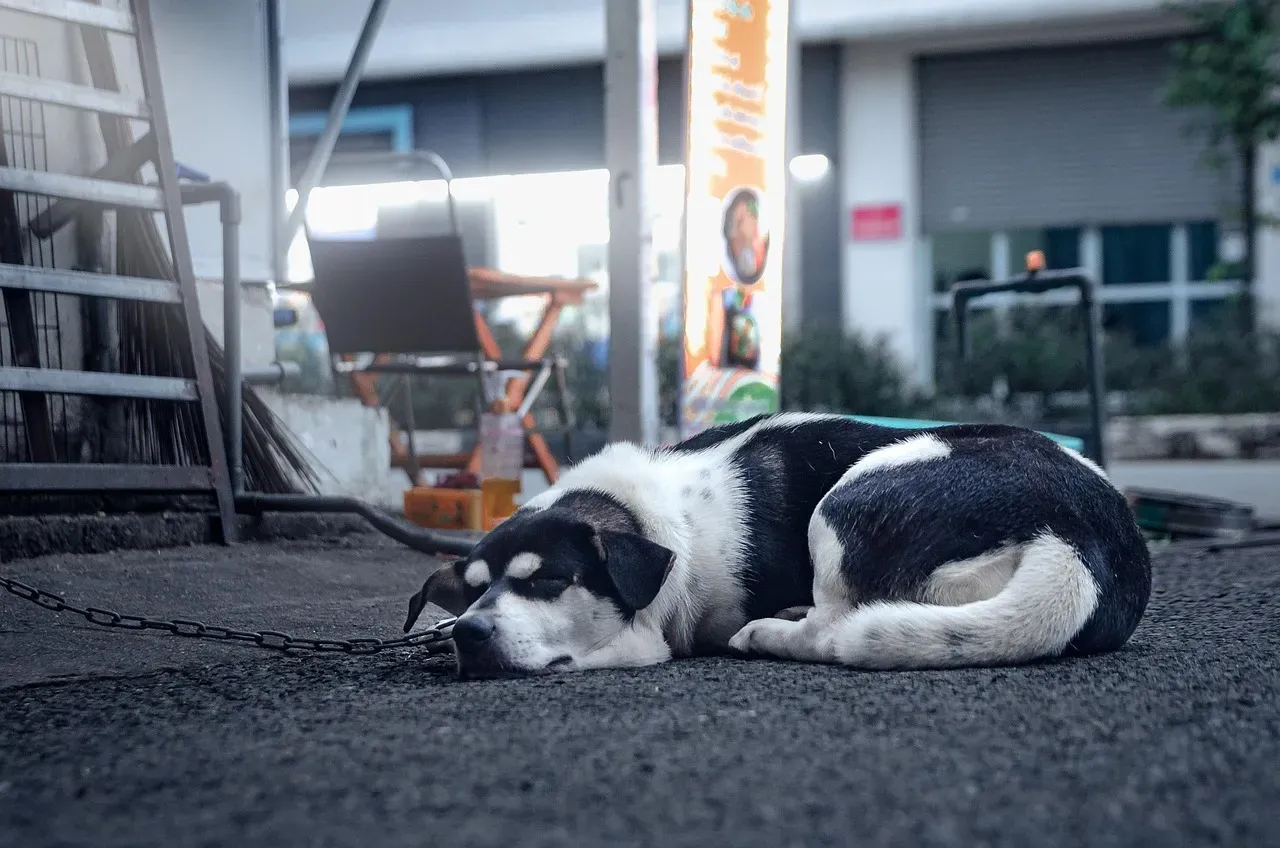
Good Samaritans who see companion animals kept chained or penned outside 24/7 or without adequate shelter from the elements should note the animals’ exact location and alert local law-enforcement authorities immediately. Anyone who leaves animals outside to suffer in severe weather may be prosecuted. Many jurisdictions have laws protecting animals from weather-related neglect.
Here’s the thing: if you see an animal suffering, documenting it with photos, noting the exact address, and contacting authorities can literally save a life. Some people worry about getting involved or causing trouble for neighbors. Yet the reality is that an animal’s life hangs in the balance, and intervention isn’t just compassionate – it’s often legally required.
Understanding the Physical Dangers Animals Face
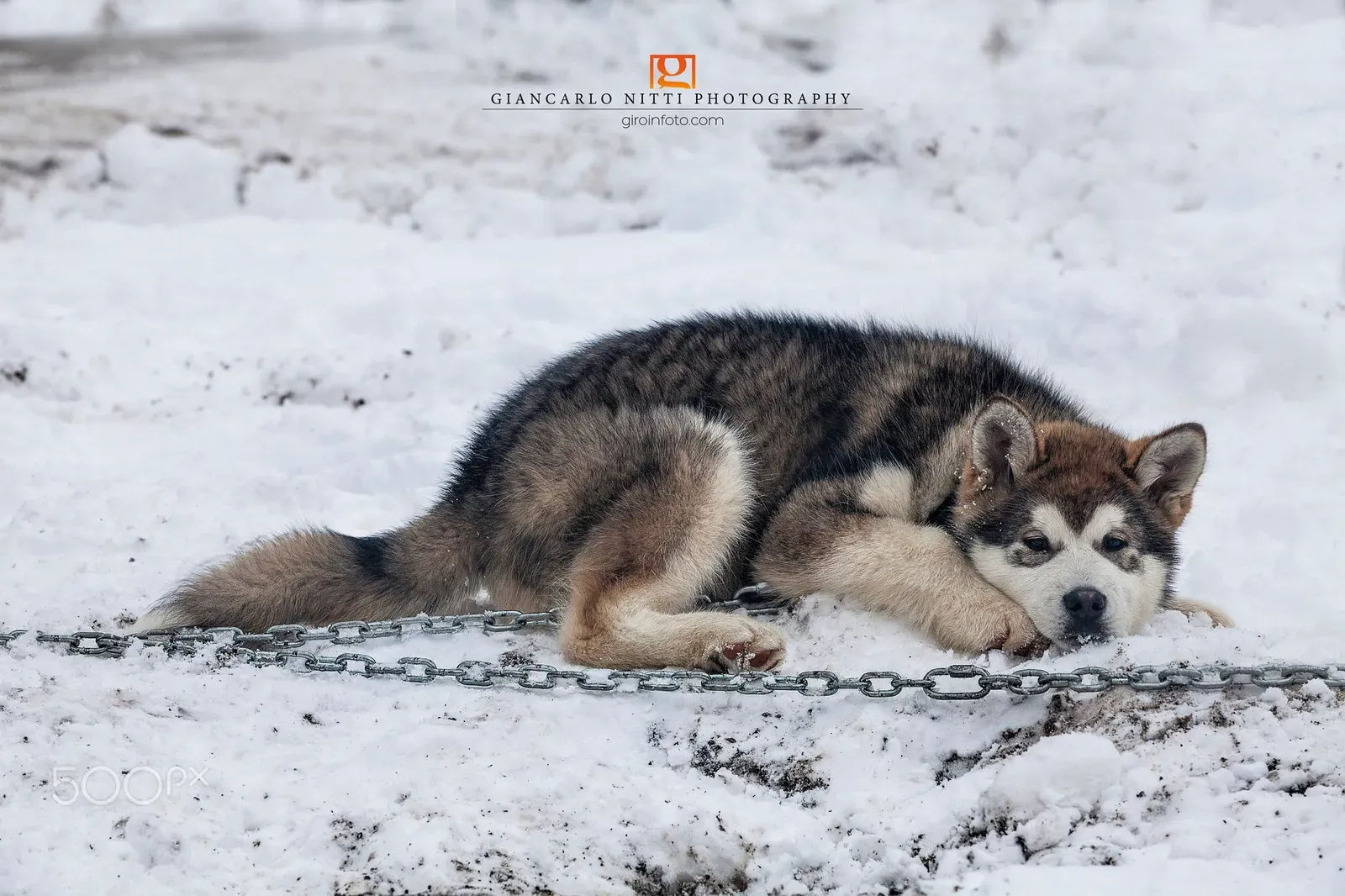
Dogs like pitbulls – the breed most commonly found chained outside – have short coats, which offer little protection from the cold, so while they may look tough, they suffer greatly. Dogs kept penned or chained outdoors often go without adequate water, protective shelter, or veterinary care, and chains can easily become tangled or frozen to the ground – or even frozen to the dog. The image of a chain frozen to an animal’s fur or skin is haunting.
Dogs and cats who are left outdoors in the cold can suffer from frostbite, hypothermia, and dehydration and starvation when water and food sources freeze. Frostbite typically affects extremities first – ears, tails, and paws. Hypothermia, meanwhile, can set in alarmingly fast when animals are wet or exposed to wind. Dehydration might sound counterintuitive in winter, but when all water sources are frozen solid, animals can’t access the hydration they desperately need.
Taking Action Before It’s Too Late
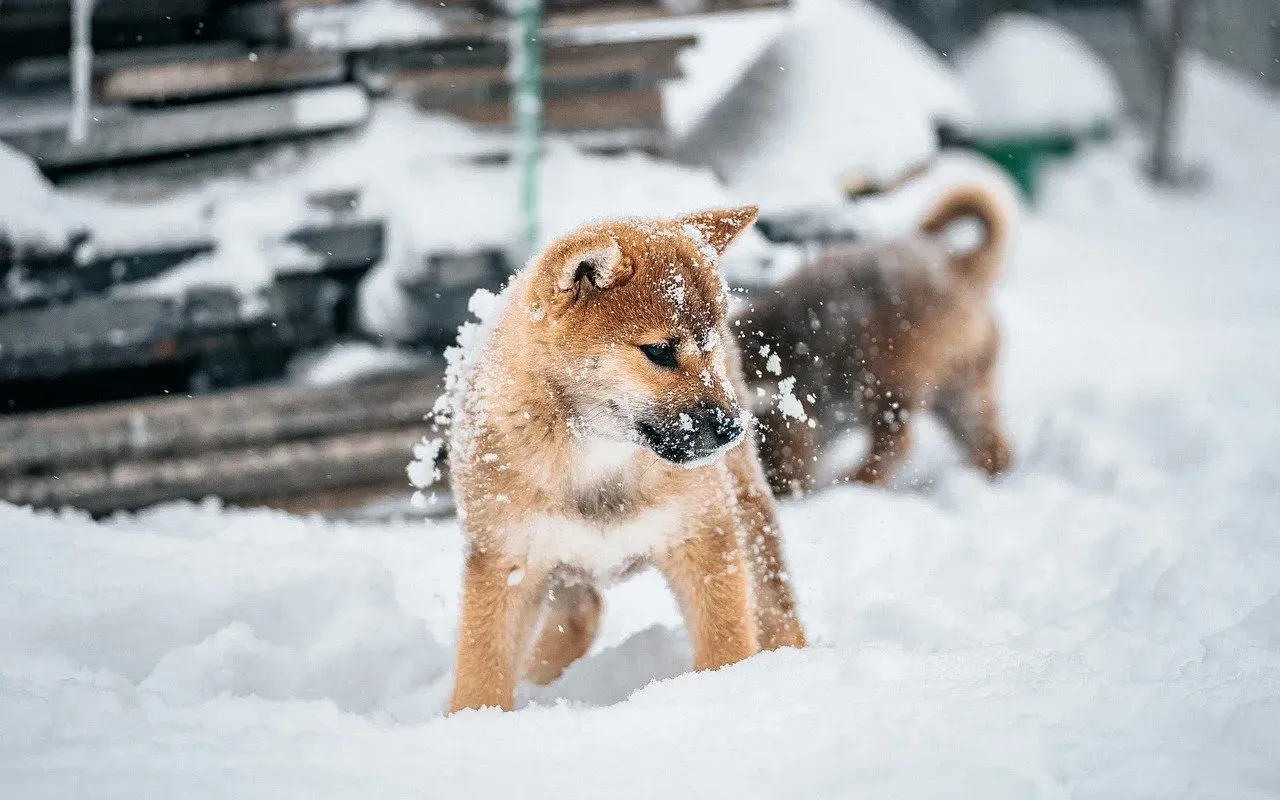
Winter weather warnings should trigger immediate action for pet owners and animal lovers alike. Check on outdoor animals in your neighborhood. Make sure your own pets are safe indoors. Fill those water bowls for wildlife. These aren’t difficult tasks, yet they require conscious effort and awareness.
The collaboration between advocates like Justin Long and organizations like PETA highlights a message that bears repeating: animals depend entirely on us for their safety during extreme weather. They can’t unchain themselves, open doors, or call for help. We’re their only hope when temperatures plummet and storms roll in. The next time you hear a winter weather advisory, think about the animals around you and take action accordingly.
What would you do if you saw a dog shivering on a chain in your neighborhood? The answer to that question could be the difference between life and death for an innocent animal.


