

We’ve all been there. You’re sitting at the dinner table, enjoying a meal, and those pleading eyes lock onto yours. Your dog sits perfectly still, maybe a little drool forming at the corner of their mouth, silently begging for just one bite of your delicious food. It feels harmless, right? Maybe even loving. After all, sharing is caring.
Here’s the thing, though. What seems like a small act of affection can spiral into a cascade of health problems for your furry companion. Those innocent table scraps might be quietly undermining your dog’s wellbeing in ways you never imagined.
The Hidden Danger of Pancreatitis
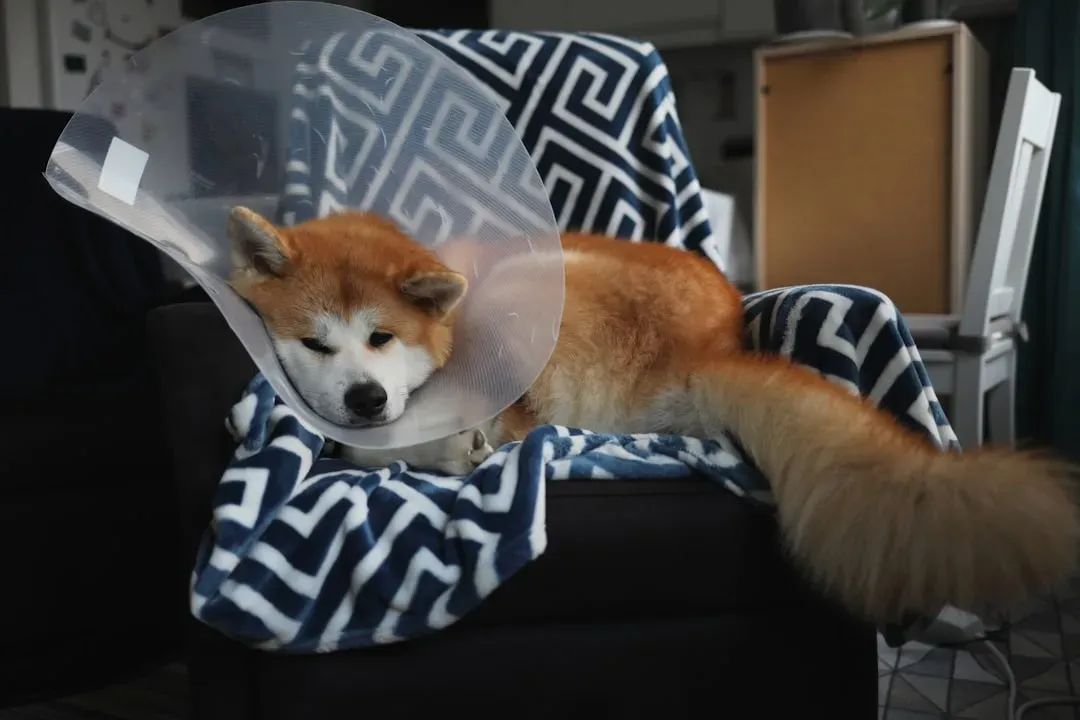
Let’s talk about something many dog owners don’t see coming until it’s too late. Pancreatitis, caused by eating fatty foods, can be fatal in dogs. Think about the rich, buttery foods we enjoy. That piece of steak fat you trimmed off, the crispy turkey skin from Sunday dinner, even that dollop of gravy.
When dogs develop pancreatitis, digestive enzymes activate prematurely in the pancreas itself, causing the organ to essentially digest itself – an extremely painful condition. The pancreas becomes inflamed and angry, and what started as a loving gesture from your dinner plate transforms into an emergency vet visit. I’ve seen too many heartbroken owners in waiting rooms, wishing they’d known better.
Vomiting occurs in roughly nine out of ten cases, while abdominal pain appears in more than half. Your dog might adopt what vets call a prayer position, with their rear end up and front legs stretched out on the ground. It’s their body’s desperate attempt to ease the agony.
Toxic Foods Hiding in Plain Sight
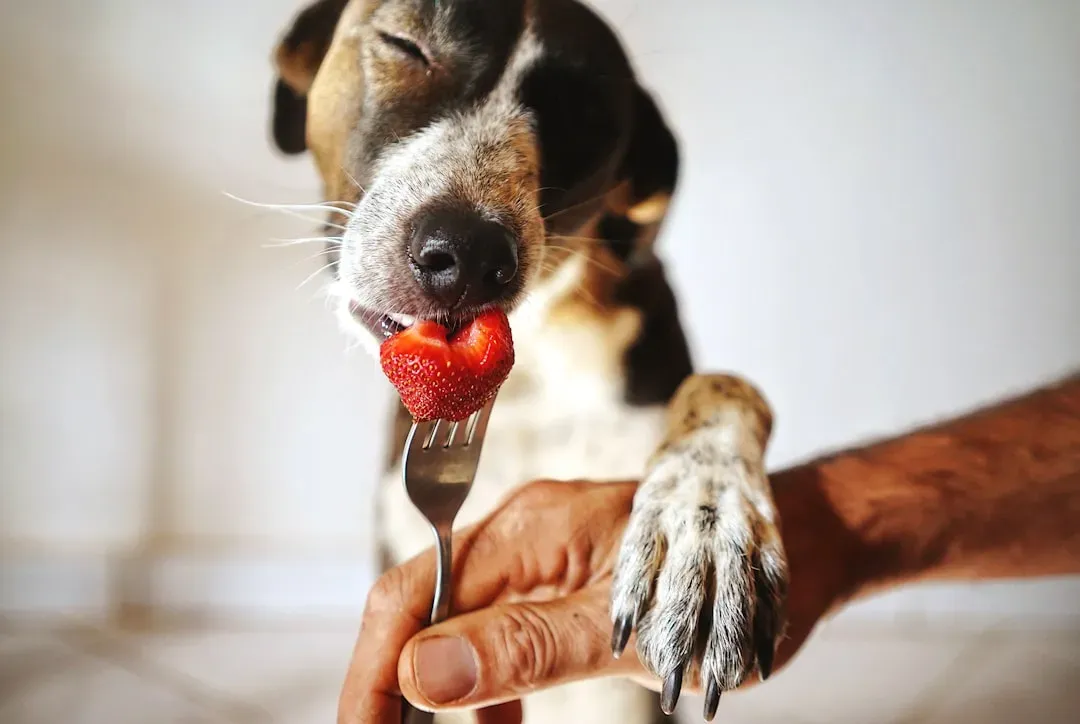
Human foods containing raisins, grapes, chocolate, xylitol (found in gum and candies), and onions can all be toxic to dogs. The scary part? These ingredients sneak into dishes where you’d never expect them. That innocent-looking raisin bread. The soup simmering with onions and garlic. The brownie sitting on your plate.
Raisins and grapes have been linked to kidney toxicity in pets, while xylitol causes dangerously low blood sugar that can lead to death. Even small amounts can trigger serious reactions. Chocolate, raisins, grapes, macadamia nuts, almonds, onions and garlic are all dangerous for dogs to eat.
Here’s what keeps me up at night. These toxic foods might be introduced in seemingly harmless ways, hidden in raisin breads, soups, brownies and other food combinations. You might not even realize what you’re handing over contains something deadly until symptoms appear.
The Weight Gain You Don’t See Coming
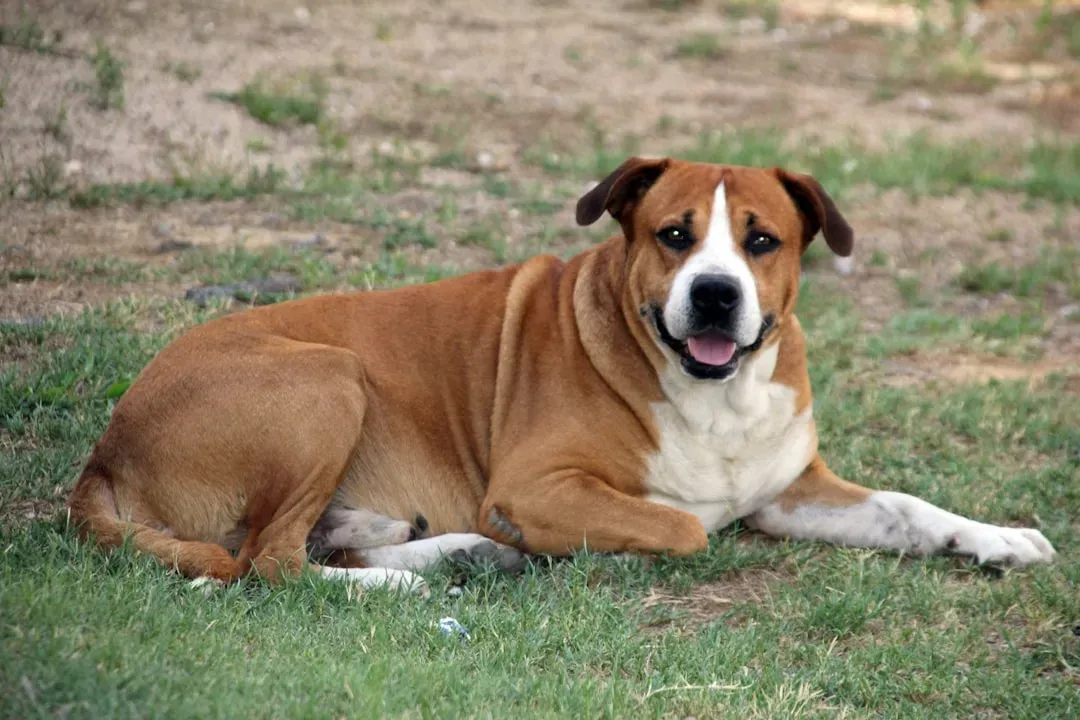
A bite here, a morsel there. What’s the harm, really? Well, let me paint you a picture. To a twenty-pound dog, a single ounce of cheddar cheese equals the caloric equivalent of a person eating one and a half hamburgers. Seriously. Let that sink in.
Roughly sixty percent of dogs are now overweight or obese, mirroring the obesity crisis in humans. Small bites quickly add up and lead to weight gain that can cause arthritis, diabetes and heart disease. Your dog’s joints start aching under the extra pounds. Their heart works overtime. Diabetes becomes a real possibility.
While you might think a bite or two won’t cause weight gain, over time it adds up. Those puppy-dog eyes are working against both of you, creating a cycle where love equals food, and food equals health problems down the line.
Behavioral Problems You’re Accidentally Creating
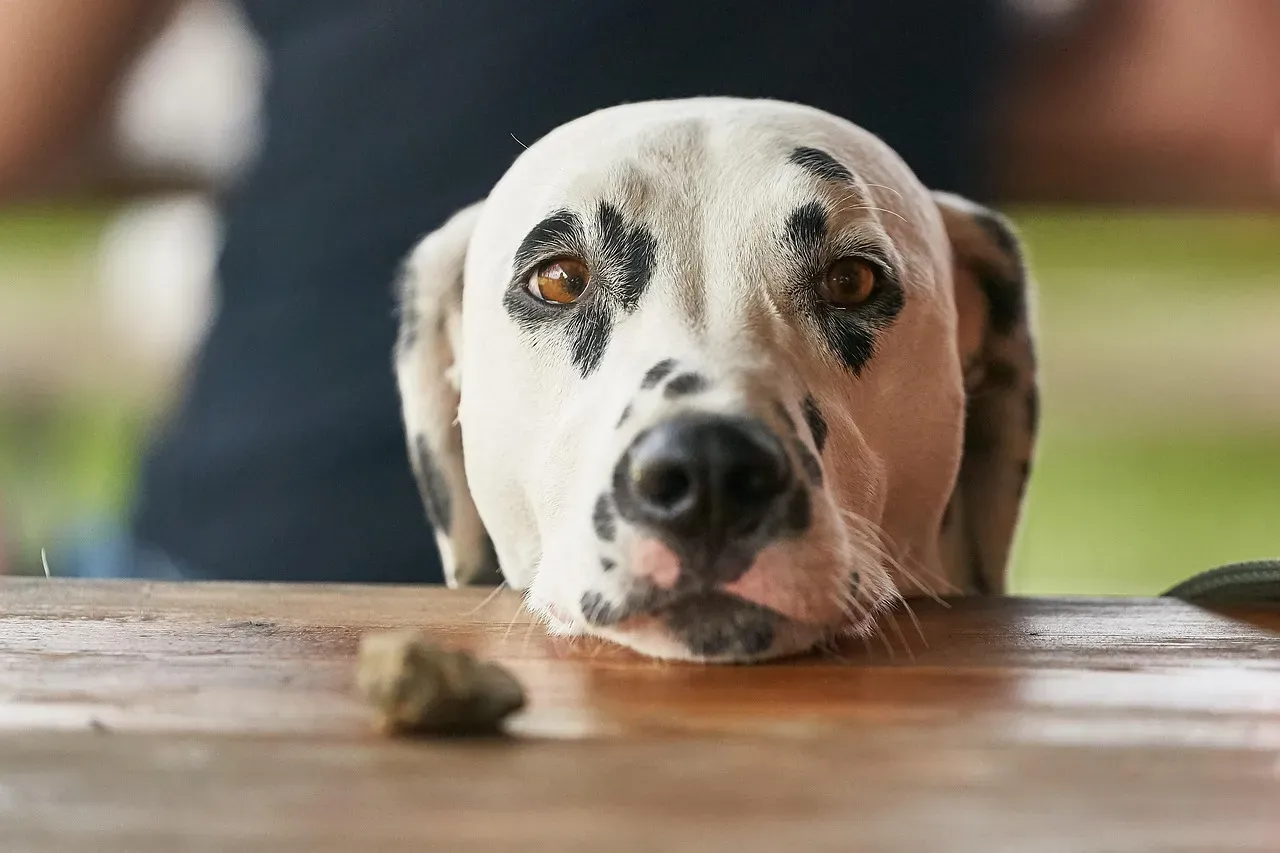
By giving into your dog’s demands for food, you’re reinforcing their begging behaviors. Every time you cave, you’re teaching them that persistence pays off. Soon enough, every meal becomes a performance where your dog whines, paws, and stares until someone breaks.
Think about your dinner guests. While you might find begging cute, dinner guests may not appreciate your dog hovering over their plates. Your dog might also decide that if food comes from the table, anything on counters or tables is fair game too. Next thing you know, they’re snatching food when you turn your back.
Some dogs eventually refuse their kibble when they’re constantly given human food. They become picky eaters, holding out for the good stuff. Now you’re stuck with an expensive bag of untouched dog food and a pooch who only wants what you’re having. Training yourself to resist becomes harder than training your dog to behave properly.
Bones Are Not a Treat
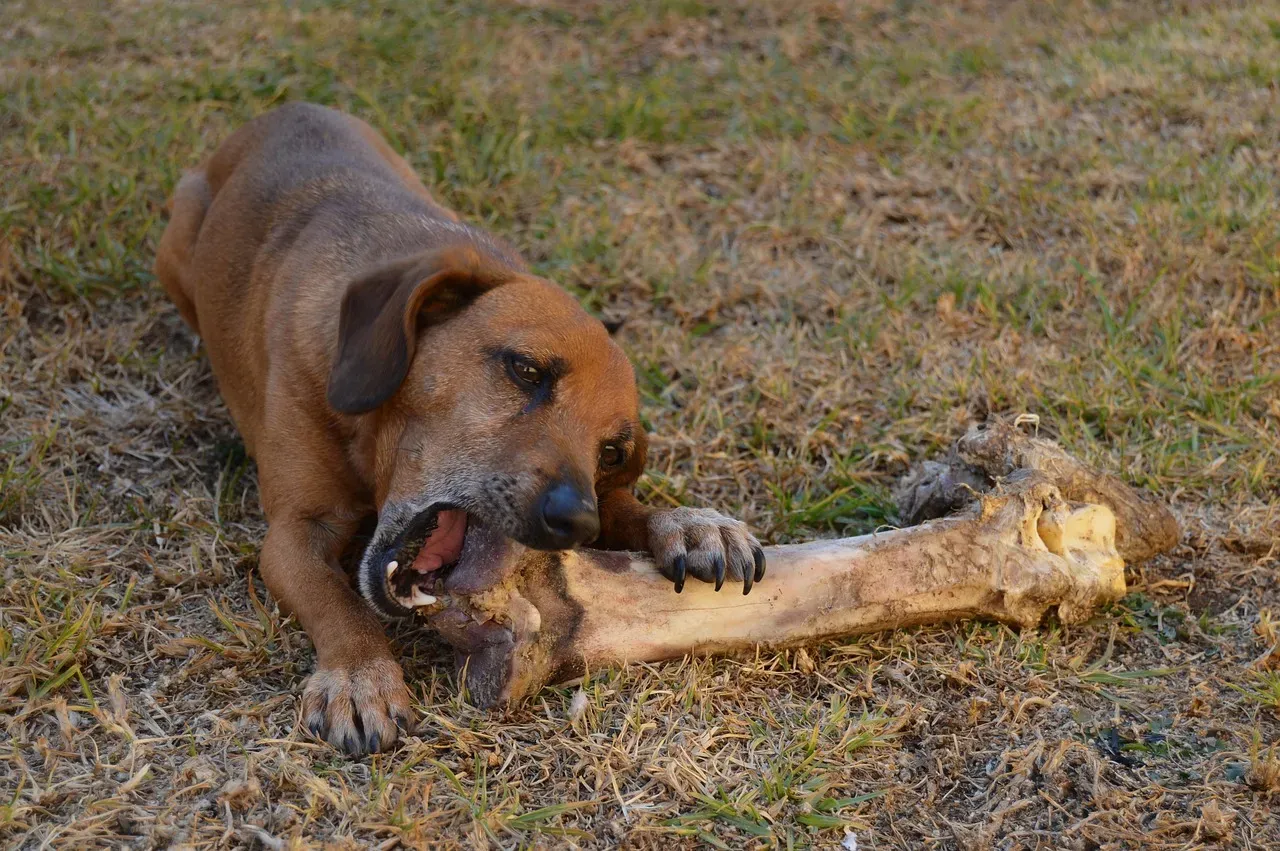
Turkey and chicken bones given as scraps are especially dangerous because the cooking process dries them out, making them splinter easily and get stuck in digestive passages. Those splintered pieces can lodge anywhere from the mouth to the stomach, or even embed themselves in intestinal walls.
Larger bone chunks can become stuck in the small bowel, causing pain and distress, and may require surgical removal. What seemed like a natural, wholesome treat becomes a surgical emergency costing thousands of dollars. I honestly believe this is one of the most preventable tragedies in dog ownership.
Sharp bones can cause intestinal perforations and blockages, turning a holiday treat into an expensive emergency room nightmare. Your dog can’t tell you what’s wrong. They just suffer silently until the obstruction becomes life-threatening.
Breaking the Habit for Good
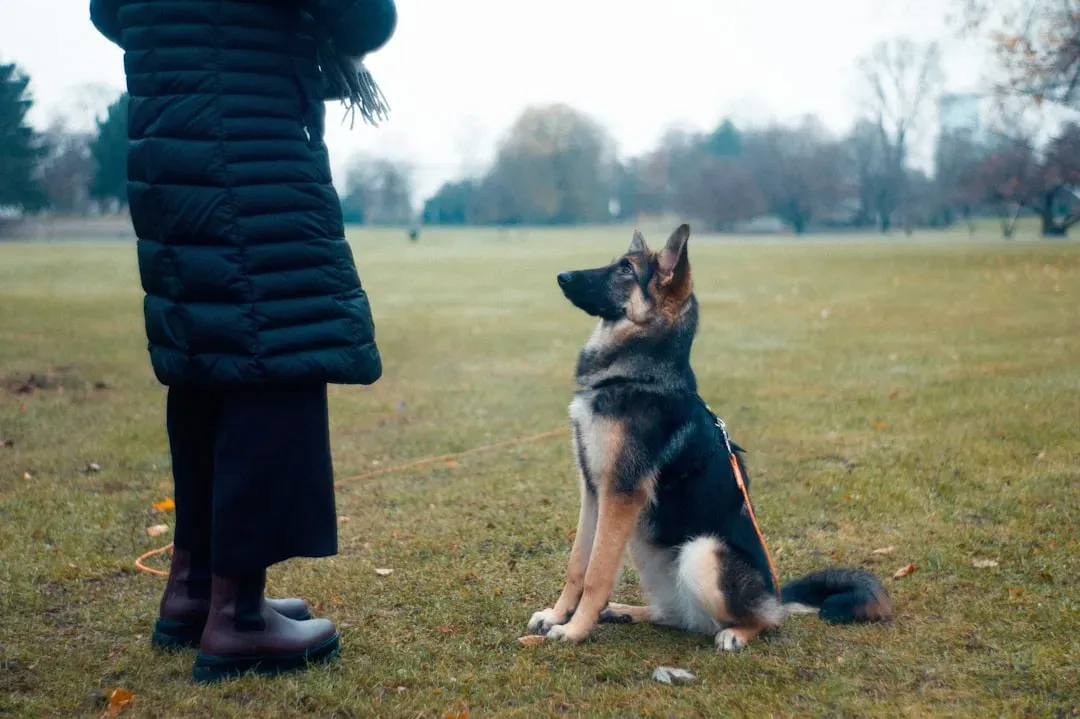
The best way to stop begging is to prevent your dog from being near you while you eat, either by confining them to another room or putting them in their crate. Some owners teach their dogs to go to a designated spot during mealtimes.
Introduce the leave it command during training sessions to discourage your dog from approaching the table or attempting to grab food. This takes patience and consistency, but it works. Give them a special toy or puzzle feeder to keep them occupied while you enjoy your meal.
Everyone in your household needs to be on board. Make sure the rest of the family follows the no feeding from the table rule to ensure less confusion for your dog and reinforce the message that begging won’t be rewarded. One person sneaking treats undoes everyone’s hard work.
Remember, your dog should never consume more than ten percent of their daily caloric intake from treats or human foods. If you want to share something special, choose plain, cooked lean meat or dog-safe vegetables, and offer them in your dog’s bowl away from the table.
Look, I know those eyes are powerful. They’ve been perfected over thousands of years of domestication. Your dog knows exactly how to tug at your heartstrings. Resisting feels mean, even cruel sometimes. Yet the kindest thing you can do is protect them from foods their bodies weren’t designed to handle. Your future self, and your healthy dog, will thank you for standing firm now.
What’s been your experience with table scraps? Have you noticed any changes when you stopped sharing your meals?


