

Have you ever watched two cats face off and wondered who’s more likely to start a fight—a feisty queen or a brawny tom? The question of whether female or male cats are more aggressive isn’t just a curiosity for pet owners; it’s a tale as old as whiskers and tails themselves. Cat lovers know how complex feline personalities can be, and aggression can sometimes spark confusion, concern, or even laughter. Let’s unravel the mysteries behind cat aggression and finally settle whether girls or boys are the real troublemakers in the feline family!
Understanding Feline Aggression: The Basics

When it comes to cat behavior, few topics stir as much curiosity (and debate) as the question of whether male or female cats are more aggressive. While personality varies widely from cat to cat, many pet owners notice distinct behavioral patterns that seem tied to gender—especially when it comes to things like territorial instincts, mood swings, or play aggression. But is there really a difference, or is it just a myth?
Aggression in cats isn’t just random bad behavior; it’s rooted in their natural instincts and survival tactics. For our furry companions, aggression can be a way to guard resources, defend territory, or express fear. Sometimes, it’s even a misunderstood attempt at play. While some cats are docile lap-loungers, others can surprise us with sudden swats or hisses. Understanding why aggression happens helps cat owners respond with patience rather than panic. It’s important to remember that aggression is a normal part of feline behavior and can vary widely from one cat to another. There are many factors involved, from hormones to environment to past experiences. The more we know, the better we can care for our cats and help them feel safe and loved.
Hormones: Nature’s Influence on Cat Aggression

Hormones play a huge role in shaping a cat’s behavior, and aggression is no exception. Male cats, especially those who are not neutered, often have higher levels of testosterone. This hormone can fuel territorial disputes and lead to bold, sometimes even reckless, behavior. Female cats, on the other hand, experience hormone shifts related to their heat cycles. These changes can make them more protective, particularly if they are caring for kittens. Spaying and neutering dramatically reduce hormone-driven aggression for both sexes. However, the natural instincts influenced by hormones can still linger, making some cats more prone to aggressive outbursts, regardless of their gender.
Territorial Instincts: Who Draws the Line?
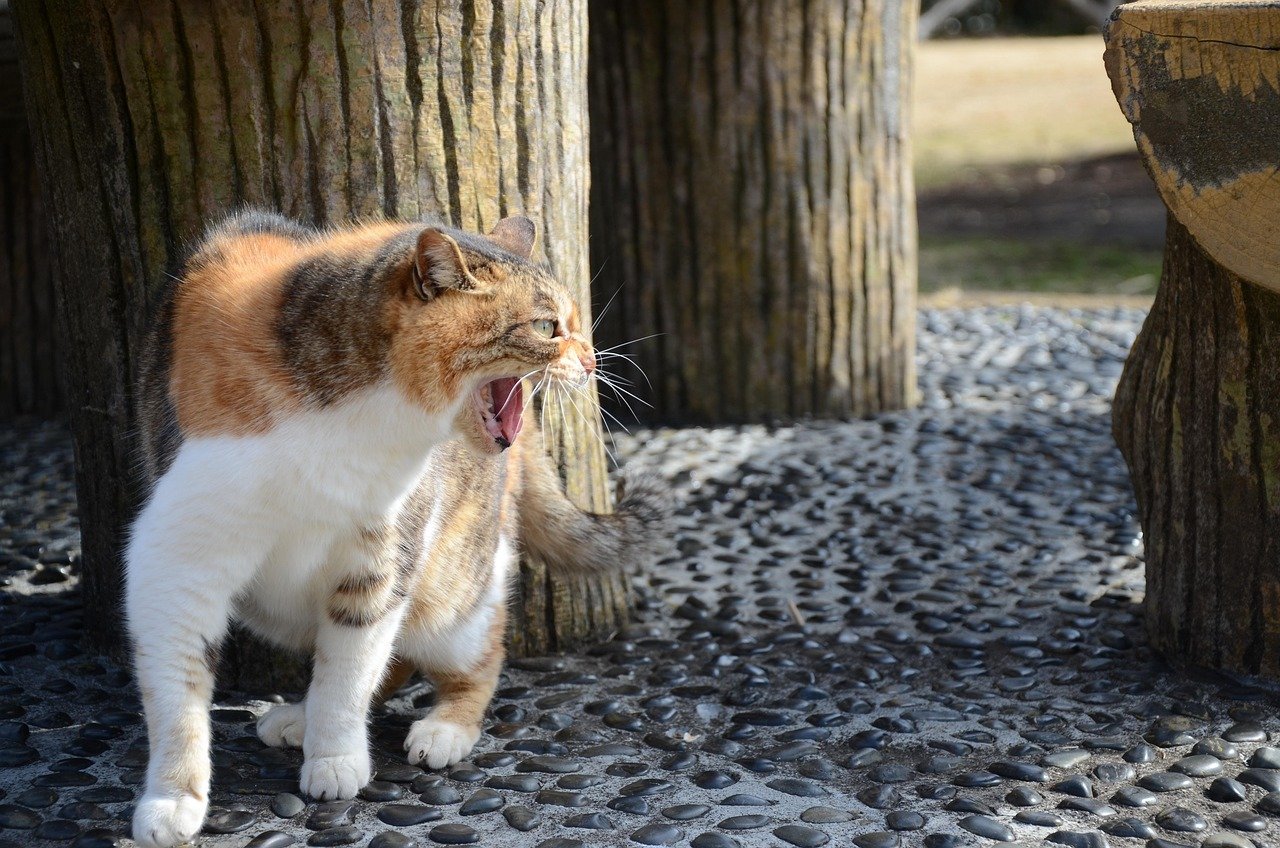
Territoriality is a big deal in the world of cats. Male cats, especially intact males, are notorious for defending large territories. They may mark their space with scent or even get into serious altercations with other males. Female cats also have strong territorial instincts, but theirs are often linked to protecting their home base—especially if kittens are present. While males tend to roam and fight for bigger spaces, females focus their defense on their immediate surroundings. This difference can make male cats seem more aggressive in some situations, but don’t underestimate a mother cat’s willingness to stand her ground!
Maternal Aggression: The Fierce Mother Cat

There’s nothing quite like the protective instincts of a mother cat. When a female cat gives birth, her entire focus shifts to keeping her kittens safe. Even the gentlest queen can become surprisingly fierce if she perceives a threat. This type of aggression, known as maternal aggression, is typically short-lived but intense. The mother may hiss, swat, or even attack other animals—or people—if they come too close to her babies. This behavior is driven by biology and the need to ensure her kittens’ survival. Once the kittens grow and become independent, most mother cats return to their usual personalities.
Male Cat Aggression: The Battle for Dominance
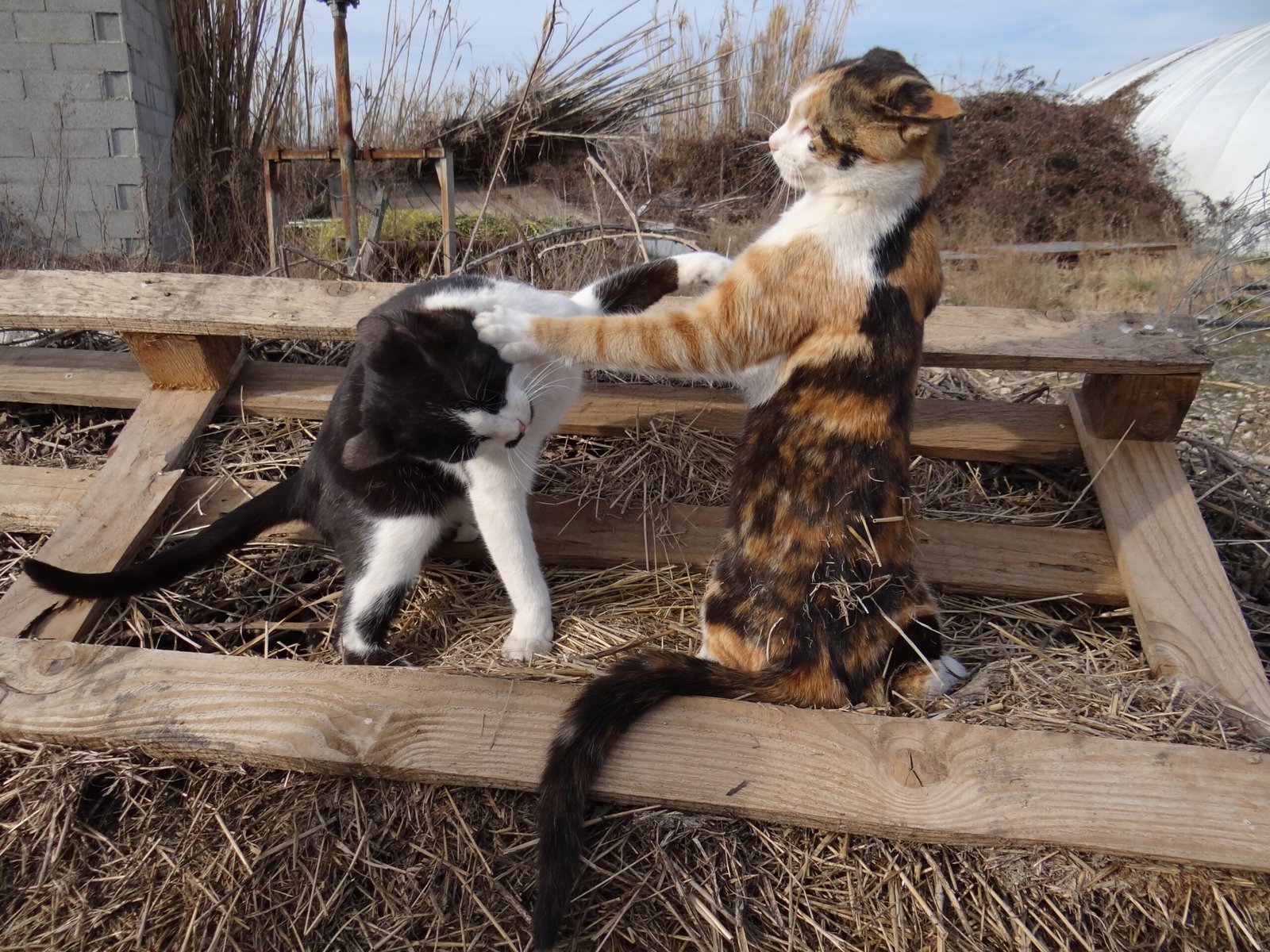
Male cats, particularly those that haven’t been neutered, are famous for their bold and sometimes brash displays of aggression. Fights between males often occur over territory, food, or females in heat. These battles can be loud, dramatic, and sometimes result in injuries. The need to establish dominance and secure mates is deeply rooted in their instincts. Even in domestic settings, you might notice a male cat challenging others in the household, trying to assert his place as top cat. Neutering usually reduces this behavior, but it doesn’t always disappear entirely. Some male cats retain a stubborn streak that can surface in unexpected ways.
Social Structure: The Role of Cat Hierarchies

Cats are not pack animals like dogs, but they do develop social hierarchies, especially when living in groups. The dynamics between male and female cats in a household can influence the frequency and type of aggression. Males may try to dominate, while females often aim for stability and peace. In some cases, a confident female will rule the roost, keeping even the boldest males in check. These social structures are constantly shifting and can change with the introduction of new cats, changes in the environment, or even as cats age. Understanding your own cats’ social order can help prevent conflicts and make for a happier home.
Playful Aggression: Boys vs. Girls

Kittens of both sexes are full of energy and love to play rough. This playfulness is an essential part of growing up and learning important skills. However, as they mature, male cats often continue to play more rambunctiously, engaging in mock battles and wrestling matches. Female cats might prefer stalking, chasing, or pouncing games that require more stealth and planning. While both males and females can display playful aggression, the way they express it often reflects their personalities and natural inclinations. Recognizing the difference between play and true aggression is vital for cat owners.
Environmental Triggers: Stress and Change

External factors can trigger aggression in both male and female cats. Changes in the home, such as moving, introducing new pets, or even loud noises, can make cats feel anxious or threatened. Some cats react to stress by hiding, while others lash out. Males might react with territorial marking or chasing, while females could become withdrawn or defensive. Creating a stable, predictable environment with plenty of hiding spots and vertical spaces can reduce the chances of aggression. It’s crucial for owners to watch for signs of stress and address them before they escalate into bigger problems.
How to Manage Feline Aggression at Home

Living with an aggressive cat can be challenging, but understanding the root cause is the first step to finding a solution. Spaying or neutering, providing enough space and resources, and understanding each cat’s unique personality are key strategies. Redirecting aggressive behavior with toys, interactive play, and positive reinforcement can help channel excess energy. In multi-cat households, providing separate food and water bowls, litter boxes, and resting areas can reduce competition and stress. If aggression becomes severe or dangerous, consulting a veterinarian or animal behaviorist is always a wise move. With patience and love, even the feistiest feline can become a happy member of the family.


