

Living with a cat means entering into a complex emotional dance where every tail flick and ear position carries meaning. While dogs wear their hearts on their sleeves, cats are masters of subtle communication. When they’re happy with us, the signs are clear: purring, head bonks, and those slow, loving blinks. Yet when we’ve crossed the line and upset our feline friends, their signals can be just as clear if you know what to look for.
Cats know when you’re upset because your attitude, facial expressions and your tone of voice become unpleasant. Our feline friends are hyper-aware of any changes in our attitude and behaviour. Your facial expressions, body language, tone of voice and even actions such as ignoring them or closing the door will let your cat know what you like and dislike. This same awareness works in reverse. They have their own ways of showing displeasure, and learning to recognize these signs can save both you and your cat from unnecessary stress.
The Classic Freeze Out: When Your Cat Suddenly Becomes a Ghost
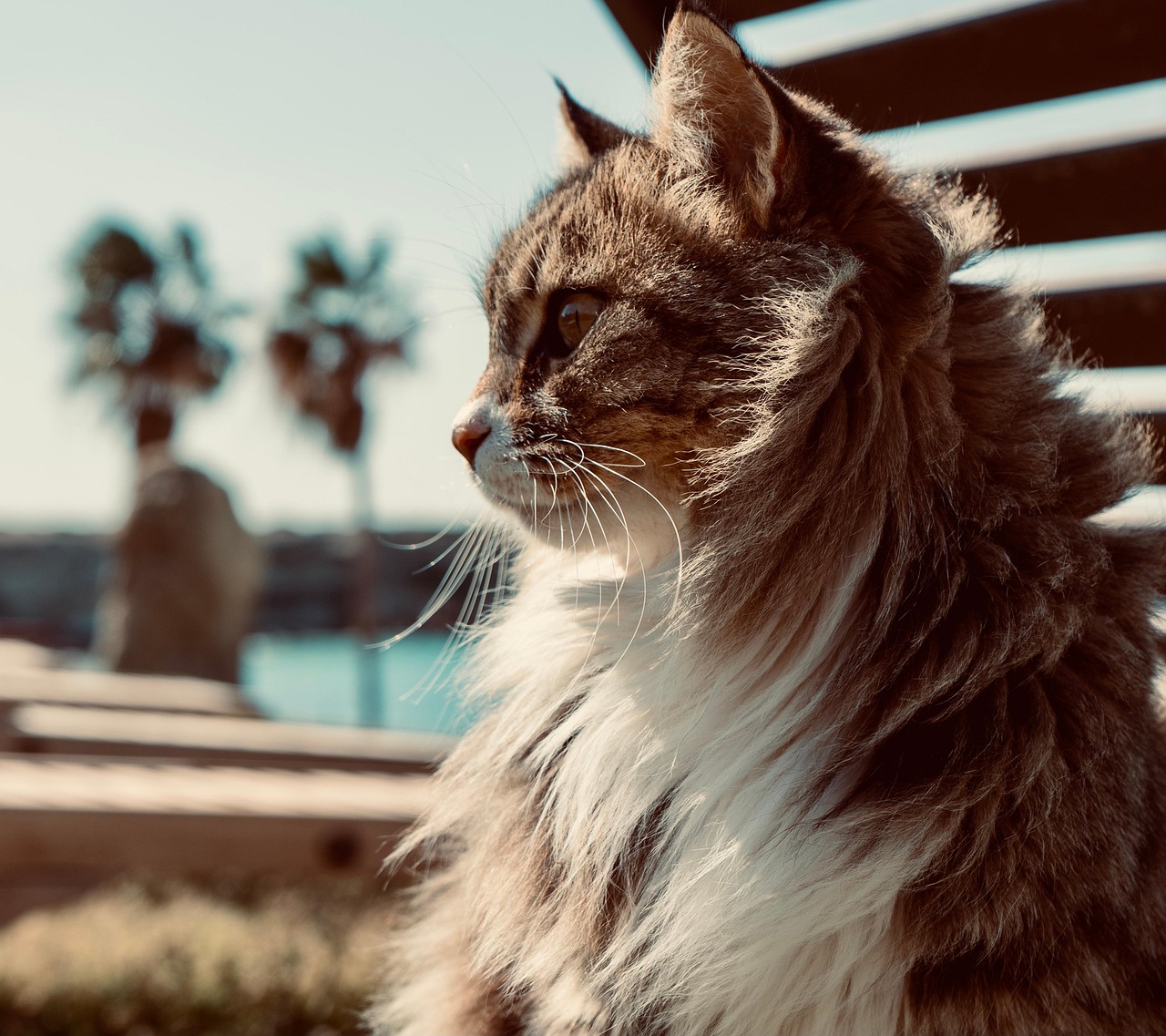
If your furry friend actively avoids you when she’s normally playful or keeps away for longer than usual, it can be a sign she’s mad, scared, or anxious, explains animal behavior research. This isn’t just typical cat aloofness we’re talking about. There’s a distinct difference between a cat who simply wants alone time and one who’s actively giving you the cold shoulder.
Angry cats will keep their distance when they get confused by, say, a sudden loud voice, quick movements, or even an unfamiliar smell on your jacket. Let her have her space – she’ll come back when she’s ready. The key here is patience and understanding that your cat isn’t being vindictive, they’re just processing whatever upset them.
Hissing, Spitting, and Other Vocal Protests
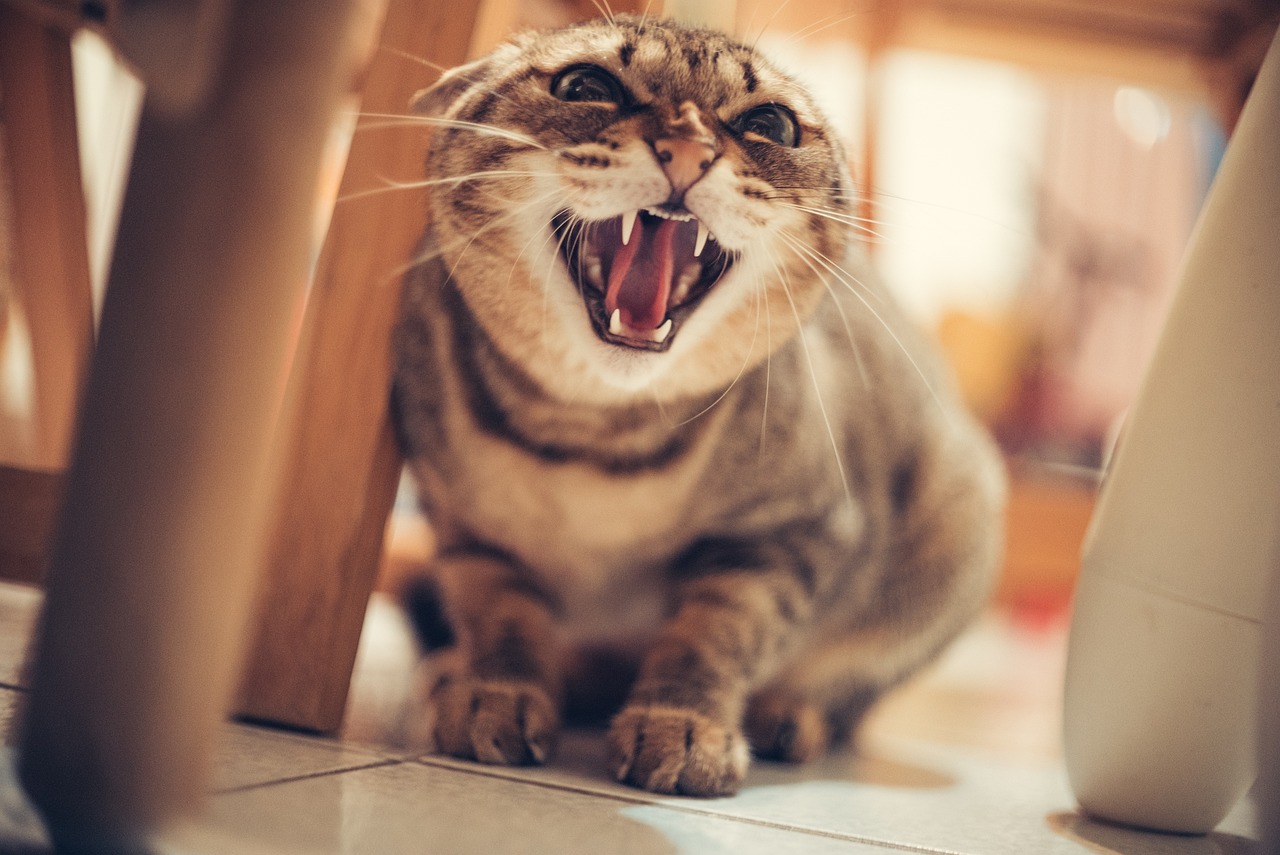
The first and most common sign a cat is upset is a hiss, or, less frequently, a growl. These aren’t sounds you want to ignore. Growling, hissing or spitting indicates a cat who is annoyed, frightened, angry or defensive. When your usually quiet companion suddenly starts making these dramatic vocalizations, they’re telling you in no uncertain terms that something is very wrong.
Angry cats can make a wide variety of noises that signal their displeasure, including a throaty growl, and sometimes even the purring you think signals happiness might be misleading. Sometimes, when a cat is purring but also showing signs of anger – like flattened ears or a twitching tail – it can indicate they’re a bit conflicted. They might be trying to soothe themselves while still feeling on edge.
The Halloween Cat Pose: All Fur and Fury
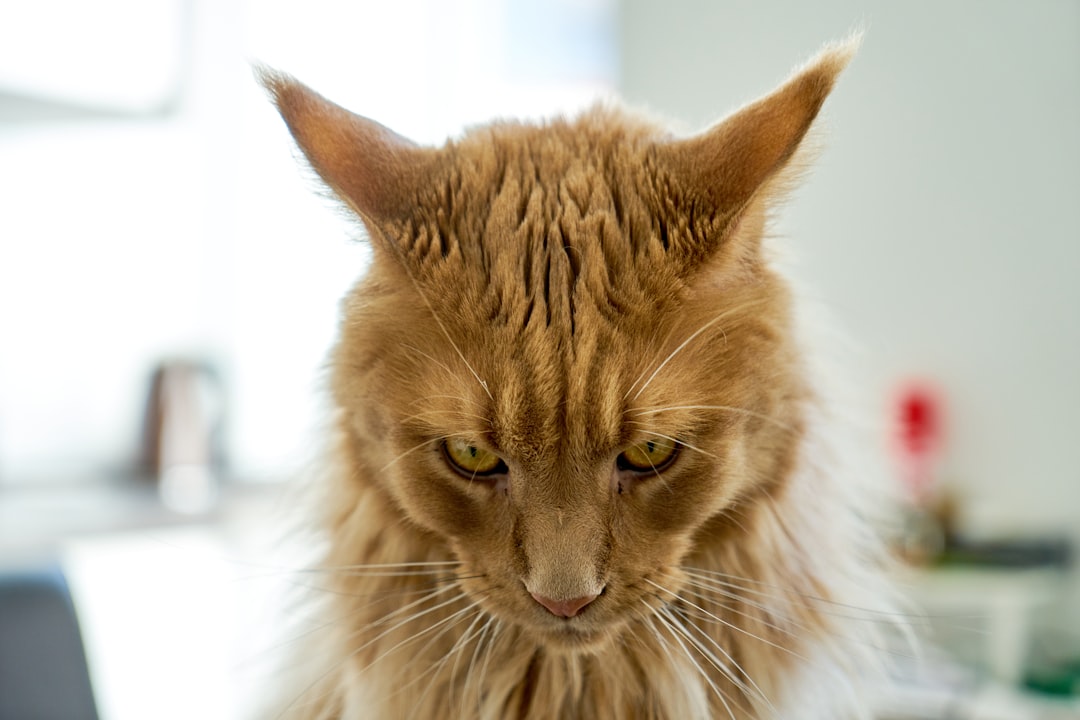
The very stereotype of an “angry cat” is a kitty crouching with an arched back, fluffed out fur, and a bushy tail. But no matter how cute or funny you find this posture, now is not the time to try and pet her. This dramatic display is your cat’s way of making themselves appear larger and more intimidating.
Piloerection is when a cat’s hair stands straight up – you’ve probably seen this depicted in Halloween illustrations of jumping black cats. “When a cat does that, they are always, always either surprised or upset in some way. They’re trying to make themself bigger.” This is a clear signal that your cat feels threatened and needs space to calm down.
Airplane Ears and Flattened Feelings
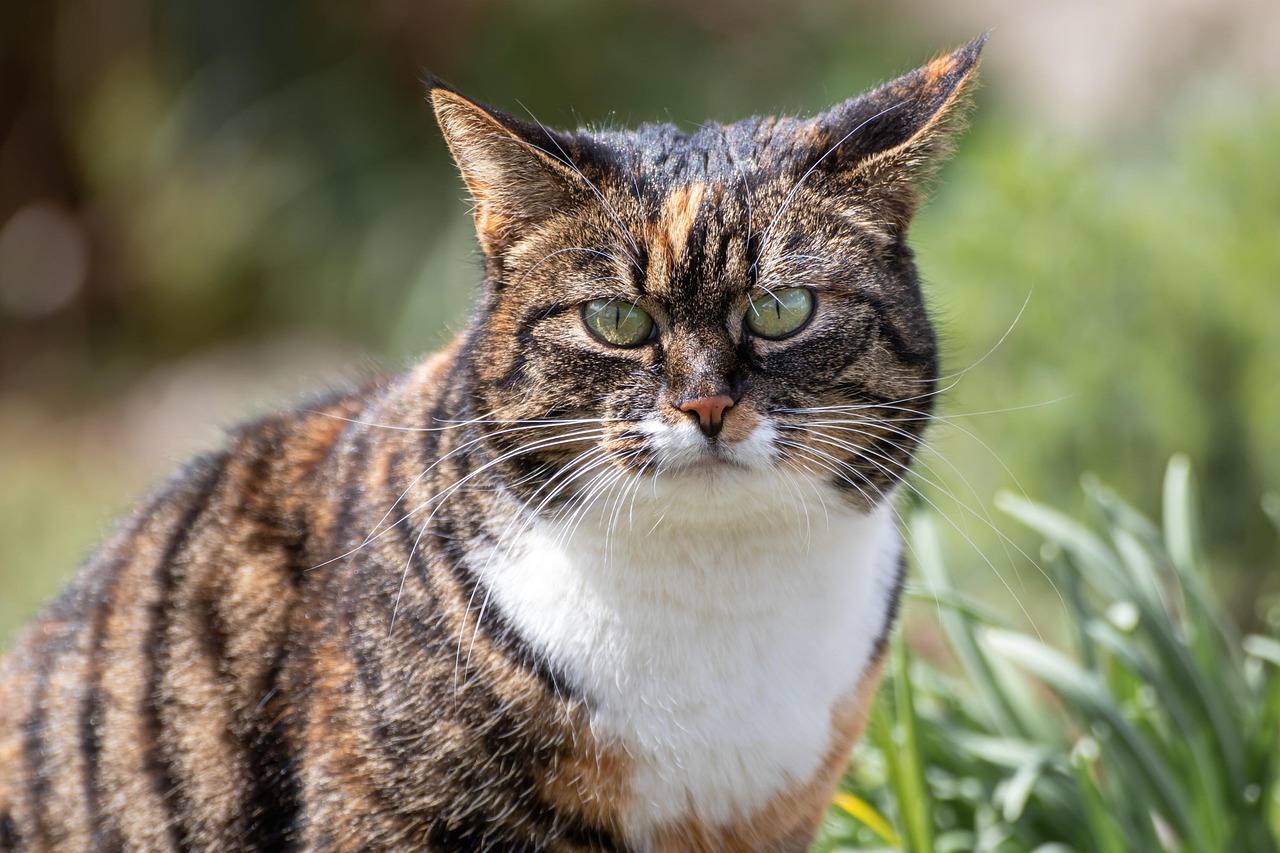
Ear position is pretty standard when it comes to both dogs and cats. “Ears that are pointed up are positive. Ears that go back are angry, and when they’re down and back, they’re fearful.” Think of your cat’s ears as emotional barometers that can tell you exactly how they’re feeling about the current situation.
A cat with ears turned back is usually a good sign that a cat is feeling angry or fearful. When those usually perky triangular ears flatten against their head like airplane wings, your cat is sending a clear message that they’re not happy with whatever is happening right now.
The Angry Tail Telegraph
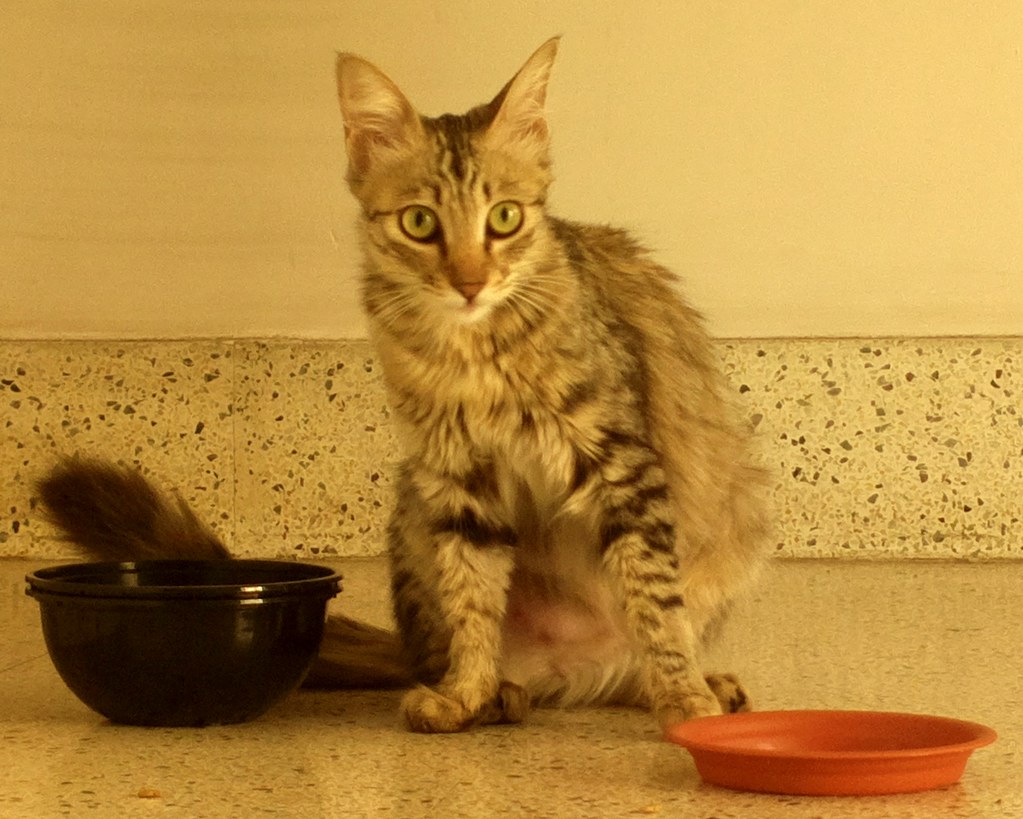
Tail movements are a big clue into how your cat is feeling or responding to a situation. An agitated, hard-tail twitch can mean excitement during play or stress during a tense interaction. As always, look at other body language clues and the environment to help determine what your cat is communicating.
A cat will start flicking their tail up and down or side to side if they start to get frustrated or annoyed. This isn’t the gentle swaying of a content cat, but rather sharp, agitated movements that spell trouble. An angry cat will be rigid, with tail held out stiff and straight or curled around and under their body. They will act very differently from usual – they could be silent, hissing, spitting or growling.
Eyes Wide Shut: The Window to Your Cat’s Soul
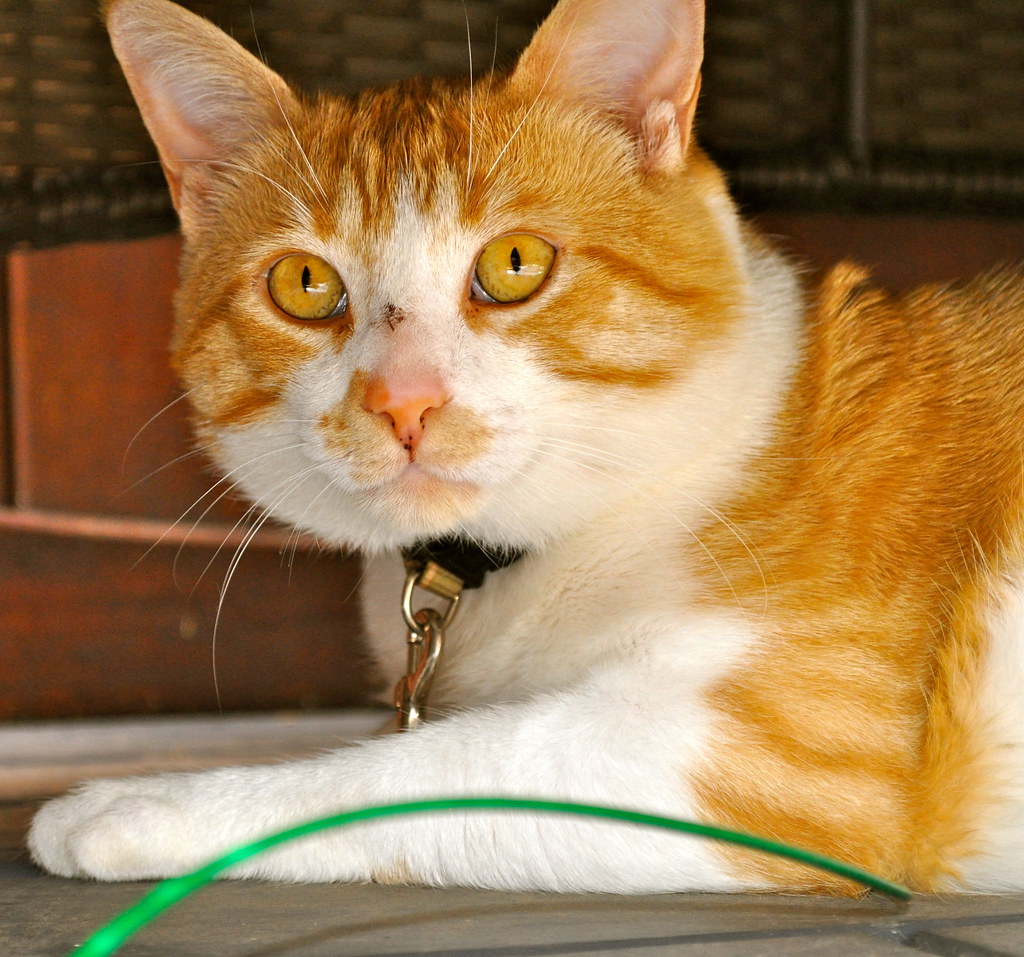
Dilated pupils. The eyes are a window to a cat’s emotional state. Cats’ pupils get larger when they’re in a heightened state. While dilated pupils can indicate excitement during play, in combination with other angry body language, they signal stress or fear.
While vocalizations and physical movements may be the most obvious way to tell when your cat is upset, if you want a more subtle (and often earlier-onset) sign that they are distressed, look into their eyes. Those usually calm, half-closed contented eyes become wide and alert when something has upset your feline friend.
The Strategic Retreat: Hiding Away
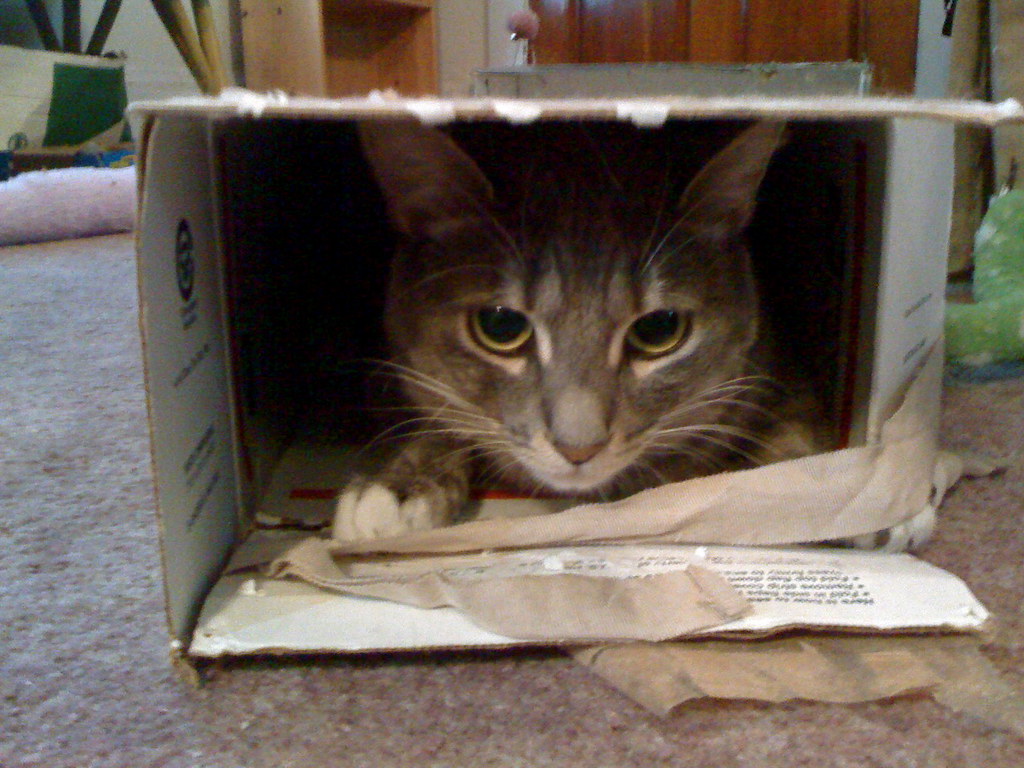
Hiding is one of the first signs your cat is unhappy or fearful of you or the situation. Resist the urge to try to drag your angry cat out of hiding – it’s a protective reflex, and if you force him to socialize before he’s ready he may become aggressive, warns animal behavior consultant Amy Shojai.
This behavior often follows stressful events like vet visits or household changes. When you get home from the vets, your cat might run away and hide for a while, avoiding you for the rest of the day. But it’s actually their natural response to stress. Understanding this helps you respond appropriately rather than taking it personally.
Body Language That Speaks Volumes
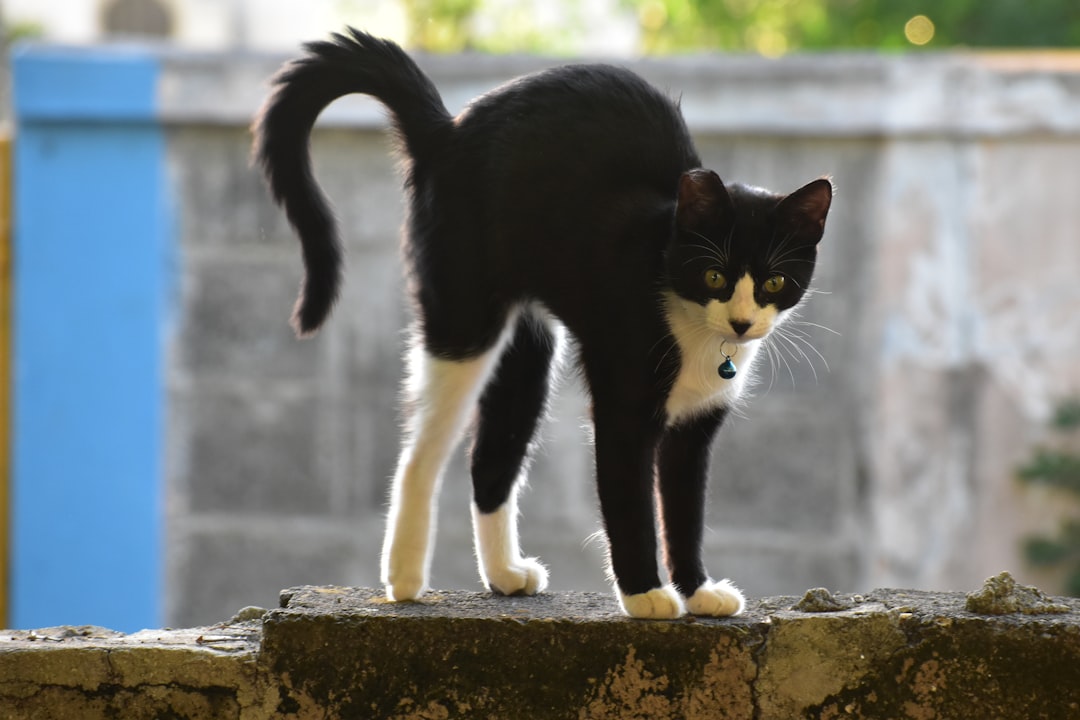
An angry cat will be stiff, keep its tail stiff and straight, or curled around and underneath its body. It will act very differently from usual: may be silent, hiss, spit or growl. It will try to look big and threatening with bristly hair and very stiff front legs, or it will squatting with an intimidating demeanor.
When a cat is fearful or angry to the point of being willing to fight, they’ll often make themselves as big as possible in various ways. A classic example is when a cat puts its back all the way up and stands sideways to the threat – a cat with their back arched in this position is telling you they’re terrified. Both behaviors make the cat look bigger and more intimidating. A cat exhibiting these behaviors might be ready to stand their ground and fight.
The Art of Making Amends: Rebuilding Trust
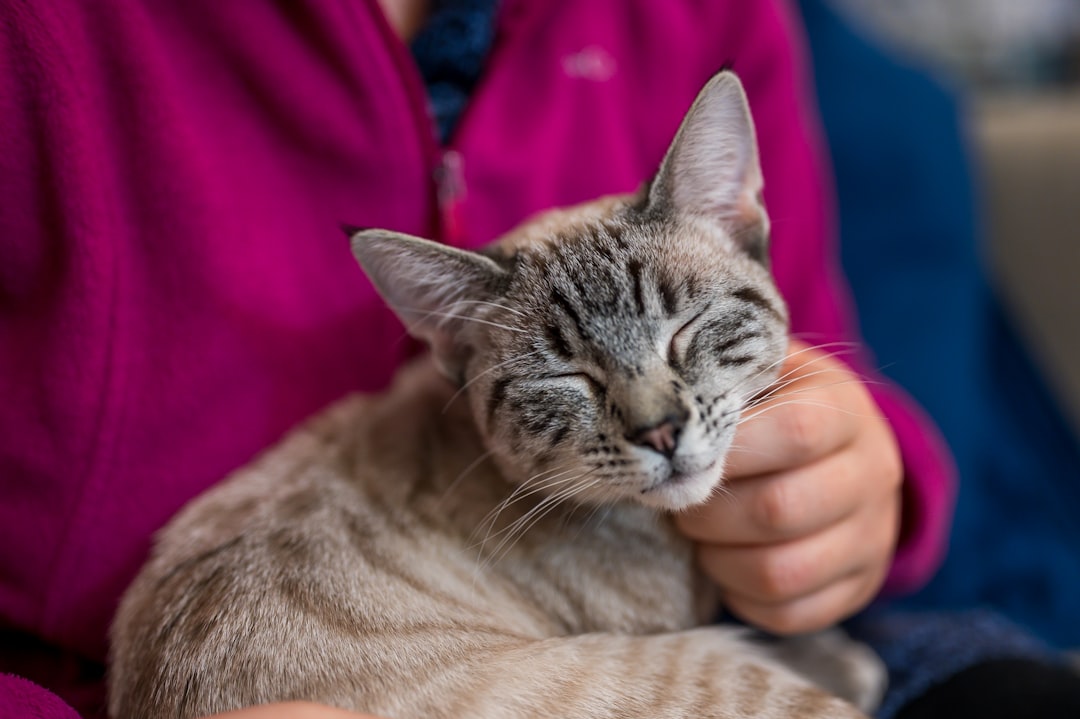
When you’ve identified that your cat is indeed upset with you, the path to reconciliation requires patience and respect for their emotional state. Before you rush over and start making amends, consider your cat’s current mood. It’s possible that your cat needs some space before they’re ready to connect with you again. If you just stepped on their tail and sent them running for cover, chasing after them will only cause more fear and stress. Wait for your cat’s heart rate to return to normal and they’re feeling more relaxed. If they’re hiding, you can let them be for a while before trying to gently coax them toward you.
“The best thing you can do is give them time and space. If they otherwise have a good relationship with you and a good, stress-free home environment, their stress levels will soon reduce. The best thing you can do is give them time and space. If they otherwise have a good relationship with you and a good, stress-free home environment, their stress levels will soon reduce.” Once they’re ready, the best apologies come with delicious treats. If your cat enjoys a certain food, a small offering will help you get back on their good side. It also helps them form a positive association with you in the long-term.
What you say isn’t as important as how you say it. Cats are sensitive to tone of voice. Avoid loud, panicked, or sudden exclamations that will only startle or upset your cat more. Once your cat is calm and seems to accept your apology, show them you care by joining in on their favorite activity. As with all apologies, it’s important to prove that your mistake was accidental and that you’re committed to your positive relationship. Put down your phone and ignore other distractions to give your cat 15 minutes of your undivided attention. This will help re-establish your strong bond and allow your cat to once again see you as their best friend.
Conclusion
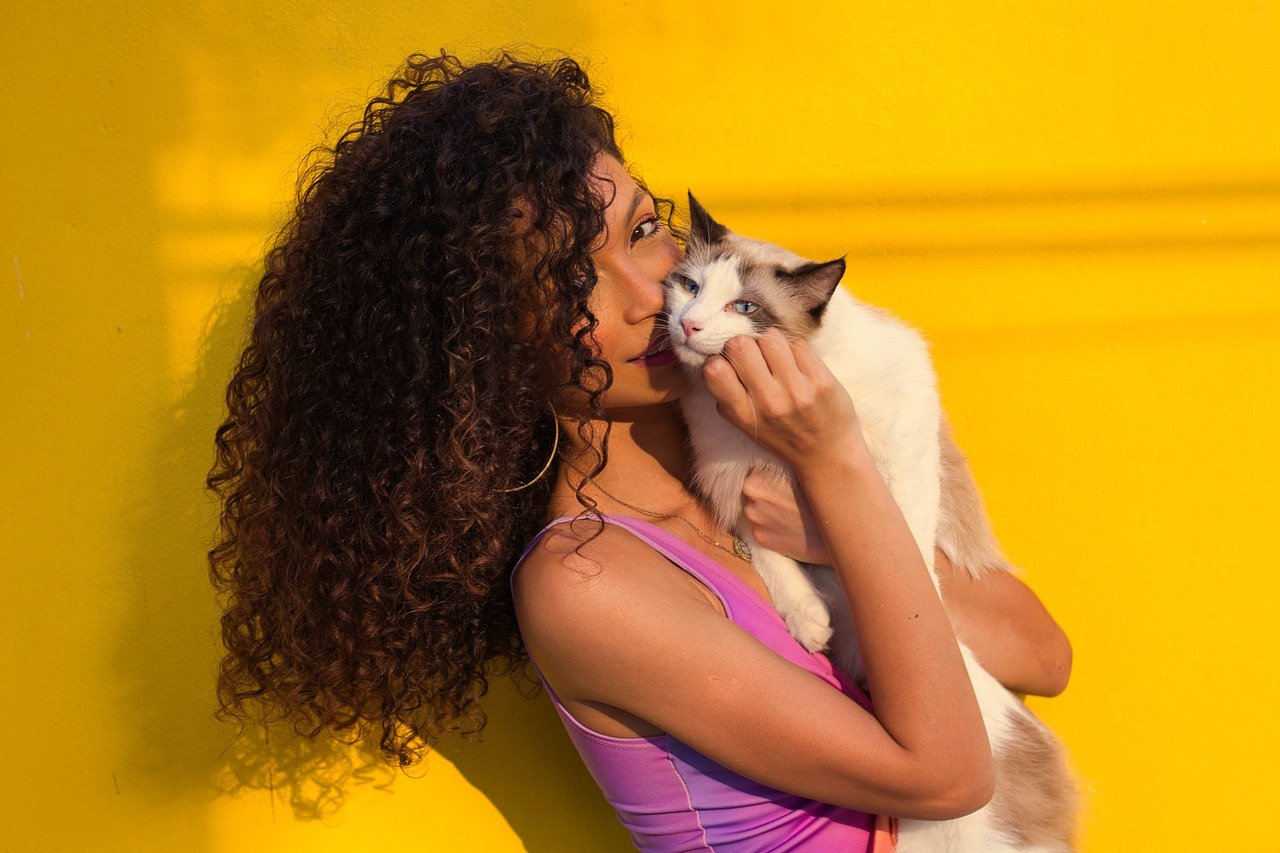
Understanding your cat’s emotional language transforms your relationship from guesswork into genuine communication. Cats don’t have the emotional wiring to hold long-term emotional resentment like humans. They do, however, create strong emotional associations that can sometimes have the same effect. The good news is that with patience, respect, and the right approach, most feline friendships can be repaired.
Remember that your cat’s grumpiness usually stems from valid concerns, whether it’s feeling threatened, overwhelmed, or simply misunderstood. By learning to read these nine key signs and responding with empathy rather than frustration, you’re not just fixing a temporary problem, you’re building a foundation of trust that will strengthen your bond for years to come.
What subtle signs have you noticed when your cat is upset with you? Tell us about your experiences in the comments.


