

Have you ever noticed how your dog’s personality seems to mirror certain aspects of your own? Or wondered why your furry friend reacts differently than other dogs in similar situations? Some believe the ancient wisdom of elemental theory might hold the key to understanding your canine companion better than you ever imagined.
According to elemental theory believers, dogs, like humans, may embody characteristics of natural elements. Each dog will have a dominant element that is expressed through its personality. Whether your pup is a fiery ball of energy, a grounded steady companion, an intelligent quick thinker, or an intuitive gentle soul, understanding their elemental nature can transform how you care for them. Let’s dive into this fascinating world where ancient wisdom meets modern dog care.
Understanding Fire Dogs – The Passionate Performers
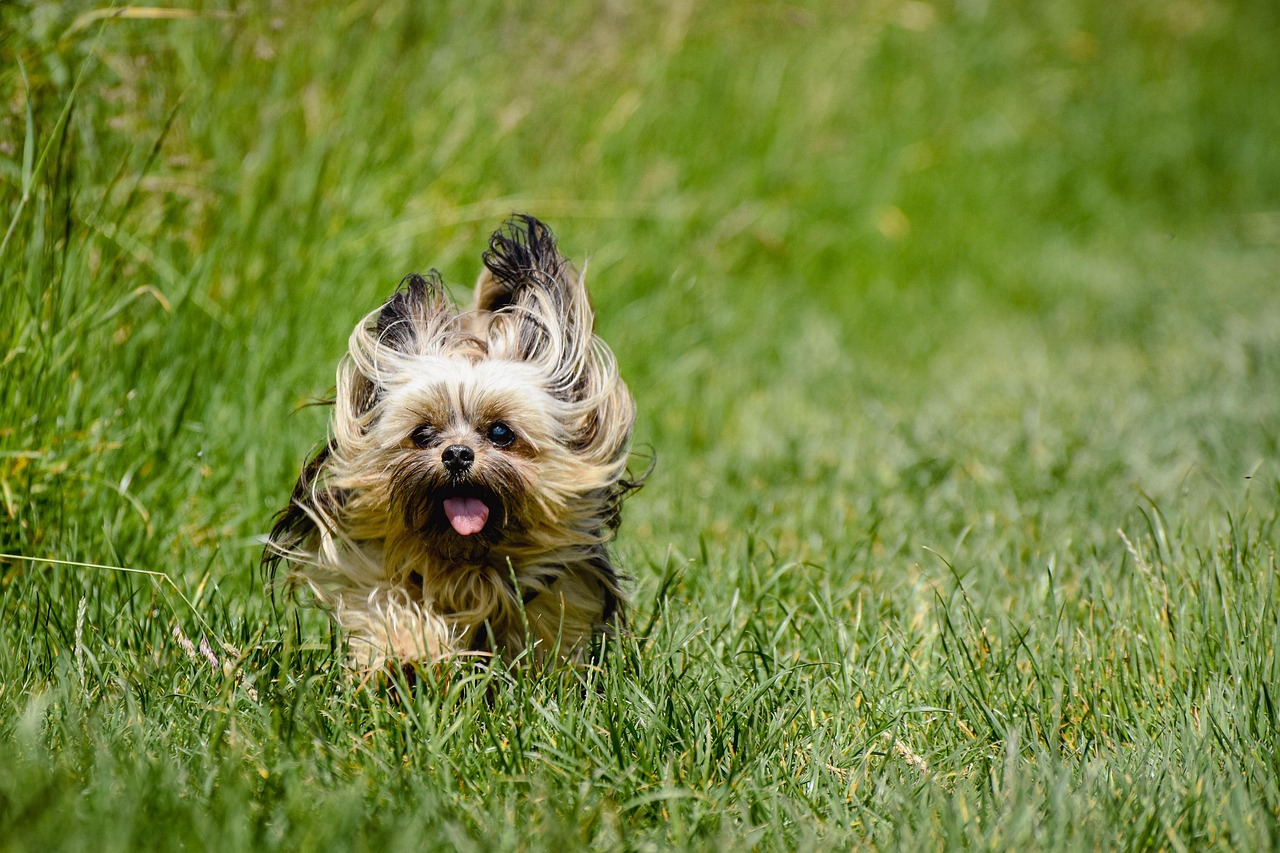
Fire dogs are the entertainers of the canine world. Fire type animals are easily excited, difficult to calm down and are classic extroverts. They are friendly but can be quite noisy and will always be ‘talking’ to you. These dogs light up every room they enter and never meet a stranger.
Picture this: you come home after work, and your Fire dog greets you like you’ve been gone for years instead of hours. They are highly sociable and greet everyone with enthusiasm, finding it really hard to keep still when people come to visit! Their boundless enthusiasm can be both delightful and overwhelming.
Physically, Fire dogs often have distinctive features. They tend to have a small head but a strong body, and small but bright eyes. They are very fast but don’t have a lot of stamina. Think of breeds like Chihuahua, Pomeranian, Papillon, Cavalier King Charles Spaniel, Spaniels, Jack Russell Terrier, Miniature Pinscher, Yorkshire Terrier, Italian Greyhound, Pekingese ShihTzu, Staffordshire Bull Terrier.
Fire Dogs’ Training Challenges and Solutions

Training a Fire dog requires patience and creativity. They are curious and communicative but although they want to please they are hard to train because of their short attention spans. Their minds bounce from one interesting thing to another like sparks from a campfire.
The key to success lies in keeping sessions short, fun, and varied. Use their love for attention as motivation, offering praise and treats liberally. Their natural charisma makes them excellent candidates for trick training, where they can truly shine as the performers they are.
However, watch for signs of overstimulation. However her excitement can escalate to fits of overexcitement and barking, she may become restless have a tendency to overheat and get separation anxiety when left alone. Create calm spaces where they can decompress from all that social energy.
Health Considerations for Fire Dogs
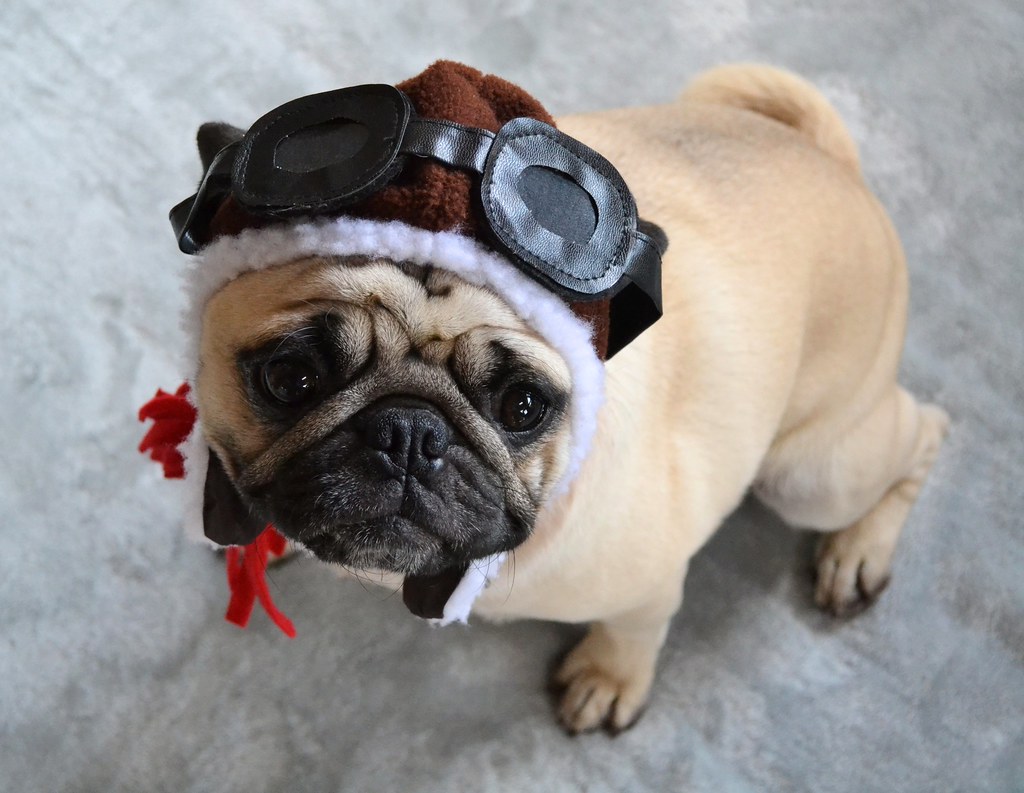
Fire dogs face unique health challenges related to their high-energy nature. Some practitioners suggest fire personalities may be prone to heart murmurs and circulatory issues, though scientific evidence for seasonal disease patterns is limited. Their hearts work overtime to keep up with their enthusiastic approach to life.
Watch for overheating during warm weather or intense play sessions. Fire dogs may have imbalances of excess heat inside and outside their bodies. They may have stomach/gut issues, allergies, swollen joints, thirst, dry cough, itchiness, and skin issues. They also may be prone to heart conditions and disease. Keep them cool and hydrated, especially during summer activities.
Earth Dogs – The Steady Companions
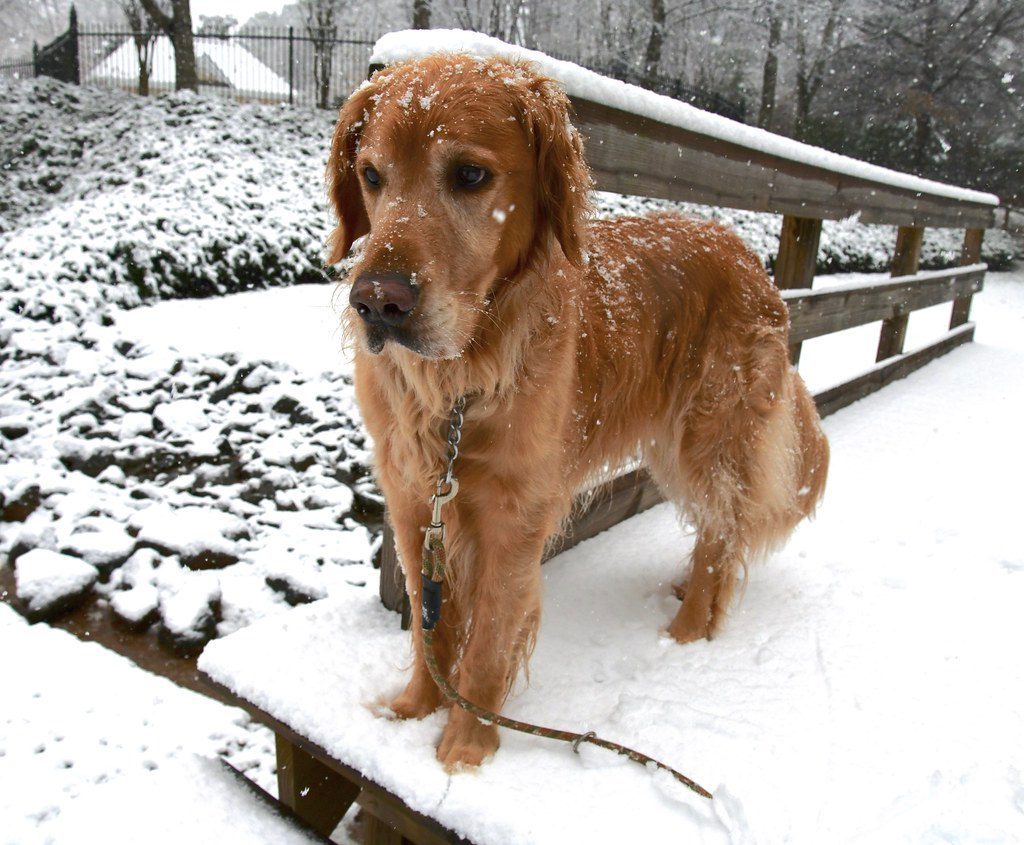
Earth dogs are the golden retrievers of personality types, regardless of their actual breed. Trustworthy, patient, compassionate, sympathetic, easy going & easy keeper all describe the Earth personality. These are the dogs who seem to understand that life’s greatest pleasures are simple ones.
Your Earth dog is perfectly content to spend an afternoon lounging beside you while you read, only occasionally lifting their head to check if you need anything. Earth personalities are very sweet natured, they like it best when everybody gets along, they are willing to please, obedient and happy, especially when they are eating and oh do they love to eat.
Breeds that commonly exhibit Earth characteristics include Golden Retriever, Labrador, Bulldog, Basset Hound, Beagle, Newfoundland, Cocker Spaniel. A good example is: The color of earth is yellow so a large, laid back yellow Labrador fits this element perfectly.
The Earth Dog’s Gentle Nature

Earth dogs possess an almost supernatural ability to sense when someone needs comfort. They’re the therapy dogs of the natural world, offering their steady presence when life gets chaotic. Earth Personality Dogs – at their best – know how to enjoy a good meal. Earth Element dogs can be very, very tolerant.
Their tolerance extends beyond food preferences. These dogs rarely show aggression and seem to have an innate understanding of appropriate behavior. What usually reveals EARTH character: lets anyone do anything to them, never angers or bites. This makes them excellent family dogs, especially in homes with children.
Earth Dogs and Weight Management
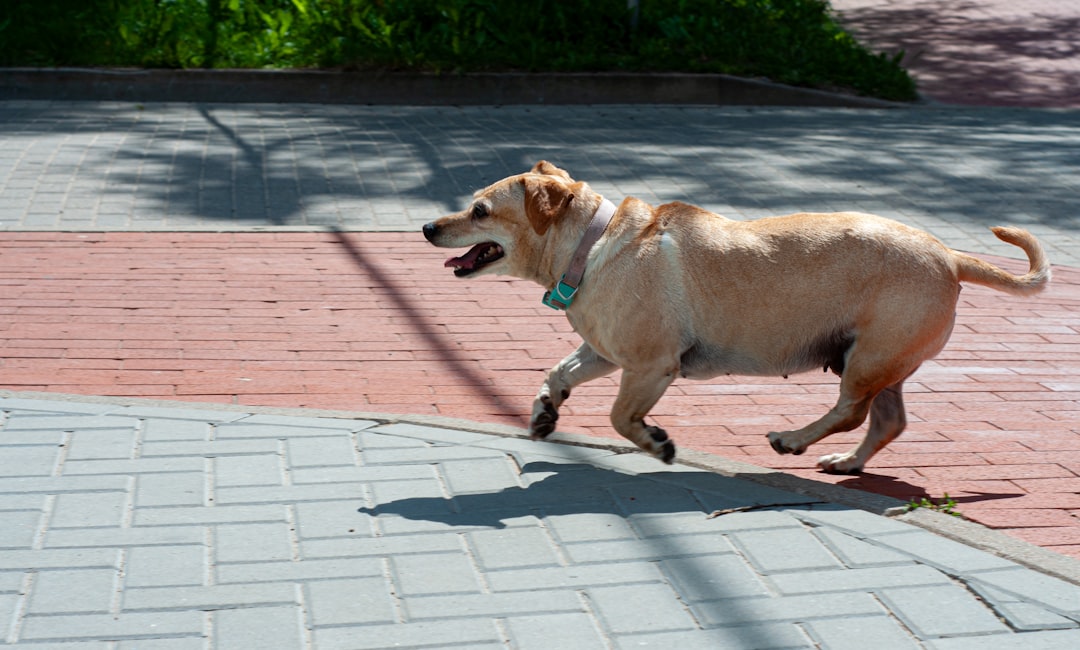
The Earth dog’s love affair with food can become problematic without proper management. Earth dogs may have poor muscle tone, gastrointestinal issues, diarrhea, obesity, and food allergies. Their slower metabolism combined with their food motivation requires careful attention to portion control.
When stressed, Earth dogs tend to worry, and this manifests in digestive issues. When Buddy gets out of balance he tends to worry and fret and even though he loves to eat he may get soft stool or tummy upset. Maintain consistent feeding schedules and monitor their weight regularly.
Regular, gentle exercise suits them better than intense workouts. Think leisurely walks rather than high-intensity agility training. Their steady, methodical approach to life extends to their exercise preferences too.
Air Dogs – The Intelligent Communicators
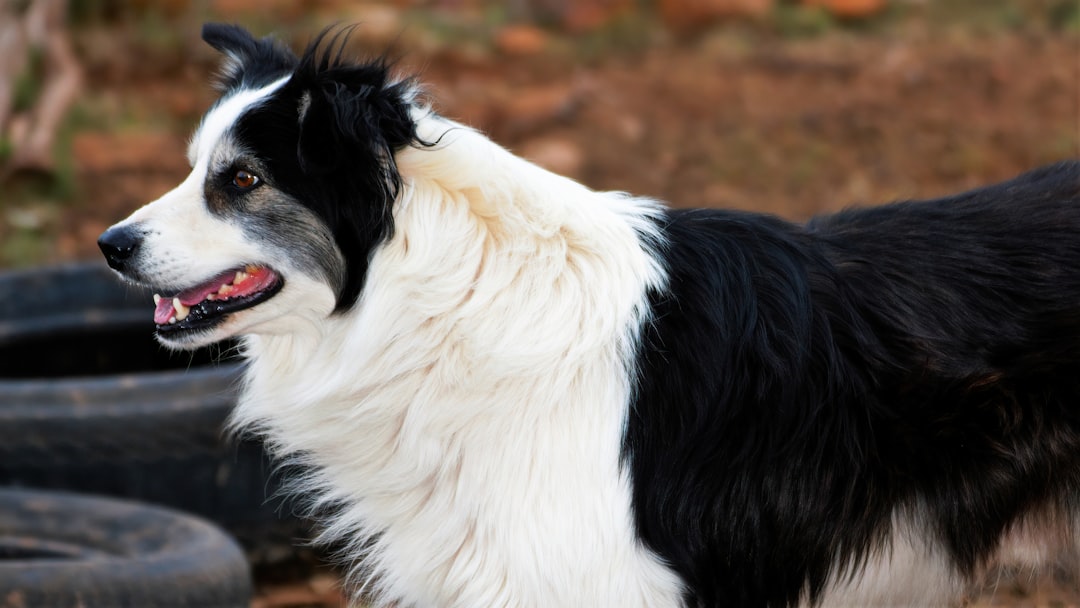
While traditional Chinese medicine focuses on five elements (Wood, Fire, Earth, Metal, and Water), some Western interpretations include Air as representing intellectual, communicative personalities. Air dogs are the thinkers and problem-solvers of the canine world.
Air: Enjoys travel, adventure, freedom and/or athletic endeavors that require movement. May be soft spoken with periodic outbursts. Favorite colors are yellow, white or pastels. These dogs process information quickly and love mental challenges.
Air dogs excel at learning complex tricks and solving puzzle toys. They’re often the ones who figure out how to open doors, cabinets, or escape from yards. Their intelligence can be both a blessing and a challenge for their humans.
Mental Stimulation for Air Dogs
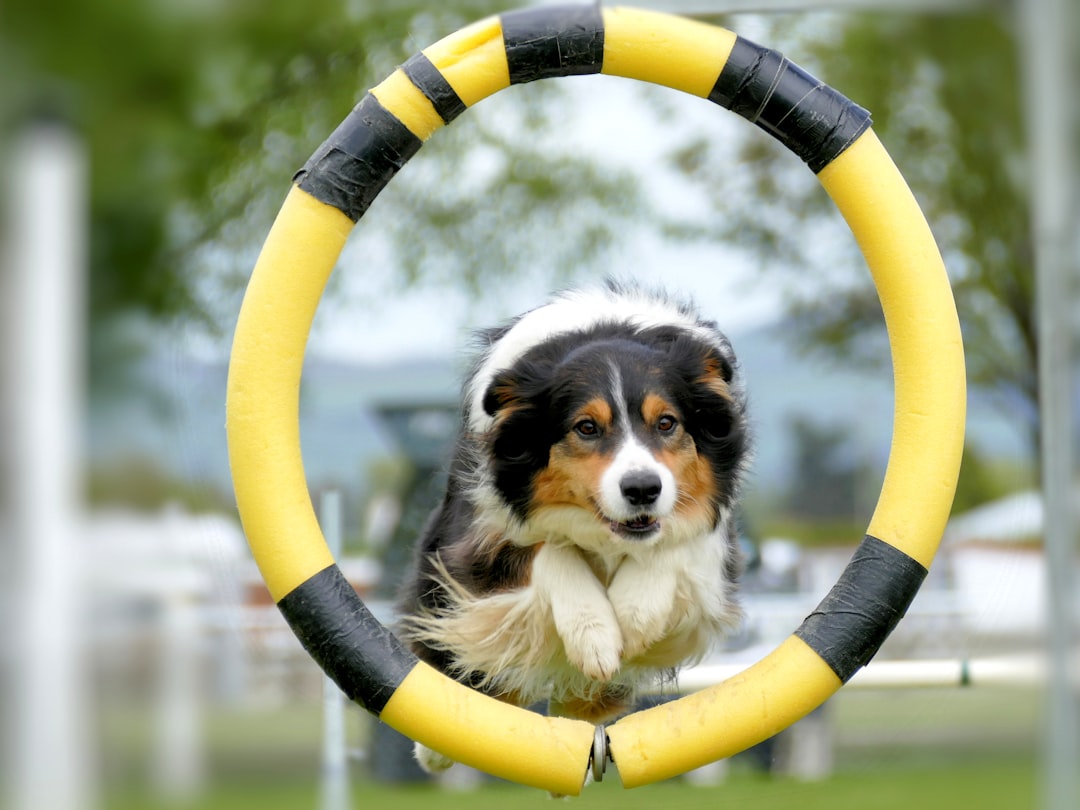
Without adequate mental stimulation, Air dogs become destructive or anxious. They need jobs for their minds just as much as their bodies need exercise. Interactive toys, training sessions, and new environments keep their sharp minds engaged.
These dogs often excel in competitive sports like agility, where their quick thinking and adaptability shine. They love variety in their routines and can become bored with repetitive activities more quickly than other personality types.
Water Dogs – The Intuitive Empaths
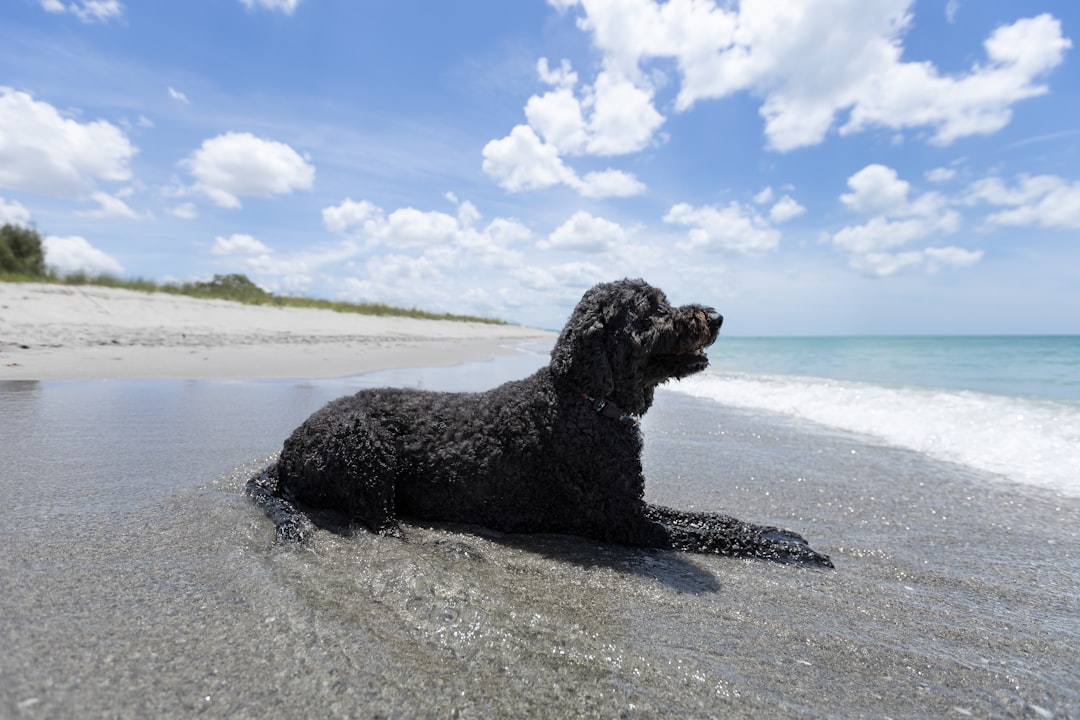
Water dogs embody depth, emotion, and intuition. Common personality traits: loving with their own family, but suspicious of strange people/sounds/places/smells, cautious, introverted, quiet, noise sensitive, may panic or bite, may hide or leak urine when approached. These sensitive souls feel everything deeply.
Water dogs often struggle with new situations, but their loyalty to their family runs as deep as the ocean. WATER TYPE Personal Characteristics: Introverted Fearful of everything Quiet but good observer Willing to live alone Very consistent but slow when doing something Fear biter. They prefer familiar routines and trusted people.
Breeds that commonly exhibit Water characteristics include St Bernard. Newfoundland. Bernese Mountain Dogs, Great Danes, Portugese water dog. Their deep, soulful eyes seem to hold ancient wisdom.
Building Confidence in Water Dogs
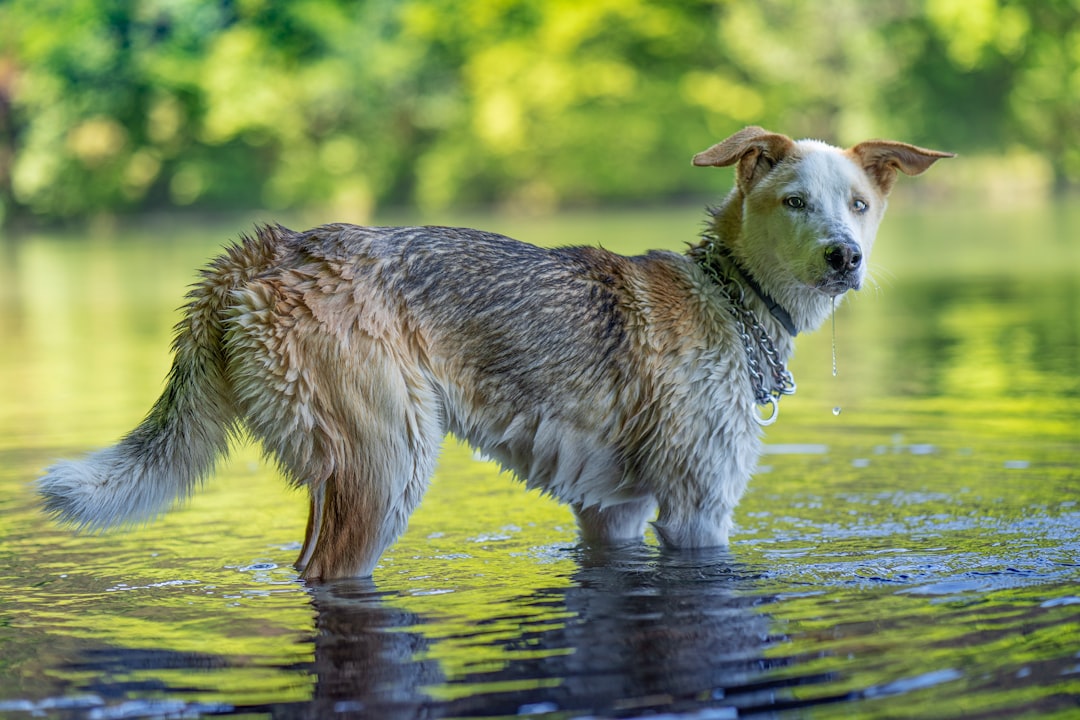
It is important to start training Water element personalities at an early age to help them overcome stressful new situations and to introduce them to as many people and environments as possible. If you make an effort to increase Water pet’s self-confidence, their personality will bloom. These animals tend to respond best to positive reinforcement training as punishment can worsen the animal’s anxiety and make the behavior worse.
Patience is crucial when working with Water dogs. They need time to process new information and situations. Rushing them or using harsh training methods will only reinforce their natural tendency toward fearfulness.
Water Dogs’ Health Vulnerabilities
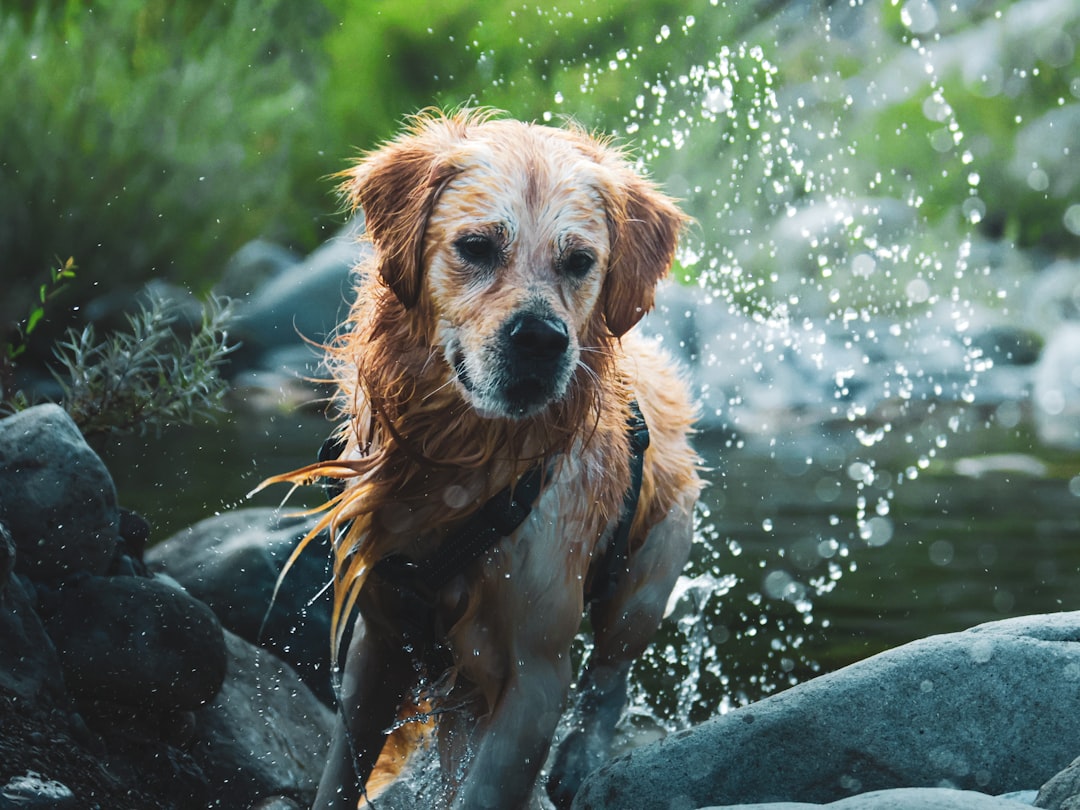
Water dogs face specific health challenges related to their element. Water type dogs are prone to kidney and bladder issues such as urinary tract infections. If unbalanced they can have back pain, rear end weakness, disturbed growth and infertility. Their physical vulnerabilities mirror their emotional sensitivities.
Intolerant to cold and prefers the warmth. Keep them warm during winter months and provide comfortable, supportive bedding for their joints. Regular health checkups are essential for early detection of kidney or bladder issues.
Finding Your Dog’s Elemental Match
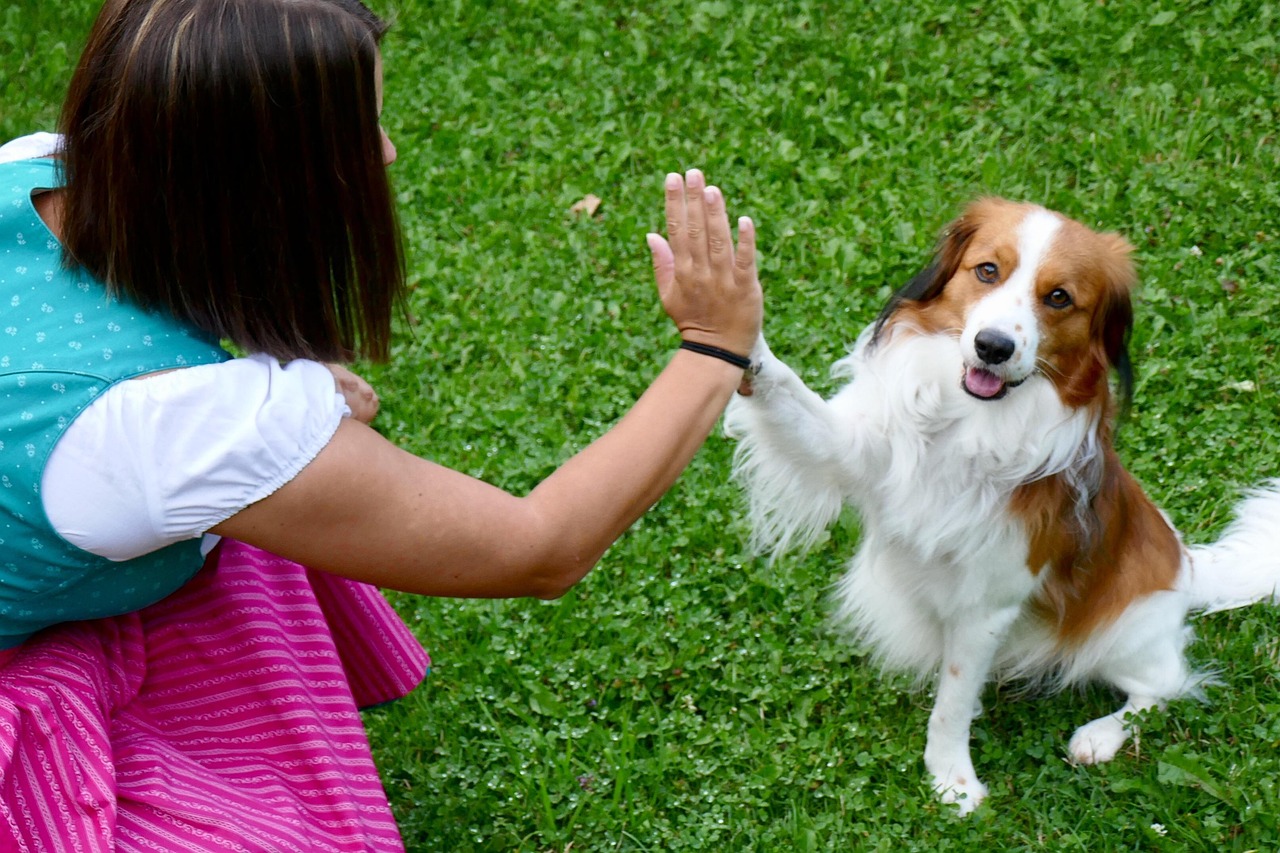
Understanding your own elemental nature helps create harmony in your relationship with your dog. Understanding the expression of the elements within yourself and your dog allows a great insight into what makes you tick, understanding your triggers and identifying what emotional barriers you both have to overcome. Working with your dog in this way allows for massive personal growth for you, and improves to connection you have with your animal tenfold.
Sometimes opposites attract and create beautiful balance. A calm Earth person might provide perfect grounding for an energetic Fire dog, while an intellectual Air person could offer the mental stimulation a Water dog needs to build confidence.
Consider your lifestyle, energy levels, and personality traits when choosing your next canine companion. The right elemental match can create a harmonious partnership that enriches both your lives.
Conclusion – Embracing Elemental Wisdom
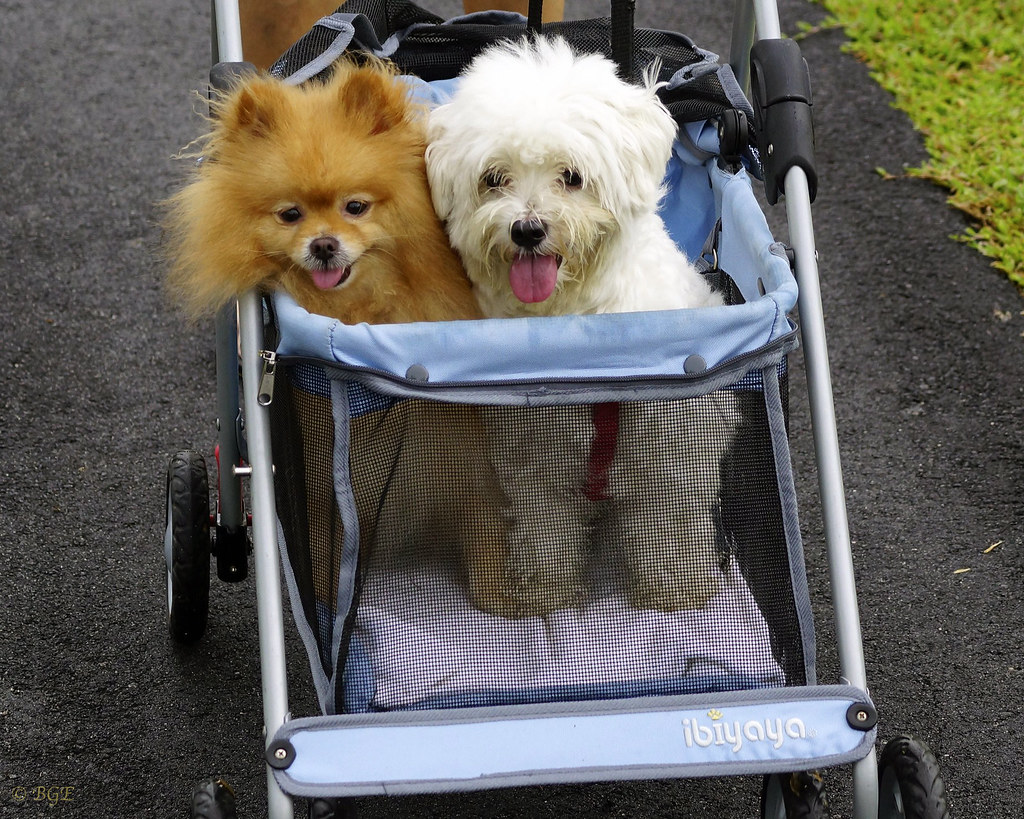
The beauty of elemental theory lies not in rigid categorization, but in deeper understanding. All dogs will contain characteristics of each of the elements, but one will be more dominant. Your dog is a unique individual with their own blend of elemental qualities.
By considering your dog’s personality traits through this lens, you can tailor your training, health care, and daily interactions to support their natural tendencies. This ancient wisdom offers a pathway to stronger bonds and better care for our beloved companions.
What elemental personality do you think best describes your furry friend? The journey of discovery might surprise you and deepen your connection in ways you never imagined.


