
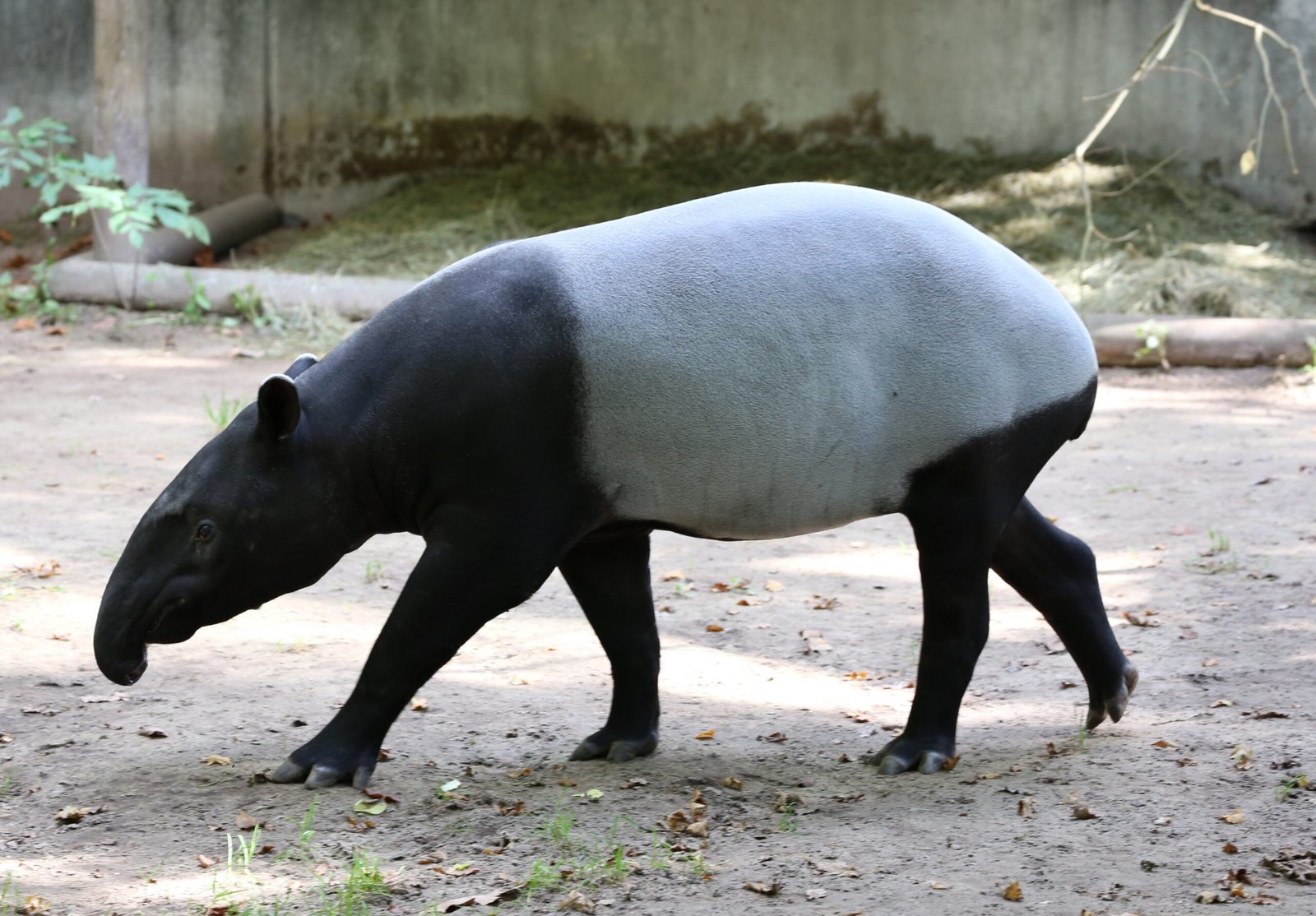
Surat Thani province, Thailand – Archived photographs from remote camera traps have revealed a vital refuge for endangered Asian tapirs in the Khlong Saeng–Khao Sok Forest Complex.[1]
Bycatch Data Yields Unexpected Wildlife Gems
Ninety-one overlooked images captured between 2016 and 2017 transformed into a treasure trove for researchers. These photos, originally snapped by traps targeting Asian black bears and sun bears at 40 sites, documented Asian tapirs incidentally.[1] Wyatt Petersen, a biologist at King Mongkut’s University of Technology Thonburi, led the analysis published in Mammalian Biology.[1]
Scientists identified at least 43 unique individuals through distinctive features such as scars, ear notches, and sex indicators. This approach bypassed labor-intensive surveys like visual transects, proving the value of repurposed data for shy, nocturnal species. The forest complex emerged as a key area deserving focused protection.[1]
Population Estimates Challenge Prior Assumptions
Density calculations placed tapirs at 6 to 10 individuals per 100 square kilometers, levels comparable to protected zones in Peninsular Malaysia. Modeling projected up to 436 mature tapirs across the complex, surpassing earlier IUCN figures of fewer than 250 for Thailand and Myanmar together. Researchers urged caution, noting uneven distribution likely lowers the true count.[1]
Here are the core metrics from the study:
- 43 individuals confirmed from 91 photos.
- Density: 6-10 per 100 km².
- Potential total: up to 436 mature tapirs.
- Global mature population: under 2,500.
| Location | Tapir Density (per 100 km²) |
|---|---|
| Khlong Saeng–Khao Sok, Thailand | 6-10 |
| Peninsular Malaysia | Similar |
| Kerinci Seblat, Sumatra | Lower |
Such figures underscore the site’s potential as a population anchor amid widespread declines.[1]
Elevation and Sex Shape Tapir Habits
Tapir detections rose with altitude, differing from Sumatra patterns where lower elevations prevailed. Seasonal shifts in Thai forests may drive this preference. Most sightings occurred at night, aligning with the species’ elusive nature.[1]
Males appeared twice as often as females on cameras, hinting at broader female ranges. Adult tapirs, weighing up to 350 kilograms with prehensile snouts, navigate dense understory as seed dispersers. Tigers and leopards prey on them, but habitat loss and snares pose greater dangers.[1]
Conservation Implications for Forest Guardians
Naparat Suttidate, an ecologist at Walailak University, highlighted their role: “They are large, slow-reproducing species requiring large areas of specific habitat [and] play a vital role as seed dispersers, helping to maintain biodiversity in plant communities.”[1] Fragmentation threatens remnants in Peninsular Thailand’s protected areas.
Bycatch analysis offers a scalable tool for monitoring amid shrinking habitats. Tapirs symbolize broader forest health, spurring ecotourism and funding. Suttidate added: “Fascination with these creatures and concern for their future sparks interest, funding and action that benefits tropical forest conservation as a whole.”[1]
Key Takeaways
- Khlong Saeng–Khao Sok hosts Thailand’s premier tapir population.
- Bycatch maximizes existing data for rare species.
- Targeted protection counters habitat threats.
This discovery reaffirms how past efforts illuminate paths forward for endangered icons like the Asian tapir. What steps should prioritize such forest strongholds? Share your thoughts in the comments.


