
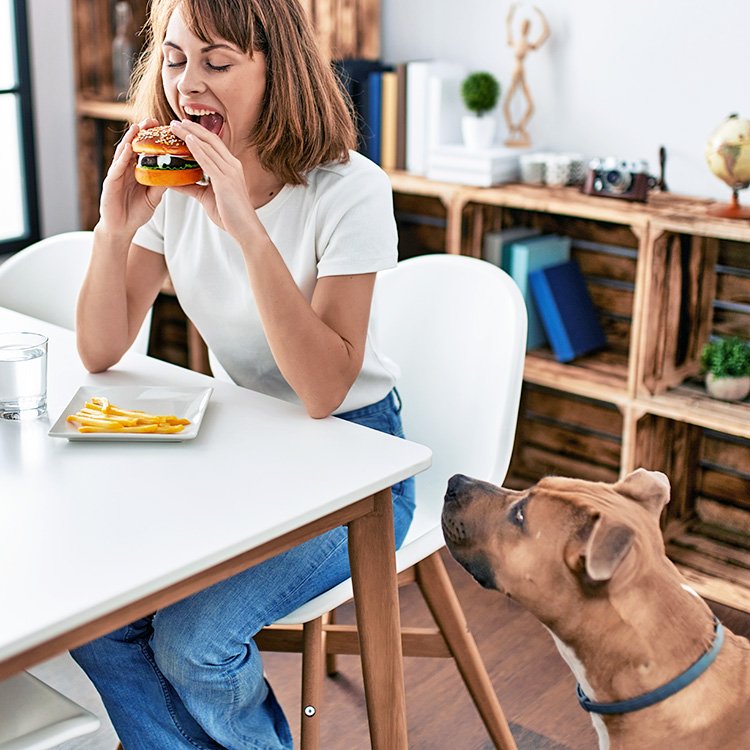
Dogs often beg for a share of the table scraps, especially when french fries appear during family meals.
The Allure of Fries Meets Canine Health Concerns
Veterinarians consistently warn that french fries pose more harm than good for dogs, despite their lack of outright toxicity. Potatoes in plain, cooked form remain safe in moderation, but the frying process changes everything. Owners might view a single fry as harmless indulgence, yet experts highlight accumulating dangers over time.
High-fat oils lead to digestive upset or even pancreatitis in susceptible pets. Salt levels exacerbate dehydration risks, while common seasonings introduce toxins. This combination turns a casual treat into a potential health setback.
Breaking Down the Primary Health Risks
Breaking Down the Primary Health Risks (Image Credits: Images.ctfassets.net)
French fries pack excessive fat from deep-frying, which overwhelms a dog’s system. This excess contributes to obesity and triggers inflammation in the pancreas, a condition requiring veterinary intervention. Sodium content poses another threat, potentially causing thirst, vomiting, or severe ion imbalances in larger quantities.
Seasonings like garlic or onion powder prove particularly dangerous, damaging red blood cells and leading to anemia. Smaller dogs face choking hazards from the fry shape, and greasy remnants irritate the gut lining. Thashia Reddy, DVM, notes, “They’re typically high in fat and salt, which isn’t good for dogs. Additionally, the grease and oil from french fries can cause stomach upset.”
- Pancreatitis from fats: Severe abdominal pain and hospitalization possible.
- Salt poisoning: Excessive thirst, seizures in extreme cases.
- Toxic additives: Anemia from allium compounds.
- Obesity buildup: Shortened lifespan and joint issues.
- Choking or blockages: Risk for toy breeds.
Steps to Take After a Fry Incident
Pet owners discover fries on the floor more often than planned. A couple of plain fries rarely cause lasting issues in healthy adults, but monitoring remains essential. Watch for vomiting, diarrhea, lethargy, or appetite loss over the next day.
Seasoned varieties or larger amounts demand immediate vet contact. Factors like dog size, pre-existing conditions, and fry preparation influence outcomes. Professional guidance prevents minor slips from escalating.
Swapping Fries for Tail-Wagging Alternatives
Dogs crave crunch and novelty without the downsides. Healthier options abound, keeping treats under 10 percent of daily calories to maintain nutritional balance.
Commercial dog treats formulated for specific needs offer reliability. Home-prepared veggies provide low-calorie satisfaction that mimics fry texture.
| Treat Option | Key Benefits |
|---|---|
| Carrot sticks | Low-calorie crunch, vitamin-rich |
| Baked sweet potato bites | Fiber-packed, naturally sweet |
| Green beans | Steamed for easy digestion |
| Apple slices (no seeds) | Hydrating antioxidants |
Blueberries, plain pumpkin, or zucchini spears round out variety. Always introduce new foods gradually and consult a vet for personalized advice.
Key Takeaways
- French fries deliver empty calories loaded with fat and salt – opt for nutrient-dense swaps.
- Monitor closely after accidental ingestion; seek vet help for symptoms or toxins.
- Stick to the 10% treat rule for long-term health.
Dogs thrive on thoughtful care rather than human indulgences. Choosing safer snacks fosters vitality and prevents vet visits. What healthy treats keep your pup happiest? Share in the comments.


