
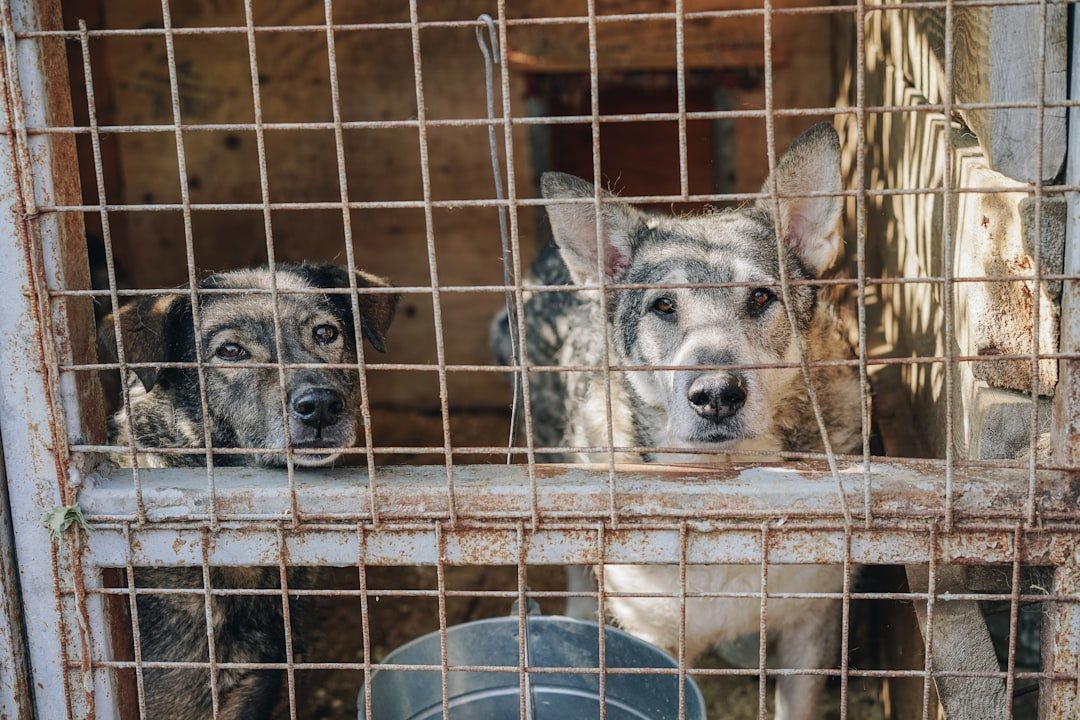
In January, rescuers uncovered a heartbreaking scene at an undisclosed UK property where more than 250 poodle-cross dogs filled a single living room. The animals endured severe overcrowding, with many suffering from matted and crusted coats as well as sore skin.[1][2] What began as an overwhelming situation for the owners has transformed into a story of recovery and hope, as the dogs now flourish in rehoming centers.
A Shocking Discovery Sparks Disbelief
A rescuer’s photograph captured dozens of the tiny dogs pressed together in the cramped space, a sight so extreme that it exploded across social media.[2] Commenters quickly accused the RSPCA of using artificial intelligence to generate the image, prompting the charity to issue a firm denial. “This photo is not AI – it’s real,” stated RSPCA Superintendent Jo Hirst, emphasizing the “staggering reality” of such cases.[3]
The dogs arrived at centers like Nottingham’s Radcliffe Animal Centre in dire straits. Staff noted severely matted coats that demanded immediate grooming and treatment for skin sores. Some animals proved so frightened that handlers had to carry them from kennels to open areas.[2] This rescue stood out as one of the charity’s most challenging, highlighting how quickly well-intentioned situations can spiral.
Owners Overwhelmed by Uncontrolled Breeding
Family circumstances led the owners to lose control over the poodle-cross breeding, known popularly as “doodles.” These crossbreeds have surged in popularity, ranking among the top three owned in recent surveys.[1] The RSPCA described the household as overwhelmed, with numbers and conditions deteriorating rapidly.
Recognizing the owners’ “extremely vulnerable nature,” the charity opted against prosecution. Such incidents often tie to mental health challenges, economic pressures from the cost-of-living crisis, or inadequate breeding practices. This approach allowed focus on the animals’ welfare rather than legal action.[4]
Swift Care and Remarkable Transformations
Of the 250 dogs, the RSPCA assumed care for 87, distributing them to centers across Hertfordshire, Surrey, Norfolk, and Nottinghamshire. The Dogs Trust handled the remainder, providing behavioral support and medical attention. Many required coat treatments and time to build trust.[2]
Progress came quickly. Lee Hopgood, RSPCA operational superintendent for northern England, reported that “surprisingly… the dogs are fine and doing really, really well.” A Dogs Trust spokesperson added that numerous animals now enjoy life in forever homes after receiving essential care.[1][4]
Individual Tales of Hope and Adoption
Stories from the group inspire optimism. Boone, one of the poodle-crosses, entered care underweight with sore ears and eyes. Adopted by former RSPCA inspector Dermot Murphy, the dog hesitated at first on a lead but soon blossomed. “It’s just fantastic to see how he’s come out of himself and become part of our family,” Murphy shared.[4]
- Stevie, a blind and deaf cocker spaniel cross, awaits adoption alongside her guide companion Sandy at the RSPCA’s Southridge Animal Centre.
- Several females gave birth post-rescue and remain under Dogs Trust care.
- Others, like those at Radcliffe, transitioned from fear to playful routines in weeks.
- Rehoming successes span multiple centers, with tailored matches for special needs.
Rising Trend in Animal Overcrowding Cases
The RSPCA confronted 4,200 multi-animal incidents last year – those involving at least 10 animals – marking a 70% increase since 2021. Poodle-crosses feature prominently amid their popularity boom. This case underscores broader pressures on pet owners and welfare systems.[2]
Experts link surges to economic strains and mental health issues. Preventive education on responsible breeding gains urgency as charities manage growing demands. Recent parallels include a Bedfordshire rescue of 80 small dogs last November.
- Over 250 dogs rescued in January now thrive, with many rehomed successfully.
- No prosecution pursued due to owners’ vulnerability amid family crises.
- Multi-animal cases rose 70% since 2021, signaling a national welfare challenge.


