
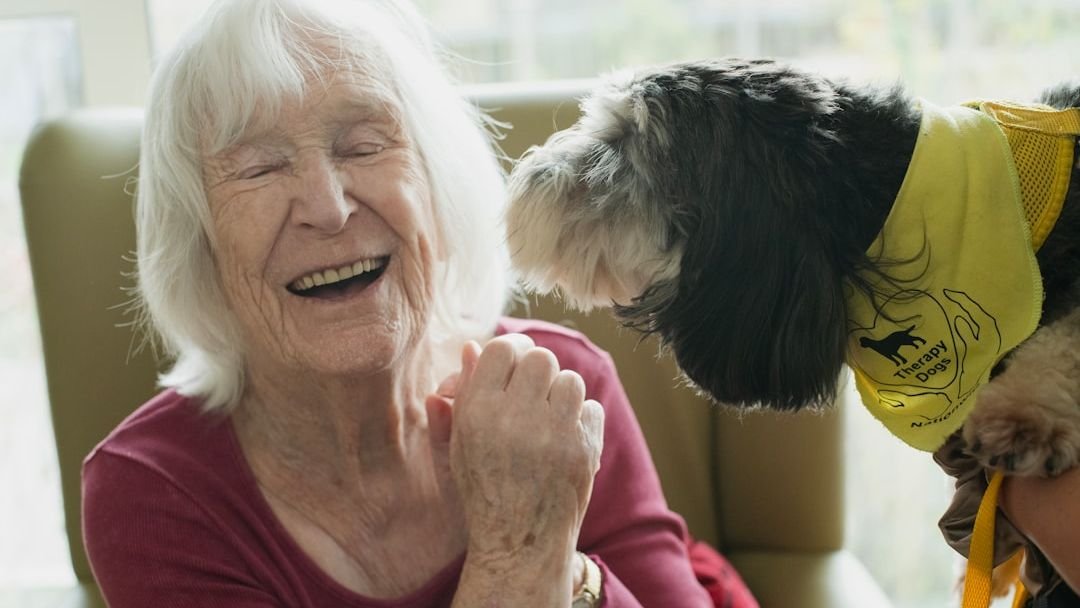
There’s something quietly profound about walking through a shelter and locking eyes with a gray-muzzled dog. While puppies tumble over each other in their pens, these older souls sit with a stillness that speaks volumes. They’re not bouncing off walls or demanding constant attention. Instead, they offer something deeper, something that takes life experience to truly appreciate.
Maybe you’ve thought about it before but hesitated. Let’s be honest, most of us have been conditioned to believe that puppies are the only way to go. Yet only about one in four senior dogs get adopted, compared to roughly three out of every five younger dogs and puppies. That’s a staggering difference, and it has little to do with what these dogs can offer. The truth is, adopting a senior dog isn’t just a charitable act. It’s a decision that can reshape your entire understanding of what it means to share your life with a canine companion.
Why Gray Muzzles Often Get Left Behind
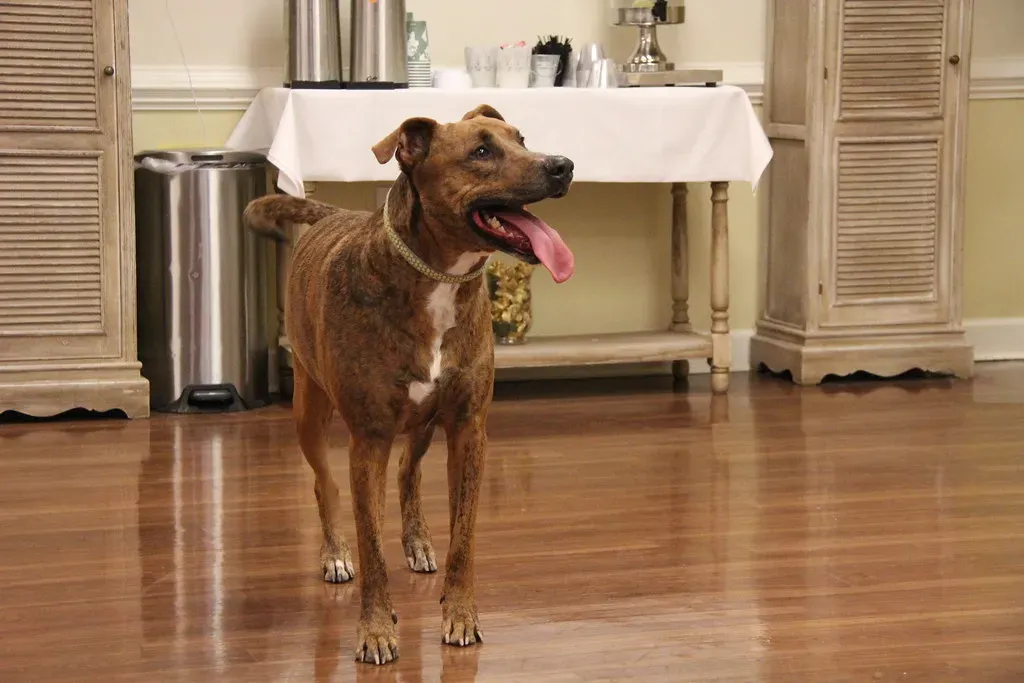
Senior dogs are frequently overlooked in shelters compared to younger dogs and puppies. Walk into any animal shelter and you’ll see it firsthand. Families gravitate toward the puppies, captivated by their boundless energy and that irresistible new-puppy smell.
The reasons people skip over senior dogs aren’t always malicious. Many worry about potential health issues that might require long-term management and increase care costs. There’s also the emotional reality that adopters must face. Because seniors have less life left, prospective owners may feel anxious about making difficult quality-of-life decisions soon after adoption.
Older dogs tend to be surrendered more for human issues versus problems with the dogs themselves – meaning the owner becomes ill, moves into nursing care, or passes away. These were cherished companions who did nothing wrong. They simply found themselves without a home through no fault of their own.
The Unexpected Gift of an Established Personality
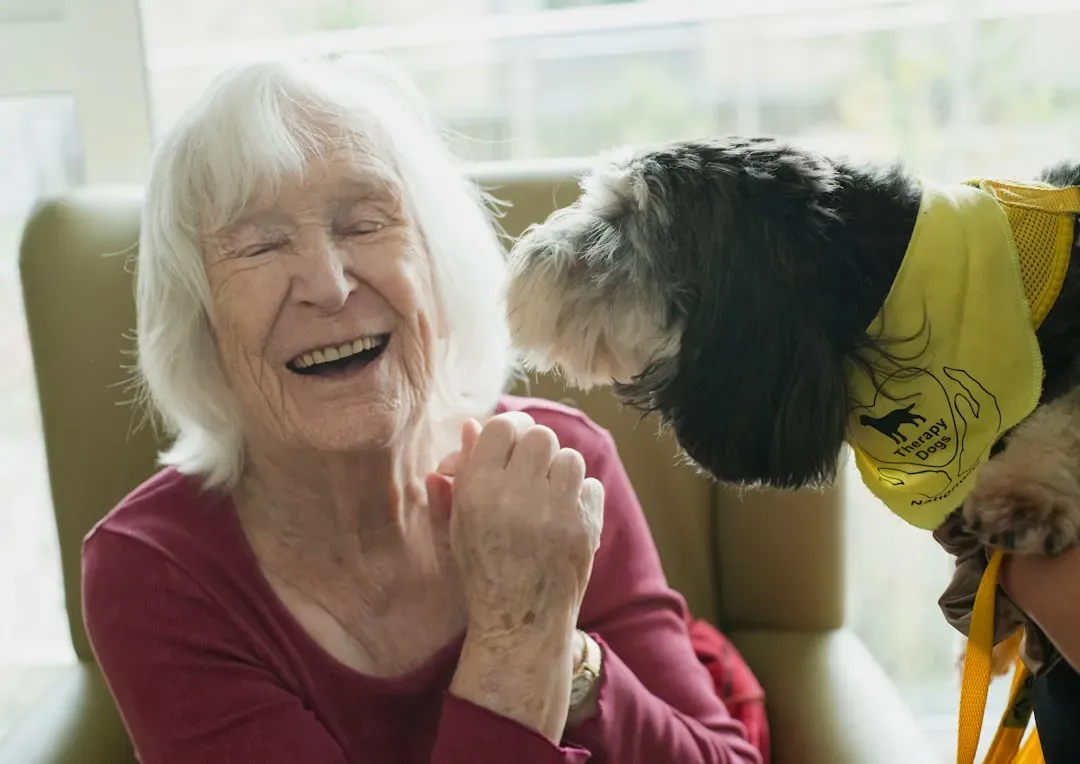
Here’s something people don’t talk about enough – when you adopt a puppy, you’re essentially playing the lottery. You might get a calm, easy-going companion or you might end up with a hyperactive tornado who needs three hours of exercise daily. With senior dogs, what you see is what you get.
Senior dogs are already full-grown, which means adopters know exactly what to expect, including the dog’s temperament. While a puppy’s characteristics and disposition might change over time as he matures, a senior pet is less likely to change because his personality has already developed.
This predictability is honestly a game-changer. You can visit the shelter, spend time with a senior dog, and get a genuine sense of whether they’ll fit into your lifestyle. Are you looking for a couch companion who enjoys leisurely walks? There’s probably a perfect senior waiting for you. Need a dog who gets along with cats or children? Shelter staff can tell you with confidence which older dogs meet that criteria.
Senior dogs have generally outgrown puppy behaviors like chewing, making them less of a concern for potential adopters. No more destroyed shoes, chewed furniture legs, or anxiety about what you’ll find when you get home from work.
The Calm Confidence of a Mature Companion

Senior dogs are often overlooked in shelters, but their calm temperaments and low energy levels make them ideal companions who are generally more relaxed due to their older age. I think this might be the most underrated benefit of adopting an older dog.
If you work from home, the difference is remarkable. Puppies need constant supervision and stimulation. Professional trainers note that older dogs have life experiences that help them be more confident in certain situations, with more focus that helps them learn skills quickly. They won’t be pulling at the leash with unbridled enthusiasm or barking at every passing squirrel.
Studies show that spending time with dogs reduces stress, lowers blood pressure, and improves overall well-being, and senior dogs in particular bring a special kind of calm into the home. That peaceful energy is contagious. After a stressful day, coming home to a senior dog who greets you with gentle affection rather than manic jumping feels like exactly what you need.
They Already Know the House Rules

Let’s talk about one of the most exhausting parts of puppy ownership – house training. Months of vigilance, accidents on your carpet, middle-of-the-night bathroom breaks. Older dogs are typically housebroken and are still capable of learning new behaviors.
Many adult dogs have already experienced basic training or been cared for at some point, with most having a basic understanding of commands and responding to simple commands well. They know what “sit” means. They understand not to beg at the dinner table. They’ve already mastered walking on a leash without dragging you down the street.
An older dog is also more receptive to newer commands due to the experience of learning and responding to commands from previous training, making potty training, feeding, cleaning, and walking easier and less demanding. Even if they need a refresher on household rules, the foundation is already there. Training becomes fine-tuning rather than starting from scratch.
For first-time dog owners or people with demanding schedules, this is honestly invaluable. You can skip straight to the enjoyable parts of dog ownership without the exhausting puppy phase.
The Deep Bond That Forms Almost Instantly

There’s something almost spiritual about the connection that forms with a rescued senior dog. Because these dogs have experienced socialization and bonding with humans before, they tend to easily bond with whoever gets to adopt them, seeing their adopter as a lifesaver.
Senior dogs seem to show gratitude to their adopters, which can look like a quiet, soulful appreciation for being given a second chance. You can see it in their eyes. They know what it’s like to lose a home, to feel uncertain about their future. When you offer them stability and love, they don’t take it for granted.
After six years waiting for a home, it took only 48 hours for one senior dog to feel like he belonged. Stories like this happen repeatedly. Senior dogs settle in quickly, understanding that they’ve been given something precious. They are highly appreciative of the care and affection they receive and usually show it with frequent cuddles, licks, and closeness.
Practical Considerations and Health Realities
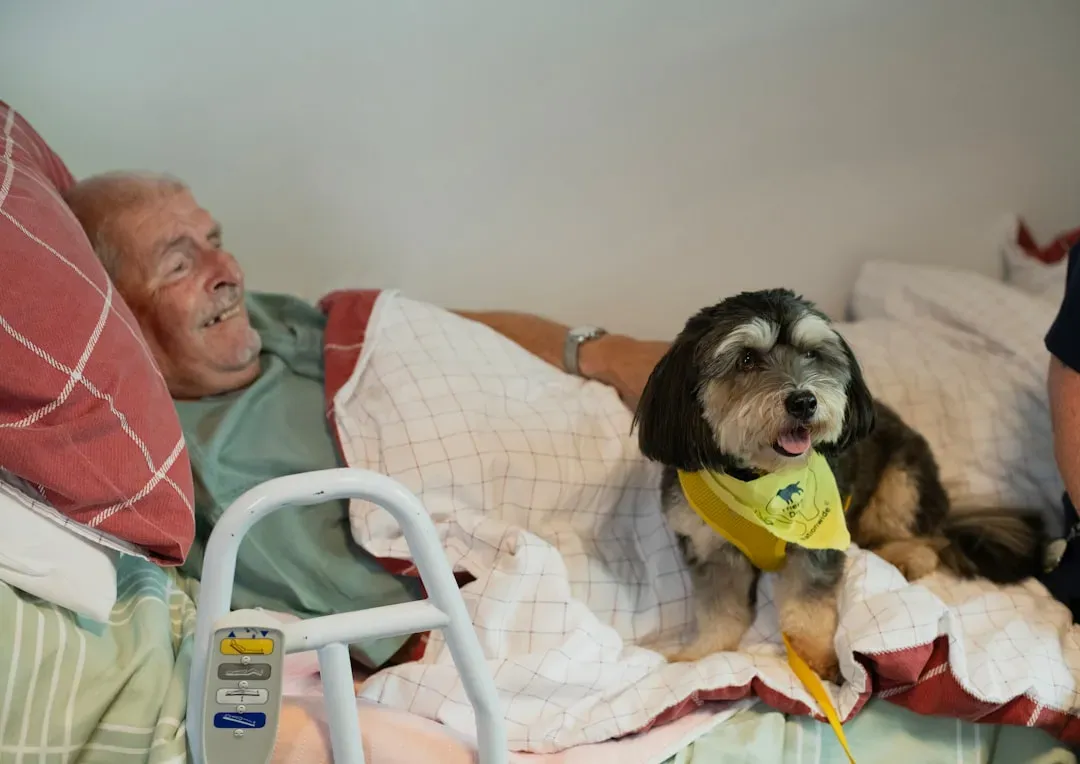
It would be dishonest not to address the elephant in the room – health concerns. Common issues include arthritis, dental disease, and occasional vision or hearing changes. These are real considerations that require honest reflection before adoption.
Most rescue organizations handle major veterinary work before adoption, including dental cleanings, blood work, and treating existing conditions, with regular veterinary check-ups becoming more important as dogs age, typically recommended twice yearly instead of annually. This proactive care helps catch potential issues early.
However, here’s what surprised me when researching this topic. Even if you adopt a puppy, it doesn’t guarantee a clean bill of health, as younger dogs can come with just as many, or even more, unpredictable health challenges. Puppies need expensive vaccinations, they might develop genetic conditions that don’t manifest until later, and their energetic nature leads to more injuries.
Many senior dogs live happy, healthy lives for years after adoption with proper care and attention, and creating a comfortable environment with orthopedic bedding, easy access to food and water, and minimal stairs can help them thrive. The key is being prepared and committed to their wellbeing.
A Second Chapter Worth Writing

Senior pets are among the most at-risk in shelters, but most of these dogs are tried and true companions that just need a second chance, with the beauty being that they’ve already grown into themselves so you can choose a pet that’s the right fit for your lifestyle. That’s the heart of it, really.
Adopting a senior dog transforms both of your lives. You’re not just rescuing them from a shelter. You’re offering dignity, comfort, and belonging during their golden years. In return, you receive unwavering loyalty, calm companionship, and a profound lesson in what truly matters.
You’re helping to save a life, and because of you, that dog is going to have a loving family and, ultimately, a happy retirement. Every senior dog deserves to spend their final years in a warm home rather than a cold kennel. Every single one has love left to give.
The question isn’t whether they’re worth it. The question is whether you’re ready to experience the unique joy that only a senior dog can bring. What would it mean to give a gray-muzzled companion the sanctuary they’ve been dreaming of? Have you considered that the perfect dog for your life might already be waiting patiently in a shelter, hoping you’ll finally see them?


