
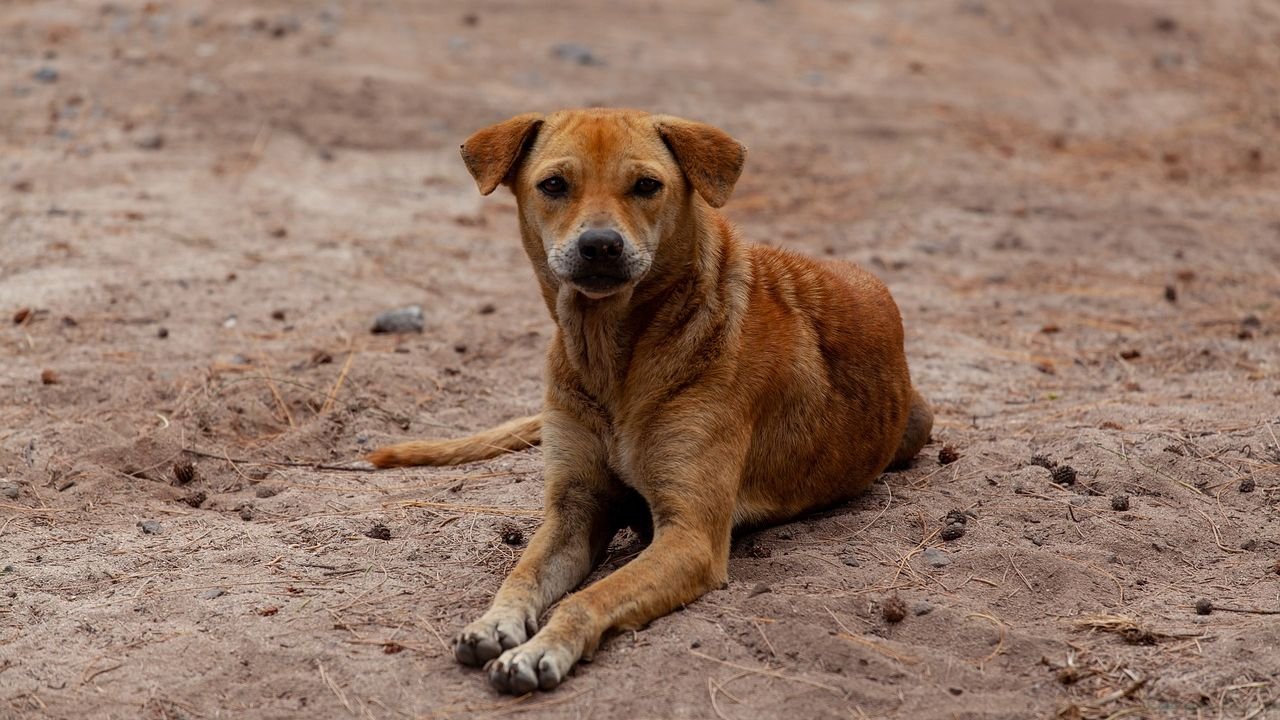
Few things unify the global public quite like the love of animals. So when alarming reports began surfacing from Morocco, describing mass killings of stray dogs in the lead-up to the 2030 FIFA World Cup, the world did not stay silent. The images, testimonies, and documented evidence spreading across social media have ignited a firestorm of outrage that shows no signs of cooling down.
What started as whispered concerns from Moroccan residents and local animal welfare volunteers has since exploded into an international crisis, drawing in celebrities, lawmakers, global organizations, and millions of everyday people demanding change. The story is equal parts heartbreaking and infuriating. Let’s dive in.
The Allegations: What Is Allegedly Happening to Morocco’s Dogs?
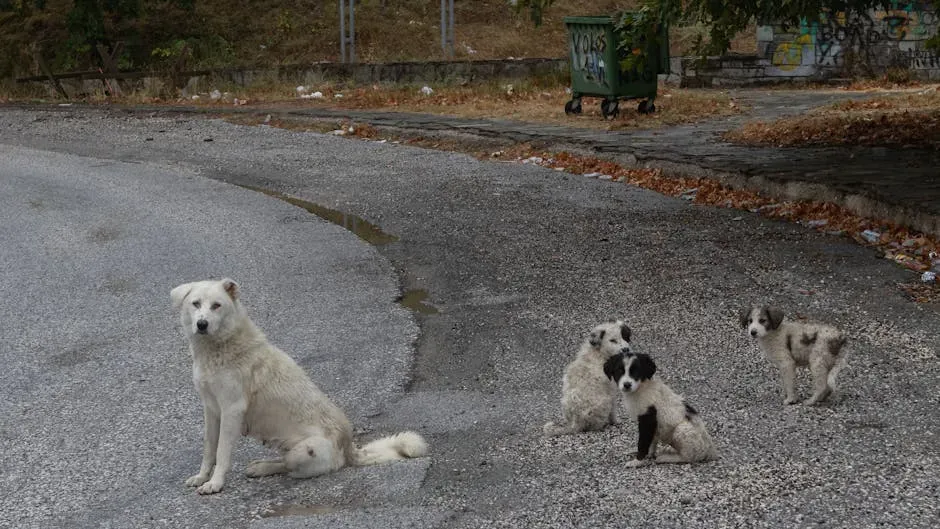
Outrage is growing worldwide following disturbing reports that stray dogs are being killed across Morocco as the country prepares to co-host the 2030 FIFA World Cup. The methods allegedly being used are nothing short of shocking. Reports indicate that up to three million dogs are at risk, with methods of killing including poisoning either by direct injection or through food, as well as government-mandated gunmen cruising urban and rural areas day and night with rifles and pistols.
According to a report in CNN June 2025, one schoolgirl named Amina (pseudonym) from Ifrane, a small mountain town known as the “Switzerland of Morocco, “was quoted as saying ““Walking to school, I would pass pools of blood on the street. “There used to be occasional shootings every few months,” she said. “Now, they are more systematic. They kill dogs like it’s a sport – like people hunt ducks.” She added.
It does not stop there. Dogs are also reportedly hunted down and trapped with medieval clamping devices, thrown into trucks with other terrified animals, and taken to what are described as “fake dispensaries,” where they are either burned in incinerators or dumped in mass graves. An investigation by The Athletic reported on a designated “kill centre,” described as an abattoir on the edge of the popular tourist hotspot of Marrakech.
The Scale of the Crisis and the Human Stories Behind It
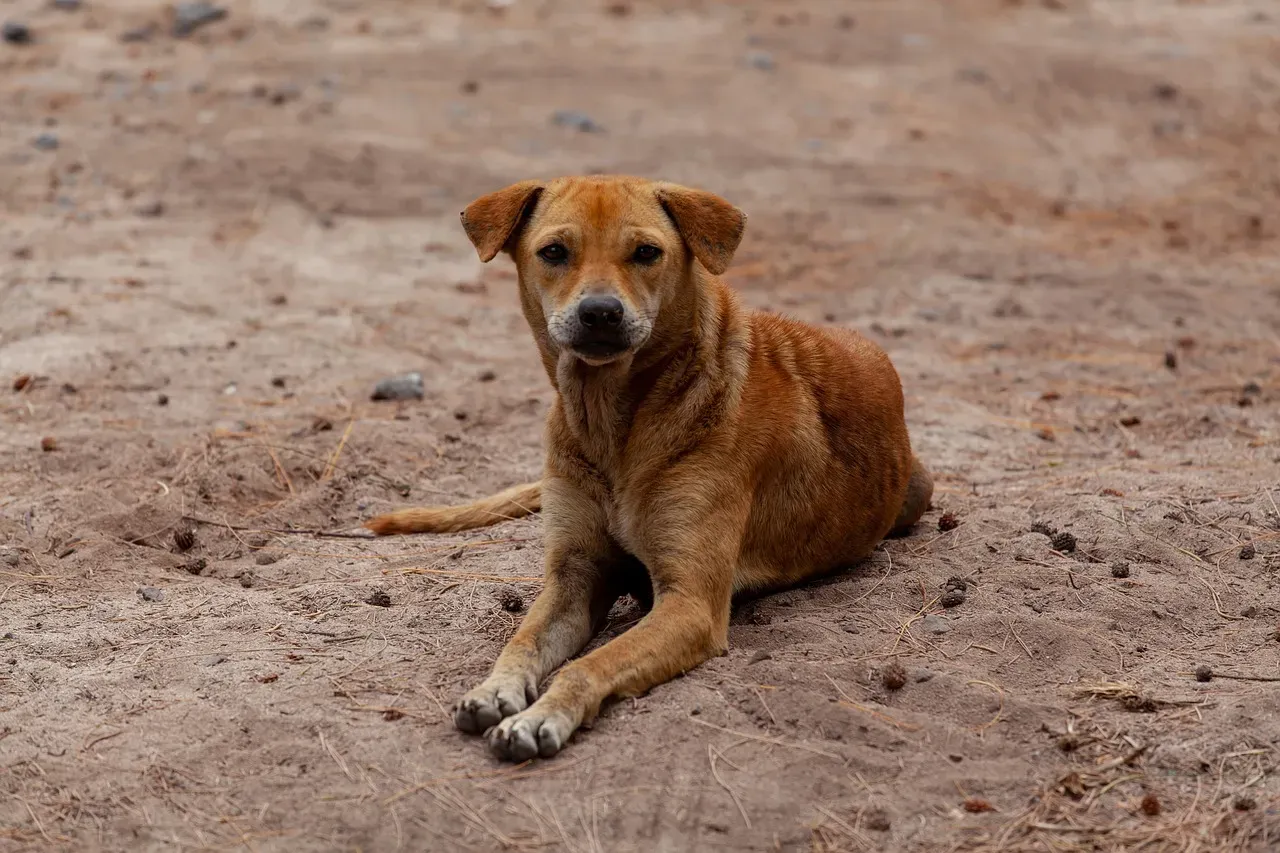
Here is the thing. Numbers and statistics can sometimes feel abstract. Estimates from various news portals including PETA suggest that up to three million dogs could be killed over the next four years, and from Tangier to Casablanca, dogs are reportedly being strangled, poisoned, or shot in full public view, causing immense trauma to residents and their children.
Besides Amina, another resident named in the CNN report, Erin Captain, an American who moved to Casablanca, began caring for two puppies before local municipal vans began prowling the streets. One night they came for her puppies, taking them from outside her home and breaking one’s legs before kicking the other to death.
Celebrities Speak Out and International Pressure Builds
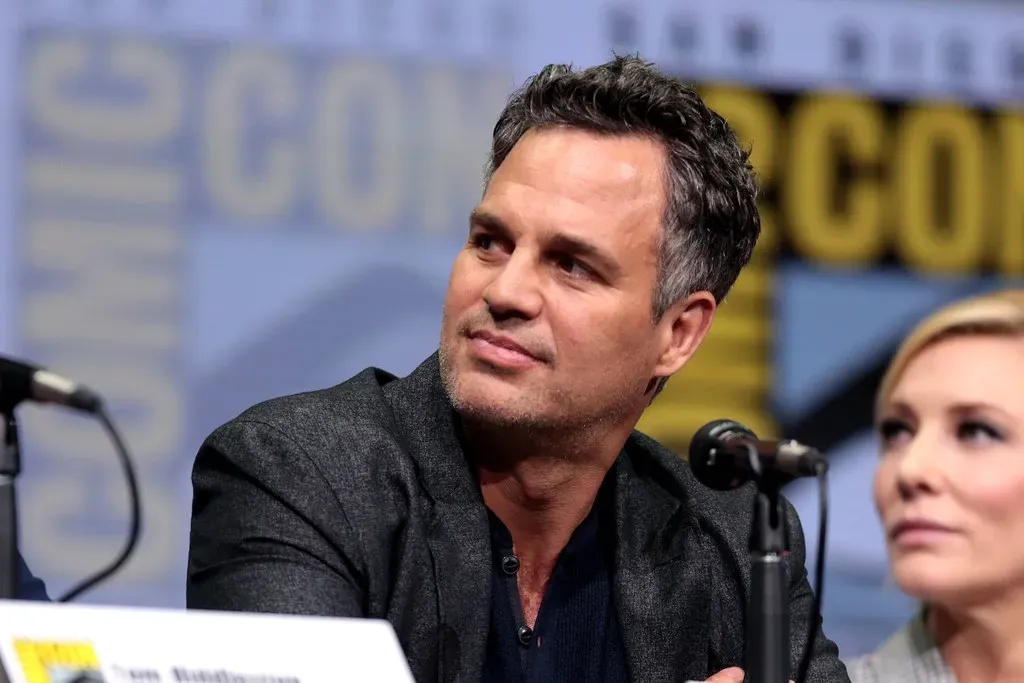
When celebrities get involved in a cause, the conversation goes global. Fast. The issue has drawn global attention ahead of the 2030 World Cup, with celebrities including Ricky Gervais and Peter Egan condemning the killings on X, calling them a “slaughter.” Actor Peter Egan went even further, urging tourists to boycott Morocco entirely.
Oscar-nominated actor and campaigner Mark Ruffalo also weighed in, calling the allegations a “moral failure.” Ruffalo wrote that killing millions of dogs to prepare for a global sporting event is “not progress” and that “the World Cup should unite the world, not be built on suffering that happens behind closed doors.” Tourists have also witnessed acts of cruelty firsthand in Marrakech, and shockingly, some have even faced threats while attempting to film the killings.
FIFA’s Response and the Question of Accountability

Honestly, this is where things get particularly frustrating. FIFA has been aware of Morocco’s dog culling since at least 2023, when the European Link Coalition, a UK-based NGO, met with senior FIFA officials to present evidence of a rise in culling, including dozens of photos, videos, and witness testimonies.
According to the ELC, FIFA then fell silent after initially promising a “suggested way forward,” and the organization says it has not heard from FIFA’s Human Rights Advisor or her colleagues since. Despite being informed that Morocco is in clear breach of all recognized standards of humane treatment and welfare for dogs, FIFA has refused to comment or take decisive action. Minky Worden of Human Rights Watch told CNN that animal mistreatment “could become a major PR issue if FIFA doesn’t take concrete action.”
Humane Alternatives Exist, So What Comes Next?
Let’s be real. There is a viable path forward, and those pushing for it are not asking for the impossible. Morocco’s government has actually run a Trap-Neuter-Vaccinate-Release program since 2019, a humane strategy to control stray dog populations, though some municipalities have been accused of not stopping inhumane culling in other areas. The contradiction is glaring and frankly difficult to defend.
Eurogroup for Animals, in a letter to FIFA, pointed out that killing street dogs is not a suitable means of reducing the population in the long term, noting that new dogs take the places of killed animals because they migrate from neighboring areas. Morocco’s draft legislation to criminalize killing strays will move through parliamentary review, though timelines remain unclear, and advocacy groups will likely maintain pressure on FIFA and Morocco as the situation develops.
A Global Moral Reckoning
There is something deeply troubling about a country preparing to welcome the world while, allegedly, waging a hidden war against its most vulnerable and visible street animals. I think the global reaction to this story speaks volumes about what people truly value when a spotlight is switched on. The 2030 World Cup is supposed to be a celebration of human unity, and right now, that vision feels badly tarnished.
The treatment of stray dogs in Morocco could draw international attention and cast a shadow over the World Cup and FIFA, ultimately deterring many animal-friendly football fans from experiencing the event and Morocco’s culture. The International Animal Coalition has already written to the UN Committee on the Rights of the Child, urging them to intervene and take urgent action to stop the daily mass killings. Meanwhile, the clock is ticking, with 2030 drawing ever closer and millions of animals still at risk.
The world is watching. The real question now is whether FIFA, Morocco, and the co-host nations Spain and Portugal have the moral will to act before this shadow permanently stains the tournament. What do you think FIFA’s responsibility should be in situations like this? Tell us in the comments.


