
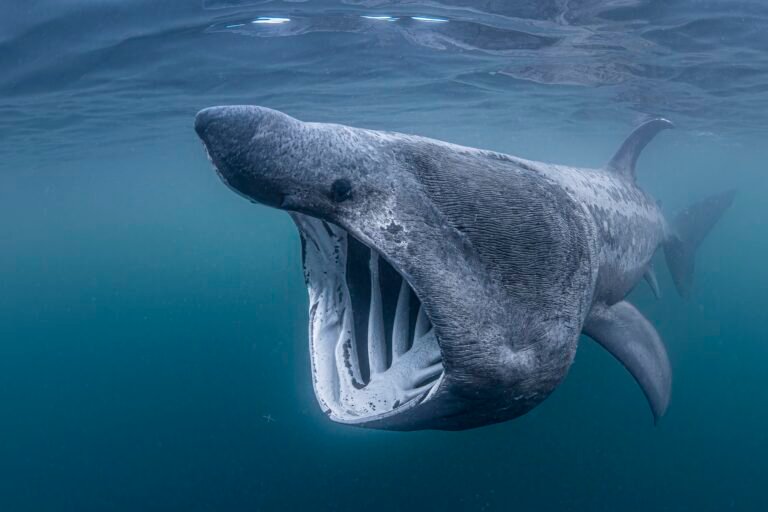
Extinction Crisis Looms for Ocean Predators (Image Credits: Imgs.mongabay.com)
Oceans worldwide harbor struggling populations of sharks and rays, now armed with a comprehensive scientific blueprint for their protection.[1][2]
Extinction Crisis Looms for Ocean Predators
Sharks and rays rank as the second most threatened group of vertebrates globally, with over one-third of species facing extinction risks.[2] Overfishing has decimated populations, compounded by habitat loss and climate change impacts that disrupt migrations and breeding.[1]
A 2021 study documented a more than 70% decline in abundance for 31 oceanic species since 1970, underscoring the urgency.[1] Slow maturation rates, like those of the endangered shortfin mako shark, mean recovery could span decades even without further fishing pressure. Conservationists emphasized that targeted actions in specific zones could reverse these trends before species vanish entirely.
Ocean Travellers Report Delivers Breakthrough Science
The IUCN Species Survival Commission Shark Specialist Group released the “Ocean Travellers: Safeguarding Critical Habitats for Migratory Sharks and Rays” report on January 14, 2026, following its December publication.[2][1] Drawing from over 1,330 scientists across more than 100 countries, it synthesized decades of data to pinpoint 816 Important Shark and Ray Areas (ISRAs).[1]
These ISRAs span 70% of the global ocean, from coastal shelves to remote seamounts and high seas beyond national borders. The effort marks the first coordinated global mapping for these migratory species, covering reproductive sites, feeding grounds, migratory corridors, and aggregation hotspots for 327 species, including 42 under CMS protection.[2] An interactive online atlas now makes this data publicly accessible to policymakers and researchers.
Diverse ISRAs Demand Tailored Protections
ISRAs vary dramatically in scale and function, hosting vital life stages for threatened species like the critically endangered green sawfish in Sudan’s Red Sea waters or vulnerable bigeye thresher sharks south of Hawai’i.[1] The Maldives alone features 27 compact ISRAs amid its archipelago.
- Migratory corridors connect South Africa and Mozambique.
- Upwelling systems fuel life in the Eastern Tropical Pacific.
- Cultural aggregation sites thrive in Pacific Islands.
- Unique behaviors unfold in French Polynesia’s remote atolls.
Remarkably, these zones occupy less than 3% of the ocean surface in the nine completed regions, proving protection remains feasible despite vast seas.[1] Yet only 1% in the Western Indian Ocean overlap with no-take marine protected areas, highlighting enforcement gaps.
Path Forward Through International Collaboration
“ISRAs spotlight the places where conservation action will have the greatest impact,” stated Dr. Rima Jabado, IUCN SSC Deputy Chair and Shark Specialist Group Chair.[2] The report equips governments for marine spatial planning, fisheries reforms, and alignment with treaties like CMS and the Kunming-Montreal Global Biodiversity Framework.
Upcoming CMS talks in Brazil this March will spotlight area-based measures, while the new BBNJ Agreement opens doors for high-seas safeguards. Experts urged swift integration of ISRAs into policies to avert irreversible losses.
Key Takeaways
- 816 ISRAs cover essential habitats across 70% of oceans for 327 shark and ray species.
- Protection targets represent under 3% of studied ocean areas, making success attainable.
- Over 1,330 scientists collaborated, providing robust data for global policy.
This mapping initiative transforms invisible journeys into actionable priorities, offering hope for sharks and rays amid mounting pressures. What steps should governments take next to protect these ocean travelers? Share your thoughts in the comments.


