
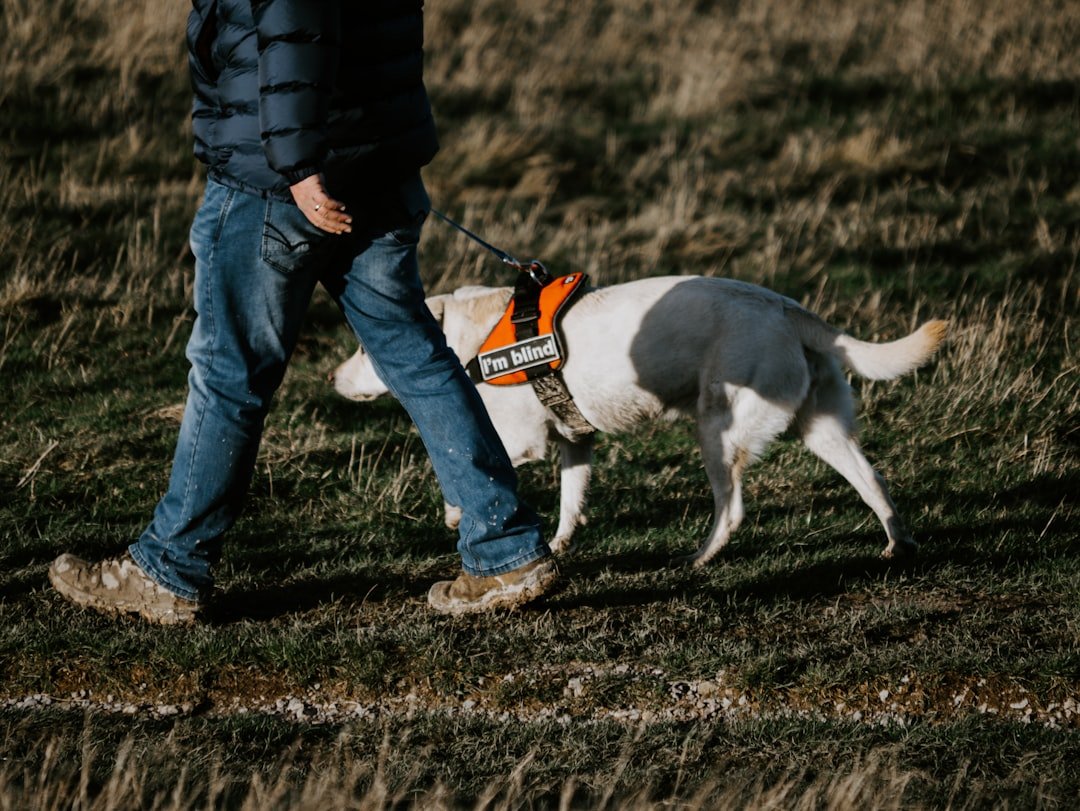
Plymouth – A partially sighted local resident discovered profound liberation through her guide dog, which restored her ability to navigate the world with assurance after years of isolation.
From Isolation to Empowerment
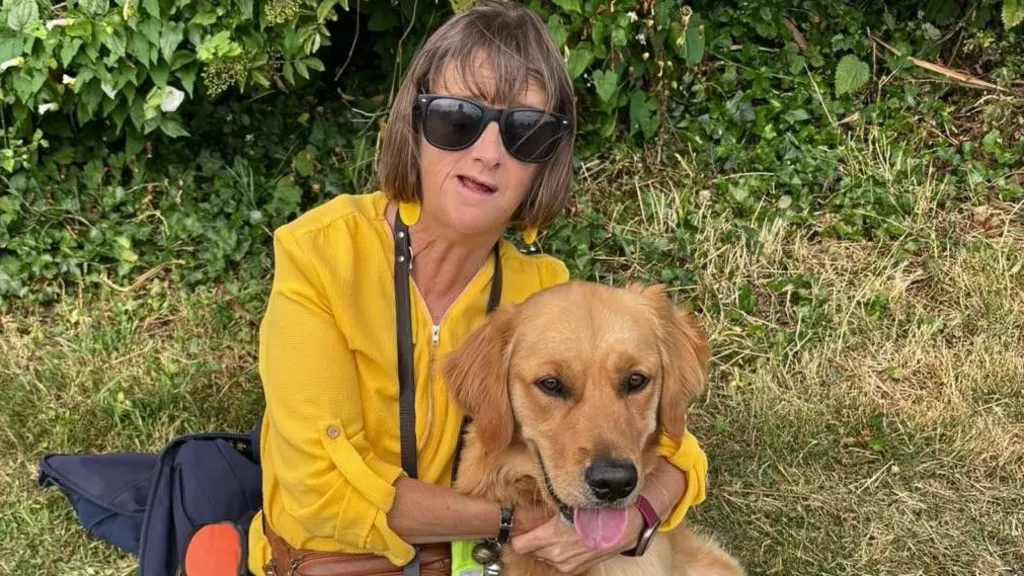
Trudy Sherwood once struggled with a cane, feeling nervous and confined to her home on many days. The arrival of her first guide dog, Connie, marked a turning point that expanded her horizons dramatically.[1]
Daily tasks like crossing roads and boarding buses became manageable, prompting interactions with strangers who previously overlooked her. After Connie retired following six years of service, Sherwood faced renewed challenges until matched with her current guide dog, Kal-El. This partnership reignited her sense of freedom, allowing her to venture out confidently once more.
The Meticulous Path to Guidework Mastery
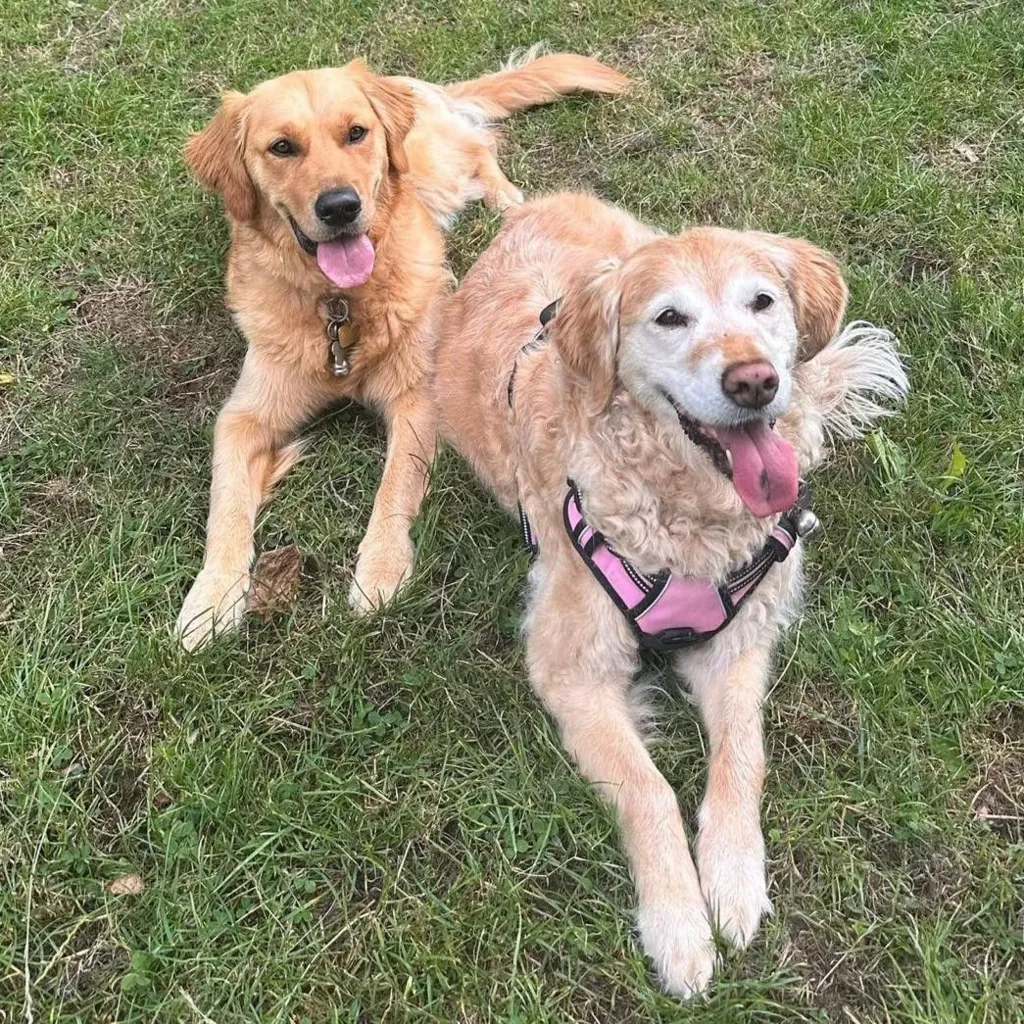
Prospective guide dogs undergo rigorous preparation before partnering with handlers, a process that demands precision and patience. Formal training spans 16 to 20 weeks, encompassing assessments for compatibility and skill-building in essential tasks.[1][2]
Trainers evaluate dogs on pavement positioning, curb detection, obstacle avoidance, and responses to distractions such as traffic or animals. Kal-El, handled by experienced instructor Bev Brenton, progressed swiftly due to his aptitude and gentle nature. Handlers like Sherwood also participate in training to ensure seamless teamwork.
Unsung Heroes: Puppy Raisers and Fosters
Volunteer puppy raisers play a foundational role, nurturing dogs from young ages in home environments to instill basic obedience and socialization. These dedicated individuals, along with fosters who support during intensive phases, prepare puppies for formal guidework.[3]
Organizations like Guide Dogs rely on such volunteers to bridge the gap between breeding and advanced training. In the South West region, increased puppy raising efforts aim to shorten waitlists, where around 56 individuals currently await matches. This community involvement ensures more visually impaired people gain mobility aids tailored to their needs.
Measurable Gains in Mobility and Well-Being
Guide dogs deliver tangible advantages, enabling faster travel, smoother crowd navigation, and consistent straight-line paths. They foster emotional security, reducing feelings of vulnerability during outings.[4]
Research highlights how these animals counteract barriers like pavement-blocking vehicles, which force 95 percent of sight-impaired individuals into roads, eroding their confidence.[1]
- Enhanced obstacle avoidance and elevation changes.
- Intelligent refusal of unsafe commands.
- Improved public interactions and perceived capability.
- Boosted overall independence in work, education, and social settings.
- Companionship that combats isolation.
Key Takeaways
- Guide dogs transform routine navigation into confident exploration.
- Training timelines of 16-20 weeks ensure reliable partnerships.
- Volunteers remain essential to scaling access for those in need.
Guide dogs stand as beacons of possibility, proving that loyalty and training can overcome visual barriers. As more volunteers step forward, similar stories of renewal will inspire communities nationwide. What experiences have you had with service animals? Share in the comments below.


