

Every parent wants their teenager to thrive emotionally and socially. The adolescent years can be turbulent, filled with mood swings and social challenges that leave families searching for solutions. We’ve always known dogs bring joy to households, yet most people think it’s purely about companionship.
Science is now revealing something far more intriguing lurking beneath the surface. It turns out the furry friend sleeping on your couch might be doing something remarkable at a microscopic level. Let’s be real, the connection between pets and mental health has been talked about for decades, yet this latest discovery takes things in an unexpected direction.
The Groundbreaking Research Behind the Discovery

A team of Japanese researchers from Gunma University and Azabu University associated with the Tokyo Teen Cohort Project decided to dig deeper into why dogs seem to help adolescents. The data showed that teenagers who own dogs when they were 13 years of age had significantly lower scores for social problems, social withdrawal, thought problems and lower levels of delinquent and aggressive behaviors when measured later.
For this new study, the team selected a new sample of 247 non-dog owning and 96 dog owning adolescents aged 12 to 13 years, administering the same inventory to measure mental health and behavioral scores that was used in the previous study. The results replicated earlier findings consistently. Researchers weren’t satisfied with simply confirming what they already suspected, though.
Microbiome Changes: The Hidden Player

Here’s where things get fascinating. Researchers point to a reason as to why: dogs prompt changes in the collection of microbes that live in and on our bodies, resulting in an increase in mental health benefits. The team added an additional step, namely they took samples of saliva from the adolescents to measure their microbiome.
Think of your gut microbiome as a bustling city of bacteria and microorganisms living inside you. Previous studies have shown that the community of microbes play a crucial role in health, immunity and digestion, and the composition of a person’s microbiome is unique and can change based on factors such as diet, medication, and environmental exposures. Microbes in dog owning teens differ from non-dog owners and are more similar to those found in dogs.
Honestly, I never thought I’d be writing about teenagers sharing microbes with their dogs, yet here we are.
Testing the Theory with Mice
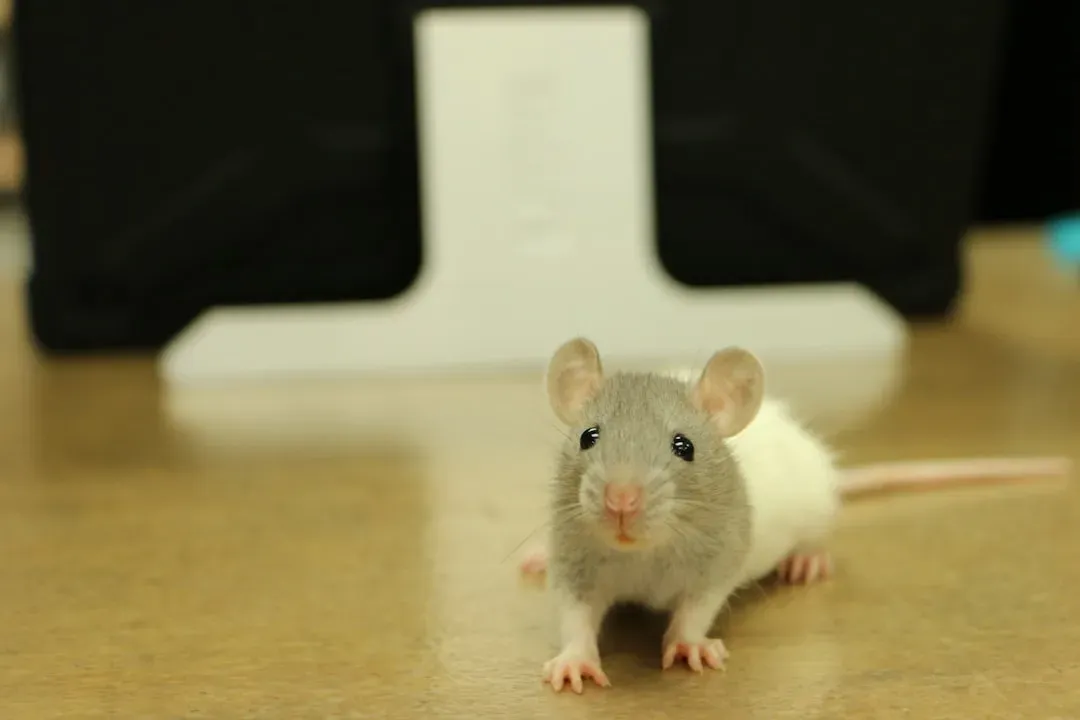
The important question remains: Does the change in the gut microbiome resulting from living with dogs actually cause changes in the behaviors of the teens? Here is the innovative part of the experiment: the team treated laboratory mice with the microbiota that they had extracted from the saliva of dog owning teens, putting a dose directly into their stomachs.
Mice with the dog-owning microbiome spent more time sniffing their cage mates, and the animals also showed a more social approach toward a trapped cage-mate, a behavior test standardly used to test prosocial behavior in mice. The results were striking. This seems to confirm that it was the change in the microbiome observed in the saliva of teens living with dogs which was having a direct influence on the improvements measured in the social and psychological behaviors.
It’s hard to say for sure whether mouse behavior perfectly mirrors human behavior, yet the connection is compelling.
What This Means for Social Behavior and Empathy
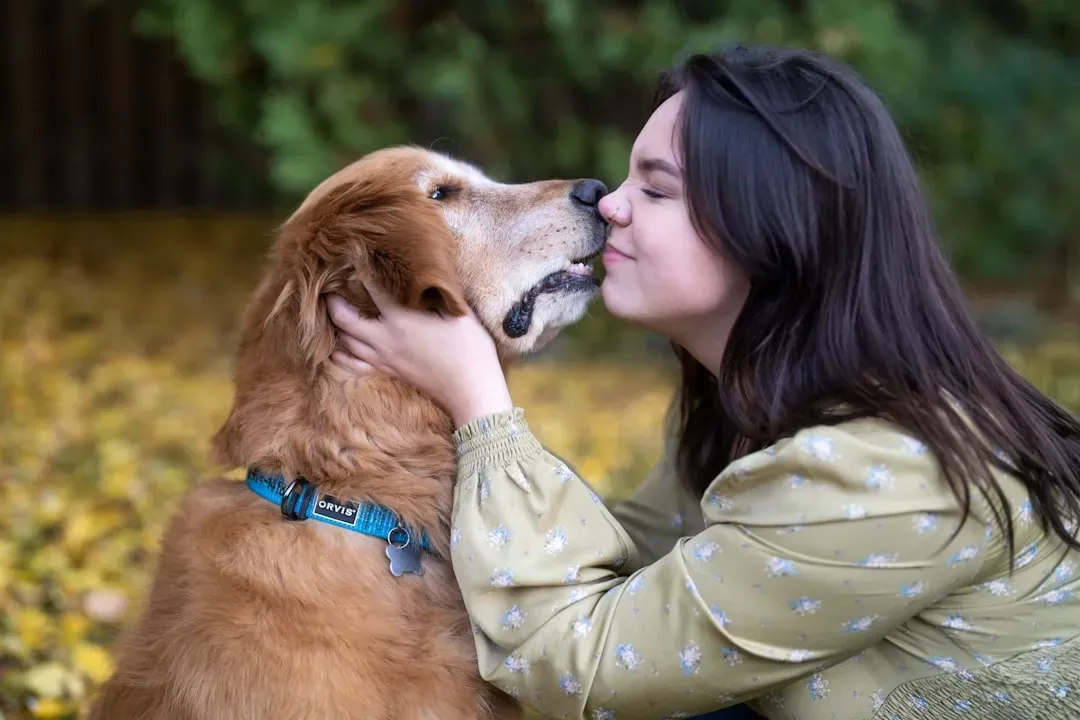
Adolescents living with family dogs show improved mental well-being and fewer social problems, which correlates with distinct changes in their oral microbiome. Transferring microbiota from dog-owning teens to mice increased prosocial behaviors in the animals, suggesting that dog-induced microbiome shifts may support mental health and empathy via the gut-brain axis.
Think about empathy like a muscle that needs training. Apparently, certain bacteria might be helping teens develop that muscle more effectively. Findings of increase of social skills in dog-owning adolescents imply that dog ownership may influence adolescents’ social relationships with family and others and increase their well-being.
The implications extend beyond just feeling happier around a pet. We’re talking about fundamental shifts in how teenagers interact with the world around them.
How Dogs Transfer These Beneficial Microbes

Pets can affect their owners gut microbiota in a variety of ways through everyday interactions, when you hug your dog or come into close head-to-head contact you are breathing the same air with the possibilities of microbial transfer, and simply petting the dog, and then bringing your hand near your face, can accomplish the same thing.
Let’s be real, anyone who owns a dog knows how much physical contact happens daily. Your dog licks your face, sleeps in your bed, and basically becomes part of your daily routine. All those moments you thought were just cute bonding experiences? They’re actually opportunities for microscopic exchanges that might be reshaping your teen’s internal ecosystem.
Not to mention the walks, the playtime, and the constant presence that keeps teenagers engaged and active.
The Broader Implications for Adolescent Mental Health

Linear regression analysis with adjusting for covariates showed that dog ownership had a positive effect on mental well-being compared to no dog ownership, and dog ownership predicted maintained mental well-being over time. This isn’t just a short-term boost in mood.
The study comes at a time when adolescent mental health is under severe strain. Teenagers today face unprecedented pressures from social media, academic competition, and social isolation. Finding interventions that genuinely work without medication or intensive therapy could be transformative for countless families. Adolescents who own dogs have higher well-being than those who do not; however, it is unclear what the underlying mechanism explains how dog ownership affects adolescents’ well-being, and researchers examined the microbiome of dog-owning adolescents and analyzed associations with mental health and behavior in the teenage cohort participants.
Obviously, getting a dog isn’t a magic cure for all mental health challenges, yet the evidence suggests it might be a valuable piece of the puzzle.
Final Thoughts on Furry Friends and Teen Wellness

The research emerging from Japan offers a fresh perspective on why dogs have been humanity’s companions for thousands of years. It’s not just about loyalty or companionship anymore. The relationship goes deeper, literally altering the microscopic life within us in ways that promote social connection and emotional stability.
For families considering whether to bring a dog into their home, this study adds another compelling reason beyond the obvious joy and responsibility pets provide. The benefits appear to extend into the biological realm, creating lasting changes that support healthier social behaviors and improved mental wellness during those critical teenage years. Whether you’re a skeptic or a believer in the power of pets, the science is starting to speak for itself.
What surprised you most about this discovery? Share your thoughts in the comments below.


