
There’s something magical about the way a dog reaches out and touches you. Maybe it’s a gentle nudge, a warm paw on your knee, or that full-body lean against your side when you least expect it. These aren’t just random gestures—your dog is speaking to you in ways deeper than words. As someone who’s spent years around dogs (sometimes with muddy paw prints on my jeans as proof), I’ve learned every touch carries a story. Let’s dig into the hidden meanings behind these everyday moments, and help you become fluent in the language of doggy affection.
Paws on Your Lap: A Request or Reassurance?
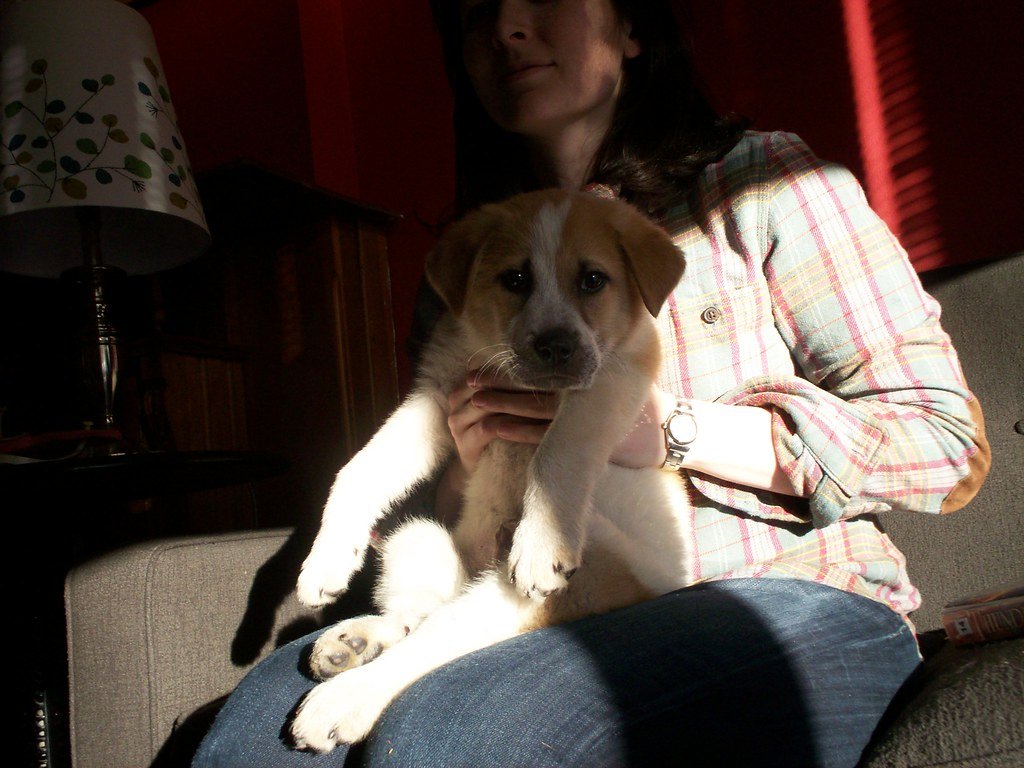
When your dog places a paw on your lap, it’s more than an adorable plea for attention. Often, this simple gesture is your dog’s way of asking for reassurance, food, or a bit of comfort. Think of it as their version of reaching out and saying, “Hey, I need you right now.”
It’s also a behavior puppies learn early, using their paws to communicate with their mothers and littermates. If your dog’s pawing becomes insistent or frantic, it might be a sign of anxiety or an unmet need. Watch for changes in body language, and respond with calm affection or a gentle redirection.
Nudging With Their Nose: Checking In

A nose nudge is like your dog’s way of gently tapping you on the shoulder. It can mean “pay attention to me,” but dogs also nudge to check on your mood or health. Sometimes, dogs sense when you’re sad or unwell and use their nose to offer quiet support.
If your dog nudges you repeatedly, look at what’s happening around them. Are they anxious, hungry, or just wanting a walk? It’s a versatile sign—context is everything. Try responding with a soothing voice or a little playtime to reinforce positive communication.
Leaning Against You: Seeking Comfort
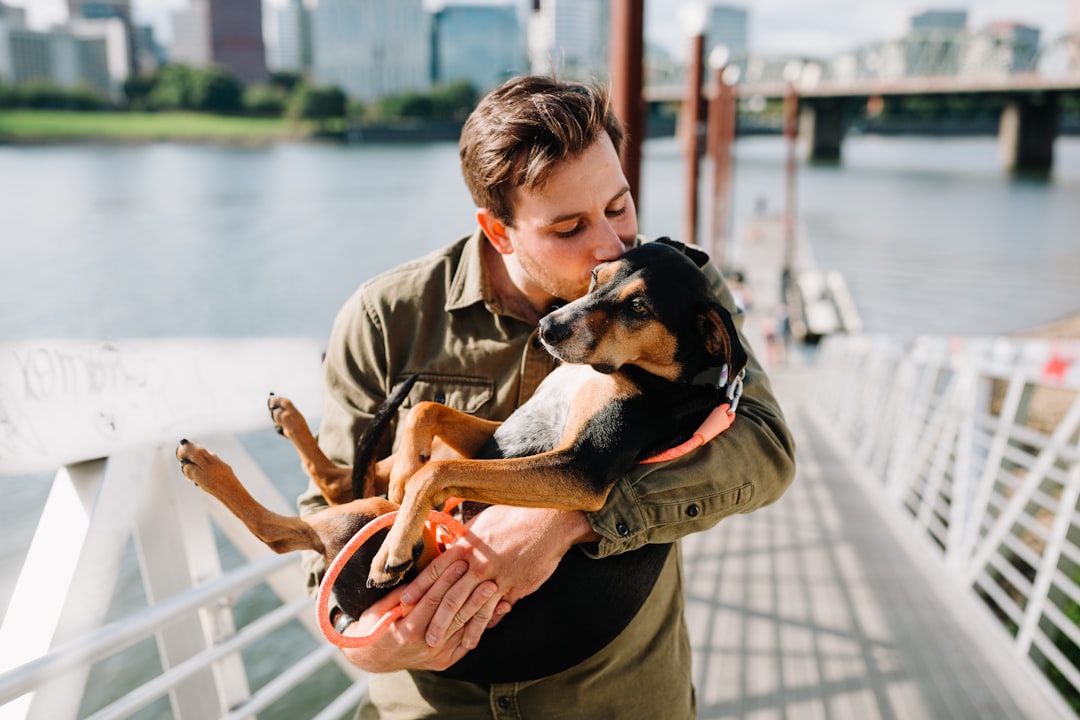
When your dog leans against your leg or side, it’s a gesture rooted in trust. This behavior often starts in puppyhood when dogs huddle for warmth and safety. As adults, leaning is your dog’s way of saying, “I feel safe with you.”
Sometimes, leaning can signal nervousness—like during thunderstorms or in busy places. If your dog leans more than usual, check for stressful triggers and offer extra reassurance. A calm voice and gentle petting can work wonders.
Licking Hands and Faces: Affection or Stress?
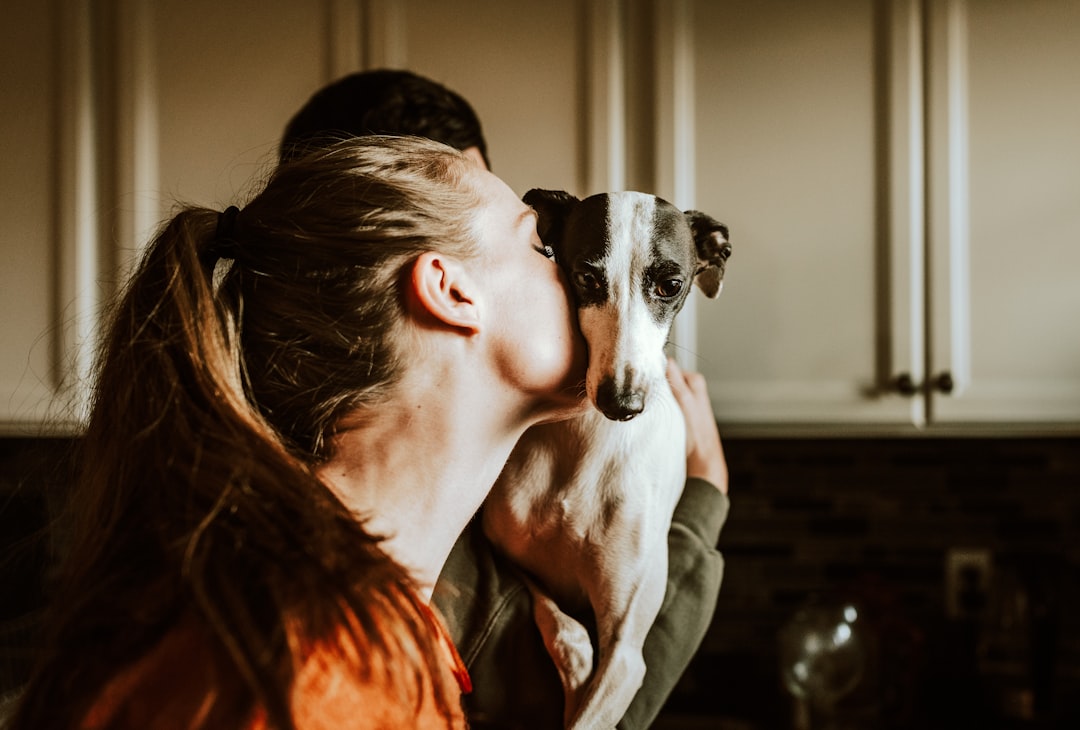
Licking is one of the most common doggy gestures, but it’s not always about love. Sure, a lick can be a kiss, but it can also signal stress, submission, or even a need for salt from your skin. Puppies lick their mothers to bond, and adult dogs continue the habit.
Pay attention to the intensity and timing of licking. If it’s gentle and relaxed, it’s likely affectionate. If it’s frantic, your dog might be anxious or feeling unwell. Excessive licking can also be a sign of allergies or boredom—if in doubt, check with your vet.
Resting Their Head on You: Deep Connection
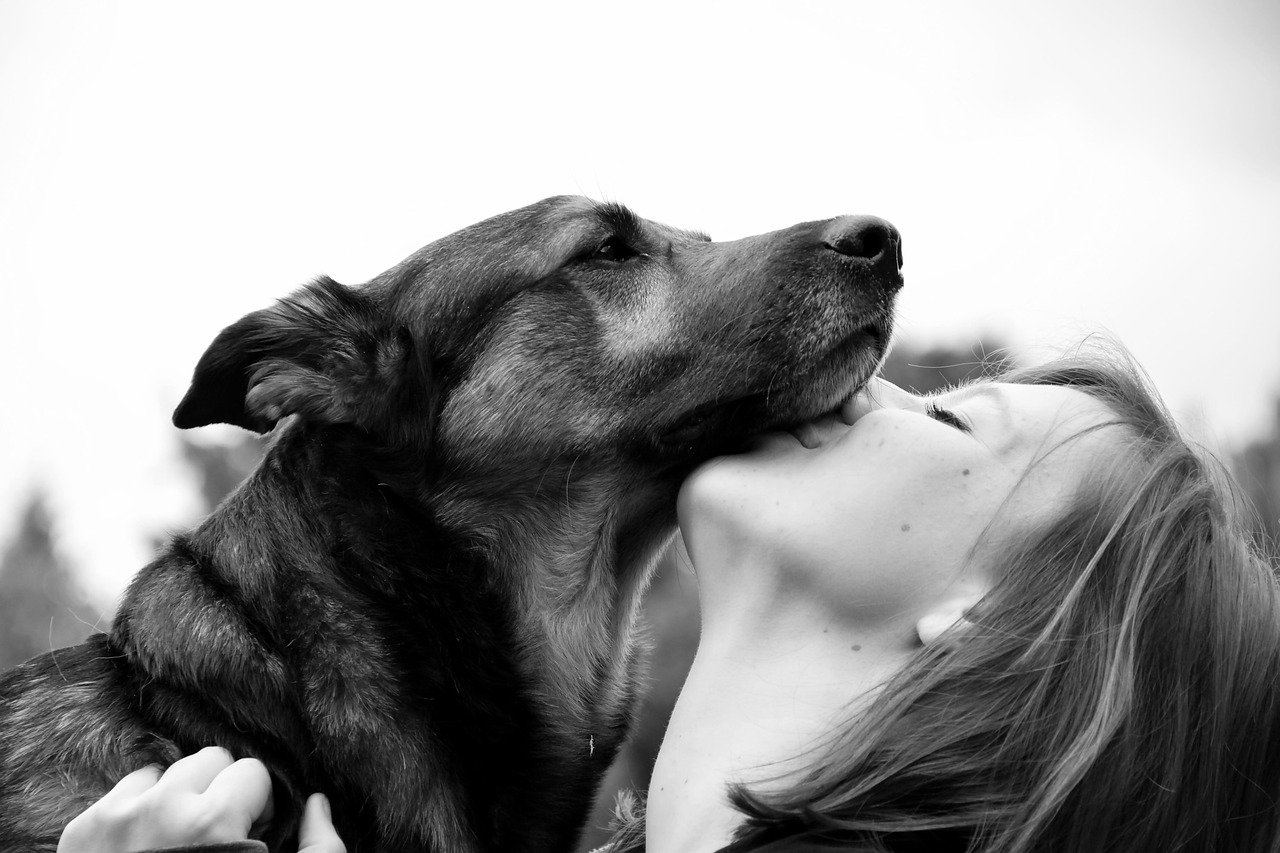
That sweet moment when your dog rests their head on your lap or shoulder isn’t just for comfort. It’s a powerful sign of trust and emotional connection. Dogs do this with those they love and rely on, almost like a child seeking a parent’s touch.
This behavior is usually a sign your dog feels safe and bonded with you. If your dog does this often, count yourself lucky—it means you’re their safe space. Offer gentle strokes and soft words to reinforce this precious bond.
Jumping Up: Excitement or Anxiety?
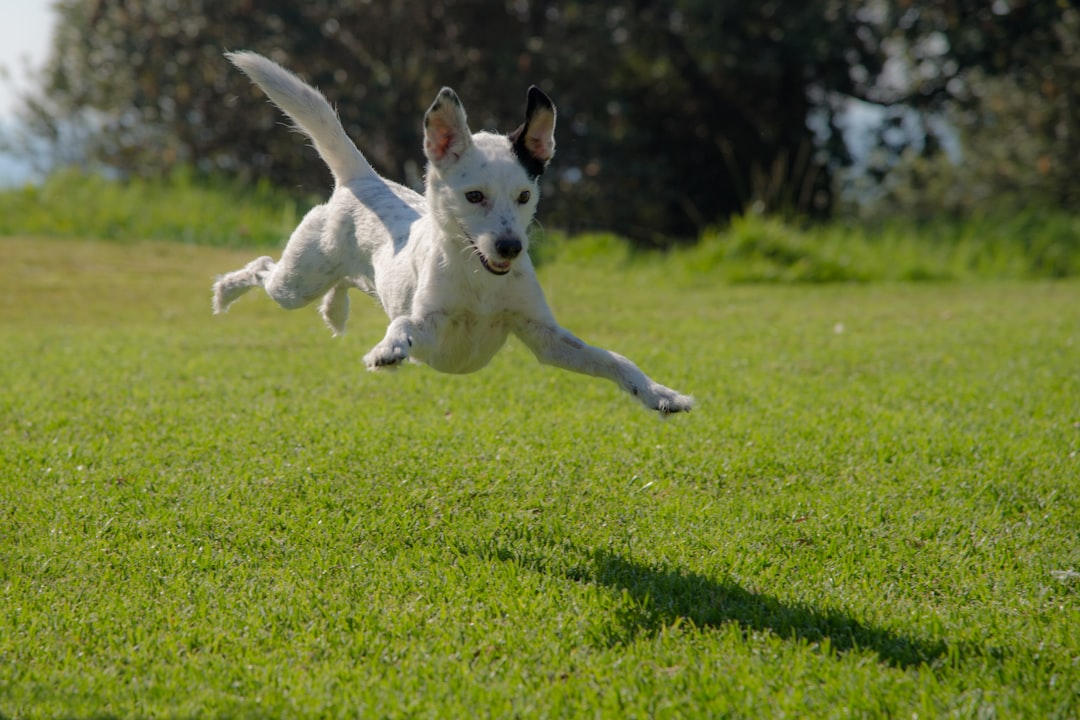
Jumping up for a hug can be a double-edged sword. Sometimes, it’s pure excitement—your dog is thrilled to see you and can’t contain their joy. Other times, it’s a sign of anxiety or a way to seek control in uncertain situations.
While the enthusiasm is endearing, frequent jumping can lead to accidental scratches or falls. Teach your dog to greet you with four paws on the floor, and reward calm behavior with treats or affection. This helps your dog feel secure while keeping everyone safe.
Curling Up Beside You: Needing Security
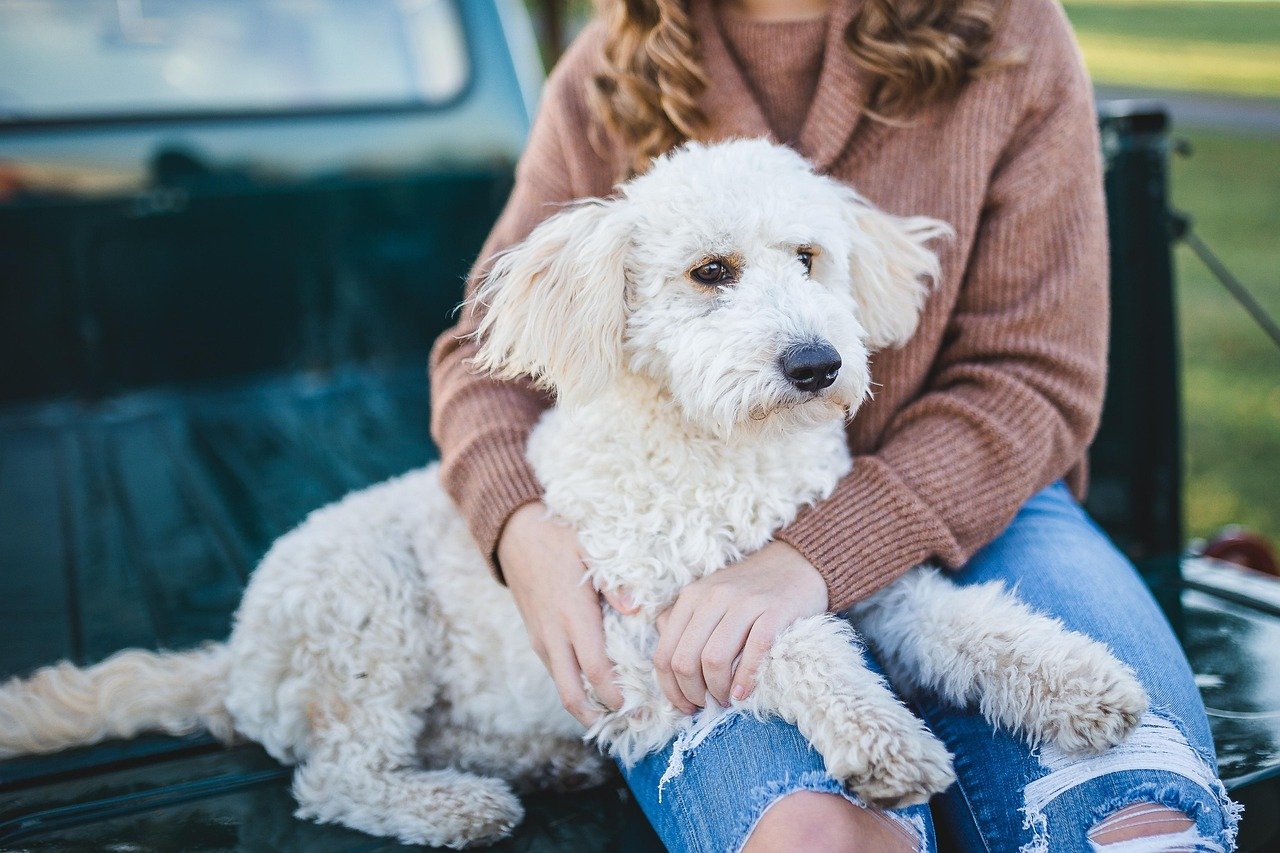
When your dog curls up tightly against you, they’re looking for warmth and security. This behavior harks back to wild dog instincts, where closeness meant safety from predators and cold. Today, it’s your dog’s way of saying, “I trust you to keep me safe.”
Watch for changes in this behavior. If a usually independent dog suddenly seeks a lot of closeness, it might be feeling unwell or anxious. Keep an eye on their health and routine, and consult your vet if you notice other changes.
Placing a Paw on Your Face: Intense Affection
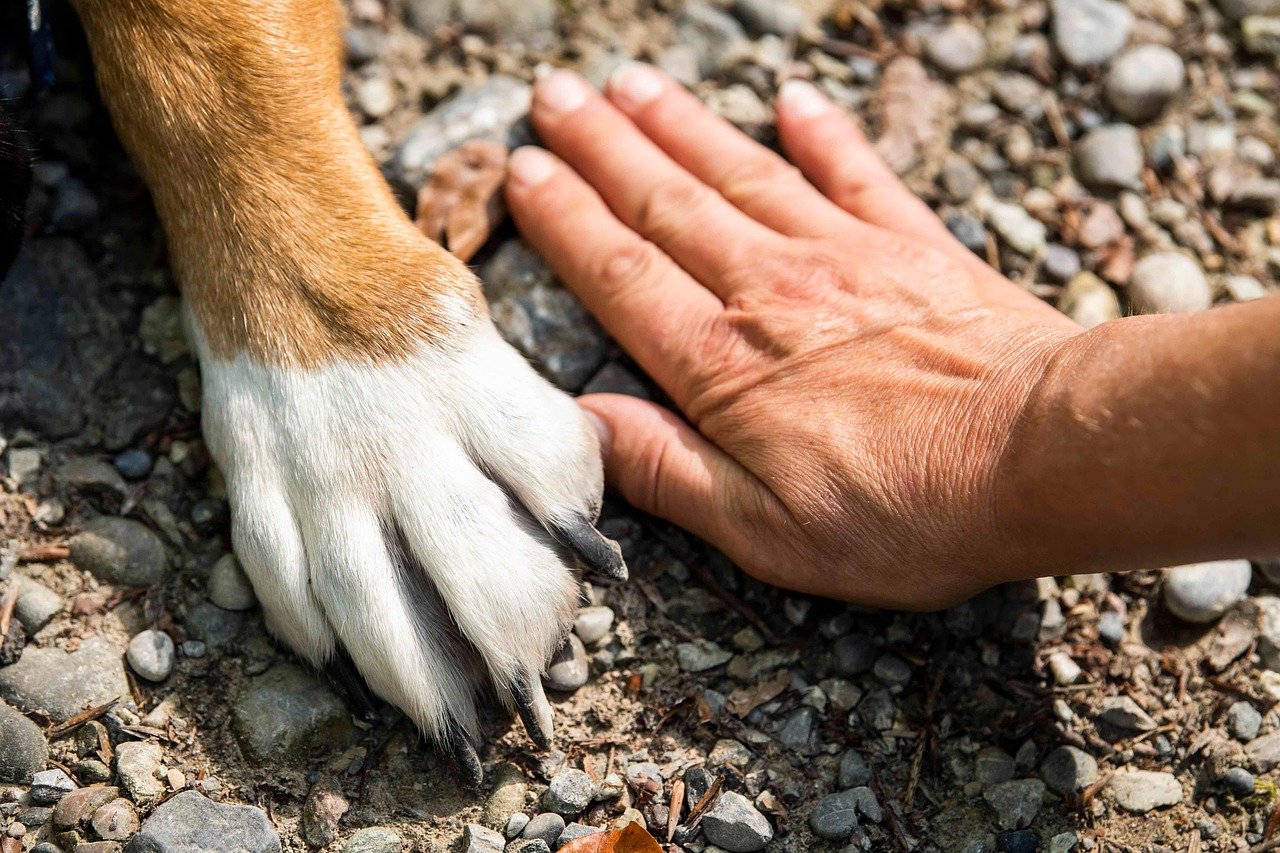
Few things are more touching than a dog placing a paw gently on your cheek or face. This tender gesture is typically a sign of deep affection and connection. It’s almost as if your dog is saying, “Look at me, I love you.”
However, if it’s paired with a tense body or avoidance of eye contact, your dog might be feeling insecure or trying to get your attention for a different reason. Always watch the whole picture—soft eyes and relaxed ears usually mean you’re getting a true doggy hug.


