
Picture this: You’re ready to run a quick errand to the grocery store when you notice your dog following you to the door, tail low, eyes wide with panic. Your heart sinks because you know what’s coming next. You’ll return to find torn furniture, scratched doors, and perhaps worse – the knowledge that your beloved companion spent every moment of your absence in pure emotional turmoil. If this sounds familiar, you’re not alone, and more importantly, your dog isn’t broken. They’re experiencing something very real and treatable.
One of the most common behavior issues pet parents encounter with their dogs is separation anxiety. Many dogs find it hard to cope when left alone. Yet, half won’t show any obvious signs and so it can be easy for owners to miss. Understanding which dogs are most vulnerable to these intense feelings can help us become better guardians to our four-legged family members.
Understanding the Emotional Storm Inside
According to Patricia McConnell, Ph.D. a Certified Applied Animal Behaviorist, although we can’t know for sure what’s in a dog’s mind, we can think of separation anxiety as the equivalent of a panic attack. Imagine feeling that level of terror every single time someone you love walks out the door. Your dog displays anxious behaviors when left alone because he’s upset and trying to cope with a great deal of stress.
This isn’t about being spoiled or dramatic – it’s genuine psychological distress. Anxious behaviors are not the result of disobedience or spite. They are distress responses! When we understand this fundamental truth, we can approach our dogs’ struggles with the compassion they deserve rather than frustration.
Recognizing the Warning Signs
These signs might include dilated pupils, panting, yawning, salivating, trembling, pacing and exuberant greeting. But the symptoms go far beyond what you might expect. Their dogs might urinate, defecate, bark, howl, chew, dig or try to escape. The destruction often centers around exit points like doors and windows, as if your dog is desperately trying to follow you.
Some dogs with separation anxiety chew on objects, door frames or window sills, dig at doors and doorways, or destroy household objects when left alone or separated from their guardians. These behaviors can result in self-injury, such as broken teeth, cut and scraped paws and damaged nails. It breaks your heart to think they’d hurt themselves just trying to reach you, doesn’t it?
Breeds That Wear Their Hearts on Their Sleeves
The German Shepherd is used to being a social, active dog. They often work with the police, and they have even been used for herding sheep. This breed loves to be wherever the action is. They are loyal and intelligent. Separation anxiety is often seen in this breed. These magnificent dogs form such strong bonds with their families that being left alone feels like abandonment.
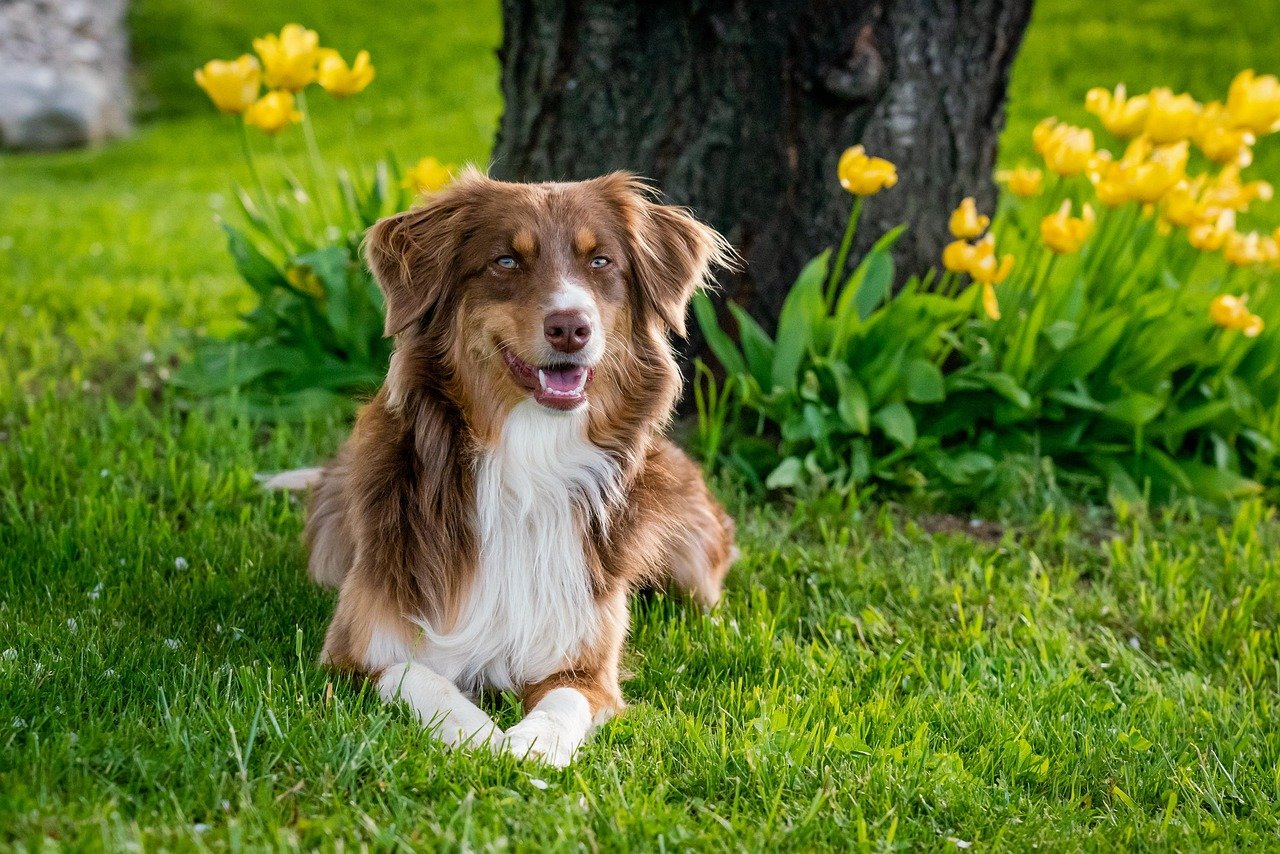
Herding breeds tend to have a propensity toward separation anxiety, and the Australian Shepherd is no exception. They were made to be working dogs, and they do not like being stagnant and alone. They do not like being away from their humans for long periods. The lovely Australian Shepherd is an extremely intelligent dog that loves nothing more than working for you. Easily trained, they are energetic and athletic – and they need an outlet for that energy. Leaving them alone can cause an undue amount of stress – in severe cases, they can actually become self-destructive if left alone for too long.
The Velcro Dogs of the Canine World

This breed is a Hungarian gundog who was bred to work alongside their guardians for long periods. They do not do well when separated from their humans. They are nicknames “Velcro dogs” because they will stick to their guardian like glue. They live to please their families. Vizslas and similar hunting breeds were literally bred to be your shadow – separation goes against their very DNA.
Beagles are friendly, sociable dogs with a strong pack instinct, which means they prefer to be with their human family members or other dogs. Beagles are prone to separation anxiety because they need companionship and dislike being left alone. When left in isolation, they may become anxious and resort to howling, barking, or digging to cope with stress. Beagles are happiest in households with plenty of social interaction and opportunities to engage their keen sense of smell in activities or play.
When Size Doesn’t Matter – Small Dogs, Big Emotions

This sweet little ball of fur is affectionate and will bond strongly with you. Unfortunately, the toy poodle can become overly dependent on your presence and develop severe separation anxiety if left alone for long periods of time. Sometimes, this results in negative behaviors like having accidents in the house. Don’t let their small size fool you – these dogs feel emotions as intensely as their larger counterparts.
Pugs are affectionate little dogs with big personalities and thrive on attention from their families. This desire for companionship makes them prone to separation anxiety when they’re left alone for too long. Pugs can become distressed and bark or whine excessively when separated from their owners. They love being lap dogs and are happiest when snuggling up with their humans.
The Hidden Sufferers
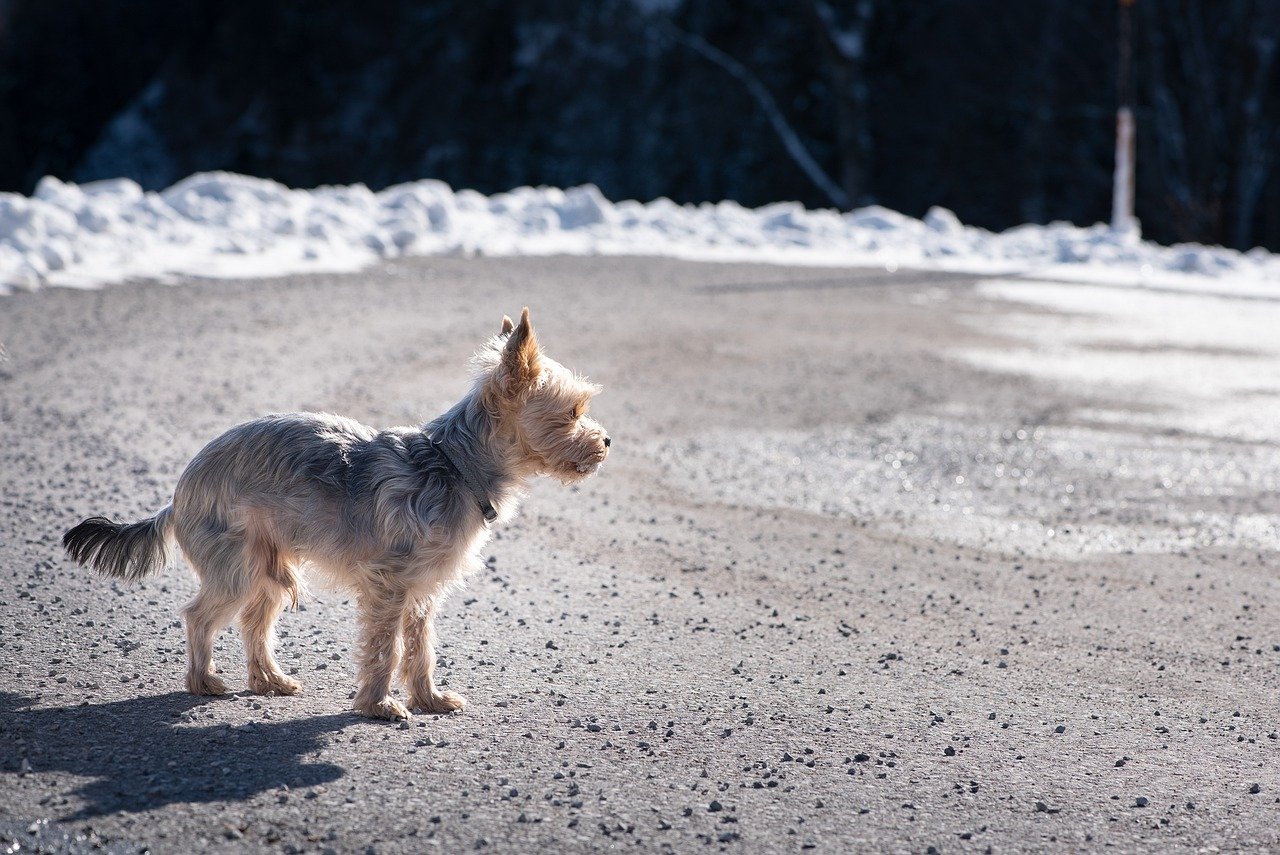
Not all separation anxiety looks like obvious destruction. It’s recommended that all owners try to video their dog when they are left alone from time to time, just to make sure that they’re not showing a ‘hidden’ sign of distress, such as trembling, pacing about or whining. Some dogs suffer in silence, and these quiet signals are just as important.
You may know the obvious signs of SRB in dogs, such as destroying furniture or barking. Yet, did you know that there are other signs that may go unnoticed? Changes in Appetite: Some dogs with separation anxiety refuse to eat when left alone. This is usually a result of stress or a lack of interest in food when they feel anxious. Self-Trauma: In severe cases, dogs with separation anxiety may resort to excessive licking or chewing at themselves. This is a way for them to cope with their anxiety, but it can also cause health problems like skin irritation or hair loss.
Creating Safety Nets and Management Strategies
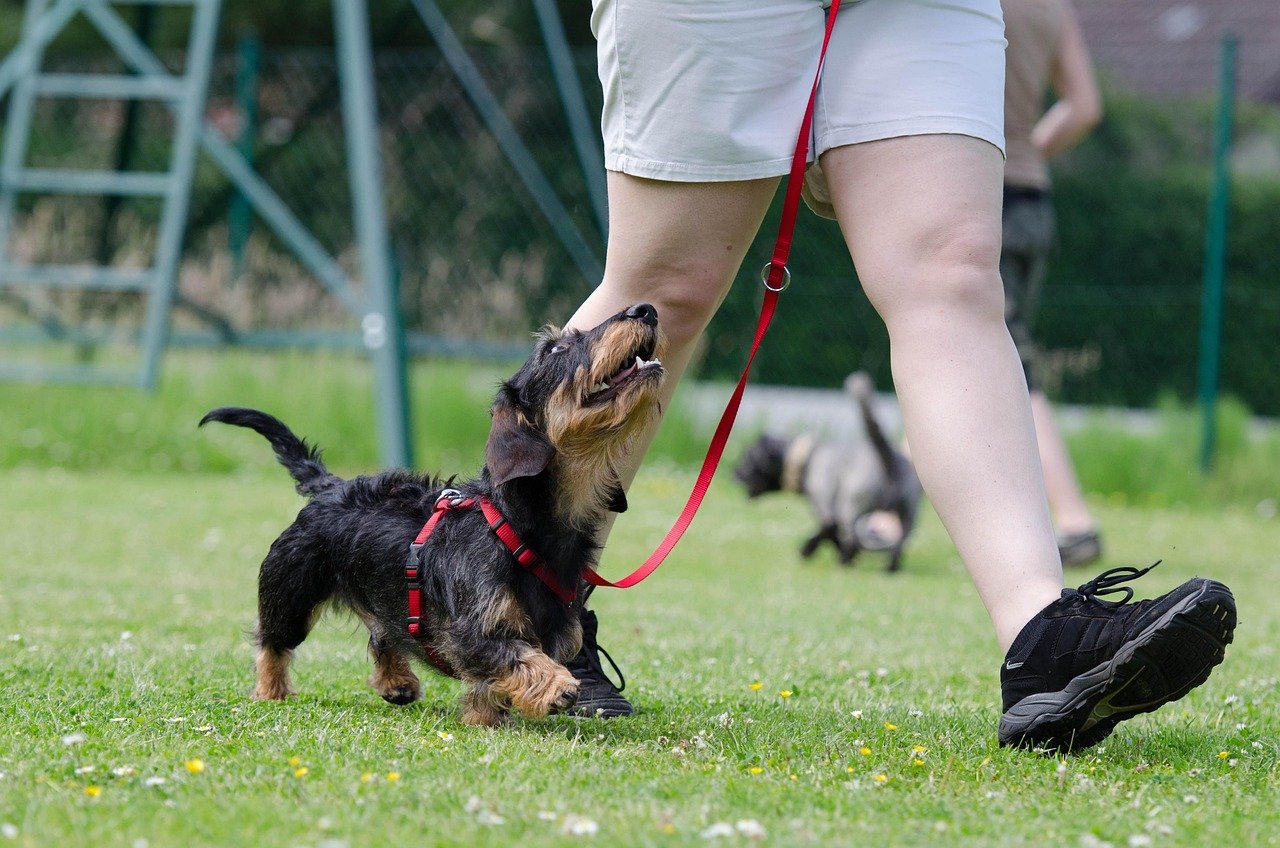
One of the primary challenges in dealing with separation anxiety is that once the training process begins, your dog should never be left alone. Flores notes that even if you can’t be home with your dog, you must enlist a neighbor, friend, family member, dog walker, or daycare to help during the training process. “Managing absences is extremely important to protect the progress we are making during training,” she says. This might sound overwhelming, but think of it as temporary scaffolding while you build your dog’s confidence.
Giving them an extra-long walk before you leave, providing interactive toys, leaving treats around for them to find or installing a doggie door to an enclosed backyard can all help. You can also hire a dog sitter or take your pup to doggie daycare, although you will want to vet any caregivers carefully – especially since your dog already shows signs of attachment and separation anxiety.
Building Confidence Through Gradual Training
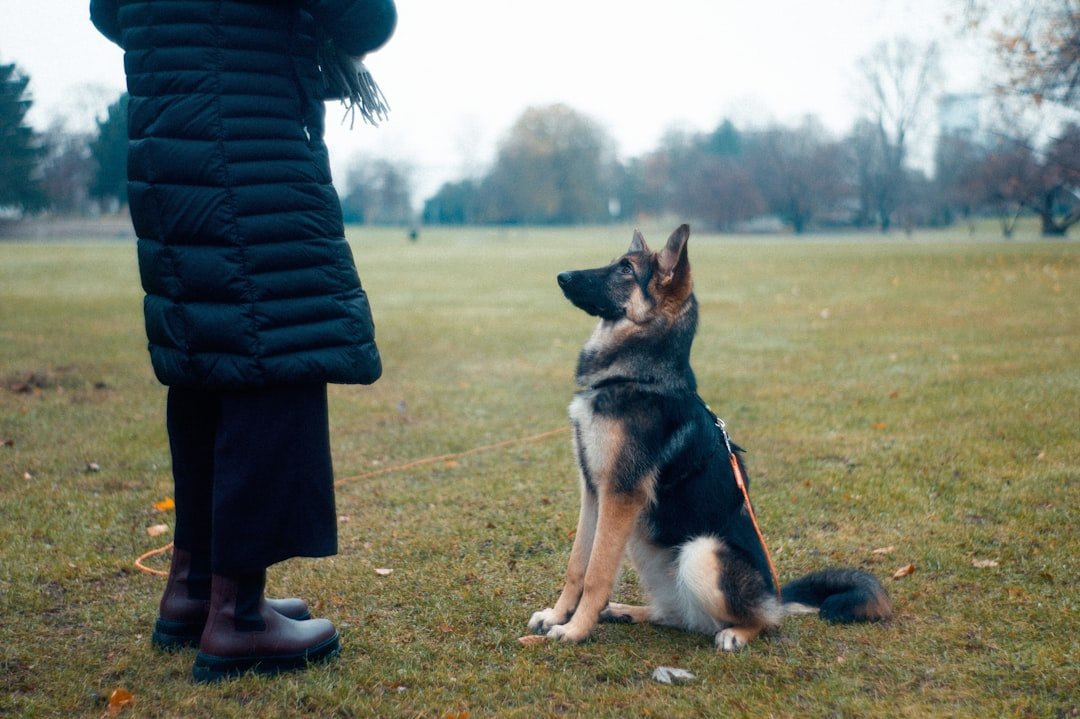
Desensitization is the most effective method for training dogs with separation anxiety to be left alone because the process actually changes your dog’s emotional response to your departure. The key to this process (which we’ll breakdown for you) is to keep your dog below threshold, which means that you’ll practice leaving your dog for small increments in special training sessions and return before she starts showing signs of of stress like lip licking, pacing, panting, scratching, salivating, and digging.
The best way to help a dog with separation anxiety is to permanently change their perception of what being alone means, one second at a time. A dog trainer or a veterinary behaviorist will be your best resource in creating a behavior modification program that suits your dog’s needs. “The way we help the dogs understand and gain that confidence to remain calm until their human returns is through a systematic desensitization,” Flores says. In most separation anxiety/isolation distress dogs I work with, training is not a straight line. What we are looking for is gradual (there’s that word again!) improvements over time; a general trend of moving towards longer and longer absences.
Hope and Healing for the Future
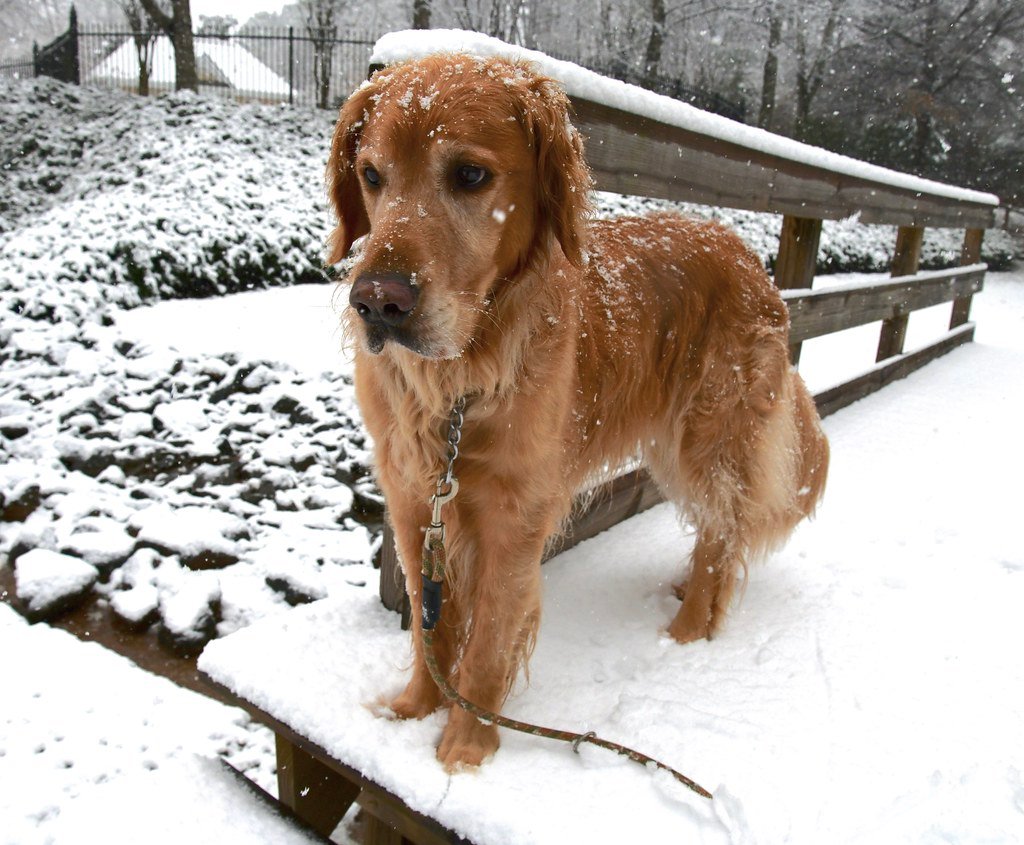
However, as serious as this condition may be, McConnell assures it has a high rate of treatment success. With patience and a positive attitude, you may be able to reduce your dog’s suffering and put separation anxiety stress behind you. The time it will take for your dog to feel this way varies widely depending on the dog, but if you do this work, SA dogs have a great prognosis.
In my experience, and that of other colleagues specializing in this training, how quickly a dog overcomes their anxiety does not correspond to the severity of the symptoms, the age of the dog, or the breed. Every dog is an individual. Unfortunately this makes it impossible to predict how quickly a dog can overcome their isolation distress or separation anxiety. Some dogs surprise us with their resilience, while others need more time and patience. What matters most is that healing is possible.
Remember, loving a dog with separation anxiety isn’t about finding quick fixes or feeling guilty about their struggles. It’s about understanding that their intense love for you sometimes overwhelms their ability to cope when you’re gone. With the right approach, professional guidance when needed, and plenty of patience, you can help your faithful companion learn that goodbyes aren’t forever – they’re just “see you soon.”
Isn’t it remarkable how much our dogs love us that being apart feels so devastating to them?


