
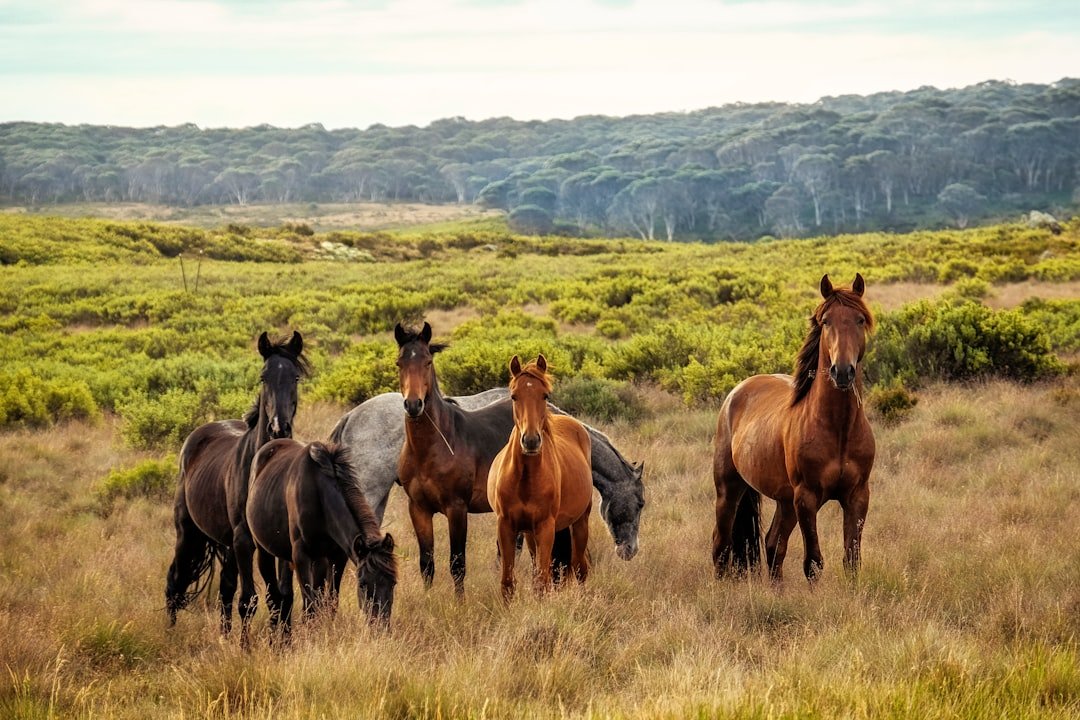
A record number of U.S. House members have united across party lines to challenge longstanding practices in the management of America’s wild horses and burros. This effort targets the Bureau of Land Management’s approach ahead of Fiscal Year 2027 funding decisions. Lawmakers seek reforms that prioritize humane methods amid rising public concern over animal welfare.[1]
Momentum Builds with Unprecedented Support
Ninety-one members of the House of Representatives signed a bipartisan letter, marking the largest such coalition in history for humane wild horse management. This surpasses the 83 signers from the previous year and reflects growing frustration with current federal strategies.[1] The group, led by Representatives Dina Titus, Steve Cohen, David Schweikert, Mark Pocan, and Juan Ciscomani, delivered the message directly to influence the BLM’s Wild Horse and Burro Program.
Advocates hailed the development as a breakthrough. American Wild Horse Conservation stated, “We have never seen support like this before.” The organization credited the lawmakers with representing the views of 80 percent of Americans who favor protecting these iconic animals.[1]
Criticism Centers on Helicopter Roundups
Helicopter-driven roundups have drawn sharp rebuke for their toll on wild horses. These operations chase herds across rugged terrain, often resulting in injuries, extreme stress, fatalities, and the breakup of family bands. Critics argue the method conflicts with the humane intent of the 1971 Wild Free-Roaming Horses and Burros Act, which designates the animals as symbols of the American West.[1]
The BLM’s plans amplify the stakes. Officials intend to remove more than 14,000 wild horses from Western public lands in 2026 alone. Such large-scale actions rely heavily on helicopters, fueling calls for immediate change.[1]
Clear Demands for Policy Shift
The lawmakers outlined specific reforms in their letter. Their priorities include halting helicopter roundups, promoting fertility control options, and safeguarding captured horses from commercial sales or destruction. These steps aim to preserve herds on their native ranges while addressing population concerns.
- End inhumane helicopter roundups immediately.
- Adopt proven, cost-effective fertility control measures.
- Prevent the commercial sale or destruction of wild herds.
Fertility control represents a promising path forward. Immunocontraceptive vaccines have succeeded in select herds, curbing growth rates without removals. Expanding this approach could ease the burden on taxpayers, who currently fund expensive long-term holding facilities for tens of thousands of horses.[1]
Balancing Land Use and Animal Welfare
The BLM manages wild horses and burros on public rangelands primarily in Western states. The agency strives to maintain healthy populations amid competing demands from livestock grazing and habitat preservation. Yet, persistent over-removals and holding costs – running into millions annually – have prompted scrutiny.
Previous legislative efforts underscore the trend. Bills like H.R. 4356 have sought to prohibit aircraft in roundups, building toward broader consensus. This year’s letter positions humane alternatives as both ethical and practical solutions.[2]
Key Takeaways
- A record 91 bipartisan signers demand urgent reforms to the BLM program.
- Helicopter roundups pose documented risks, with 14,000 removals planned for 2026.
- Fertility control offers a humane, cost-saving alternative to maintain herds on public lands.
This coalition signals a potential shift in federal policy. As pressure mounts from Congress and the public, the BLM faces a pivotal moment to align management with modern science and compassion. Wild horses, enduring emblems of freedom, stand at the center of this evolving debate. What do you think about these proposed changes? Tell us in the comments.


