
Have you ever come home to shredded pillows, scratched doors, or a trembling furry friend? The truth is, your own emotions might be playing a bigger role in your dog’s separation anxiety than you ever imagined. It’s both surprising and a little heartbreaking to realize how deeply our pets tune into our moods. But understanding this powerful connection can change both your life and your dog’s for the better.
The Deep Bond Between Dogs and Humans
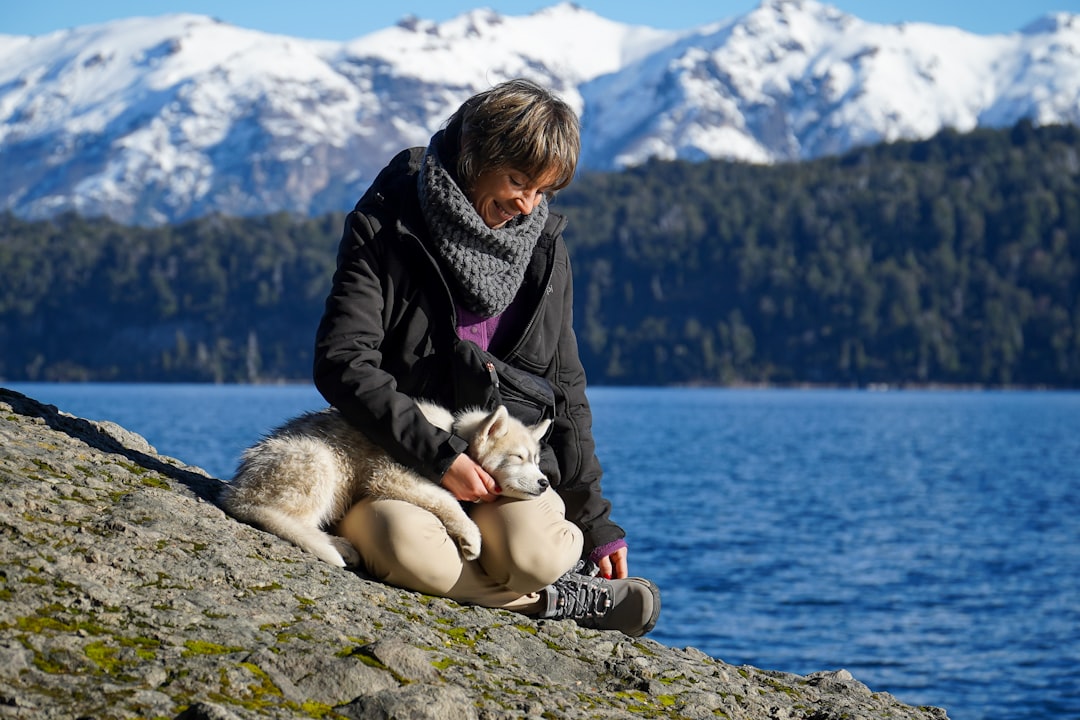
Dogs are more than just pets; they are family. Over thousands of years, dogs have developed an extraordinary ability to read human emotions. They don’t just hear our words—they sense our happiness, sadness, stress, and even excitement. This sensitivity is a double-edged sword. While it makes them amazing companions, it also means that they can become anxious when their owner is upset or emotionally unstable. Dogs often mirror our mood, reacting to subtle cues like a sigh, a tense shoulder, or even a forced smile. When you feel unsettled, your dog feels it too, sometimes even more intensely.
How Owner Anxiety Translates to Canine Stress
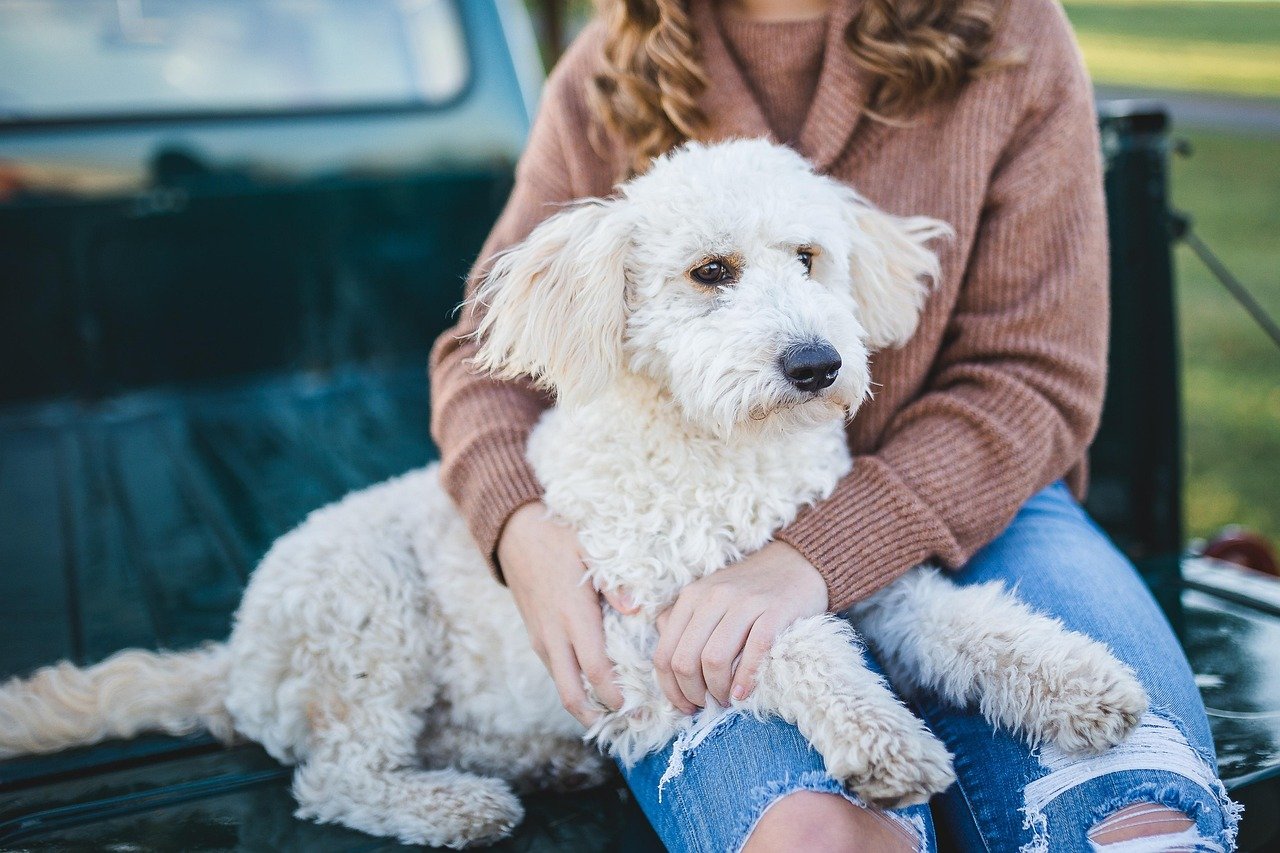
Imagine you’re nervous about an upcoming event. You pace the house, check your phone, and sigh repeatedly. Your dog watches you, tail down, unsure of what’s happening. Dogs are experts at picking up on body language and energy. If you’re anxious about leaving them alone, they can sense it. Your nervousness before leaving the house can make your dog anticipate something bad, setting off their own anxiety. They learn that your departures are stressful, which makes every goodbye harder for both of you.
The Role of Routine and Consistency
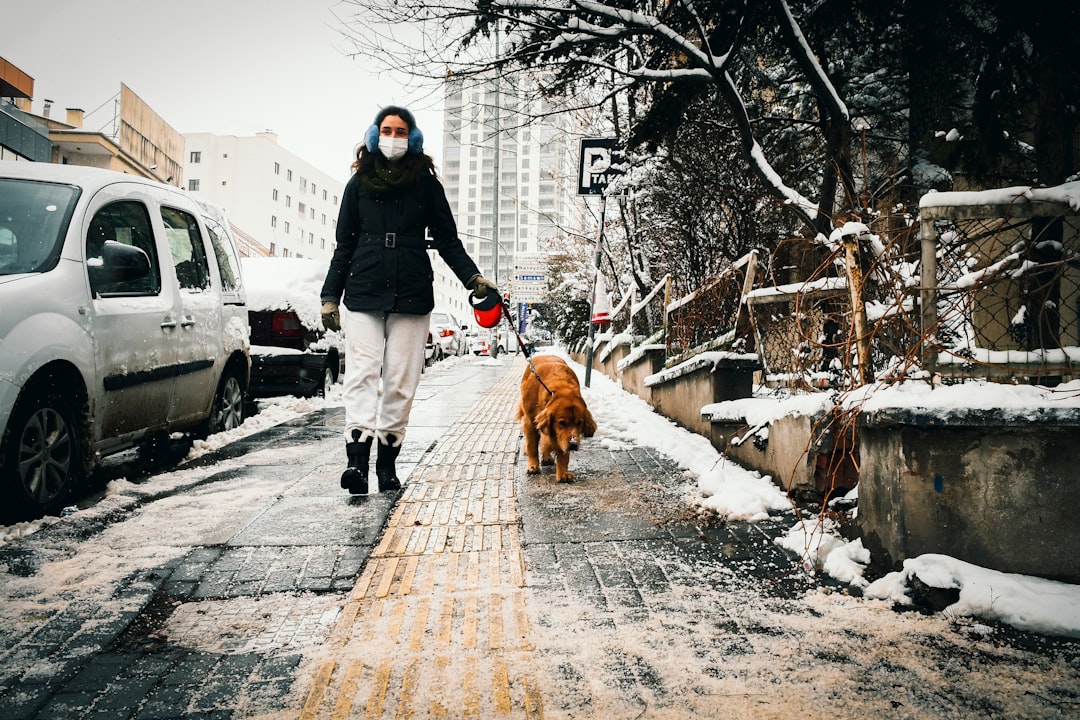
Routines provide security for dogs. When an owner’s emotional state is unpredictable, daily routines can fall apart. Maybe you leave at different times, forget a morning walk, or come home later than usual because you’re overwhelmed or distracted. These changes may seem small, but for dogs, they can be huge. Inconsistent routines make it hard for dogs to trust that you’ll always come back, feeding into their separation anxiety. A steady routine isn’t just good for dogs—it can help owners feel more grounded, too.
Signs Your Dog Is Absorbing Your Emotions

You might notice your dog acting clingier when you’re stressed or depressed. They may whine, follow you from room to room, or refuse to eat when you’re upset. Some dogs act out by chewing furniture or barking excessively the moment you leave. These aren’t just bad habits—they’re signs that your emotional state is affecting your dog. Dogs show their stress in ways that are easy to miss unless you pay close attention. Sometimes, a sudden change in your dog’s behavior is the first clue that your own emotions are out of balance.
Creating a Calm Environment for You and Your Dog
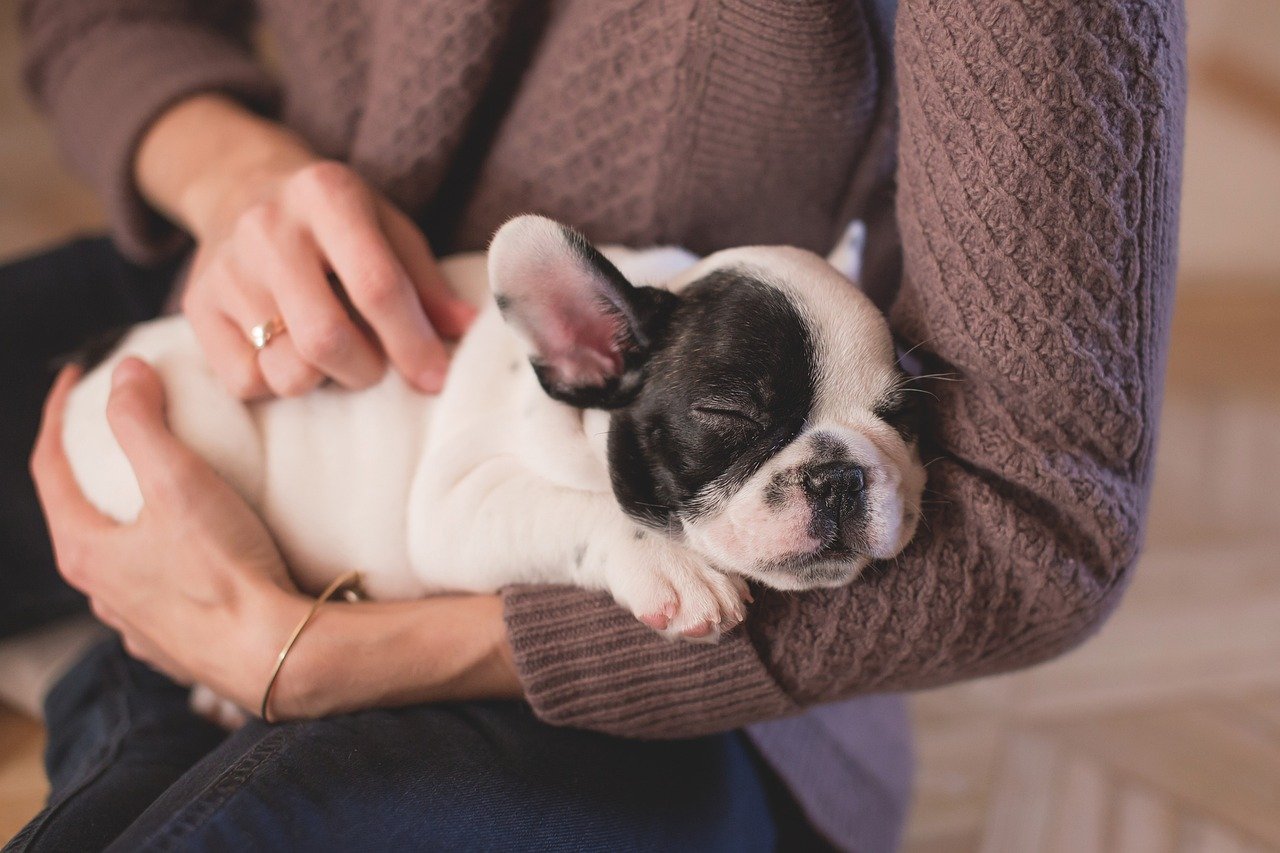
Calmness can be contagious. If you work on managing your own stress, your dog will benefit. Simple practices like taking deep breaths, playing soothing music, or meditating can help both you and your dog relax. Dogs love routines, so setting up a comforting goodbye ritual—like giving a treat or a favorite toy—can help reduce anxiety for both of you. If you’re calm and confident when you leave, your dog is more likely to feel secure and safe. Over time, these small changes can make a huge difference.
Training Techniques That Build Confidence
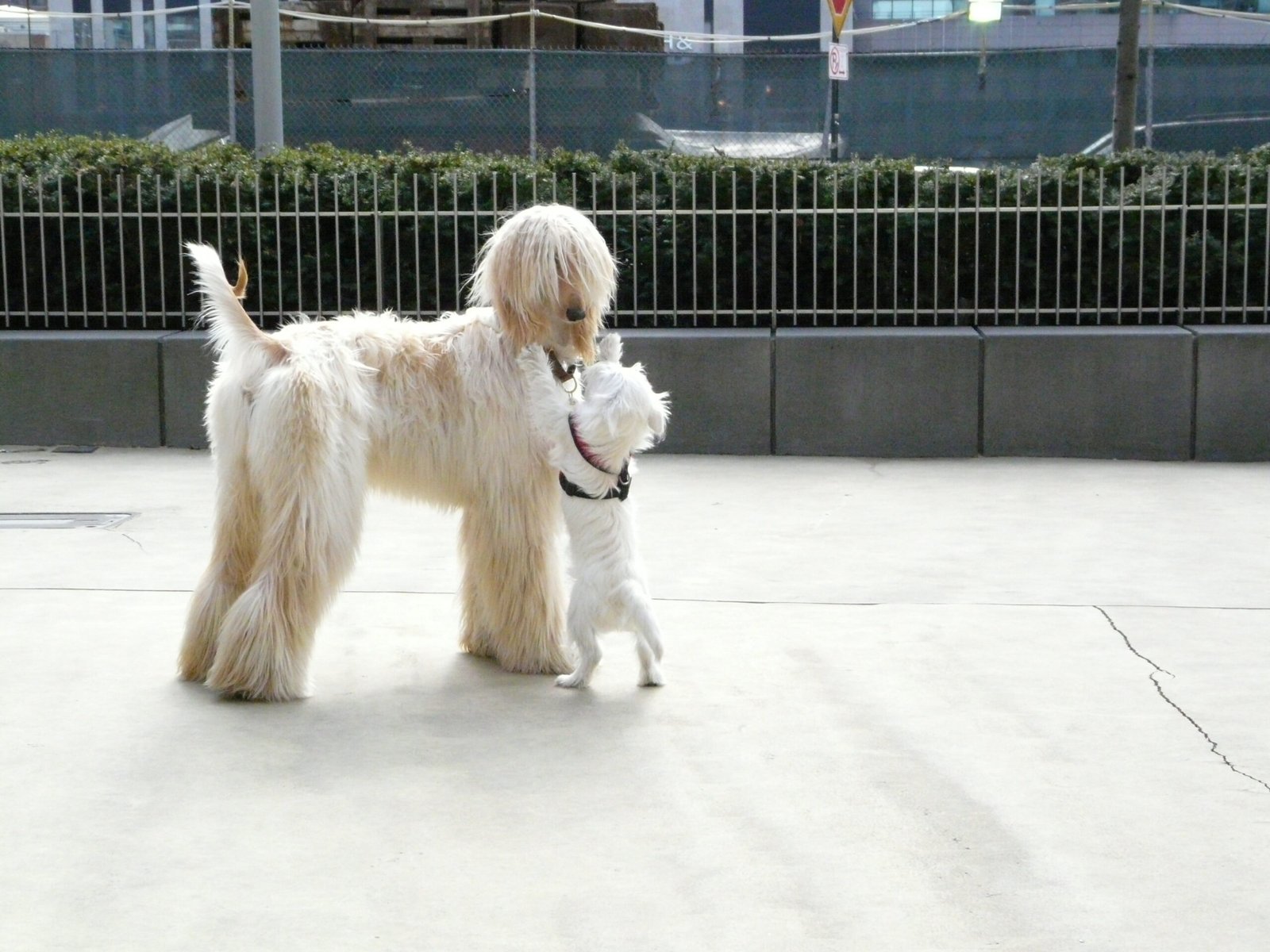
Building your dog’s confidence starts with positive reinforcement. Practice leaving your dog alone for short periods and gradually increase the time apart. Reward them for staying calm. If your dog sees that you always return, they’ll start to trust that being alone isn’t something to fear. It’s also important to avoid dramatic goodbyes or greetings. Act as if leaving and returning are no big deal. This helps your dog learn that separations are normal and nothing to worry about. Training isn’t just for your dog—it’s a way for you to learn new habits, too.
When Professional Help Is Needed
Sometimes, separation anxiety is too much to handle alone. If your dog’s anxiety is severe, or if your own emotional struggles are overwhelming, don’t hesitate to seek help. A professional dog trainer or behaviorist can create a tailored plan for your situation. Therapists or counselors can also help you manage your own stress, which in turn benefits your dog. There’s no shame in asking for support—sometimes, it’s the bravest thing you can do for yourself and your furry friend. Remember, healing is a team effort.
Tips for Strengthening Your Bond in Healthy Ways

Spending quality time together is key. Go for long walks, play games, or just cuddle on the couch. The more positive experiences you share, the stronger your bond becomes. Practice leaving and returning home calmly, so your dog learns that your absence is temporary and safe. Be patient with yourself and your dog—progress may be slow, but every small victory counts. Celebrate those victories together. A healthy, balanced relationship helps both you and your dog thrive, making separation anxiety a thing of the past.


