
Have you ever watched a tiny Chihuahua challenge a towering Great Dane and wondered, “Where does that little dog get all that courage?” Or perhaps you’ve seen a gentle giant cower at the sound of a vacuum cleaner, making you question if size really matters when it comes to canine confidence. The truth is, the relationship between a dog’s breed size and its self-assurance is a fascinating blend of genetics, upbringing, and personality. Let’s dive into the surprising ways size shapes a dog’s courage, self-esteem, and the ways they interact with the world.
The Myth of “Small Dog Syndrome”
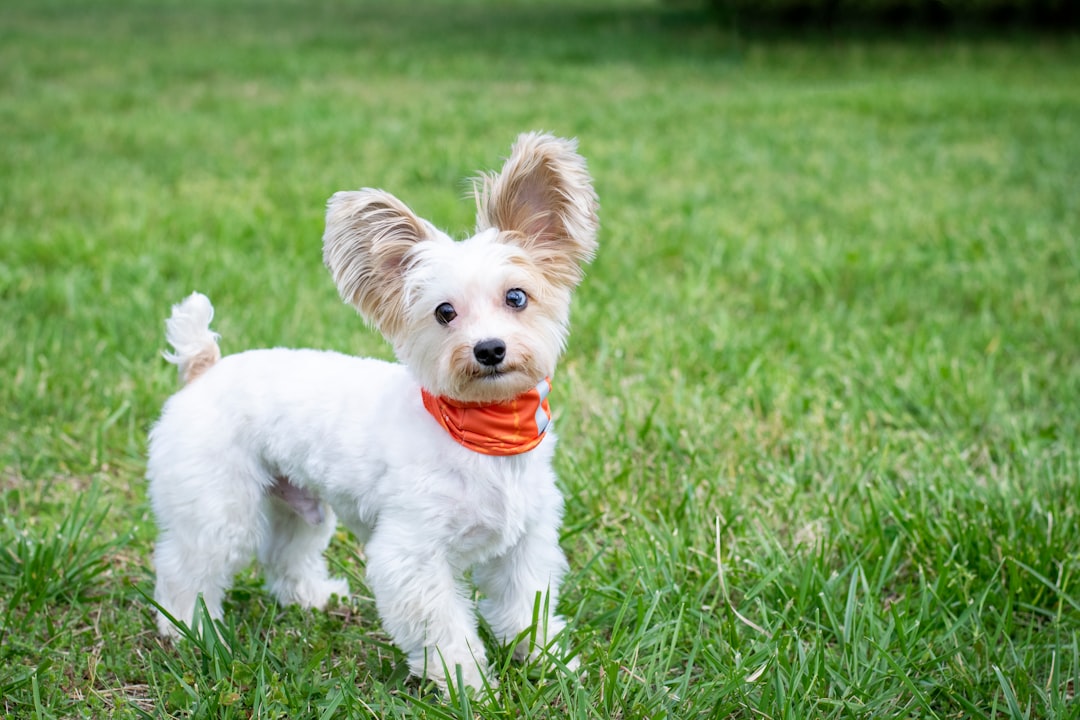
It’s easy to assume that small dogs are always snappy and overconfident, but the reality is more complex. The term “Small Dog Syndrome” is often used to describe little breeds that act tough or bark excessively. However, these behaviors can actually be a cover for insecurity rather than true confidence. Many small dogs are simply more reactive because they feel vulnerable in a big world. Their bold displays may be an attempt to make themselves seem larger and to ward off threats. In truth, training and environment play a bigger role than size alone. Still, it’s fascinating how often small dogs surprise us with their big personalities.
Big Dogs and Their Gentle Nature
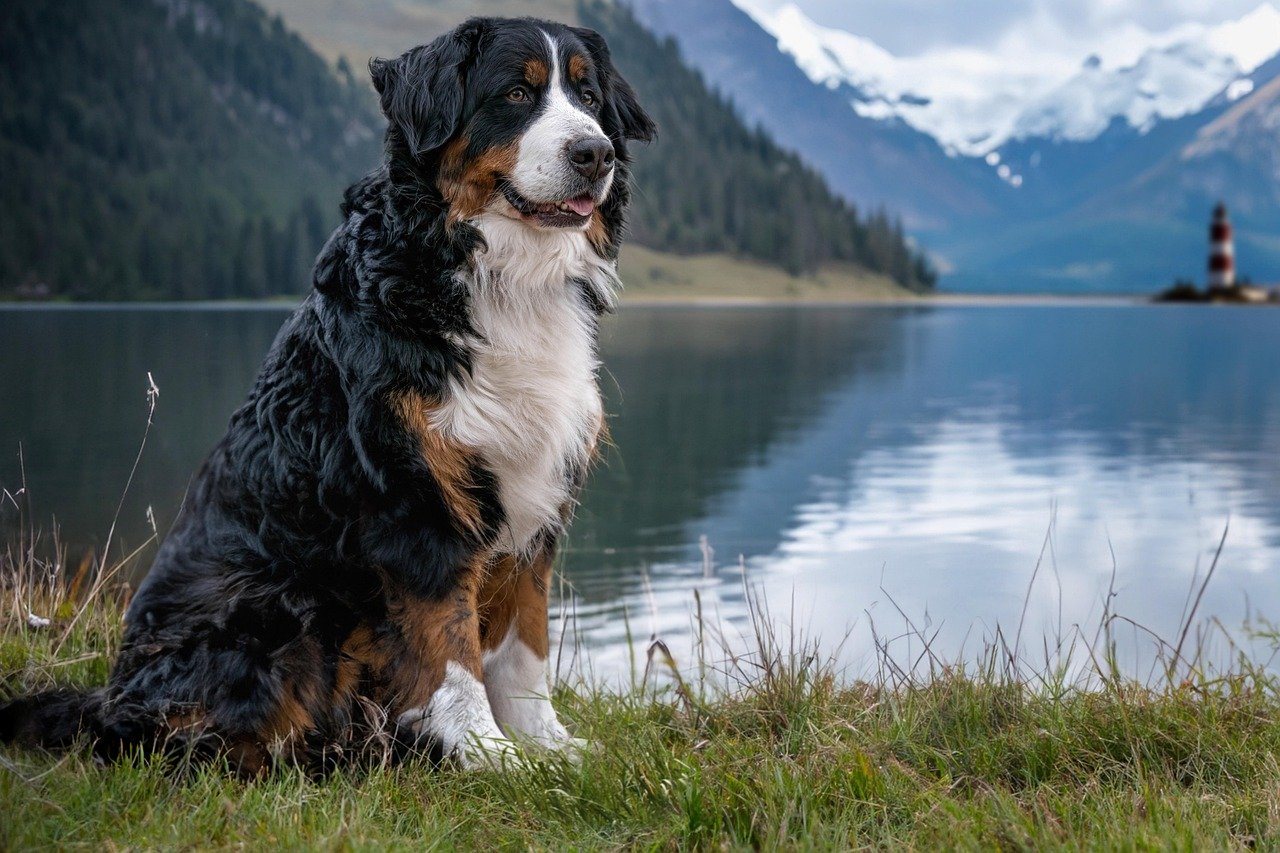
People are often shocked to learn that many large breeds are incredibly gentle and even timid. Breeds like Newfoundlands or Great Danes can be surprisingly sensitive, sometimes shying away from new experiences or loud noises. It might be tempting to expect confidence from a dog with such an imposing frame, but many big dogs are aware of their size and move carefully, especially around people and other animals. This sensitivity can make them seem less confident, when in reality, they are simply cautious and considerate.
Genetics: Confidence Built-In?
Breed genetics have a powerful influence on a dog’s baseline confidence. Some breeds, regardless of size, have been developed over generations to be bold, independent, or even fearless—think about terriers or working dogs. On the other hand, breeds bred for companionship may be naturally more reserved or reliant on their humans for reassurance. While size can impact how these traits are expressed, genetics often set the stage long before training or socialization begins. For example, a confident, outgoing Labrador might be fearless around strangers, while a petite but plucky Dachshund may not hesitate to defend its home.
Socialization: The Great Equalizer
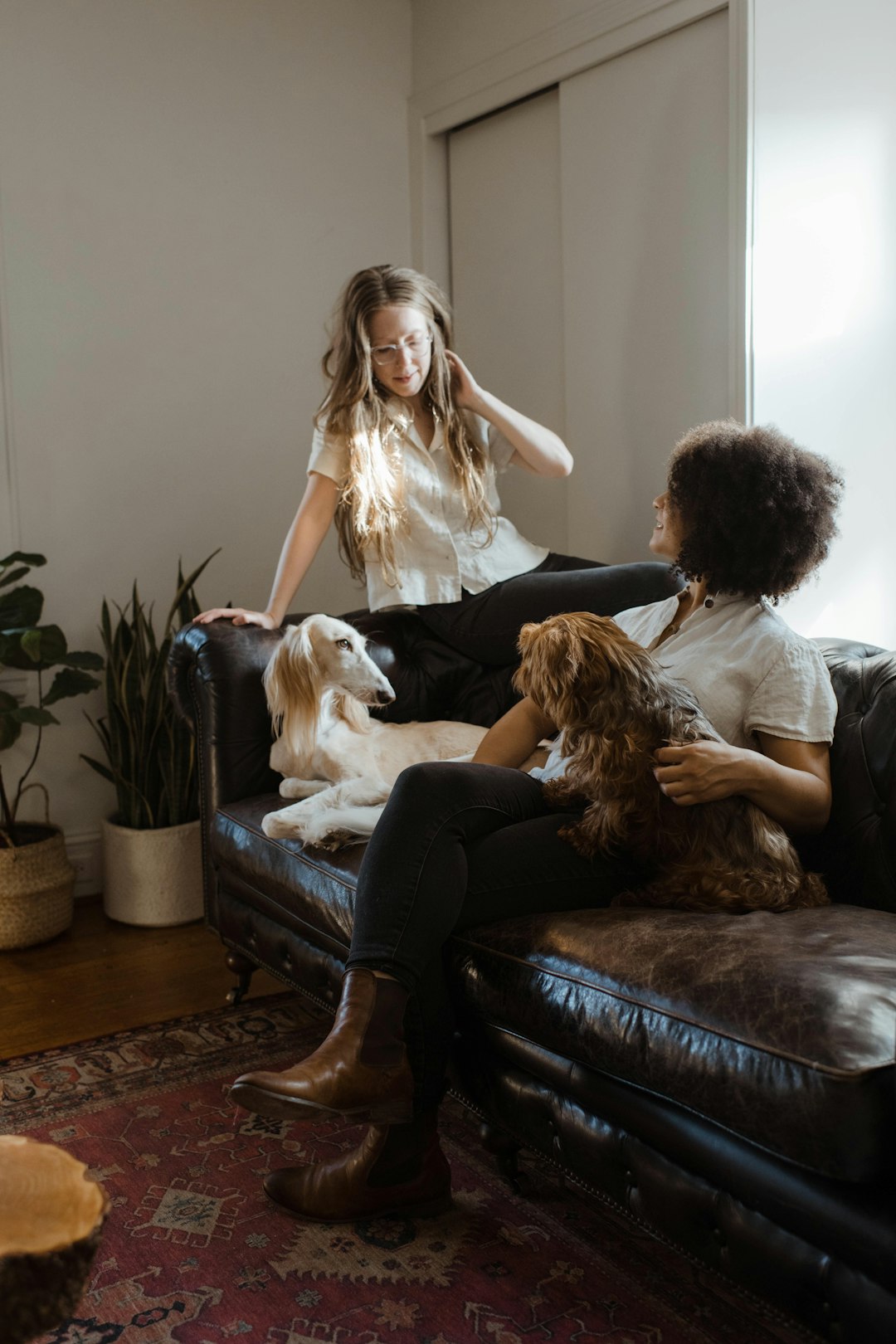
No matter the breed or size, socialization is key to building a dog’s confidence. Puppies that are introduced to a range of people, animals, sights, and sounds are more likely to grow up self-assured. For small dogs, socialization helps counteract the natural instinct to be wary of danger due to their size. For large breeds, it prevents shyness that can develop if they’re isolated. Owners who take the time to expose their dogs to the world, at any size, are setting them up for a lifetime of confidence.
The Role of Human Perception
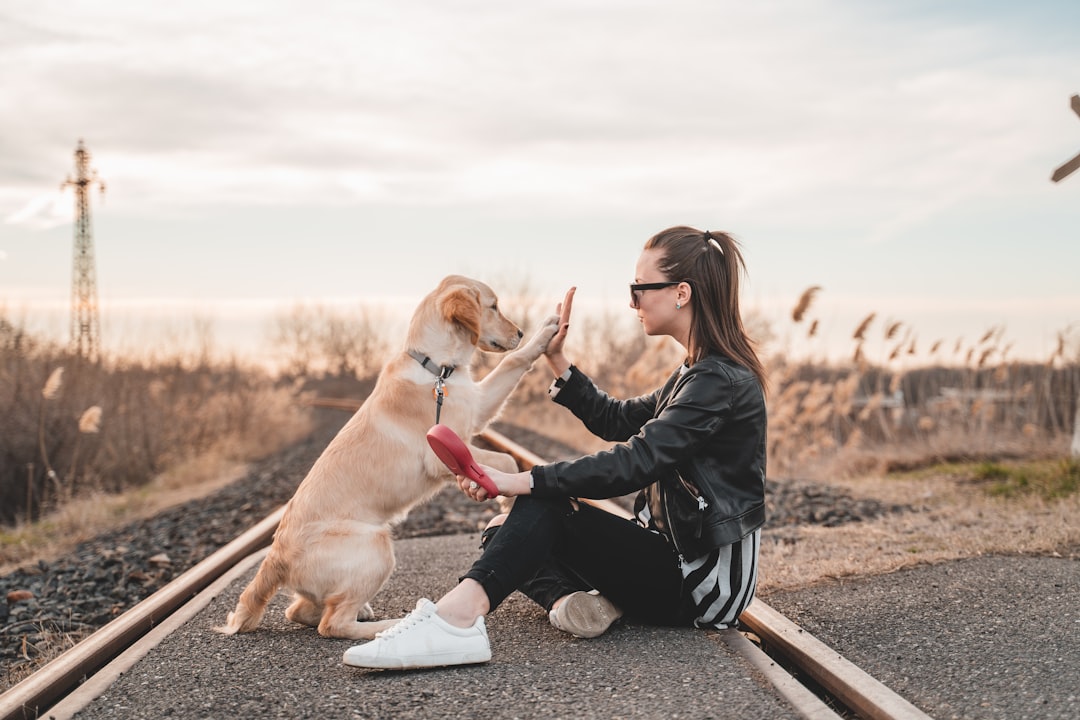
How we treat our dogs based on their size can deeply affect their confidence. Small dogs are often carried, coddled, or protected, which can unintentionally reinforce nervous behaviors. In contrast, larger dogs are expected to “handle it” and may not receive the same comfort or reassurance. This difference in treatment can shape how dogs see themselves and respond to challenges. When all dogs, regardless of size, are given equal opportunities to explore and learn, their confidence flourishes.
Environment and Early Experiences
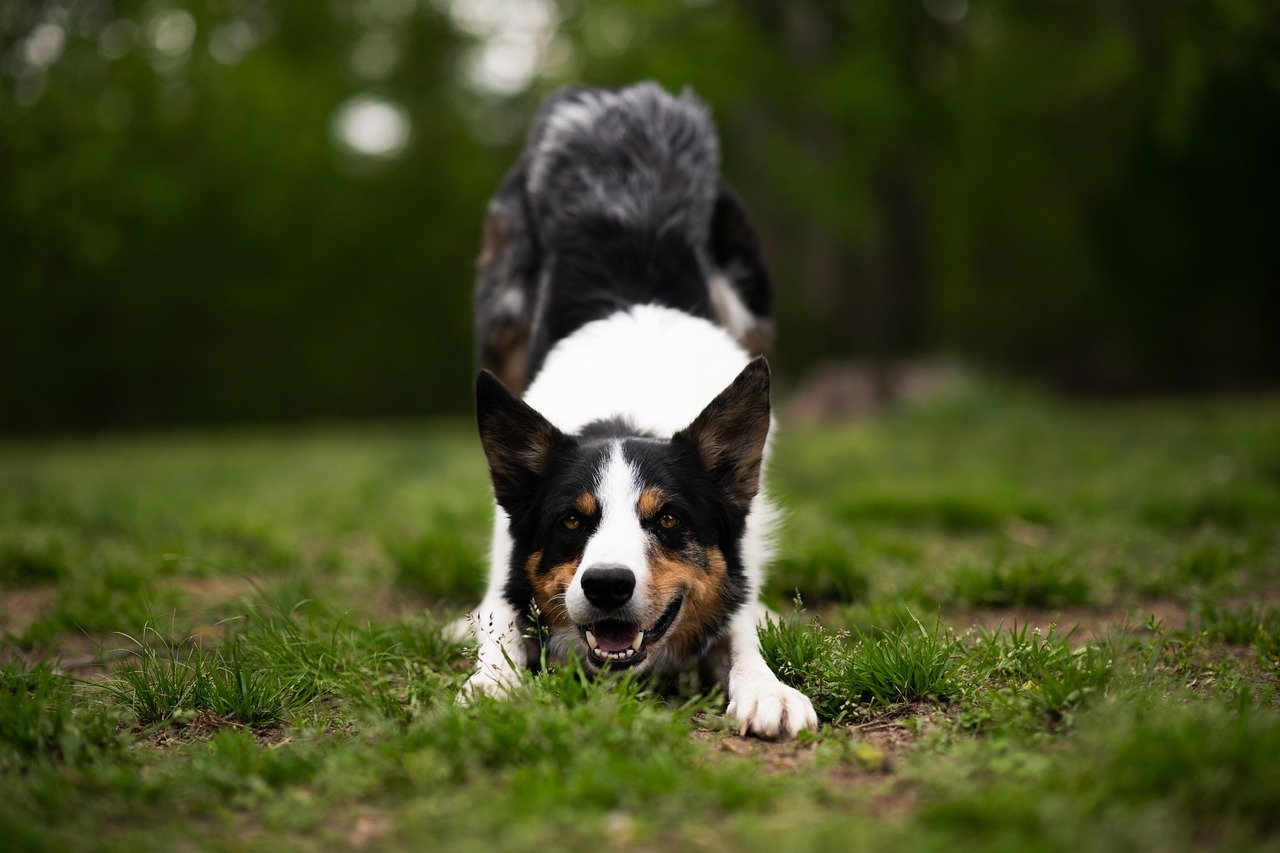
A dog’s environment plays a tremendous role in shaping confidence. Small breeds living in bustling cities may develop more bravado out of necessity, while big dogs raised in quiet suburbs might become more laid-back. Early experiences, especially during the critical puppy stage, set the tone for future self-assurance. Dogs that are exposed to a variety of positive situations are generally more adaptable, no matter their size. Even a brief scary encounter can leave a lasting impression, so thoughtful introductions are crucial for building a secure, confident dog.
Body Language: Reading Confidence in Dogs
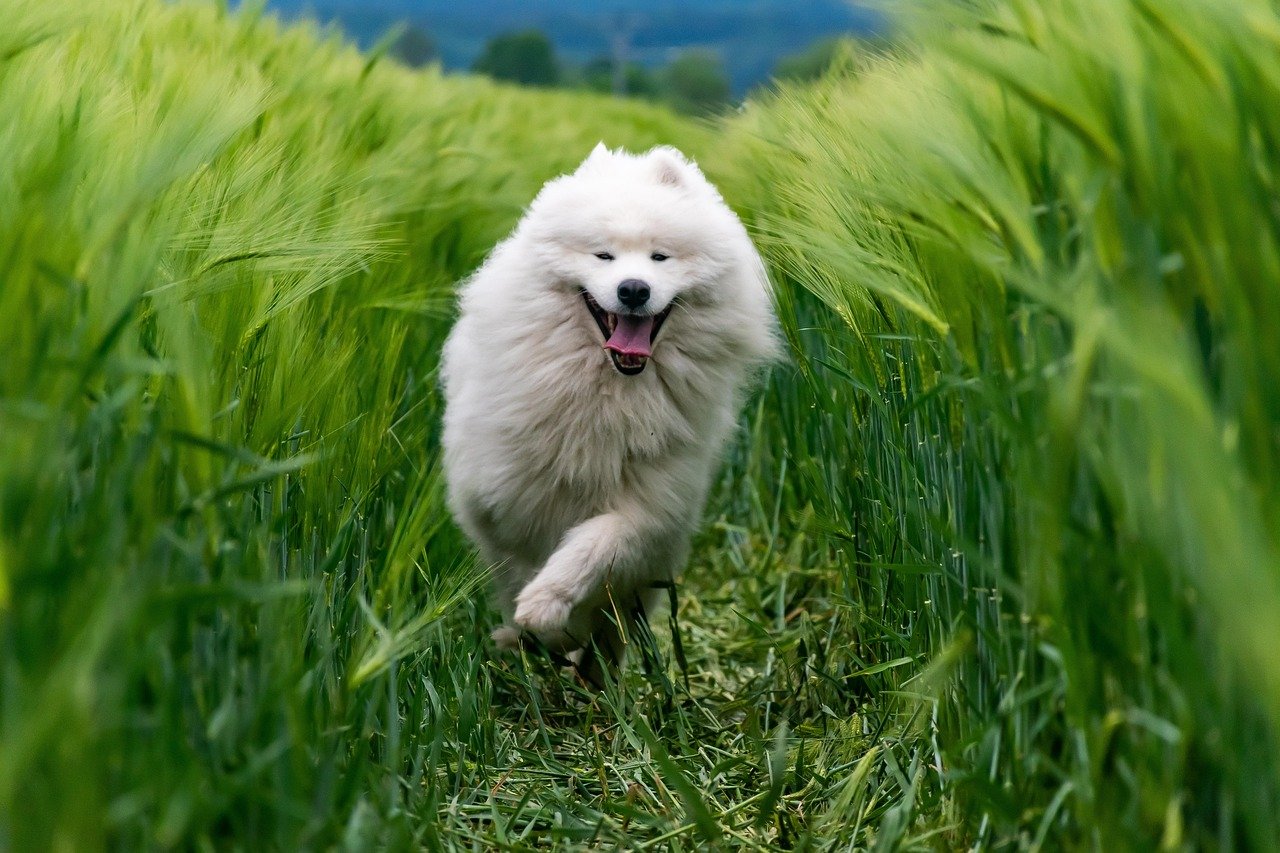
Size affects not only how dogs feel, but also how they communicate confidence. A tiny dog standing tall, tail up, and barking boldly is expressing self-assurance—or at least trying to. Large breeds may use more subtle signals, like a relaxed posture or slow, deliberate movements, to show calm confidence. Sometimes, a dog’s efforts to appear brave can be misinterpreted by humans. Learning to read canine body language helps owners recognize when a dog is truly confident versus when they’re masking anxiety.
Play Styles and Confidence
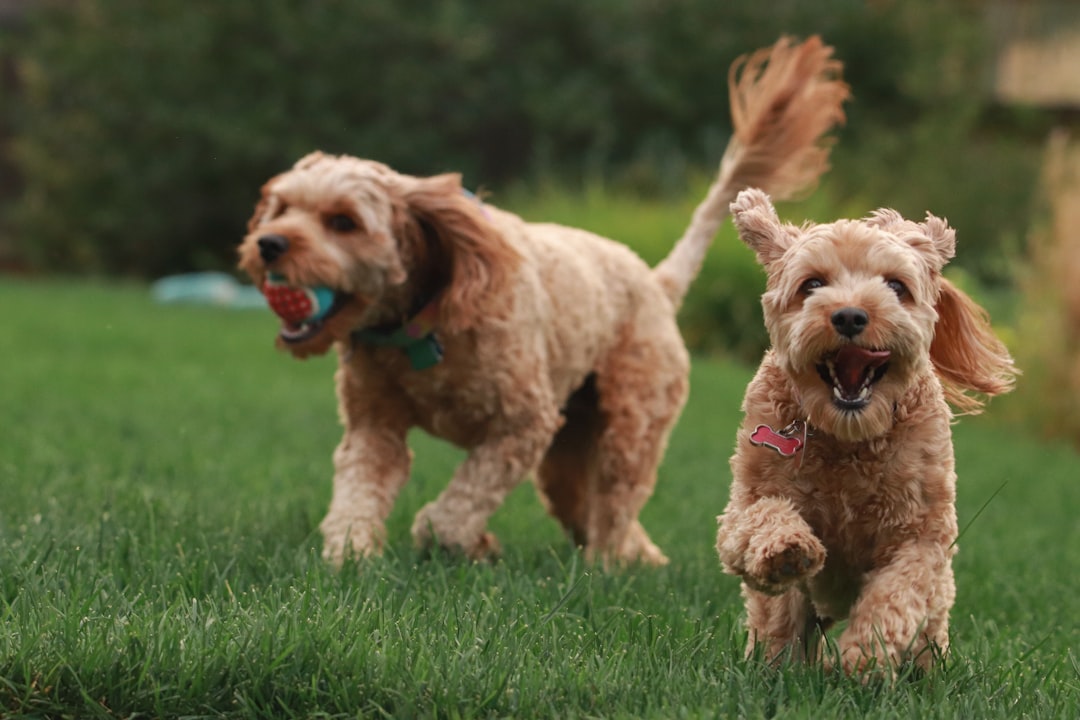
Play is a window into a dog’s confidence, and breed size often influences play styles. Small breeds might be more likely to dart, chase, or vocalize during play, using agility and quick movements to their advantage. Larger dogs may prefer wrestling or gentle mouthing, relying on their strength but often showing surprising restraint. When dogs of different sizes play together, confidence becomes a balancing act, with each dog figuring out how to interact safely. Playful, positive experiences with other dogs can boost confidence in pups of all sizes.
Health and Physical Ability
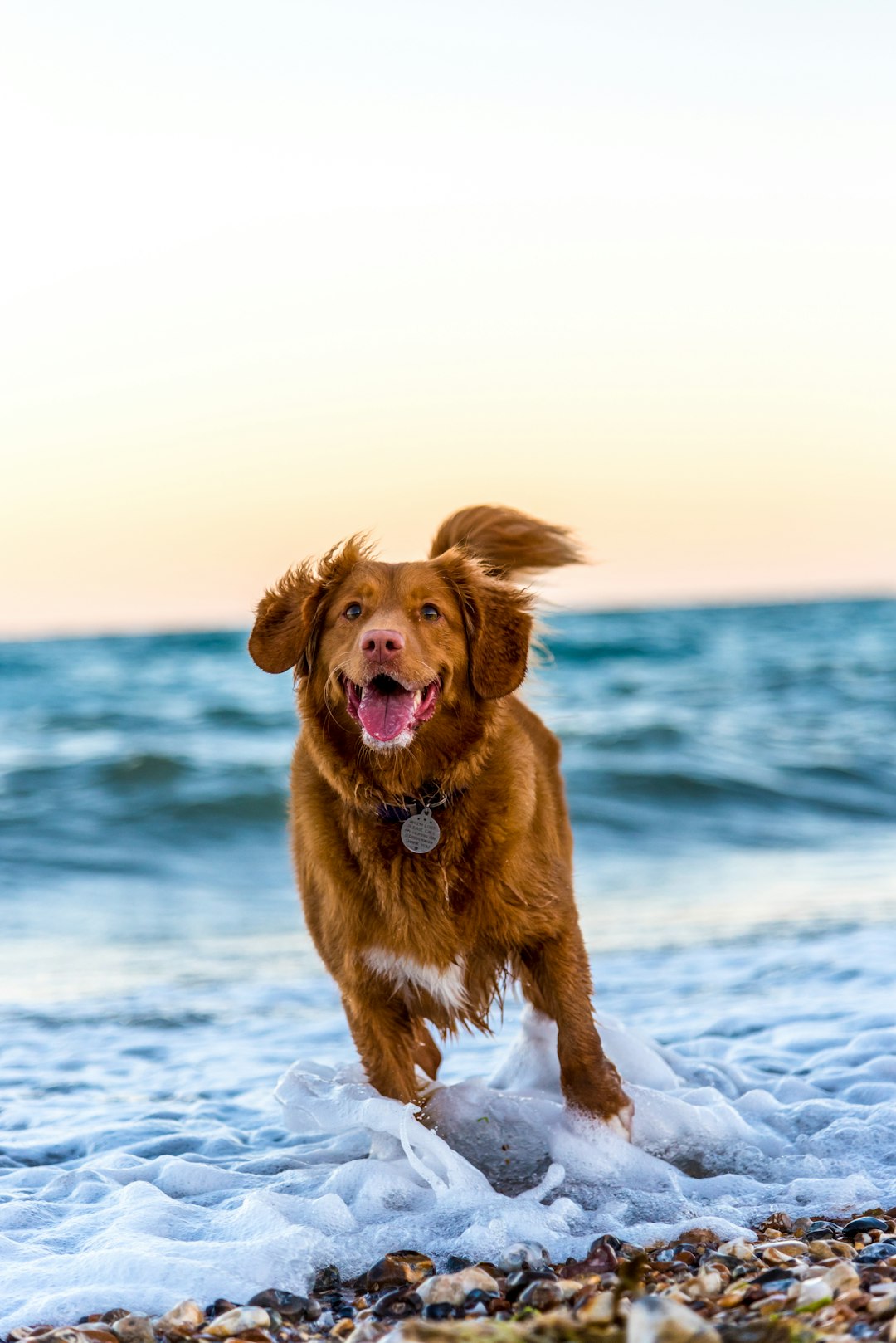
Physical health can impact a dog’s confidence, and sometimes size plays a role. Small breeds can be more prone to injuries from rough handling, which may make them cautious or fearful. Conversely, some large breeds face joint issues or mobility problems that affect their willingness to explore. When a dog feels strong and healthy, confidence usually follows. Owners who pay attention to their dog’s physical needs—regardless of size—help nurture both body and spirit.
Training Approaches for Different Sizes
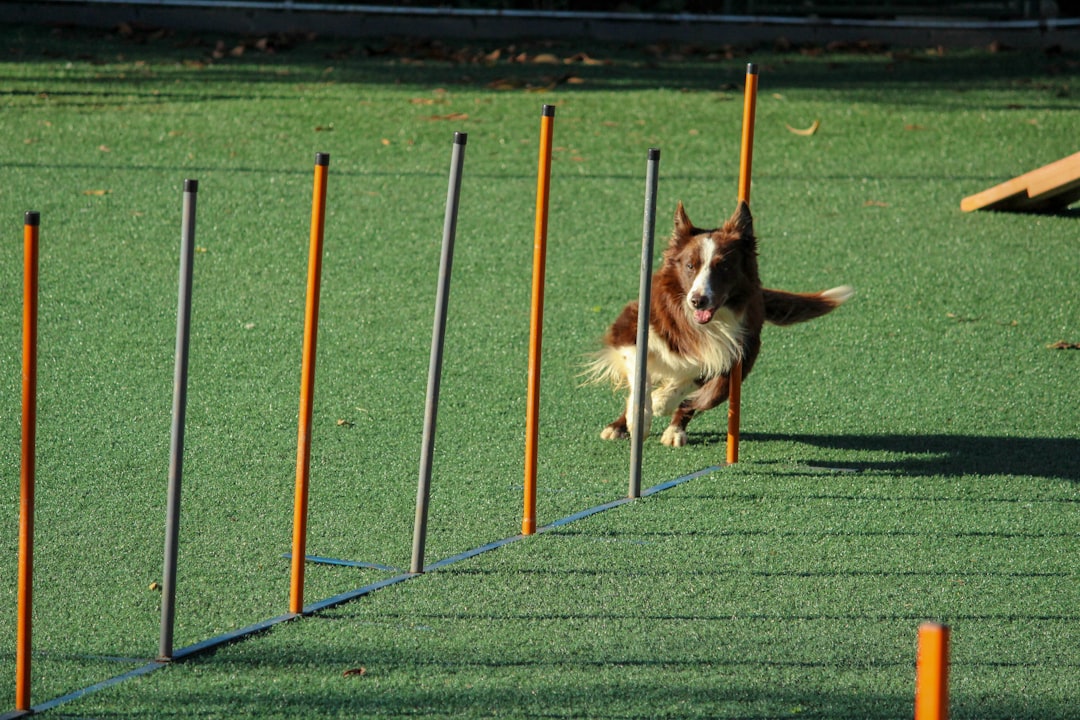
Training techniques might need to be adjusted based on a dog’s size to build true confidence. Small dogs benefit from training that empowers them to face the world without fear, teaching them that they can be safe and in control. For large breeds, training often focuses on self-restraint and controlled curiosity, helping them interact confidently and safely with people and animals. Positive reinforcement, patience, and consistency are the secrets to unlocking a dog’s confidence, no matter their stature. The journey to a self-assured dog is as unique as each breed—and every beloved canine companion.


