
If you’ve ever watched your dog tremble, hide, or frantically pace when thunder rumbles or fireworks explode, you know how heartbreaking noise phobia can be. You’re not alone in this struggle. Studies indicate that between a quarter and half of the pet dog population are affected by noise fears, making it one of the most common behavioral challenges we face as dog parents.
Here’s the thing: your pup isn’t being dramatic or difficult. Dogs have incredibly sensitive hearing, which allows them to detect sounds that are imperceptible to humans, meaning that loud noises can be particularly startling and distressing for them. What sounds like a distant boom to you might feel overwhelming to your furry friend. The good news? There are proven, compassionate ways to help your dog feel safer and calmer. Let’s dive in.
Understanding Why Your Dog Is So Scared

Before you can help your dog, it honestly helps to understand what’s happening in their head. Noise phobia differs from noise aversion in that dogs with noise phobia panic and overreact to sounds, while aversion typically causes discomfort without extreme fear. Think of it like this: aversion is being annoyed by a loud neighbor, while phobia is believing that loud noise signals genuine danger.
There are several reasons why a dog may develop this type of fear, such as a negative experience around a specific noise, lack of early socialization as a puppy, underlying illness, or because of worsening anxieties as they age due to changing brain chemistry. Some pups simply never learned that fireworks or thunder are harmless. Others had a traumatic experience once that stuck with them.
Unfortunately, noise phobias have a way of building on themselves – what starts out as a simple dislike of loud noises can turn into a phobia, or a dog who’s triggered by one type of loud noise eventually reacts to many. I’ve seen dogs who initially feared only fireworks gradually become anxious about garbage trucks, doorbells, and even kitchen timers.
Recognizing the Warning Signs
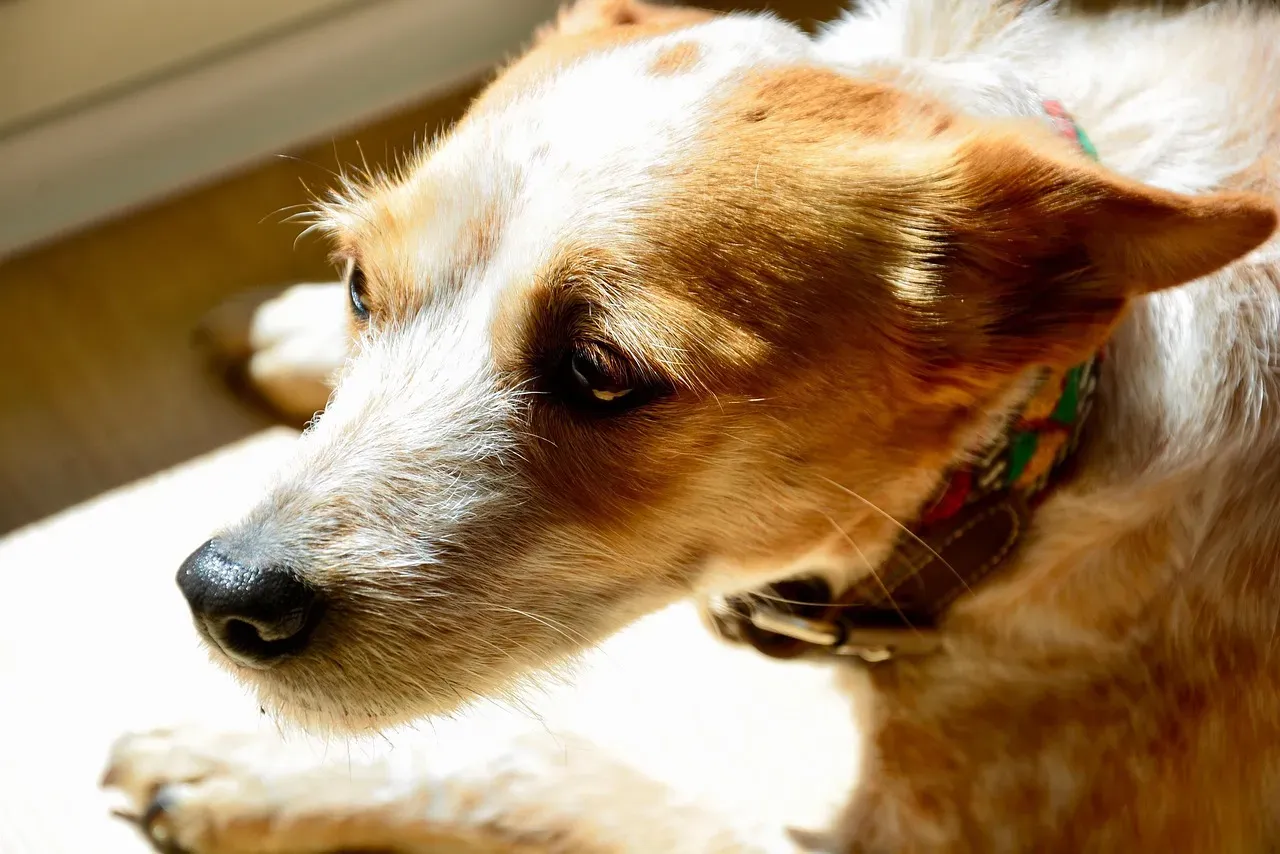
Let’s be real: many of us miss the early signals our dogs send. The signs of fear can range from mild to severe, including trembling, vocalizing, panting, pacing, drooling, hiding, digging at doors and escape attempts. But before your dog gets to that point of full-blown panic, there are subtler clues.
Common early signs include tensing or stilling, change of breathing patterns, dilated pupils, and hackles raising. If you catch these early warning signals, you can help your dog before their fear escalates. Pay attention during the next storm or neighborhood celebration.
Most dogs develop noise fears in their first or second year of life, but these fears can worsen with age – if an older dog suddenly shows noise phobia, it may be due to underlying pain. That’s why a vet visit is crucial if your dog’s behavior changes suddenly. Pain can amplify fear responses dramatically.
Creating a Safe Haven Your Dog Actually Wants to Use

The first step in managing and treating all types of noise phobia in dogs is to give them a safe place to hide – this safe haven can be a windowless basement, closet, crate, or bathroom. But here’s what matters: your dog needs to genuinely feel comfortable there, not just tolerate it.
Set up this space well before the next stressful event. Make it cozy with their favorite blanket and toys. Layering white noise and music can help drown out the noise, and calming classical music may also help reduce stress. I know it sounds almost too simple, but many dogs respond beautifully to this approach.
Offering long-lasting treats such as stuffed frozen Kongs, Lickimats, or other food toys gives them something positive to focus on. The key is association: you want your dog to think of their safe space as the best room in the house, not a place they’re forced into during scary times.
One important note: many dogs panic and could seriously injure themselves if confined during loud noises, so never lock them in if you can’t monitor them closely. Let them come and go as they need to feel secure.
Desensitization and Counterconditioning: The Gold Standard
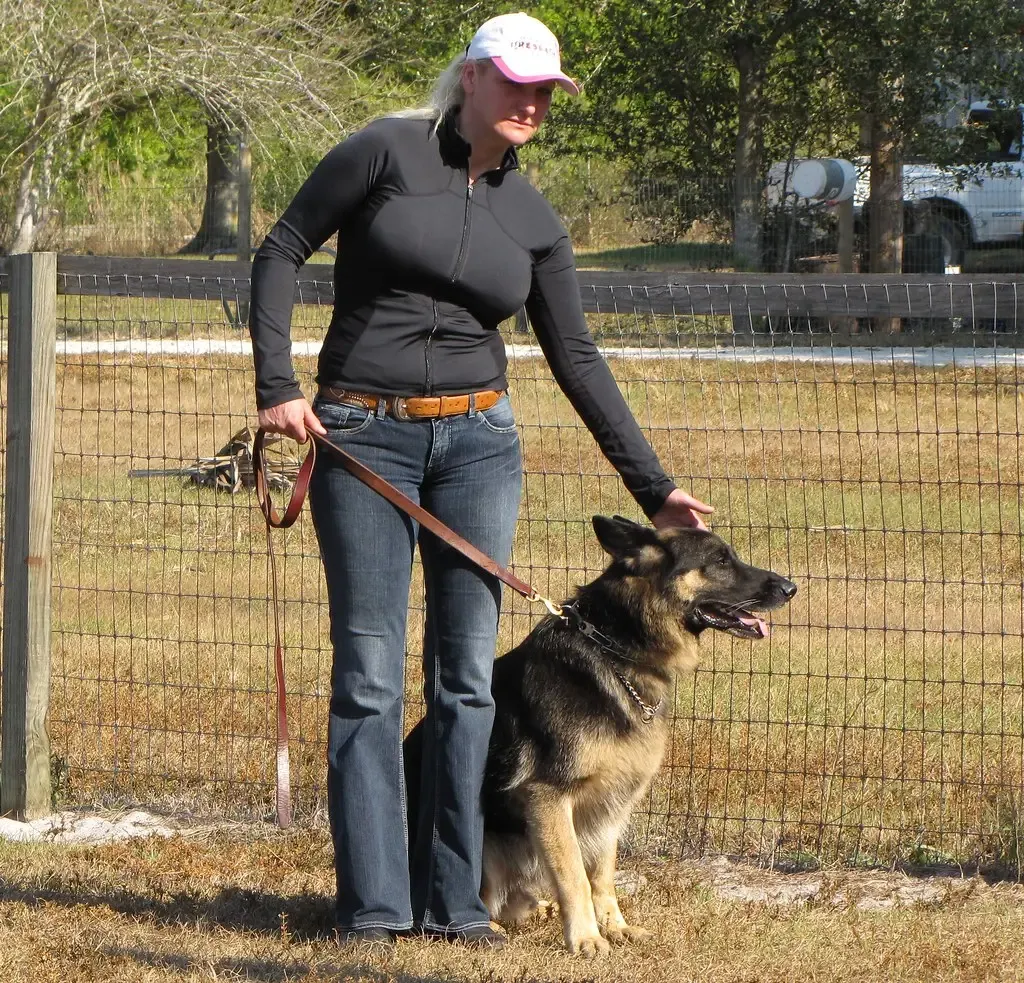
Providing rewards such as food or play to create positive associations with noises is one of the most effective training methods and may change dogs’ emotional responses to noise. This technique, called counterconditioning, works alongside desensitization to gradually teach your dog that scary sounds predict good things.
Desensitization refers to the gradual and progressive presentation of the fear-eliciting stimulus, starting at a level that does not elicit anxiety, to allow the dog to learn that the stimulus is harmless. You begin with recordings of the scary sound played at barely audible levels. When your dog stays calm, you reward them lavishly with chicken, cheese, or whatever makes them happiest.
Start with the least scary stimulus from the individual dog’s perspective, begin each stimulus softly with a gradual increase in volume, and move slowly and gradually to sounds that trigger more intense fear. This isn’t a quick fix. Honestly, it takes weeks or even months of consistent practice.
It is important to practice desensitization and counterconditioning at least twice weekly – daily is even better – with sessions lasting anywhere from five to forty-five minutes. The trick? Always stop before your dog shows stress. If you push too hard too fast, you risk making things worse.
When to Consider Medication and Professional Help

There’s absolutely no shame in needing extra help. Dogs with severe noise phobias often require treatment with prescription medications because they simply can’t relax enough without them to be open to learning new ways to cope. Medication isn’t giving up; it’s giving your dog the support they need to heal.
There are medications your veterinarian can prescribe to reduce fear, and they must be given before the scary noise to be effective – watch the weather closely and administer medication before the storm is predicted to arrive. Planning ahead is everything here.
Treatment involves a multi-faceted approach, including environmental modifications, behavior modification, and potentially supplements or anti-anxiety medication. Different dogs respond to different combinations. What works for your neighbor’s Labrador might not work for your terrier, and that’s perfectly normal.
If your dog’s fear is severe or worsening, reach out to a certified behavior consultant or veterinary behaviorist. These professionals specialize in fear-based behaviors and can create customized plans that address your dog’s specific triggers and responses.
Conclusion

Helping your dog overcome noise phobia isn’t about finding one magic solution. It’s about patience, consistency, and understanding that fear is a real emotion that deserves compassion. Fear of noises can be reduced, but a cure is rare. Still, with the right combination of safe spaces, gradual desensitization, positive associations, and possibly medication, you can dramatically improve your dog’s quality of life.
Remember that every small step forward counts. The day your dog stays calm through distant thunder or accepts a treat during fireworks is worth celebrating. Your dog trusts you to keep them safe, and by working through this challenge together, you’re strengthening that precious bond. Have you noticed which strategies work best for your furry friend? Every dog is unique, and your observations matter more than any one-size-fits-all approach.


