
Picture this. Your ten-year-old Labrador is curled up by the fire, a little greyer around the muzzle, moving a touch slower than he used to. You wonder if those days of learning something new are behind him. Maybe you’ve even heard someone say, “Oh, you can’t teach an old dog new tricks.” Here’s the thing – that saying is not just outdated, it’s flat-out wrong. Your senior dog still has so much potential tucked inside that wise, wonderful head of theirs.
Training an older dog isn’t about proving a point. It’s about connection, mental health, and giving your faithful companion a richer, more stimulating life in their golden years. So whether you adopted a senior pup recently or you’ve had your dog since puppyhood, the good news is: learning never has to stop. Let’s dive in.
The Science Is Clear: Your Older Dog’s Brain Is Still Open for Business
A lot of people assume that once a dog hits a certain age, the brain kind of shuts the classroom door. Honestly, that could not be further from the truth. Recent studies in canine cognition have revealed that dogs retain significant neuroplasticity – the brain’s ability to form new neural connections – well into their senior years. Think of it like a road network: new roads can still be built, even if it takes a little longer.
Scientific research confirms that dogs can learn at any age, thanks to their brain’s continued plasticity. While the learning process might be different from puppies, older dogs often show excellent capacity for acquiring new skills. That alone should give you a renewed sense of hope.
Experiments from researchers in Austria show that canines of all ages respond positively to touchscreen games, and that something akin to “dog Sudoku” might help keep pets mentally sharp even as their physical abilities decline. That is genuinely exciting stuff. The aging brain is not a closed book – it’s just a different chapter.
The aging brain retains neuroplasticity, and several environmental stimuli can help, including physical exercise and environmental enrichment. So every training session you offer your senior dog is literally doing good things to their brain. That feels pretty special, doesn’t it?
What Makes Senior Dogs Different (and Sometimes Easier) to Train
Here’s something that might genuinely surprise you. Older dogs usually have longer attention spans than their younger counterparts, allowing for longer training sessions. They are also more receptive to learning new tricks and commands due to their previous training experiences. A puppy is basically a tiny tornado – full of energy and distraction. A senior dog? They’re a little more like a seasoned student who actually wants to sit still.
Because older dogs are often less energetic than a frisky puppy, some people consider them easier to train. They can focus and sit still for longer periods of time, and are often less distracted. Think of it this way: you’re not fighting with a bouncy five-year-old anymore. You’ve got a thoughtful, experienced companion who genuinely enjoys your company.
That said, it’s not entirely smooth sailing. One of the biggest obstacles when it comes to training an older dog is that in some ways, it’s double the work. Before you can begin teaching new tricks, you’ll first have to help your senior unlearn any bad habits picked up since puppyhood. It requires patience, but the rewards are absolutely worth it.
Know Your Dog’s Body: Health Comes Before Every Trick
Before you start, please pause and take a good honest look at your dog’s physical health. This is so important and so often skipped. As dogs age, many develop health conditions that limit their learning ability, including joint pain, vision or hearing loss, and decline in cognitive function. What looks like stubbornness is sometimes just pain speaking.
Even simple tricks can be uncomfortable for older dogs. Sitting repeatedly can stress arthritic knee joints. Begging or “sitting pretty” for a treat strains an old back. Jumping up to catch a Frisbee just plain hurts! So before you ask your dog to “sit” for the fifteenth time in a row, just ask yourself: is this comfortable for them today?
Evaluate your pet carefully. Does your dog have any health issues or cognitive dysfunction that will make it hard to perform the task you want to teach? If your reason for training is to address a behavioral problem, could an underlying health problem be to blame? For example, an older dog who has started soiling the carpet might have bladder problems that need to be treated. Your vet is your greatest ally here, so never hesitate to reach out before starting a new training program.
Smart Training Strategies That Actually Work for Senior Dogs
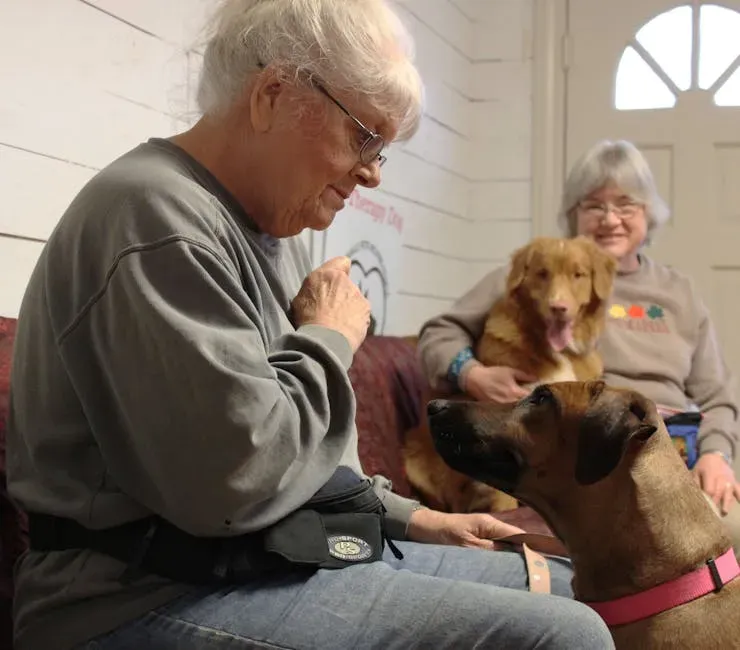
So let’s get practical. The single most important change you can make is shortening your sessions. Use short training sessions of five to ten minutes, incorporate plenty of breaks, and choose activities appropriate for your dog’s physical condition. Always use positive reinforcement and watch for signs of fatigue or stress. Less is genuinely more here. A five-minute session full of joy beats a thirty-minute grind that leaves both of you frustrated.
At this life stage, training is less about teaching basic manners and more about keeping the canine brain active, so the pressure is off. That shift in mindset changes everything. You’re not preparing your dog for agility championships. You’re sharing quality time and keeping their mind bright. Big difference.
Think carefully about which tricks you choose. Remember that your senior might not be comfortable dancing on their hind legs or doing other energetic tricks. Try to focus on low-impact behaviors that aren’t physically demanding, like a slow spin, shake, or wave. A gentle “touch” command, where your dog taps their nose to your hand, is a brilliant starting point. It’s low effort and endlessly rewarding.
Treats matter too, but choose wisely. Older, more sedentary dogs are more likely to pack on the pounds if they get too many treats. When selecting goodies for senior dog training, opt for treats that are tempting but not too calorie-dense. A great way to split the difference is making a trail mix of goodies that includes some of your dog’s daily meal ration combined with a variety of higher-value treats. A mix of kibble and small pieces of cheese or chicken will definitely keep your senior student interested.
Adapting Your Communication When Senses Start to Fade
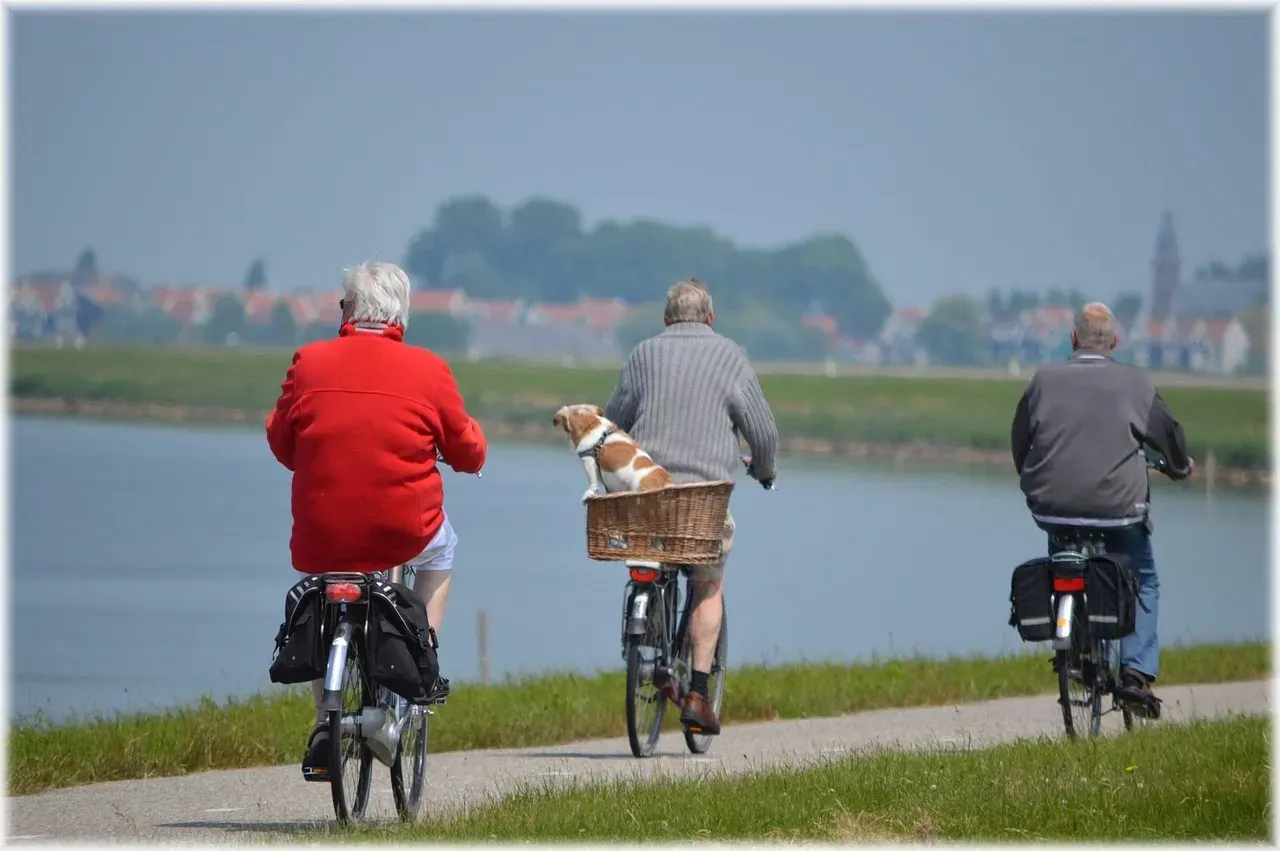
Older dogs often experience changes in hearing and vision, and this can quietly derail training if you’re not paying attention to it. I think this is one of the most overlooked aspects of working with senior dogs. While older dogs are good learners, they may have more difficulty understanding your instructions. Many senior pets have vision and hearing deficits that make it more difficult for them to comprehend directions. You can work around these obstacles, which are part of the natural ageing process, by modifying the way you communicate with your dog.
If your dog has a hearing deficit, use hand signals. If vision is diminished, stay in your dog’s direct line of sight and use louder verbal cues. The goal is simply to make yourself understood. Think of it as learning a slightly new language together – one that suits where your dog is right now.
Focus on one trick at a time. Trying to teach too many at once could become overwhelming and confusing for your canine. Keep it simple, keep it consistent, and always end every session on a win, even a small one. A happy finish is what your dog will remember.
Conclusion: Your Dog’s Best Chapter Might Still Be Ahead
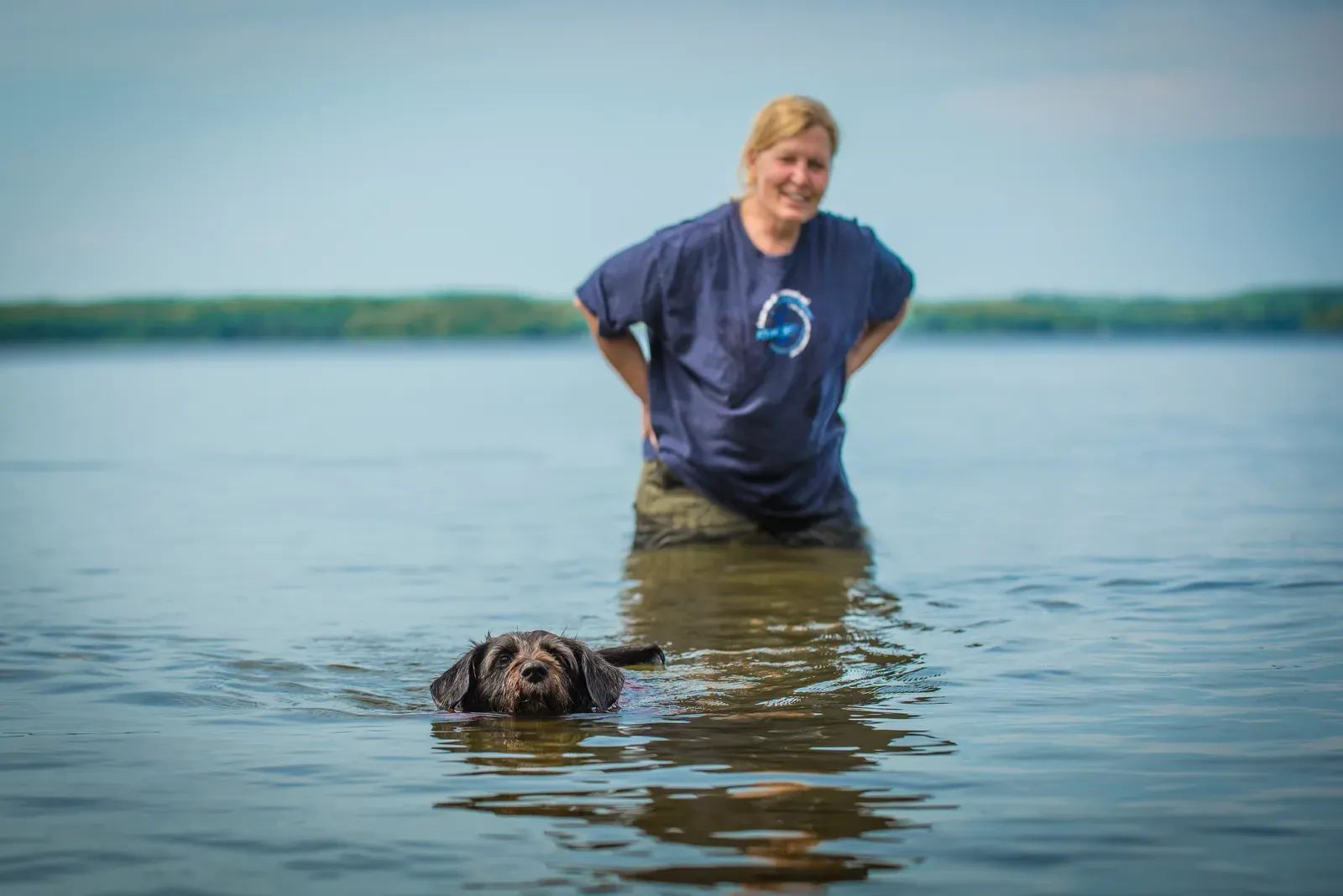
There is something deeply moving about an older dog learning something new. It’s a reminder that growth doesn’t have an expiry date and that the bond between you and your dog can deepen at any stage of life. Teaching and learning new tricks can be a fun pastime for you and your dog, no matter your respective ages. Time shared while learning new tricks will deepen the bond you already have with your canine friend. Plus, tricks provide mental stimulation for older dogs who may be suffering from dementia.
Training provides crucial mental stimulation that helps prevent cognitive decline, maintains brain health, and keeps senior dogs physically active. It also strengthens the bond between dog and owner while providing structure and purpose to their daily routine. Those are not small things. Those are the things that make a life well lived, for both of you.
So the next time someone tells you that old dogs can’t learn new tricks, smile and prove them wrong, one gentle, joyful training session at a time. Your dog is still in there, still curious, still wanting to connect. All they need is you showing up with patience, love, and maybe a small piece of cheese.
What trick are you most excited to try with your older dog first?


