
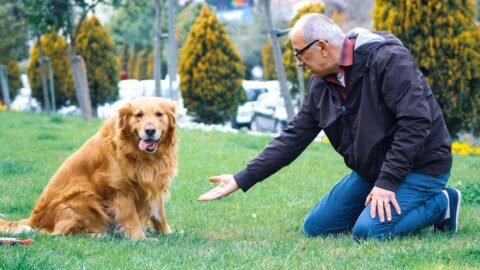
There’s something beautiful about watching an older dog learn. Maybe you’ve adopted a senior sweetheart or your longtime companion has entered their golden years. Either way, you might wonder if teaching them something new is even possible. Let’s be real, the old saying about old dogs and new tricks? Total nonsense.
Your senior dog is absolutely capable of learning at home. Their brain might work a little differently now, sure, but that doesn’t mean the light’s gone out. In fact, keeping them mentally engaged could be one of the most loving things you do for them during this stage of life. The trick isn’t whether they can learn; it’s how you teach them without turning training sessions into a source of stress or confusion.
Understanding Your Senior Dog’s Learning Capacity
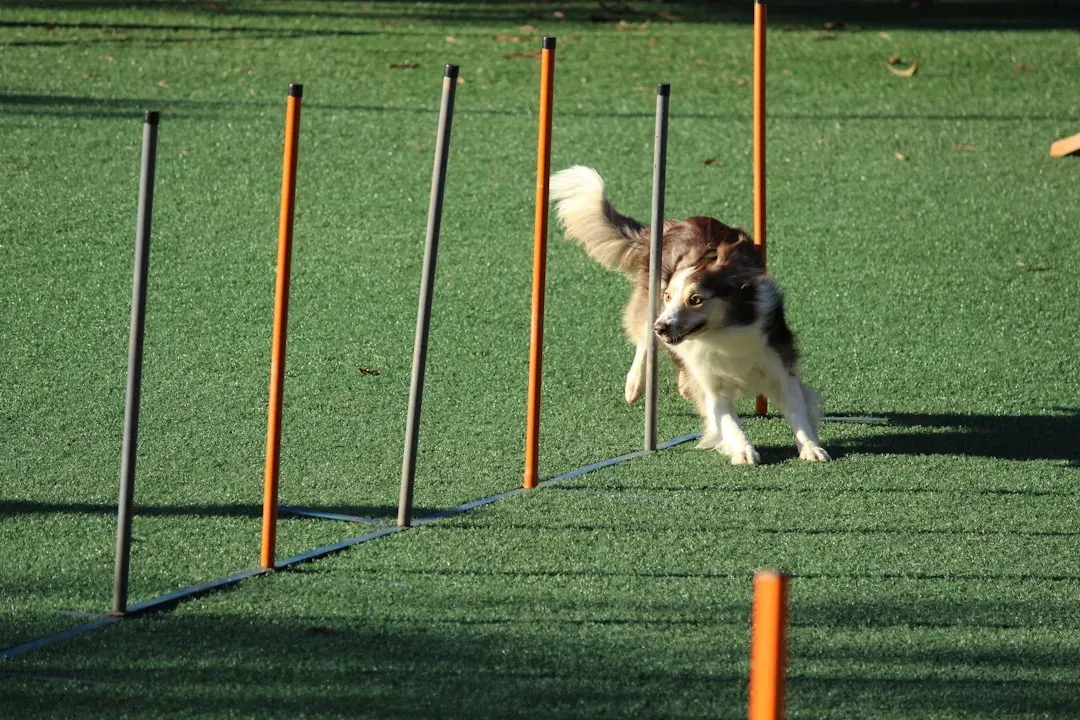
Older dogs usually have longer attention spans than their younger counterparts allowing for longer training sessions. Honestly, that’s kind of a relief when you think about it. They are also more receptive to learning new tricks and commands due to their previous training experiences as well.
Here’s the thing, though. Research has shown after 7 years of age, your dog may not learn a new task as quickly and, more importantly, she may not remember as well. In a study conducted at the University of Vienna’s Clever Dog Lab, a test of dogs’ ability to learn to distinguish between objects found that dogs around 10 years of age took more than twice as many repetitions and corrections than puppies six months to 1 year of age. Still, the same study found something fascinating. The older dogs outperformed the young pups in logic and reasoning tasks. The study found no age difference in dogs’ ability to retain their training.
What does this mean for you at home? Your older dog brings wisdom and focus to the training table. They might need more practice runs, but once something clicks, it sticks.
Creating The Perfect Low-Stress Training Environment
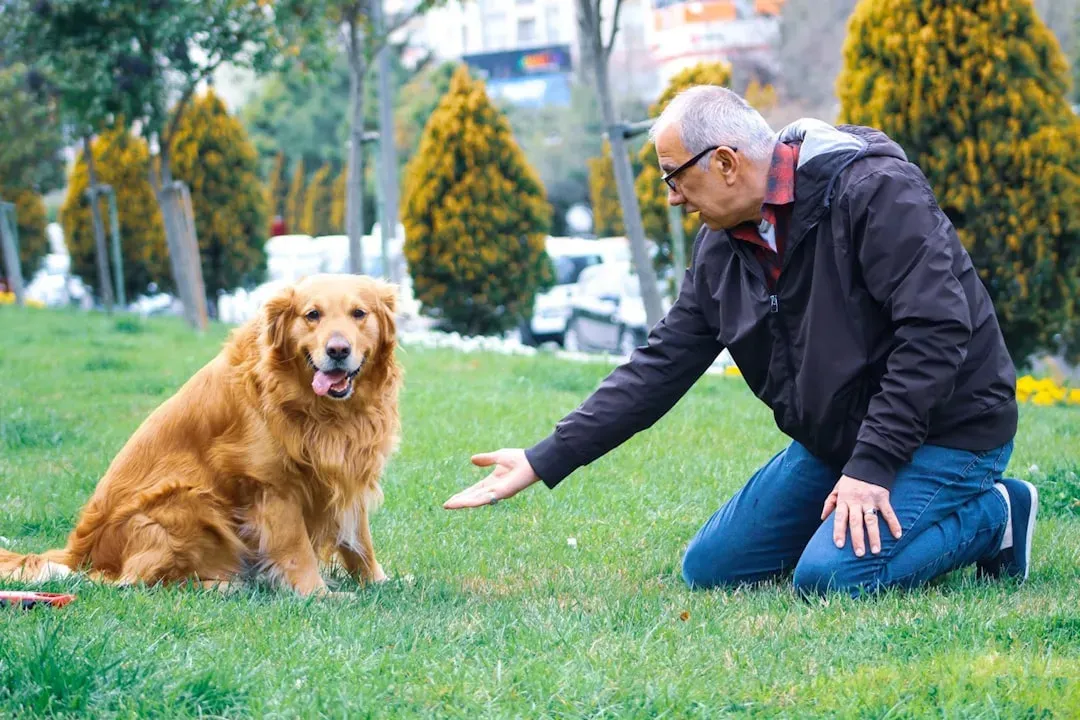
Choose a quiet, distraction-free environment. This can be a cozy spot in your living room or your backyard. Find a space where your dog can focus without interruptions. A calm place helps your dog understand what you want, leading to more successful training outcomes.
Think about what might overwhelm your senior pup. Lots of older dogs develop fears of loud sounds even if they were not sound sensitive when they were younger. One reason this may happen is because when older dogs startle in response to a loud noise, the sudden movement can cause them pain. So avoid training near the washing machine during spin cycle or when the kids are running through the house.
Older dogs often have a shorter attention span, so it’s important to keep training sessions brief. Aim for sessions that last around 5 to 10 minutes. During this time, focus on basic commands like “sit,” “stay,” and “come.” Multiple short sessions beat one exhausting marathon every single time.
The Power Of Positive Reinforcement For Aging Dogs
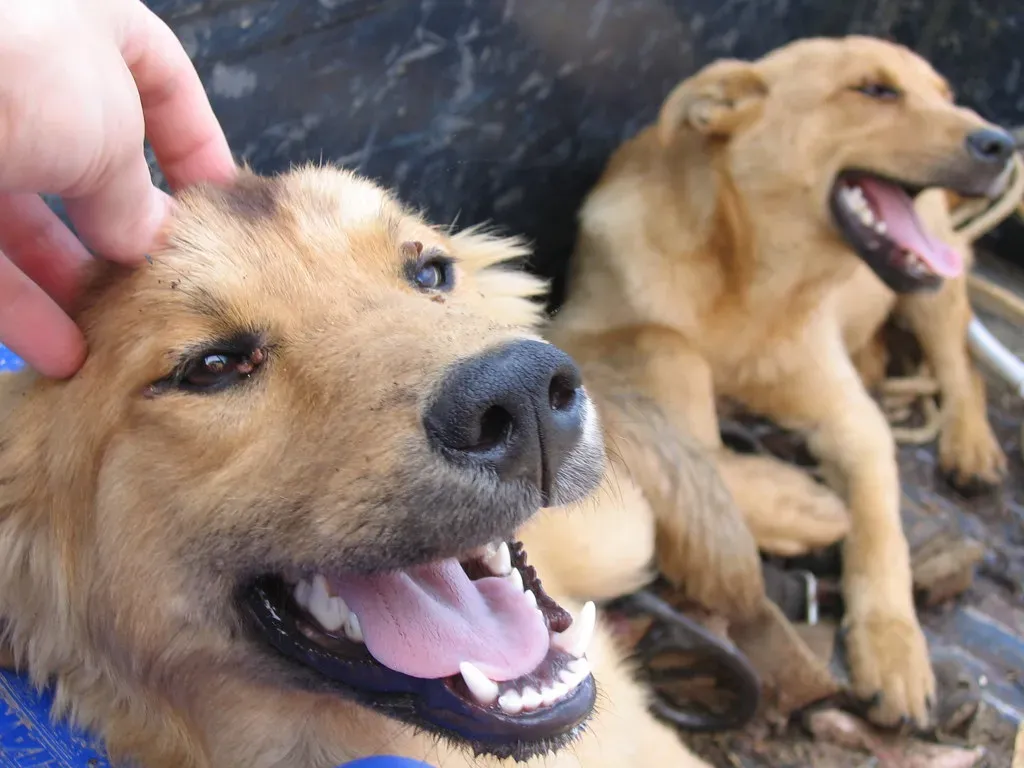
This is where the magic happens. Positive reinforcement is anything that is added that increases the likelihood that a behavior will be repeated. There is a positive relationship between behavior and consequence. Positive reinforcement is essential for dog training. It can make your dog feel less pressure to perform a trick and instead be excited to please you and get a treat. Ensuring that training experiences are positive, will make your dog look forward to them and help foster the bond you have with them.
What counts as a reward? This may differ from dog to dog and may vary with the time of day and between individuals. For some it may be a pat on the head, a play session, a fun toy, a walk, or a food treat. The key is to select the reward that motivates your dog.
Timing matters more than you might think. Reinforcement must immediately follow the behavior. If there is any delay, you run the risk of the pet engaging in another behavior while you are administering the reinforcement. The second your dog’s bottom hits the floor for that sit command, that’s when the treat needs to appear. Not three seconds later when they’ve already stood back up.
Adapting Training For Physical And Sensory Changes
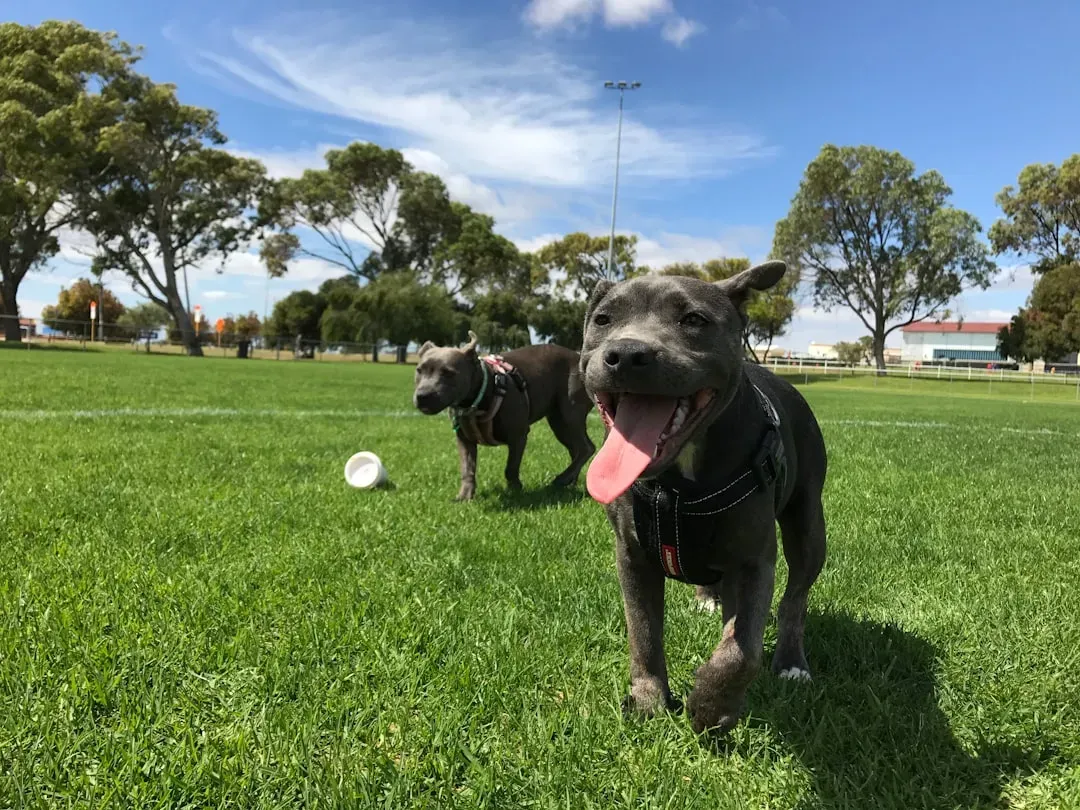
Your older dog’s body isn’t what it used to be. When choosing what behaviors you want to teach an older dog, eliminate those that may cause discomfort. That means no jumping through hoops or up onto high surfaces and no dancing on their back legs. Sitting repeatedly can stress arthritic knee joints. Begging or “sitting pretty” for a treat strains an old back. Jumping up to catch a Frisbee just plain hurts!
Sensory changes matter too. Many senior pets have vision and hearing deficits that make it more difficult for them to comprehend your directions. If your dog has a hearing deficit, use hand signals. If his vision is diminished, stay in his direct line of sight, and use louder verbal cues.
All dogs may have reasons for not performing the behavior you ask them to, but that’s especially true of senior dogs. Not responding is sometimes considered disobedience, but it’s far kinder to try to understand why they didn’t do what you wanted. In the context of modern dog training, it’s best to evaluate whether they are confused, haven’t really learned the skill yet, or feel too much discomfort to do it. Or, in general terms, consider that the dog is not giving you a hard time, the dog is having a hard time. I love that perspective because it shifts everything.
Breaking Down Tasks And Celebrating Small Wins
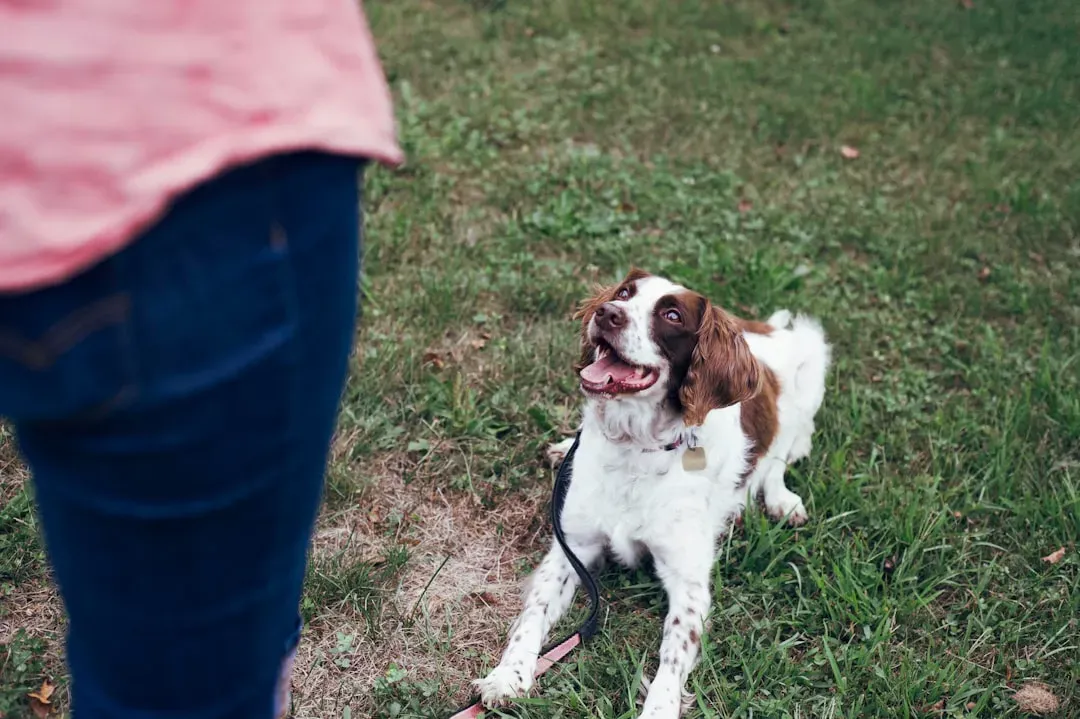
Older dogs may not have the same cognitive thinking as they did when they were younger, which means you will have to embrace repetition. Repeating a trick many times can help them recall it better. You can also break down a trick into smaller steps and praise your dog when they have completed a step.
Let’s say you’re teaching your dog to go to their bed on command. Don’t expect them to nail the whole sequence immediately. First, reward them for looking at the bed. Then for taking a step toward it. Then for standing on it. Finally, for lying down on it. Each tiny victory deserves celebration.
Older dogs may require more time to learn new behaviours or commands due to their established habits and possibly slower cognitive functions. Patience is key, as rushing can lead to frustration on both sides. Breaking Down Tasks: Simplify training exercises into smaller, more manageable steps. This approach helps ensure clarity and allows the dog to achieve small victories, making the learning process less overwhelming and more achievable.
The beauty of training an older dog at home is you’re not competing with anyone. There’s no deadline. If it takes three weeks instead of three days, so what? The journey itself strengthens your bond and keeps their mind active. That’s the real prize.
Conclusion
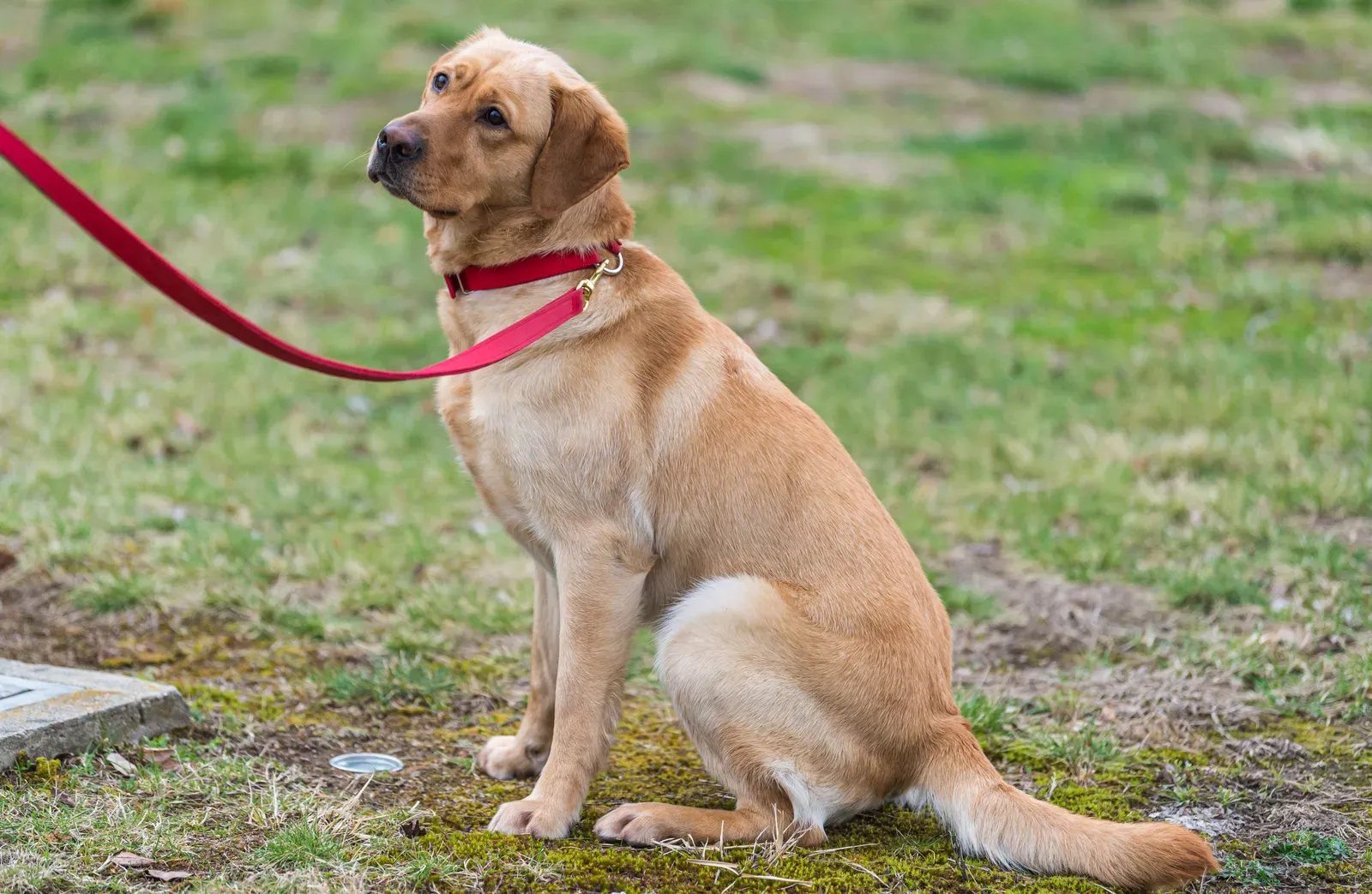
Teaching your older dog new tricks at home isn’t just possible; it’s a gift you give each other. They get mental stimulation that keeps cognitive decline at bay. You get more quality time with your faithful companion. The frustration melts away when you adjust your expectations, work in short sessions, use rewards they actually care about, and remember that their slower pace doesn’t mean they’re failing.
Your senior dog has spent years learning what makes you happy. Now’s your chance to meet them where they are, celebrate who they’ve become, and prove that learning never has an expiration date. What new skill will you and your older dog tackle together first?


