
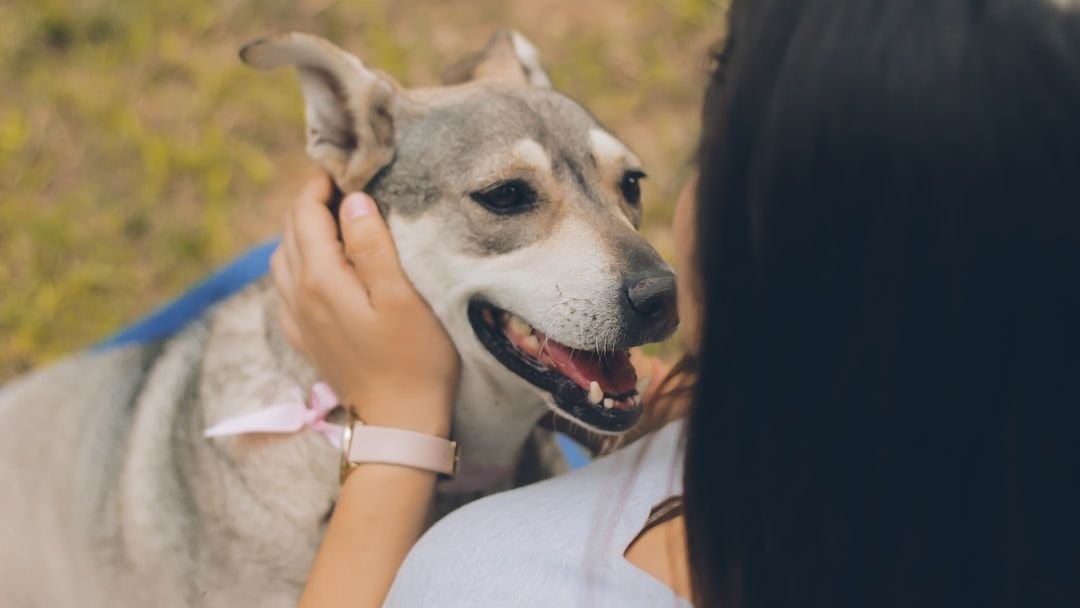
You know that feeling when you look at your dog snoozing on the couch and wonder what’s really going on behind those soulful eyes? Are they genuinely happy here with you, or just making the best of things? It’s a question that keeps many of us awake at night, honestly.
Our dogs can’t exactly sit us down and tell us how they’re feeling about their living situation. They won’t complain about their kibble or mention that they’d prefer more walks. Instead, they communicate through a beautifully complex language of wiggles, tail wags, sighs, and subtle facial expressions. Learning to read these signals isn’t just interesting, it’s essential to ensuring our furry companions are living their best lives. So let’s dive into the telltale signs that your dog is genuinely thriving in your home.
The Joy Is in the Wiggle and the Wag
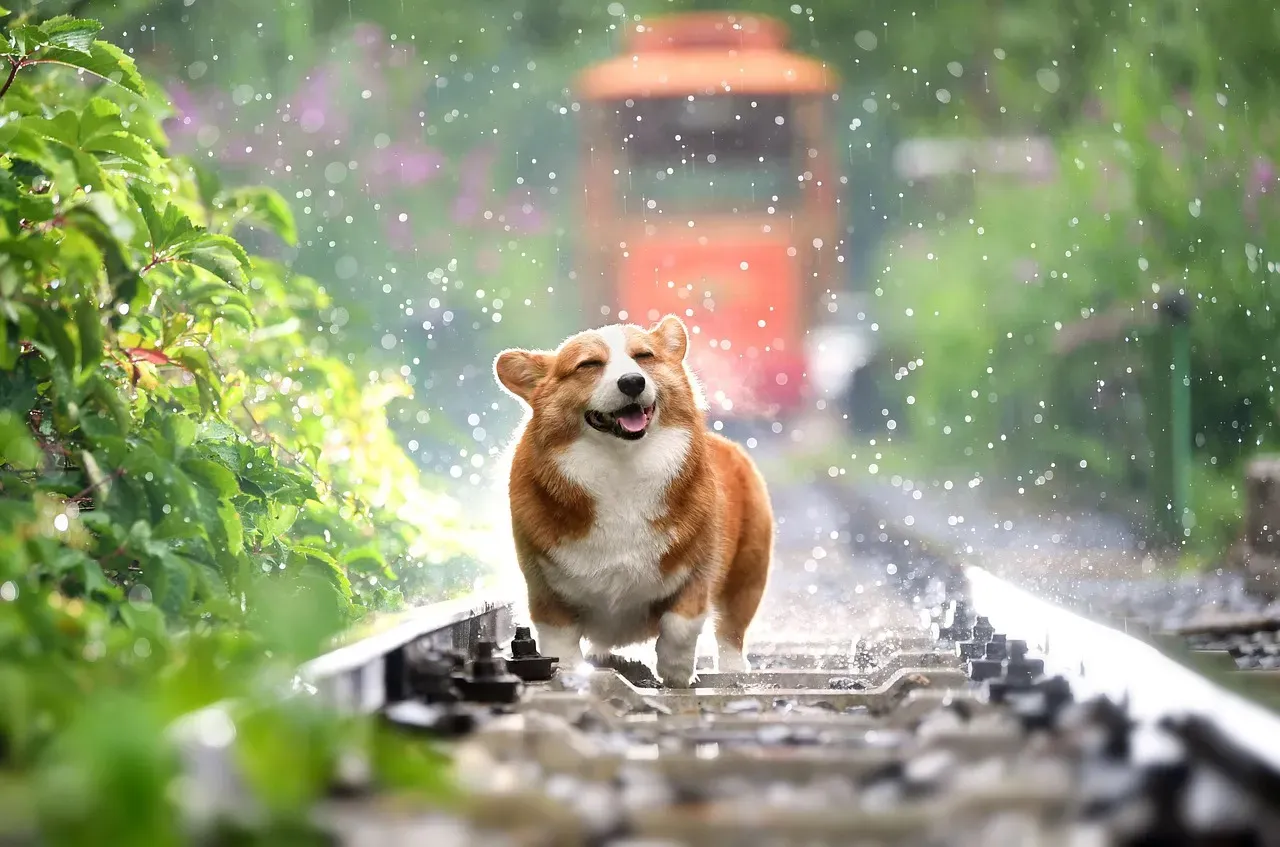
When you see a dog with their tail up and fully wagging, their ears and mouth relaxed, they’re showing happiness, which many experts call the “happy face.” A happy dog has body language that is relaxed and loose, which might result in a full body wiggle where they seem to be wagging their whole body, also known as the “Happy Dance”.
Watch how your dog moves when you come home or when it’s dinnertime. If your dog is wagging its tail in a circle, it is showing you that it is very happy and joyful. The entire body gets into it, creating this wonderful ripple effect that starts at the nose and ends at the tail tip. Some dogs literally can’t contain themselves and bounce around like they’ve got springs in their paws.
A happily wagging tail will be relaxed and make broad strokes, while slower broad strokes may indicate that your dog is feeling a bit shy, and faster broad strokes can indicate excitement. Think of it like reading a text message, the speed, height, and direction all add nuance to what they’re trying to tell you.
Their Face Tells a Thousand Stories

Let’s be real, dog faces are incredibly expressive once you know what to look for. Soft eyes, relaxed ears, and an open, gentle mouth are all hallmarks of a truly happy dog. You’ll often see what looks remarkably like a smile, with their mouth slightly open and tongue lolling out in pure contentment.
Happy dogs will often have their mouth slightly open, their jaw relaxed, and their tongue just hanging out in pure bliss. Happy dogs have that unmistakable sparkle in their eyes, almost like they’re smiling at you without using their mouth. It’s hard to describe until you’ve seen it, but there’s this softness in their gaze that just radiates wellbeing.
The opposite is equally telling. If you notice your dog showing the whites of their eyes, pinned-back ears, or a tight, closed mouth, something’s making them uncomfortable. Context matters enormously here. A dog might have their ears back because they’re curious about something, not necessarily scared.
Appetite and Sleep Patterns Speak Volumes

A happy dog is usually a hungry dog or at least one who gets excited about mealtime. When dogs are content and feeling secure, they maintain consistent eating habits and approach their food bowl with genuine enthusiasm.
If your dog is stressed or ill, they may refuse food, and while every dog has different eating habits, it’s important to check that they are consistent. Suddenly turning away from their favorite treats or showing disinterest in dinner when they’re usually food-motivated can signal that something’s amiss in their emotional or physical state.
Sleep is another massive indicator. Healthy adult dogs sleep 12 to 14 hours per day. More importantly, where and how they sleep tells you everything. Dogs who snooze on their back with all four paws in the air or sprawled out like a starfish feel very comfortable and safe in their environment, as their belly is left exposed, a vulnerable spot, meaning they trust you completely.
Playfulness and Social Butterfly Behavior

Happy dogs are naturally playful, initiating games, chasing after toys, or even running wild with the occasional burst of “zoomies”. If your dog frequently displays energy and willingness to engage, it’s a strong sign of their happiness. The classic play bow, where your dog has their chest lowered to the ground and their rear end extended up in the air, is a good indication that they are happy and feeling friendly.
Most happy dogs often behave like social butterflies with their humans, craving attention, loving playing with you, or may even shadow your every move. They’re not clingy in an anxious way, but rather genuinely enjoy being part of your daily routine. They’ll follow you from room to room, not out of fear of being left alone, but because they simply want to be near you.
If your pup is social at the dog park, friendly with other family pets, and not overly aggressive to new animals, these are all signs they’re in a good mood. That said, every dog has their own personality. Some are natural extroverts while others are more reserved, and both can be equally happy.
The Absence of Stress Signals
Sometimes knowing your dog is happy means recognizing what’s not there. Happy dogs are unlikely to destroy your home or act “naughty,” as excessive chewing or destructive behavior, particularly in an adult dog, could be a sign of stress or boredom.
Dogs yawn when they are tired or bored, but they also yawn when stressed, with a stressful yawn being more prolonged and intense than a sleepy yawn, and dogs may also drool and lick excessively when nervous. Pacing or shaking can indicate agitation or fear, especially if it happens in specific situations.
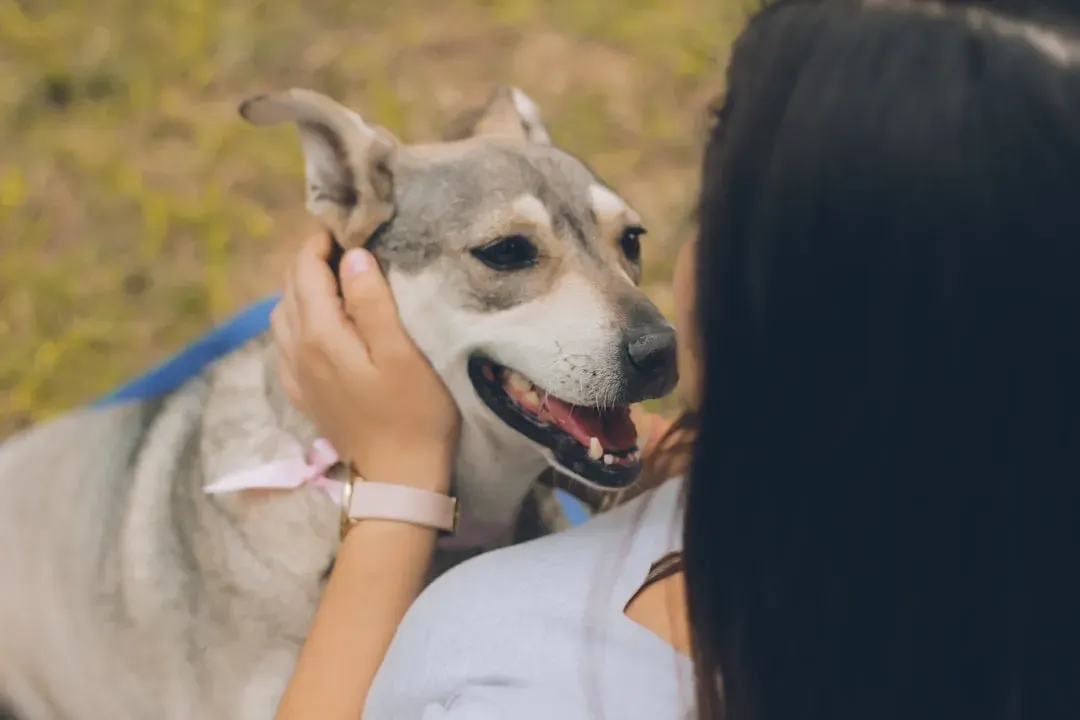
Happy dogs make a lot of body contact, and if your dog reacts, stays close, or even leans in toward your hand during petting, they’re enjoying the contact, whereas staying just out of reach or walking away could be a sign they need more space. Pay attention to how your dog responds to affection. Do they lean into your touch, roll over for belly rubs, or seek you out for cuddles? These are all positive signs.
Ultimately, all dogs are individuals, and some may have other ways of showing happiness or contentment, and it’s important to be on the lookout for variations from your dog’s norm, which may indicate stress, anxiety, or illness. Learning your specific dog’s baseline behavior is key. What’s normal for a laid-back Basset Hound looks very different from what’s normal for a high-energy Border Collie.
Conclusion: Trust Your Instincts and Their Signals

Being a dog parent means constantly learning and adapting to what your individual companion needs. The signs of happiness aren’t always flashy or obvious. Sometimes it’s as simple as noticing your dog settling down with a contented sigh after a good walk, or the way they greet you at the door with unbridled enthusiasm every single day.
The beautiful thing about dogs is their honesty. They don’t fake their feelings or hide their emotions behind polite smiles. When they’re happy, you’ll see it in every wiggle, every relaxed nap in a sunny spot, every eager approach when you call their name. When they’re not, they’ll tell you that too, if you’re watching closely enough.
Creating a happy home for your dog means meeting their physical needs with proper food, exercise, and veterinary care, but it also means tending to their emotional wellbeing with consistency, patience, love, and understanding. What do you think your dog would say about their life with you? Take a moment today to really observe them, you might be surprised by what you discover.


