

You know that feeling when you walk through the door and your dog greets you like you’ve been gone for years, even though it’s only been twenty minutes? That’s joy, right? Well, maybe. The thing is, happiness in dogs isn’t always loud or obvious. Sure, some pups are theatrical about it, but others? They speak in whispers.
I think most of us assume we know when our dogs are happy. The wagging tail, the sloppy grin, the zoomies across the living room. Those are the easy ones. What’s trickier, though, are the quieter signals that reveal contentment, security, and genuine well-being. Let’s be real, our dogs can’t sit us down and say, “Hey, I’m doing great,” so we have to become detectives of their emotions. Let’s dive in.
That Loose, Wiggly Body Language Speaks Volumes
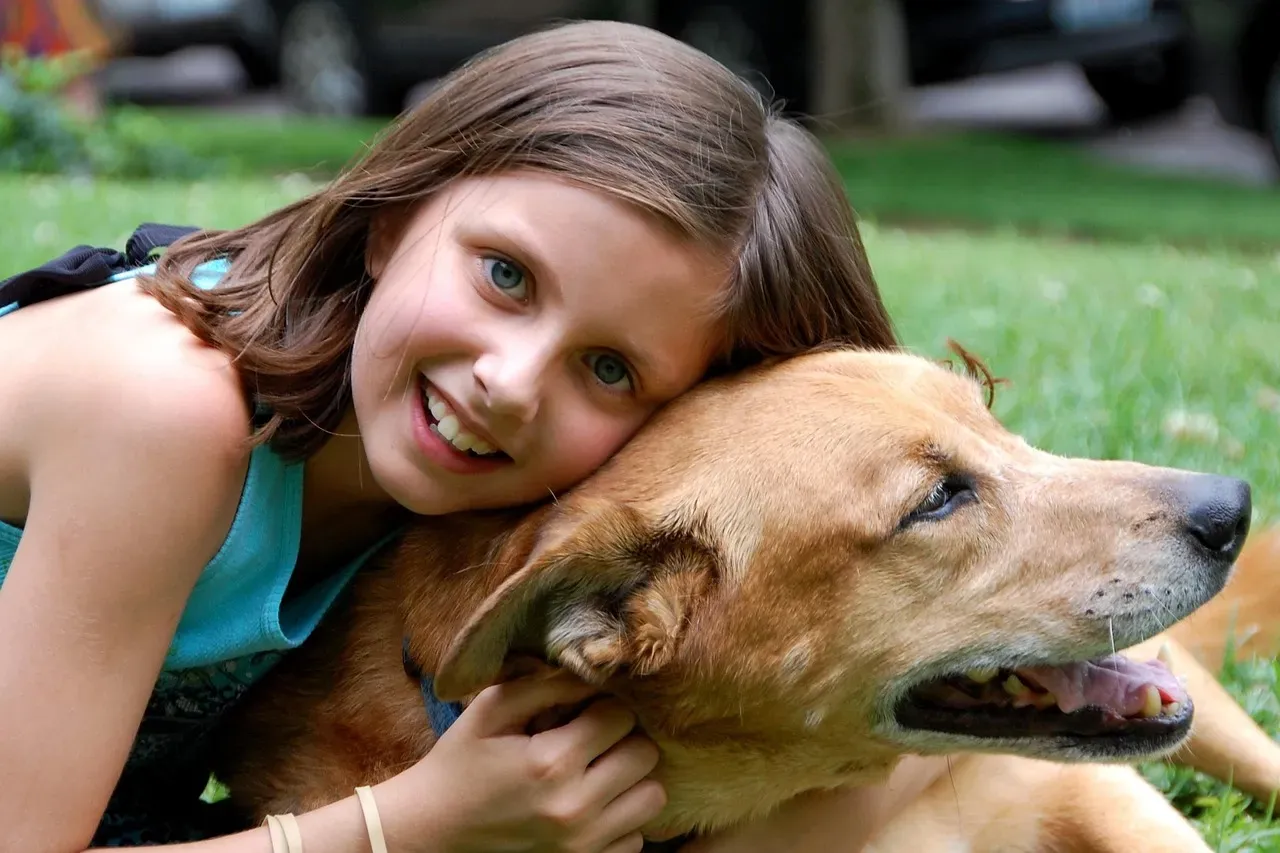
A happy dog has body language that is relaxed and loose, which might result in a full body wiggle where they seem to be wagging their whole body. Think of it like this: tension lives in tight muscles, hunched shoulders, or a stiff posture. Happiness? It flows.
Look for loose muscles and a casual stance, with a joyful dog lounging comfortably in stretched-out positions or softly curling up. When your dog flops on the floor with their legs sprawled every which way, that’s not laziness. That’s trust. They feel safe enough to let their guard down completely.
A happy dog likely has a relaxed posture, an open mouth, ears in a natural position and a wagging tail. Watch how they move through the house or during walks. Is there bounce? Fluidity? Or do they seem hesitant and rigid?
Soft Eyes and a Gentle Gaze Are the Real Deal
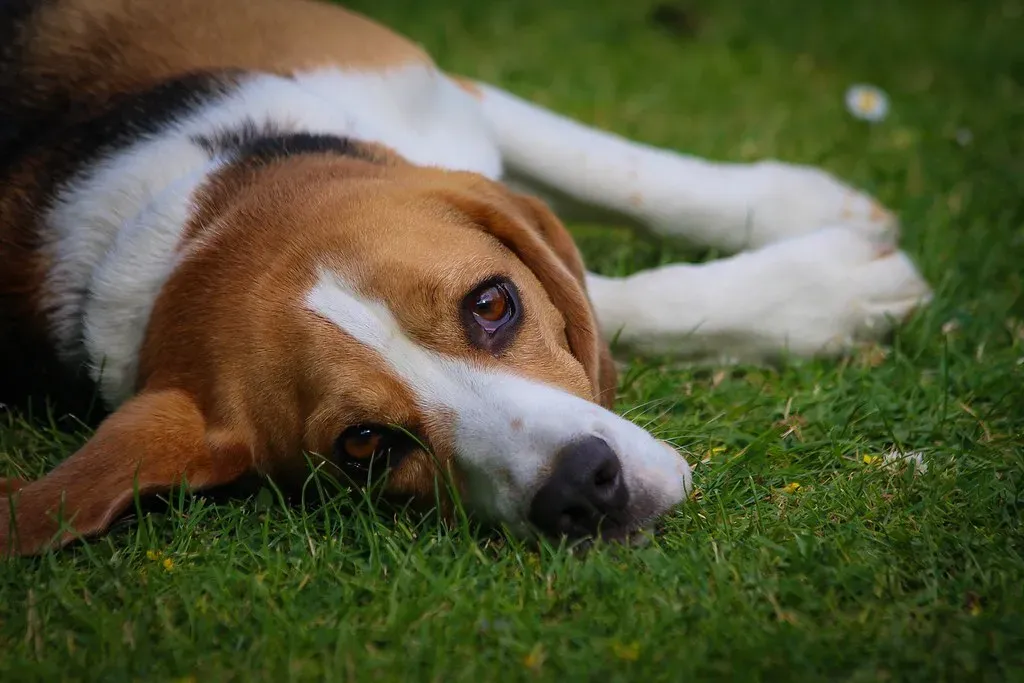
Eyes don’t lie. Honestly, I find this one of the most touching indicators.
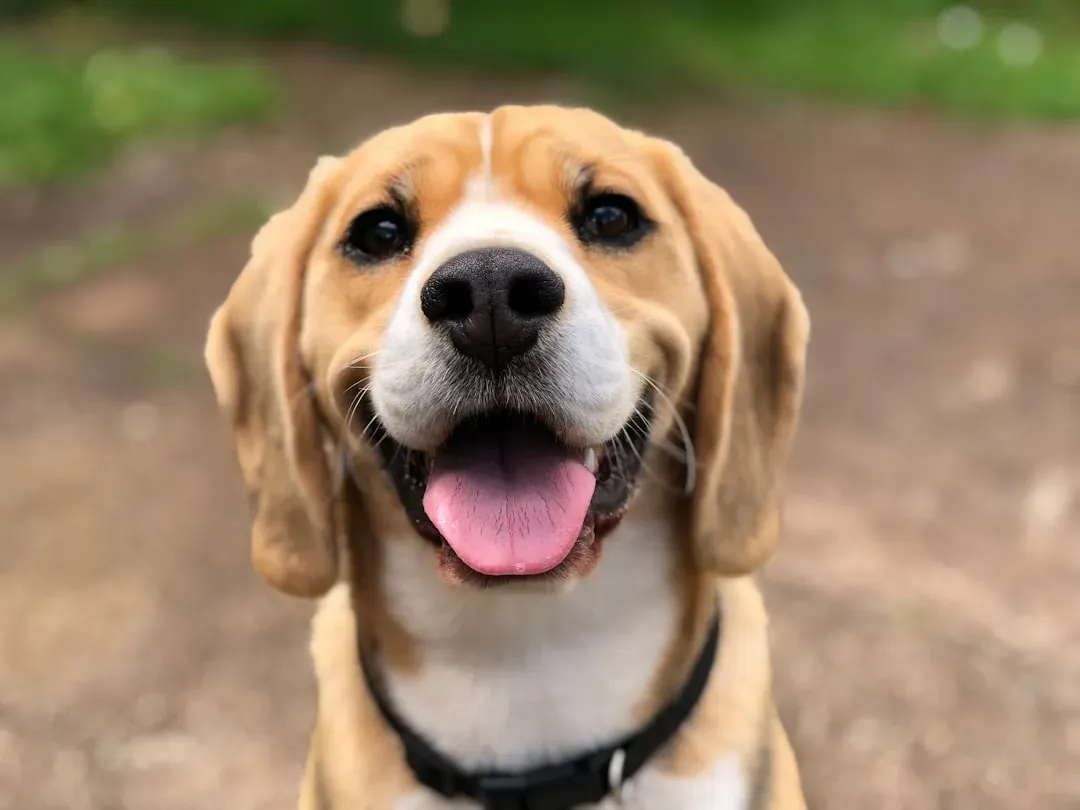
When a dog is happy, their eyes and eyelids will be open and relaxed, their gaze will be soft, and they will blink often. You know that dreamy, half-closed look your dog gives you when they’re lying beside you? That’s contentment right there.
Soft eyes, relaxed ears, and an open, gentle mouth are all hallmarks of a truly happy dog. Compare that to a dog who’s stressed: their eyes might look hard, with visible whites, or they might avoid eye contact altogether. Context matters, but soft eyes paired with a relaxed face? That’s a dog at peace.
The Tail Wag Isn’t Always What You Think It Is
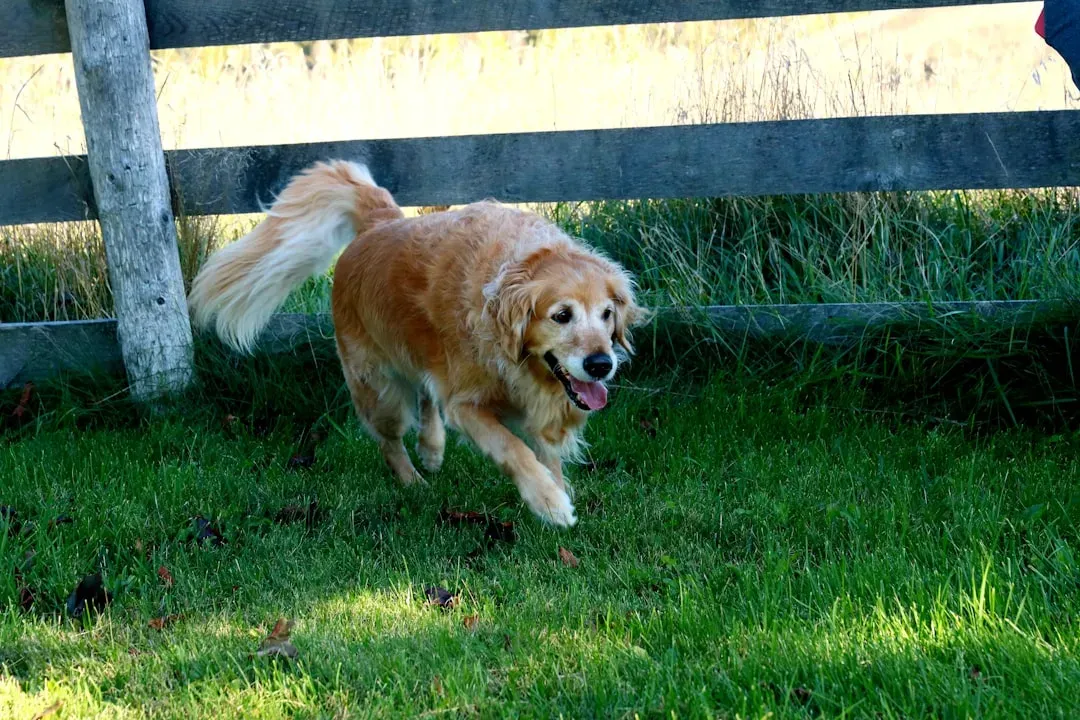
Here’s the thing: not all tail wags are created equal. Tail wagging may not always be an indication of friendliness or happiness, though it can express positive emotions, it’s also an indication of fear, insecurity, or even a warning that the dog may bite.
A gentle, loose tail wag can indicate happiness in a dog, with dogs that are feeling happy wagging their tail slowly and widely from side to side, with their tail in a neutral position or slightly raised. It’s that big, sweeping, whole-body wiggle wag that really tells you they’re thrilled.
The helicopter tail wag, where the dog’s tail spins in a circle, is without question a happy wag. If your dog does this when you come home, consider yourself deeply loved. The speed, height, and direction all matter, so pay attention to the full picture, not just the motion itself.
Playfulness and Curiosity Show a Thriving Mind
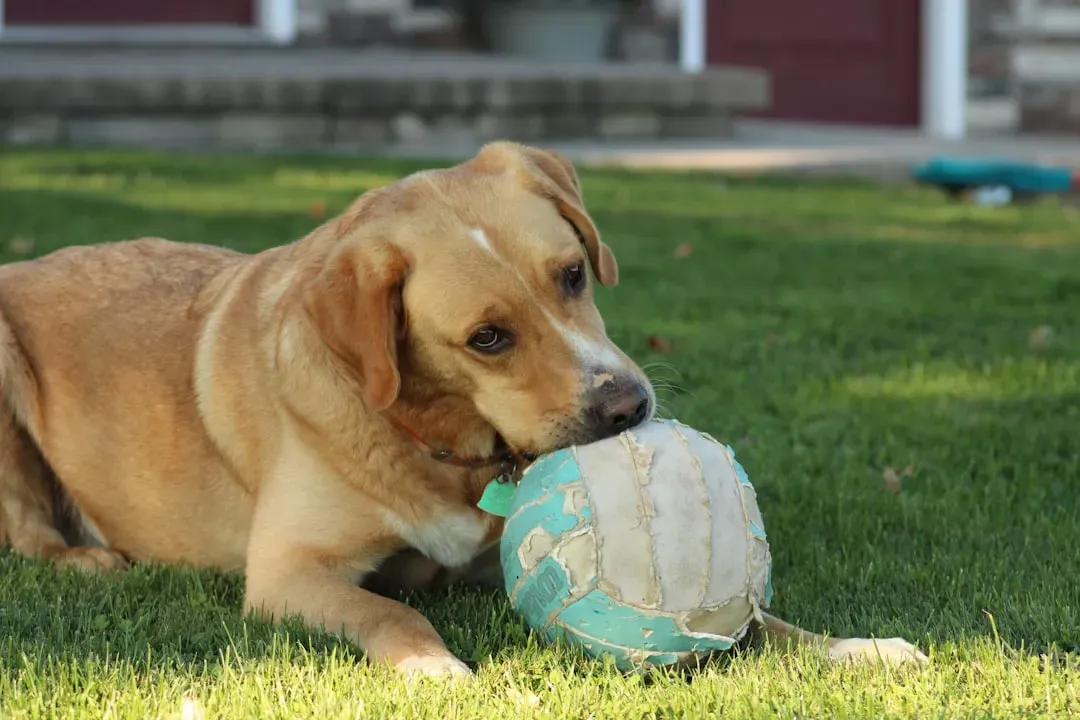
Dogs that feel safe and happy are typically eager to play and interact with their humans or other pets, whether it’s chasing a ball, tugging on a rope toy, or zooming around the yard in excitement. Playfulness isn’t just about energy. It’s about feeling good mentally and emotionally.
Dogs in a happy, playful mood may scooch their chest down to the floor with their bottom in the air in a stance called a play bow, which they do before a play session to signal that they are ready to play. That little bow is an invitation, a gesture of joy and friendliness.
Safe and happy dogs are curious about the world around them, sniffing around during walks and greeting new people or other dogs with interest. A dog who explores, investigates, and engages with their surroundings is a dog who feels secure.
They Seek You Out for Affection and Connection
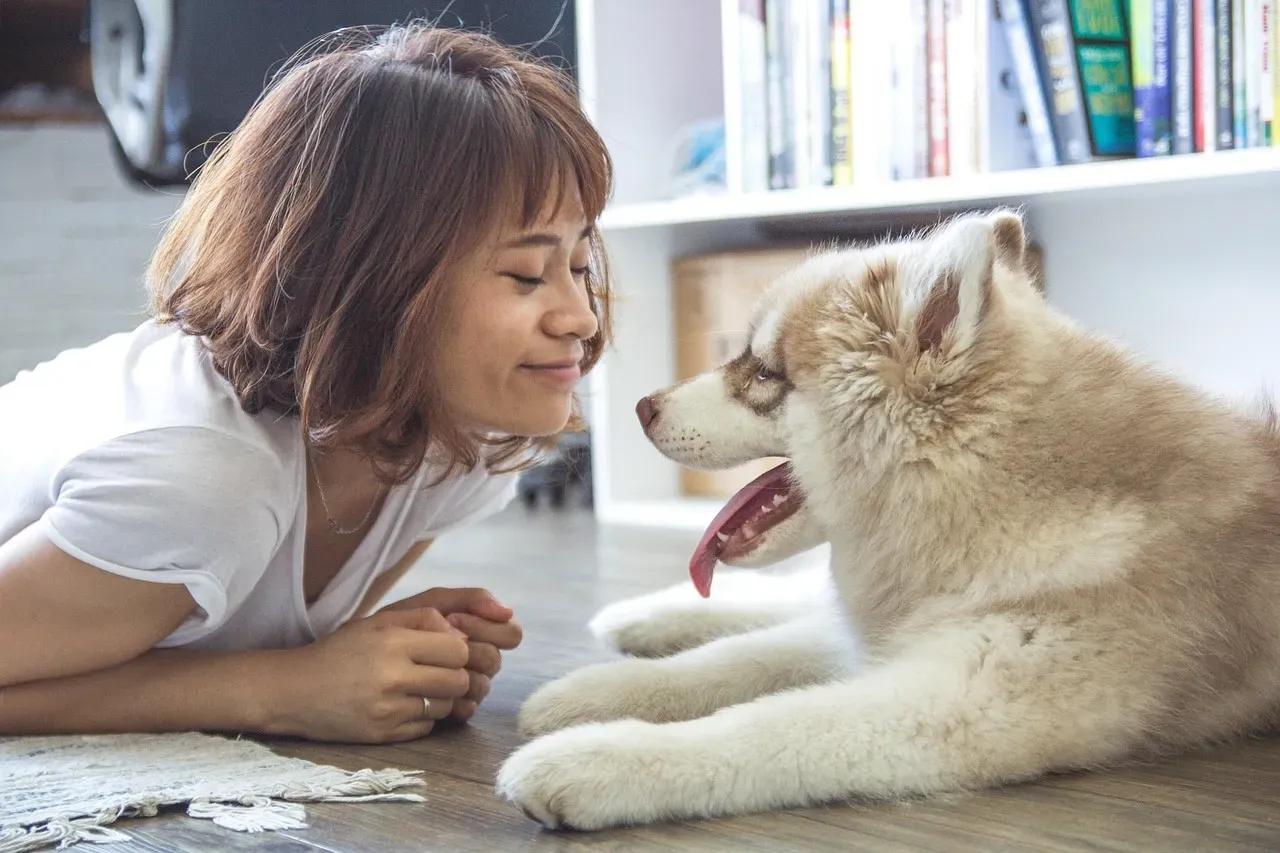
A friendly dog who is feeling happy will likely seek out some affection from you at some point, which might be in the form of leaning against you, lying beside you, or asking for pets. This one melts my heart every time.
Happy dogs make a lot of body contact, and if your dog reacts, stays close, or even leans in toward your hand during petting, they’re enjoying the contact. That gentle lean? It’s like a hug in dog language. They’re saying, “I’m happy here with you.”
Dogs are naturally affectionate creatures, and when they feel safe and happy, they’ll show it through cuddling, licking, nuzzling their head against you, or even following you from room to room. Some dogs are more independent, sure, but consistent, gentle affection is a strong indicator of emotional well-being.
Healthy Appetite and Restful Sleep Are Quiet Clues
Sudden changes in appetite can indicate health or emotional issues, so when your dog eats well and enjoys their food, it’s a strong indicator of overall happiness. Of course, individual dogs have different eating styles, but consistency is key. If your usually enthusiastic eater suddenly loses interest, something’s up.
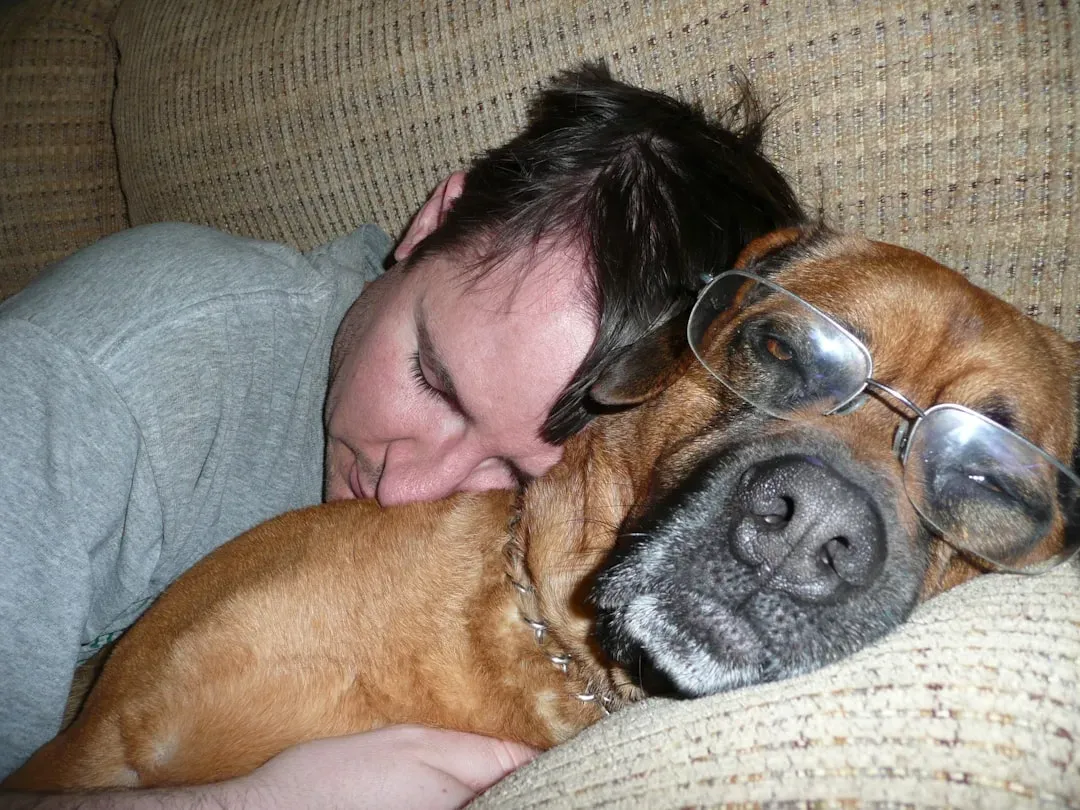
Healthy adult dogs sleep 12-14 hours per day. A dog who sleeps soundly, stretches out comfortably, and wakes up refreshed is a dog whose needs are being met. Sleep quality tells you a lot about stress levels and overall contentment.
Dogs can show you they’re happy even when they’re fast asleep, and if you catch your pup sleeping on their back, this funny position is a clear sign your dog feels content because their body language shows they likely feel safe and comfortable in their environment. That vulnerable belly-up position? That’s pure trust.
Conclusion: Reading the Full Picture of Canine Happiness
Happiness in dogs is layered, nuanced, and deeply individual. It’s not just about one big tail wag or a single play bow. It’s about the sum total of their body language, their willingness to connect, their curiosity, and their comfort in their own skin.
The more you pay attention to these subtle signs, the more fluent you become in your dog’s emotional language. You’ll start noticing things you missed before: the softness in their eyes when you sit beside them, the way they sigh contentedly after a good walk, the tiny tail wag when you say their name. These are the moments that matter.
Your dog is telling you how they feel every single day. All you have to do is listen with your eyes and your heart. What do you think? Have you noticed any of these signs in your own dog? Tell us in the comments.


