
Every dog lover wants to know one thing: is my furry friend truly happy? We all recognize the obvious signals, like the enthusiastic tail wags when you come home or those goofy grins they flash after a good meal. Yet, here’s the thing. True canine happiness goes beyond those surface-level cues, and there are subtle, unexpected signs that can reveal just how content your pup really feels.
Understanding these quieter signals isn’t just about curiosity. It’s about giving your dog the best life possible. Dogs can’t tell us in words when something’s off or when they’re absolutely thriving, so learning their silent language becomes essential. Let’s dive into the surprising ways your dog shows happiness that you might be missing.
Their Sleep Positions Tell A Deeper Story
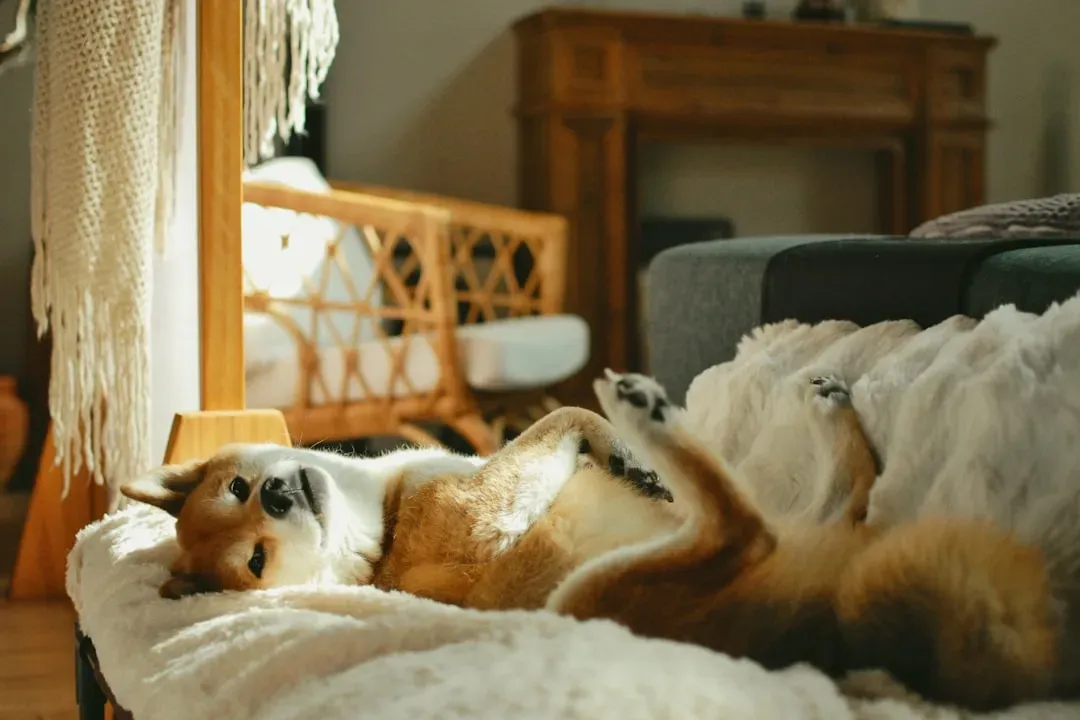
Dogs who snooze on their back with all four paws in the air or sprawled out like a starfish feel very comfortable and safe in their environment, as their belly is left exposed, which is a vulnerable spot, meaning they trust you completely. Think about it. A dog sleeping belly-up is basically saying they feel zero threat in your home.
Healthy, happy adult dogs usually sleep for up to 16 hours a day. If your pup isn’t hitting that mark, something might be causing stress or discomfort. Honestly, watch how they settle into sleep. A dog who feels safe will sleep deeply, change positions, and relax their jaw and paws. Those little dream twitches and quiet yips during REM sleep show they’re secure enough to fully let go.
The Wiggle Factor Is Real
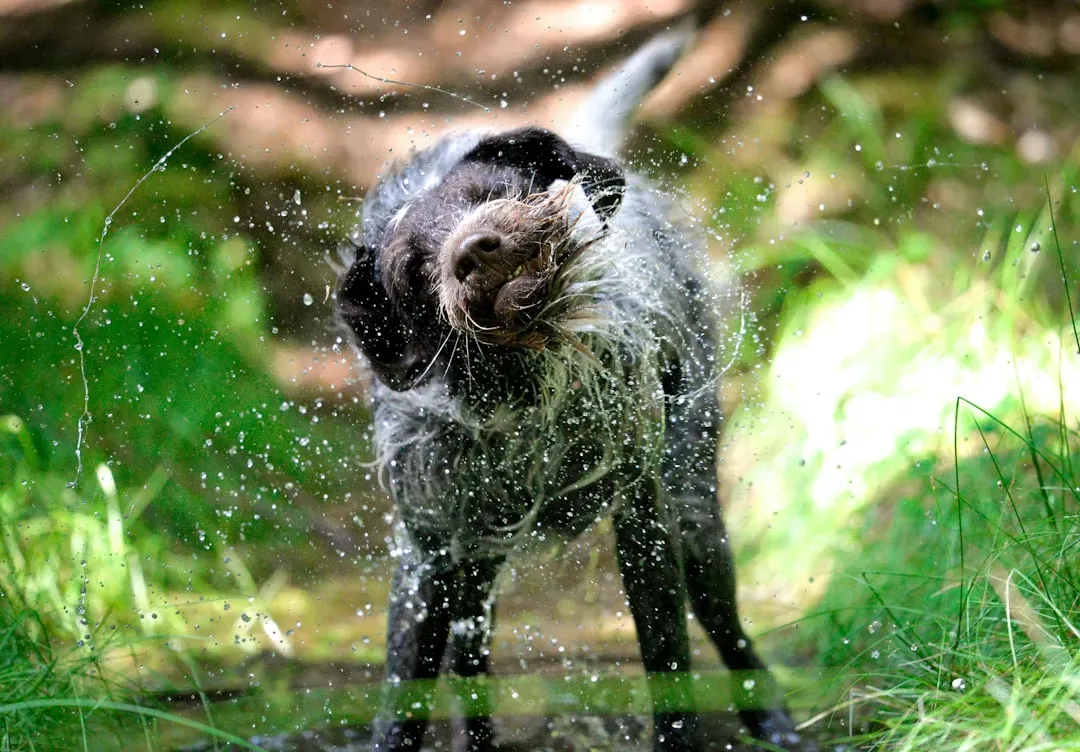
When a dog is happy, their whole body and tail will look relaxed, and they quite often wiggle, with a happy dog’s whole body wagging along with their tail. It’s not just about the tail itself. I’ve noticed the happiest dogs almost seem liquid, moving with this effortless flow that radiates contentment.
Dogs may hop or squiggle back and forth, also known as the ‘Happy Dance’. Watch for those spontaneous moments when your dog bounces from side to side or does that adorable little dance. If your dog is wagging its tail in a circle, it is showing you that it is very happy and joyful. That circular helicopter wag paired with a wiggling bottom is pure joy in motion.
Soft Eyes And Gentle Gazes Matter More Than You Think
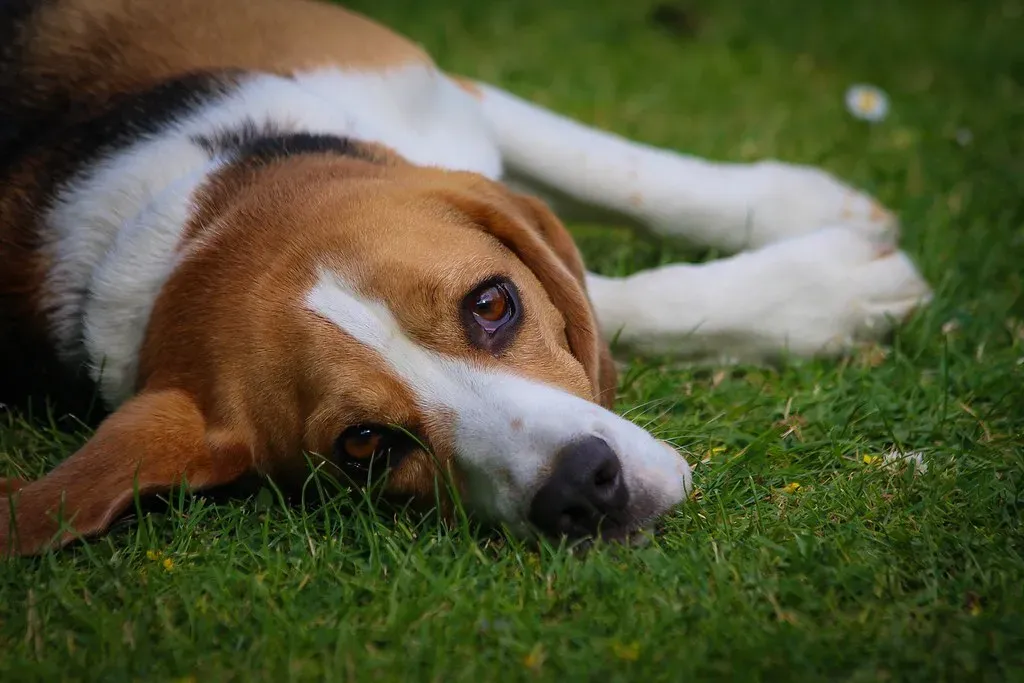
When a dog is happy, their eyes and eyelids will be open and relaxed, their gaze will be soft, and they will blink often. This might seem minor, but those soft eyes communicate safety and trust in ways that go beyond words. Let’s be real, when your dog looks at you with that relaxed, squinty gaze, it melts your heart for a reason.
A happy dog has a soft gaze with eyes opened wide, and they may also blink their eyes frequently. Compare this to wide eyes showing the whites, which signals fear or stress. A soft, squinty gaze with the pupil not dilated is what you’re looking for. The difference becomes crystal clear once you start paying attention.
Curiosity And Purposeful Sniffing Show Emotional Security
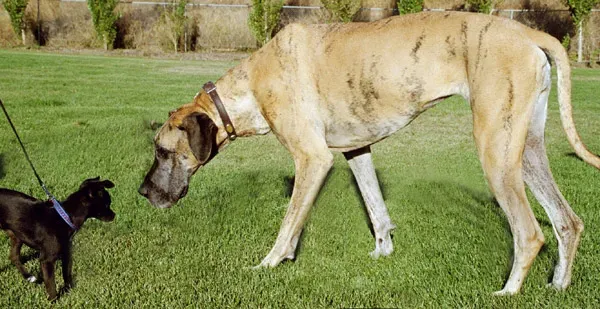
Here’s an unexpected one. Content dogs tend to investigate the world with a steady pace through sniffing, scanning, and moving forward without constant startle responses, with happy dogs often showing purposeful sniffing where they’re engaged but not frantic. A dog who pauses during walks to investigate every bush like a little detective feels secure enough to explore their world.
Curiosity is a strong indicator of a happy dog, as content pups are eager to explore new environments, sniff new smells, and investigate anything that piques their interest. If that curiosity fades, it’s worth checking in. Dogs who suddenly lose interest in their surroundings might be experiencing pain or chronic stress. Pay attention to whether your dog still wants to explore or if they’ve withdrawn from the world around them.
Seeking Contact On Their Own Terms Speaks Volumes
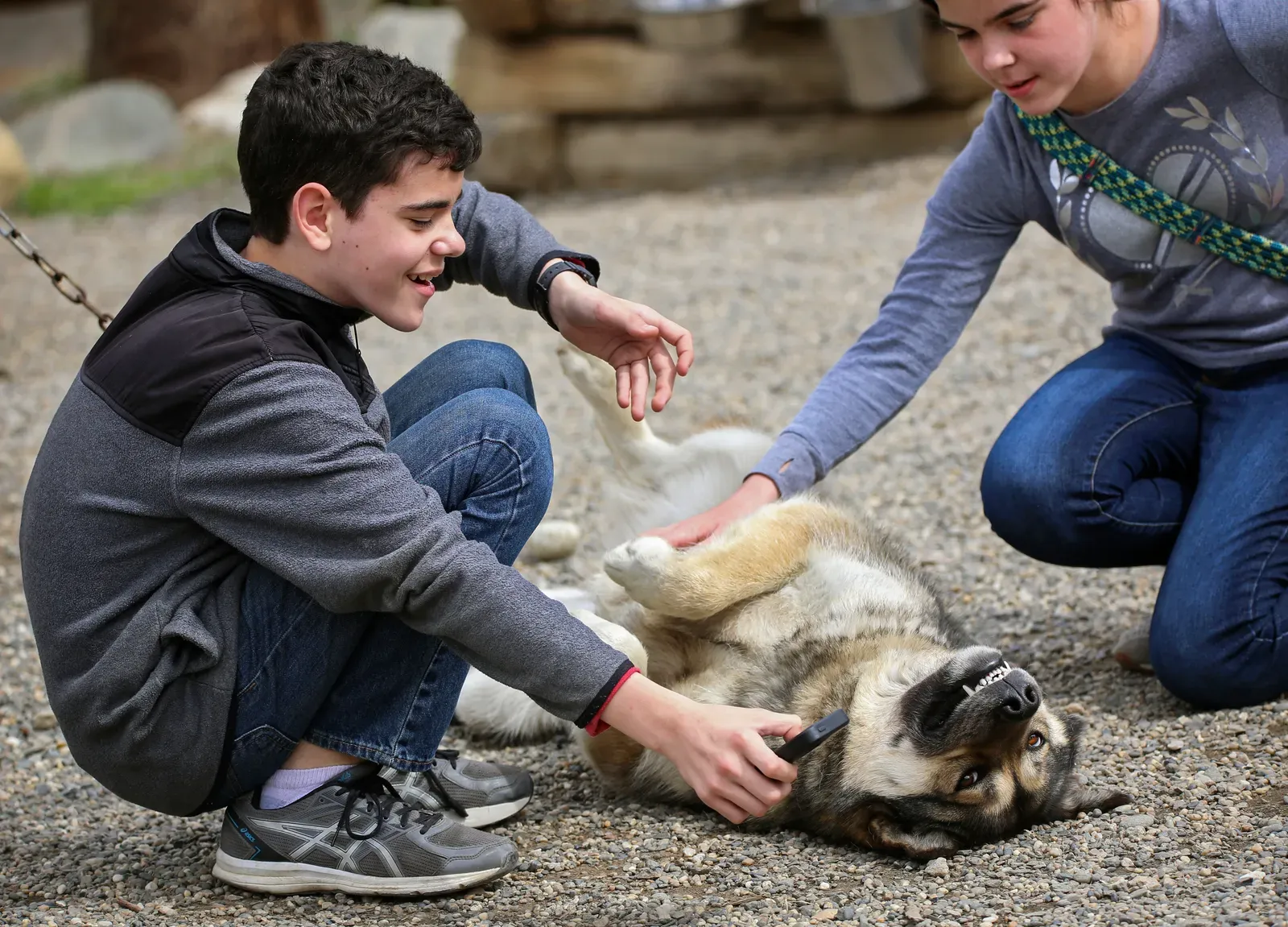
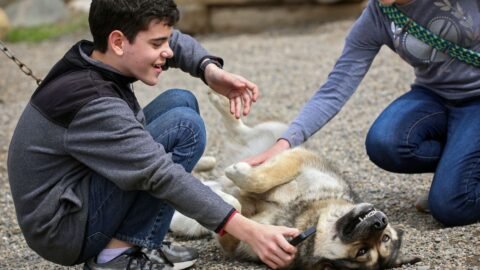
Happy dogs make a lot of body contact, and if your dog reacts, stays close, or even leans in toward your hand during petting, they’re enjoying the contact. The key phrase there is “on their own terms.” A happy dog chooses to be near you, following you around not out of anxiety, but because your presence brings comfort.
A friendly dog who is feeling happy will likely seek out some affection from you at some point, which might be in the form of leaning against you, lying beside you, or asking for pets. It’s those gentle nudges for attention, resting their chin on your knee, or curling up beside you on the couch. Dogs are pack animals at heart who love being around their family, and they might follow you from room to room, nudge you for belly rubs, or curl up next to you on the couch, showing they feel safe, loved, and bonded to you. These gestures aren’t clingy. They’re signs of a deeply happy pup.
A Healthy Appetite Reflects Inner Contentment
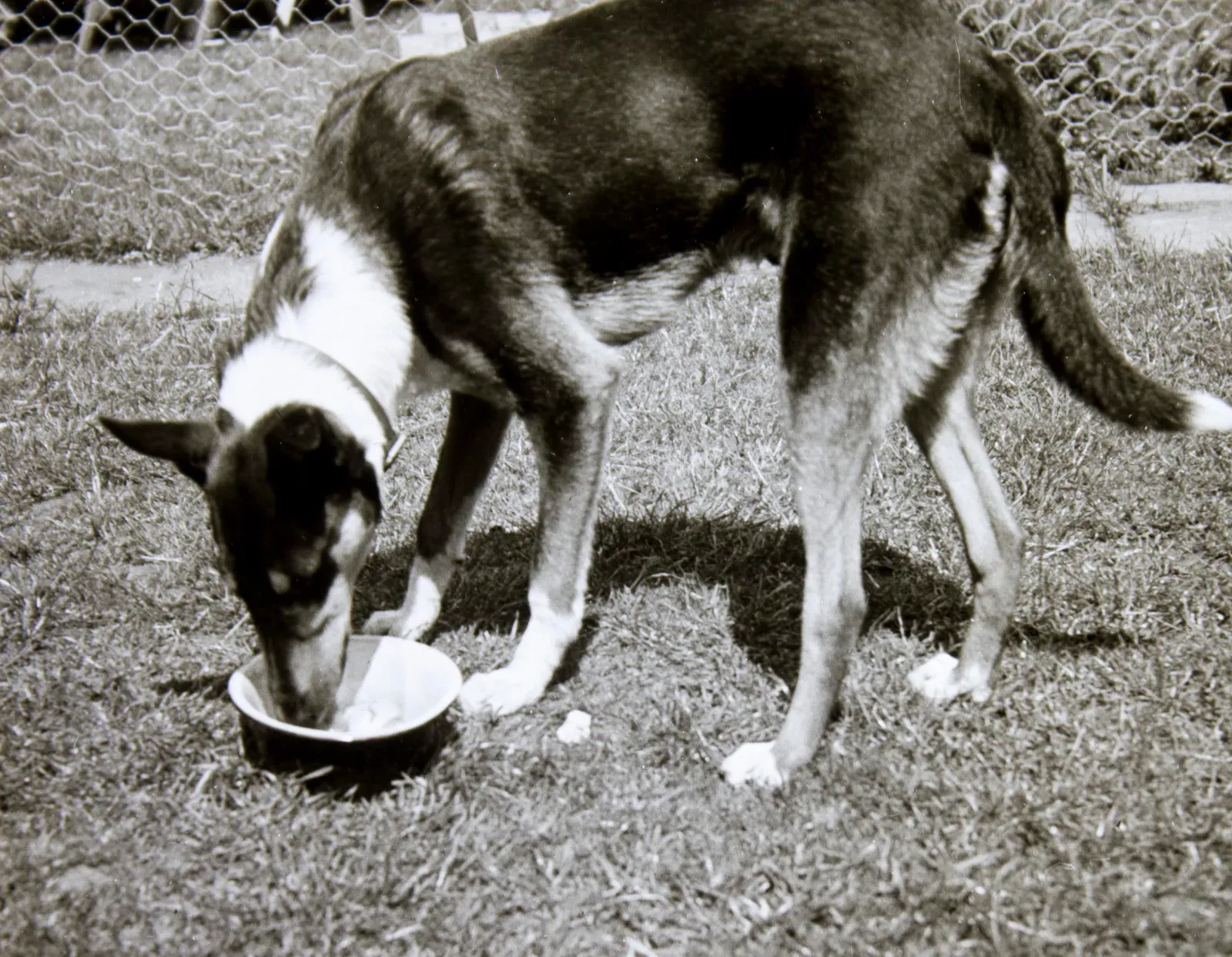
A happy dog is usually a hungry dog or at least one who gets excited about mealtime, and if your pup greets their food bowl with enthusiasm and can’t wait for you to hand over that treat, it’s a good sign they’re feeling content and healthy. Mealtime enthusiasm isn’t just about being food-motivated. It reflects emotional balance and wellbeing.
If your dog is stressed or ill, they may refuse food, and while every dog has different eating habits, it’s important to check that they are consistent, such as if your dog’s favourite time of the day is dinnertime and they start to show a lack of interest in eating. Sudden changes in appetite signal that something’s shifted, either physically or emotionally. Keep your dog’s baseline in mind and notice any deviations from their normal eating patterns.
What’s your take on these signs? Have you noticed any unexpected happiness signals in your own dog? Understanding these subtle cues strengthens the bond you share and ensures your loyal companion lives their best, most joyful life. Keep watching, keep learning, and most importantly, keep loving that tail-wagging friend of yours.


