
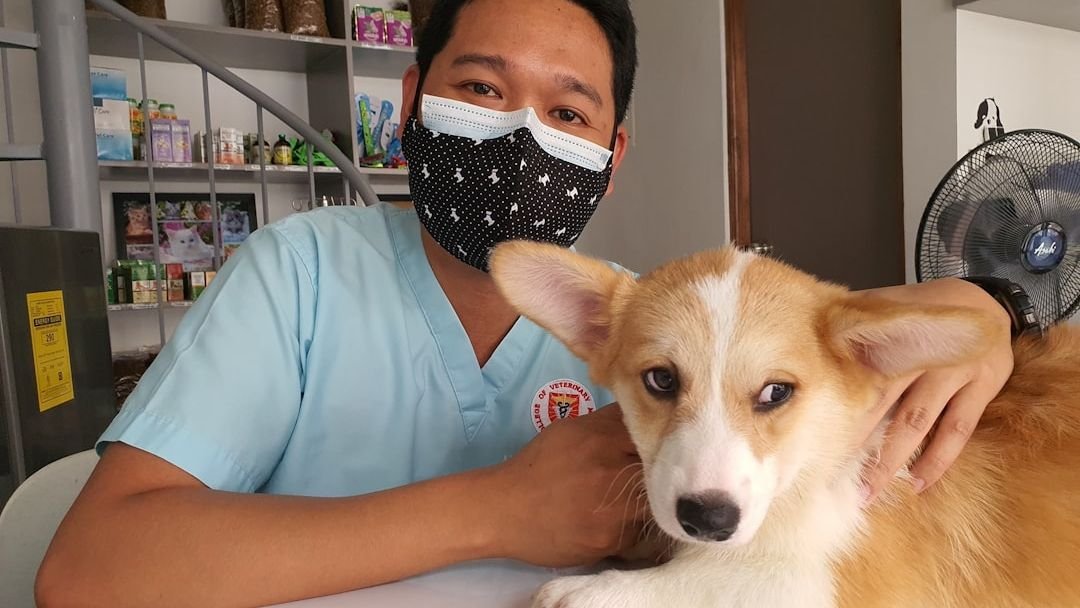
You know that feeling when your dog sees the leash come out and suddenly their tail is wagging, ears are perked up, and they’re bouncing with excitement? Now imagine the exact opposite. Imagine your pup catching sight of the vet clinic parking lot and instantly freezing, trembling, or trying to drag you back to the car. If you’ve witnessed this heartbreak, you’re definitely not alone. Over half of dogs experience veterinary-related stress before they even enter the clinic waiting room, and honestly, that’s a staggering number when you think about it.
Here’s the thing. Your dog isn’t being difficult or dramatic. They’re genuinely scared, and those vet visits that seem routine to us feel like full-on sensory overload to them. Strange smells, unfamiliar hands poking and prodding, other anxious animals nearby – it’s a lot. The good news? There are practical, compassionate ways to help your anxious dog feel safer and calmer during these necessary trips. Let’s dive into what really works.
Recognize the Signs Your Dog Is Struggling

Before we can help, we need to understand what fear actually looks like in our dogs. Sometimes it’s obvious – think whimpering, cowering, or outright refusal to move. Other times, the signs are subtler: a tucked tail, lowered head, trembling, lip licking, or even rolling over to expose the belly. Some dogs will yawn repeatedly when they’re stressed, and no, they’re not tired. They’re trying to self-soothe.
Many dogs show their fear through submissive urination, panting, drooling, avoidance, or even growling and snapping. If your dog suddenly becomes rigid or tries to hide behind you, that’s fear talking. Pay close attention to body language during the entire visit, not just in the exam room. Does your dog’s breathing change in the parking lot? Do their ears pin back the moment you walk through the door?
Learning to read these signals will help you intervene early, before your dog’s anxiety escalates into a full panic response. It’s hard to say for sure, but I think many owners miss these early warning signs simply because they’re focused on getting through the appointment. Slowing down and tuning in makes all the difference.
Start Training at Home Long Before the Appointment
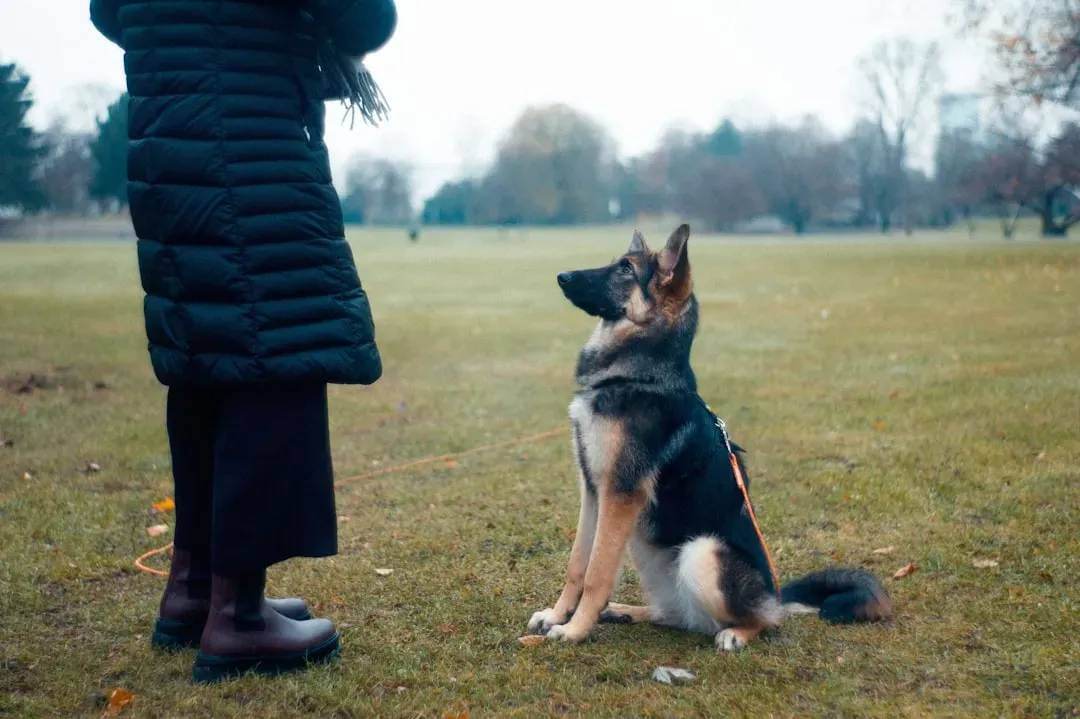
One of the smartest things you can do is prepare your dog at home, well before any actual vet visit happens. Cooperative care training involves preparing your pet for veterinary care early, teaching them to be willing participants in their healthcare experiences, including handling of paws, ears, and mouth. This is massive. Think about it – if your dog is already comfortable with you touching their ears or lifting their lips to check their teeth, the vet doing the same thing won’t feel as invasive.
Start with simple handling exercises, adding massage into daily interactions when your dog is tired, including the paws, ears, mouth, belly, and tail to simulate a vet’s exam. Pair each touch with something your dog loves, like tiny treats or gentle praise. Go slow. If your dog tenses up, you’ve pushed too far too fast. This isn’t a race.
Teaching your dog to stand on cue is also helpful, as it’s easier for a vet to examine a standing dog, and this can be taught using lure and reward training. You can even practice placing your dog on elevated surfaces if they’re small, since many will be examined on a table. Make it fun, make it positive, and your dog will start to associate these experiences with good things rather than dread.
Schedule Happy Visits and Positive Associations
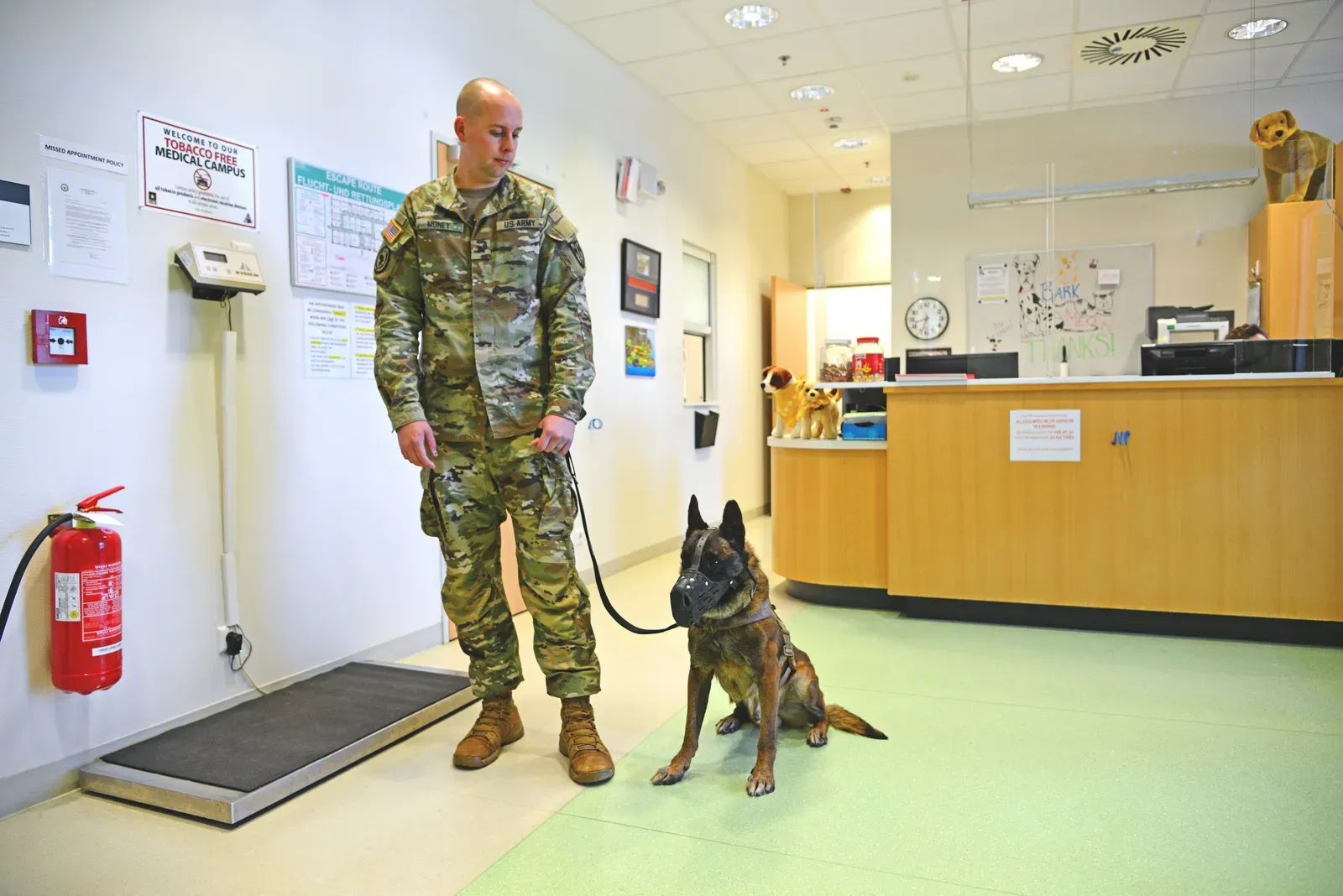
Many dogs only see the vet for exams or when they’re already feeling sick, so it doesn’t take long for them to develop a negative view of the office. This is where happy visits come in, and they’re honestly game-changers. The concept is simple: take your dog to the vet just to say hello. No shots, no thermometers, no scary stuff. Just treats, pets from the staff, and maybe a few minutes hanging out in the lobby.
Ask your vet if you can bring your dog in just to say hi, calling ahead to check office protocols, and have staff stroke your dog and feed treats while you sit in the lobby. This helps your dog pair the smells and sounds of the clinic with positive experiences. Over time, the vet’s office becomes less of a threat and more of a place where good things happen.
Let’s be real – most of us don’t think to do this until our dog is already terrified. Start early if you can, or start now if you haven’t. Even one or two happy visits can begin to shift your dog’s perception. It’s also important that car rides don’t predict a trip to the vet, so take your dog to other places like the dog park or just for a drive.
Prepare for the Day of the Appointment
The day of the vet visit matters just as much as the weeks leading up to it. Keep your pet’s routine as normal as possible before the appointment, and take a long walk beforehand to burn off some energy, which can help reduce pent-up anxiety. A tired dog is often a calmer dog, and giving them a chance to sniff, explore, and release some tension can make a real difference.
Avoid bringing small children to appointments if possible so your pet can have your undivided attention, minimizing distractions and allowing you to focus on keeping them calm. Bring high-value treats – things your dog doesn’t get every day. Think small pieces of chicken, cheese, or whatever makes their eyes light up. Keep feeding them throughout the visit, rewarding calm behavior.
If a loud, crowded waiting room ramps up your nervous pet’s anxiety, ask the front desk staff to place you in an exam room as soon as you arrive, or wait in your car or go for a short walk if a room isn’t available. Advocate for your dog. If they’re overwhelmed, speak up. Most vet teams want to help and are happy to accommodate anxious pets when they know what’s going on.
Communicate Openly With Your Veterinary Team
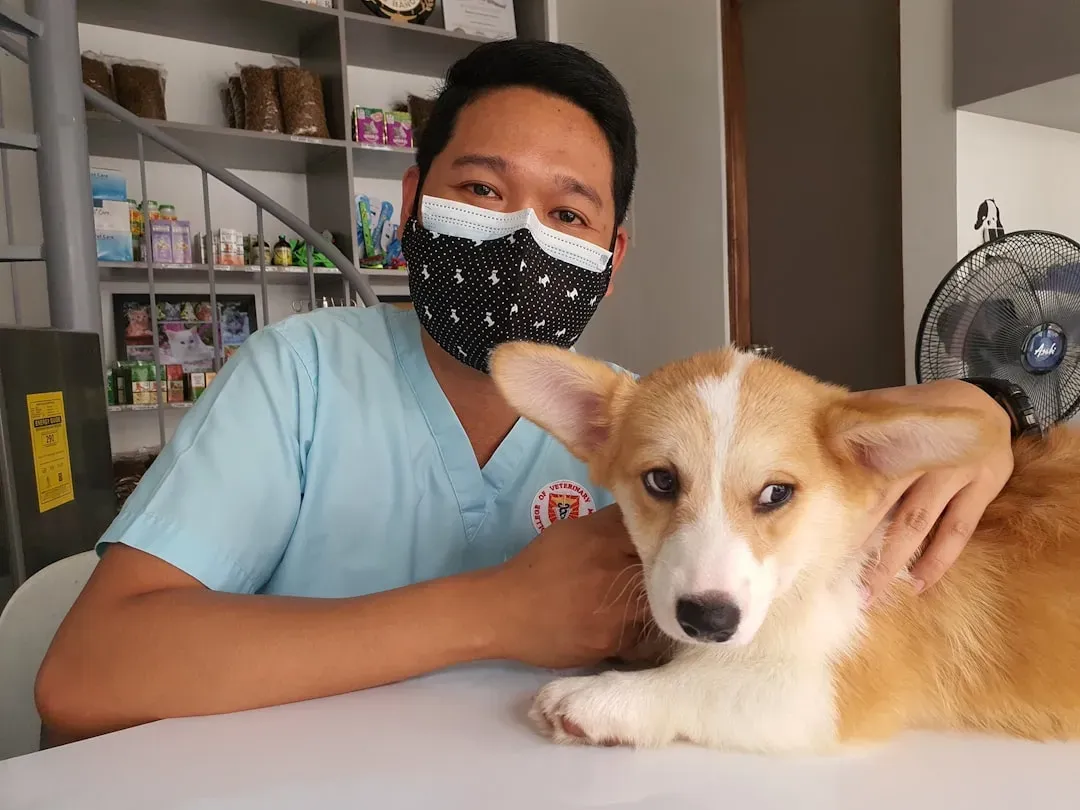
Advocate for your pet by letting the vet know if your pet hates their ears being touched or if they love cheese and belly rubs, as this information helps veterinary staff tailor their approach. Don’t assume the vet will automatically know. You’re the expert on your dog, and sharing details about their triggers and preferences can completely change the tone of the visit.
Ask questions. Can the exam happen on the floor instead of the table? Can certain parts be skipped if they’re not medically urgent? Would it help to have fewer people in the room? Studies show that low-stress interventions that are collaborative and adaptive to the dog’s needs can lead to a greater reduction in distress over time. Your vet should be willing to work with you to find solutions that prioritize your dog’s emotional wellbeing alongside their physical health.
Some clinics are even Fear Free certified, which means the entire team has been trained to recognize and reduce fear, anxiety, and stress in animals. Seeking out these practices can make a world of difference, especially if your dog has severe anxiety.
Consider Calming Aids and Medications When Needed

Sometimes, despite our best efforts, some dogs need a little extra help to get through vet visits. There’s absolutely no shame in this. Peer-reviewed information is available for medications like gabapentin, trazodone, oral transmucosal dexmedetomidine, and alprazolam for ameliorating acute situational fear and anxiety in dogs. These are given before the appointment and can take the edge off without heavily sedating your dog.
If your dog’s sensitivity to triggers like vet visits is mild, talk to your vet about management and desensitization options you can try in addition to medications, such as positive reinforcement training or using a travel crate. Natural options exist too, like calming supplements, pheromone sprays, or even calming treats. Not every dog responds to these, but they’re worth exploring.
The key is having an honest conversation with your vet about your dog’s anxiety level. Treating anxiety in dogs usually starts with a vet visit to discuss concerns and rule out medical causes, and your vet may want you to work with a trainer or behaviorist before starting medications. Medication isn’t a cure-all, but for dogs with moderate to severe anxiety, it can be the bridge that allows them to benefit from training and positive experiences.
Conclusion

Making vet visits less stressful for your anxious dog isn’t about finding one magic solution. It’s about layering strategies – training at home, scheduling happy visits, preparing thoughtfully for appointments, communicating with your vet, and considering calming aids when needed. Dogs that experienced adaptive, collaborative care and low-stress intervention techniques showed a greater reduction in stress over time, which means every small effort you make genuinely adds up.
Your dog relies on you to be their advocate, their safe person, their calm in the storm. Yes, it takes patience. Yes, it takes consistency. Some days it might feel like you’re not making progress, but trust me, you are. Every positive experience chips away at the fear, building a foundation of trust instead. Your dog deserves to feel safe during vet visits, and with time and compassion, you can help make that happen. What’s one thing you’ll try at your dog’s next appointment? Start there, and see where it takes you both.


