

Picture this: You’re at the dog park, surrounded by bouncing, barking, tail wagging chaos. Every pooch seems to be living their best life. Except yours. They’re sitting close to you, watching the madness unfold with what looks like mild horror plastered on their furry face.
Or maybe you’ve noticed that after a busy day with visitors, your dog disappears into another room, curling up in their favorite corner like they’re recovering from a social marathon. Honestly, it kind of looks familiar, doesn’t it? Like maybe your pup is less Golden Retriever energy and more “leave me alone with a good book” energy.
Here’s the thing: dogs have personalities just like we do. Just like people, dogs can be more extroverted or introverted. Some are natural party animals, while others would rather skip the whole scene. Recognizing whether your dog is a secret introvert can make all the difference in their happiness and wellbeing. Let’s dive into the subtle signs that your furry friend might be craving a little more me time.
They Retreat to Their Safe Space More Often Than Other Dogs
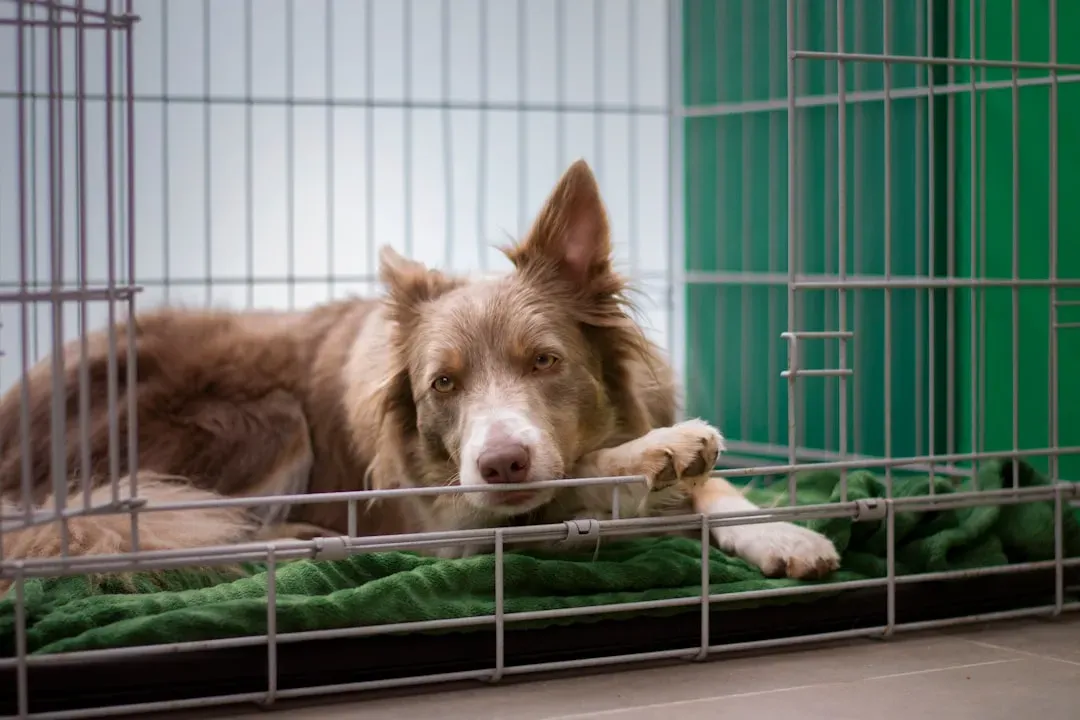
Introverted pups may prefer to spend much of their time alone. They’ll still want to hang out with you and the rest of their favorite people, but they’ll also need plenty of time to do their own thing in their own space.
You might find them slipping away to a quiet bedroom, tucking themselves into their crate, or settling under a table when things get too lively. This isn’t necessarily a sign of fear. You’ll often find introverted dogs resting away from busy areas. They won’t be big fans of dog parks where many canines mingle. Instead, they’ll spend time in their bed or crate, not necessarily because they’re lonely, but because they wish to recharge emotionally.
Think about it like this: after spending hours at a crowded event, don’t you sometimes just need to collapse on the couch in silence? Your dog might feel the exact same way. The difference is they can’t tell you with words – they show you by wandering off to decompress.
New People Make Them Uncomfortable, Not Excited
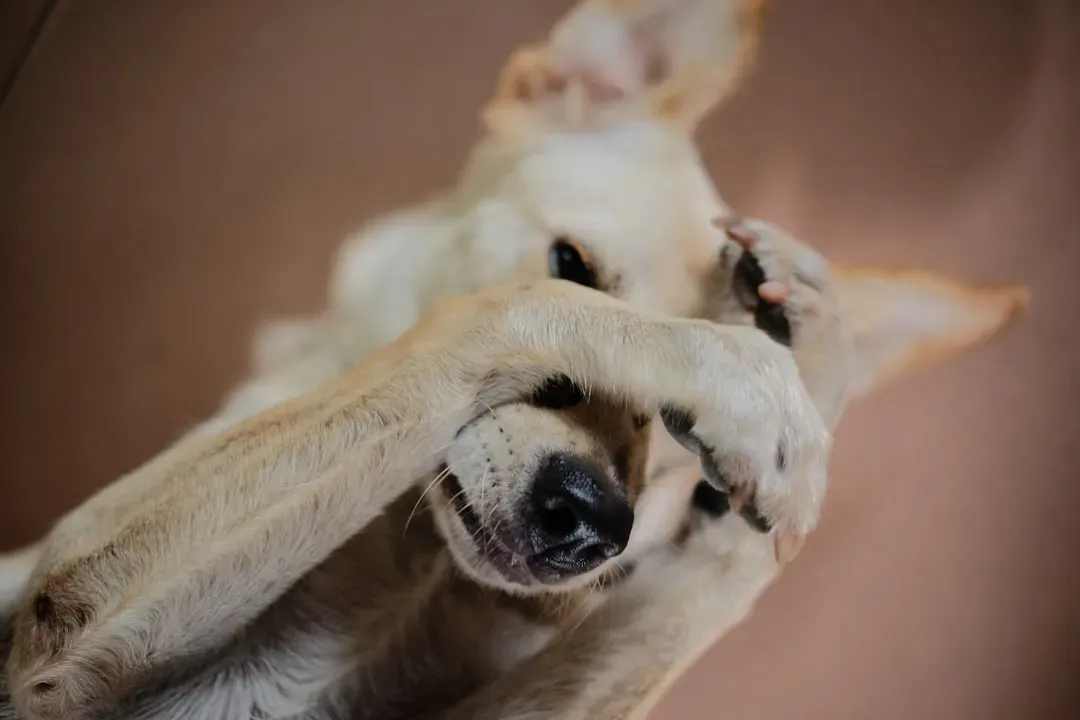
Have you ever noticed your dog behaving timidly when someone new comes to your house? Have you seen them act standoffish with strangers on the street who want to pet them? Then, your pup probably dislikes meeting new people. While extroverted dogs might greet every stranger like a long lost friend, introverts prefer to keep their social circle small and familiar.
Some dogs are just more reserved. They’re not being rude or poorly socialized – they simply don’t enjoy the spotlight or unexpected interactions. Dogs with introverted personalities are similar to introverted humans as they typically prefer social interactions on a smaller scale with one or two people or dogs.
Let’s be real: not every dog wants to be petted by every person who walks by. And that’s perfectly okay. Your introverted dog isn’t broken; they just have boundaries. Respecting those boundaries is one of the kindest things you can do for them.
Crowds and Chaos Drain Their Batteries Fast
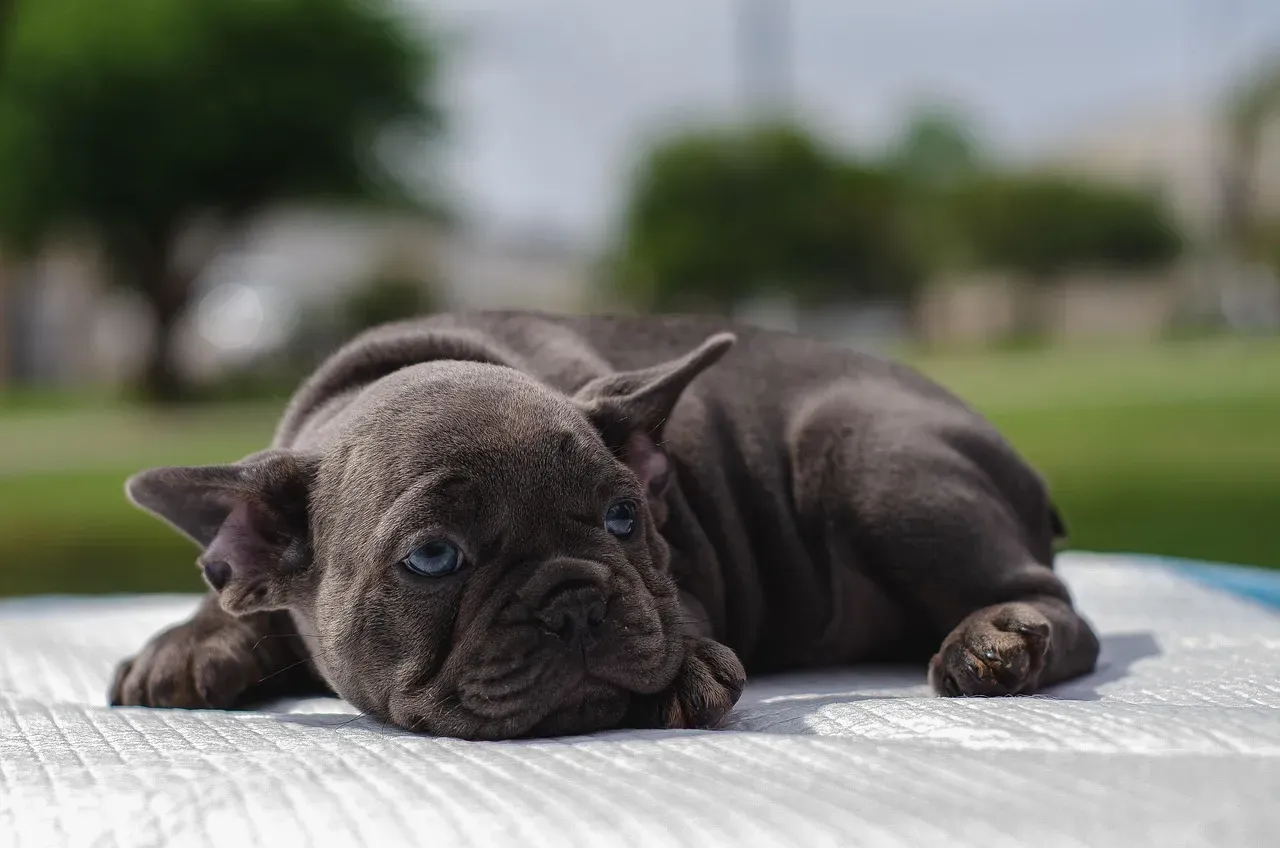
If you’re an introvert, the thought of dealing with a large crowd may send you into hermit mode. Introverted dogs are no different! Pups on the shyer side aren’t going to be fond of hanging out with lots of people or even other dogs. Being surrounded by lots of noisy stimuli can be overwhelming for them, and being out and about in a large crowd means they don’t have an opportunity to retreat to a quiet, safer area if needed.
Dogs often get tired after playing, socializing, even spending a lot of time sniffing. But some dogs hit their social max quicker than others. After a trip to a busy park or a gathering at your home, your dog might seem exhausted, withdrawn, or even a bit grumpy.
Notice how quickly they tap out. If your dog is done with socializing in twenty minutes while others are still going strong an hour later, that’s a clue. Their emotional fuel tank just runs differently.
They Prefer Routine and Hate Surprises
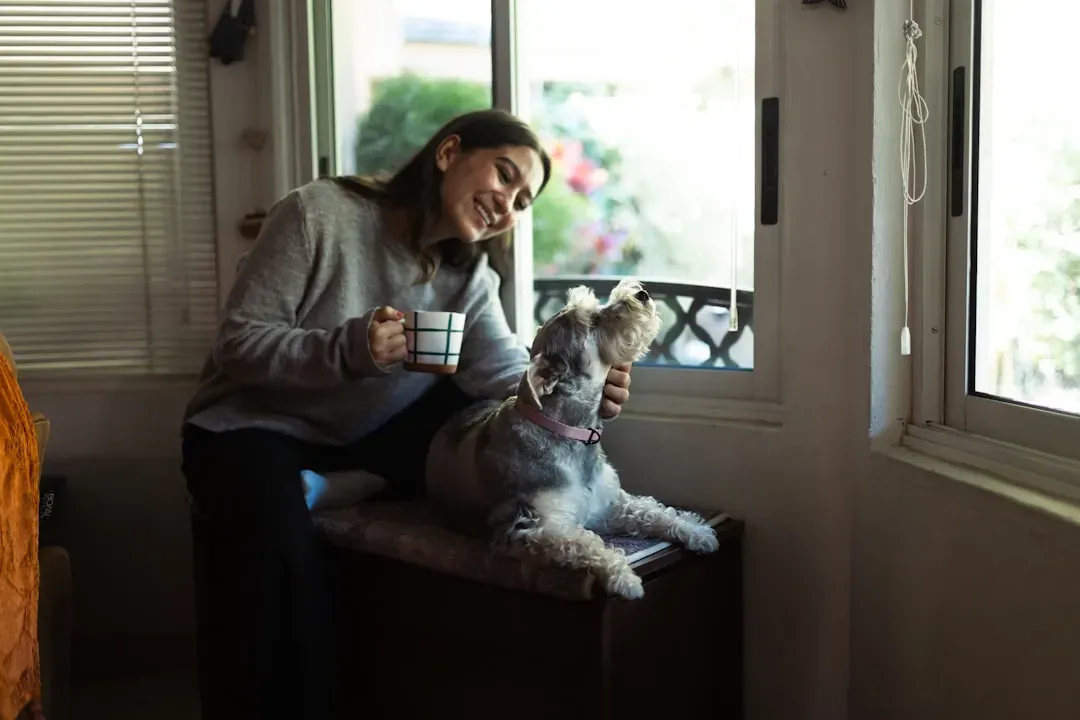
Canines who are introverts tend to do well with a daily routine because it means they don’t have to deal with any surprises. So, it makes sense that introverted dogs will greatly dislike any changes to that routine. Suddenly shifting their walk time, rearranging the furniture, or inviting unexpected guests can throw them off balance in ways that seem disproportionate.
A more extroverted dog may be more curious in new environments while an introverted dog may be more comfortable sticking with what’s familiar. If your dog fits into the latter category, preferring what they know verses something new, they may thrive with a more structured schedule.
Predictability isn’t boring for these dogs – it’s comforting. They like knowing what comes next. A solid routine helps them feel secure, reducing the mental energy they need to spend processing the world around them.
Their Body Language Tells a Quiet Story
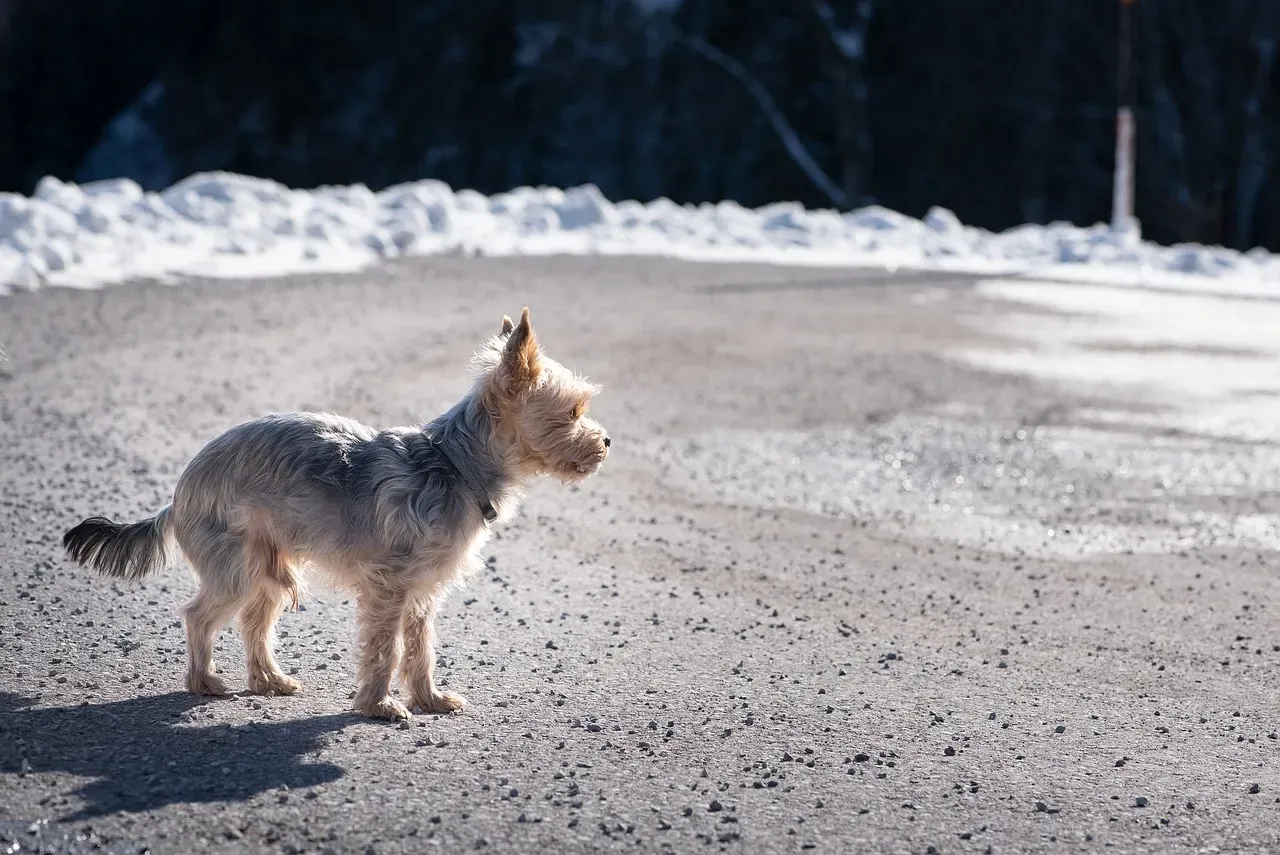
When introverted dogs feel overwhelmed, they communicate it through subtle signals that are easy to miss if you’re not paying attention. Keep an eye out for signs of overwhelm, like crouched posture, excessive panting, lip licking, and yawning out of context. Stress signs to look for include whale eye (when dogs reveal the whites of their eyes), tucked ears or tail, raised hackles, lip-licking, yawning, and panting.
Introverted dogs may cower, hide, avoid eye contact, lick their lips, and whine. These aren’t random behaviors – they’re your dog’s way of saying, “I need a break.” It’s their version of quietly excusing themselves from the conversation.
Learning to read these signals is like learning a new language. Once you start noticing them, you’ll realize your dog has been trying to tell you something all along.
How to Support Your Introverted Dog’s Needs
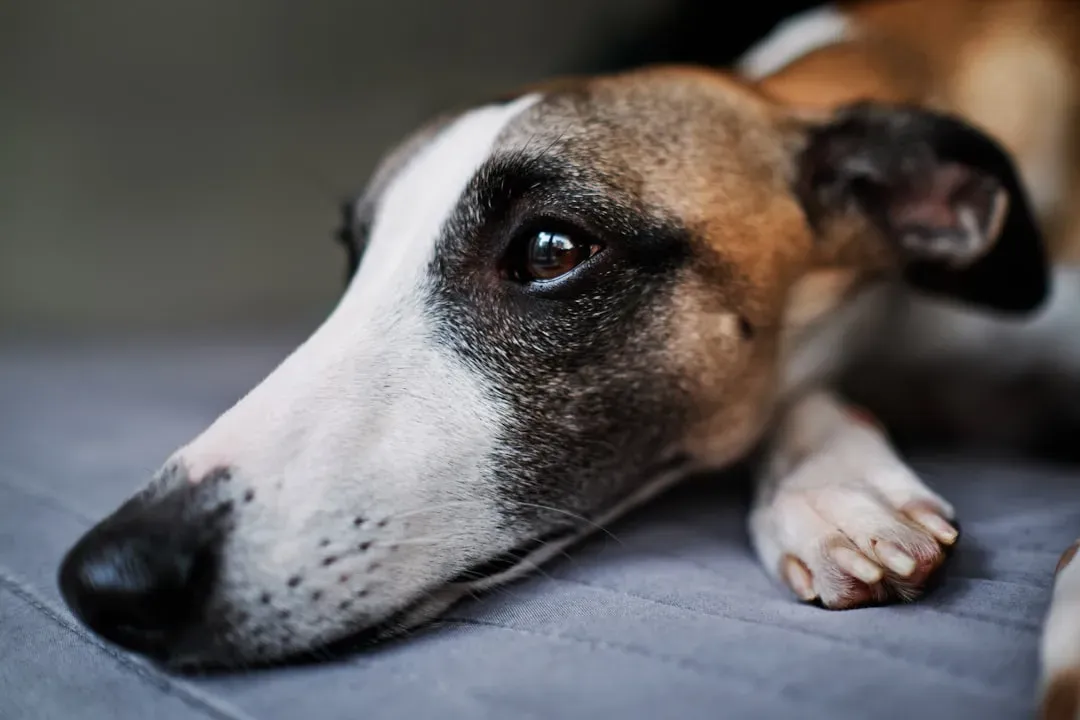
The good news is that being an introvert isn’t a flaw – it’s just a personality trait. If your pup doesn’t seem overly stressed in your everyday life together and their behavior doesn’t bother you, it’s perfectly fine to carry on. Your dog doesn’t have to interact with strangers or other dogs in order to live a rich and fulfilling life. As long as you’re navigating the world as a bonded team and you’re aware of how your dog is reacting by keeping track of their body language, letting a canine introvert do their own thing is totally fine!
As a pet owner, you must support your dog’s need for some “quiet time” by providing them with safe spaces. Start by creating a calm foundation for the dog. Give them a cozy space where they can retreat and enjoy some alone time. Try establishing a consistent daily routine that balances enrichment and solitude, like taking walks in a quieter area or making sure they have alone time before or after a more social day.
Honestly, the best thing you can do is simply understand who your dog really is. They’re not antisocial or broken – they’re just wired differently. Give them permission to be themselves, advocate for their boundaries, and watch them thrive in their own quiet, beautiful way.
Conclusion
Recognizing that your dog might be an introvert opens up a whole new level of understanding and connection. It means fewer forced playdates, more respect for their personal space, and a relationship built on what they actually need – not what we assume all dogs should want. Your introverted pup isn’t missing out on anything; they’re simply living life on their own terms.
So the next time your dog politely declines the chaos of the dog park and opts for a quiet nap in the corner instead, don’t worry. They’re not being difficult. They’re just being themselves. What’s your dog’s social style – are they the life of the party or the quiet observer in the corner?


