
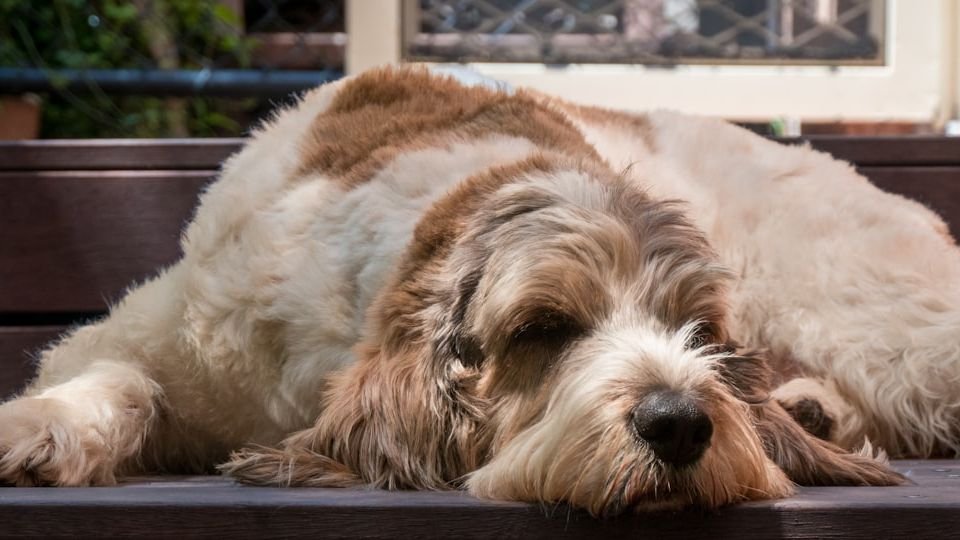
There’s something unsettling about that moment when your dog just doesn’t seem quite right. Maybe they’re still eating, still wagging, still coming when called. Yet something feels off, a nagging instinct that whispers: not today. It’s those barely visible shifts, those quiet cues that make pet parenthood both rewarding and terrifying.
Dogs instinctively hide how they feel in the early stages of an illness, making vigilance key for every pet owner. The challenge lies in decoding what our furry friends can’t vocalize. Honestly, I think we’ve all had that gut feeling when something changes in their routine, their posture, or even the way they look at us. Let’s dive into the subtle warning signs that could mean your pup needs some extra care.
When Your Dog’s Appetite Takes a Detour
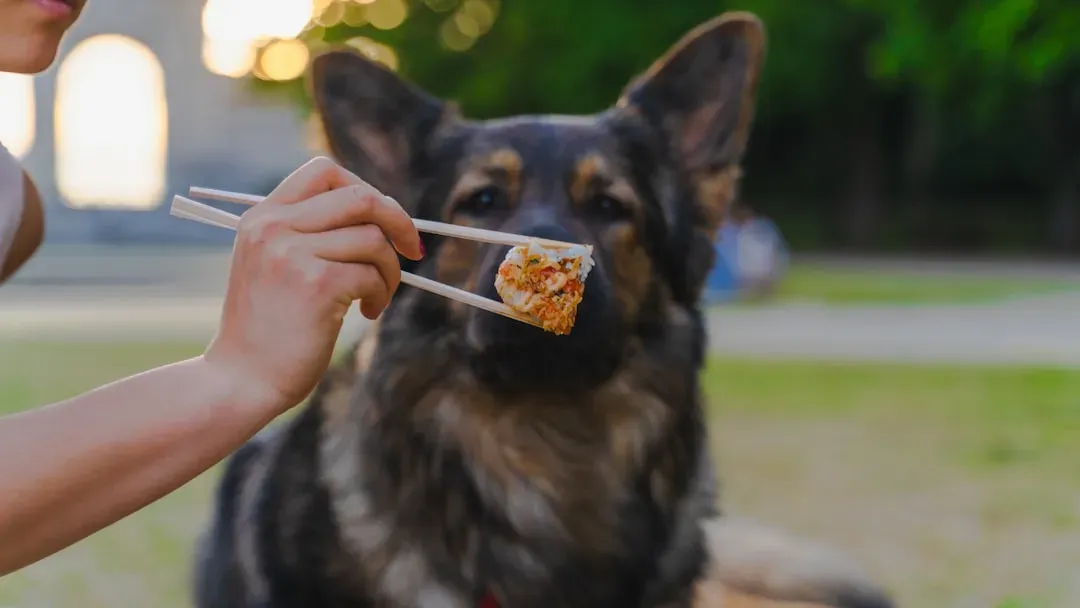
You know your dog’s mealtime routine better than anyone. That bowl-licking enthusiasm or the way they prance to the kitchen like it’s the best moment of their day. So when they suddenly turn their nose up at dinner, it catches your attention immediately.
A missed meal now and then is not always a cause for concern, but when appetite loss continues for more than a day, it could indicate a problem. Dogs may refuse food due to dental pain, nausea, infection, or systemic illness, and some may still eat treats but avoid their usual meals, which can be an early warning sign. Think about it like this: if your usually food-obsessed Lab walks past their kibble like it’s invisible, that’s your red flag waving.
A noticeable increase in appetite can also indicate conditions in dogs, such as diabetes or other hormonal problems. Maybe your pup is suddenly begging more than usual or acting like they haven’t eaten in days. Changes in either direction warrant a closer look.
Behavioral Shifts That Whisper Something’s Wrong

If your dog becomes withdrawn and less interactive with the family, this could indicate a problem. That once social butterfly who greeted everyone at the door now retreats to the corner. Or perhaps your gentle giant suddenly snaps when you reach for their paw.
When dogs are in pain or don’t feel well, they tend to display behavioral changes, such as decreased activity or lethargy, and some sick dogs that are normally social may start to withdraw. Here’s the thing: your dog’s personality is their fingerprint. You live with them daily. You notice when the goofball turns serious or when the couch potato becomes unusually clingy.
Sudden behavioral changes such as aggression, biting, or being extra protective of parts of their body are also a cause for concern. Pay attention to what triggers these reactions. Is your dog guarding their belly? Flinching when you touch their back? These protective behaviors often mask pain they’re trying to hide.
Energy Levels That Just Don’t Match Up

Let’s be real: we all have lazy days. So do our dogs. The difference? When lethargy lingers beyond that post-walk nap or rainy afternoon snooze.
After a long walk or play session, it’s normal for dogs to be tired, but fatigue that lasts longer than expected or interferes with daily activities may signal an underlying health issue, with warning signs including excessive sleeping, reluctance to go outside, or difficulty standing up. Your normally bouncy retriever can barely muster the energy to greet you at the door. That’s not just tiredness; that’s a message.
If your pet suddenly seems tired, refuses to play, or sleeps excessively, it may be a sign of an underlying illness, with reduced activity indicating infections, anemia, heart problems, or other health concerns. Sometimes energy dips are subtle. Your dog still moves around but without that spark, that joy they usually radiate. Trust those observations.
The Telltale Signs in Their Coat and Skin
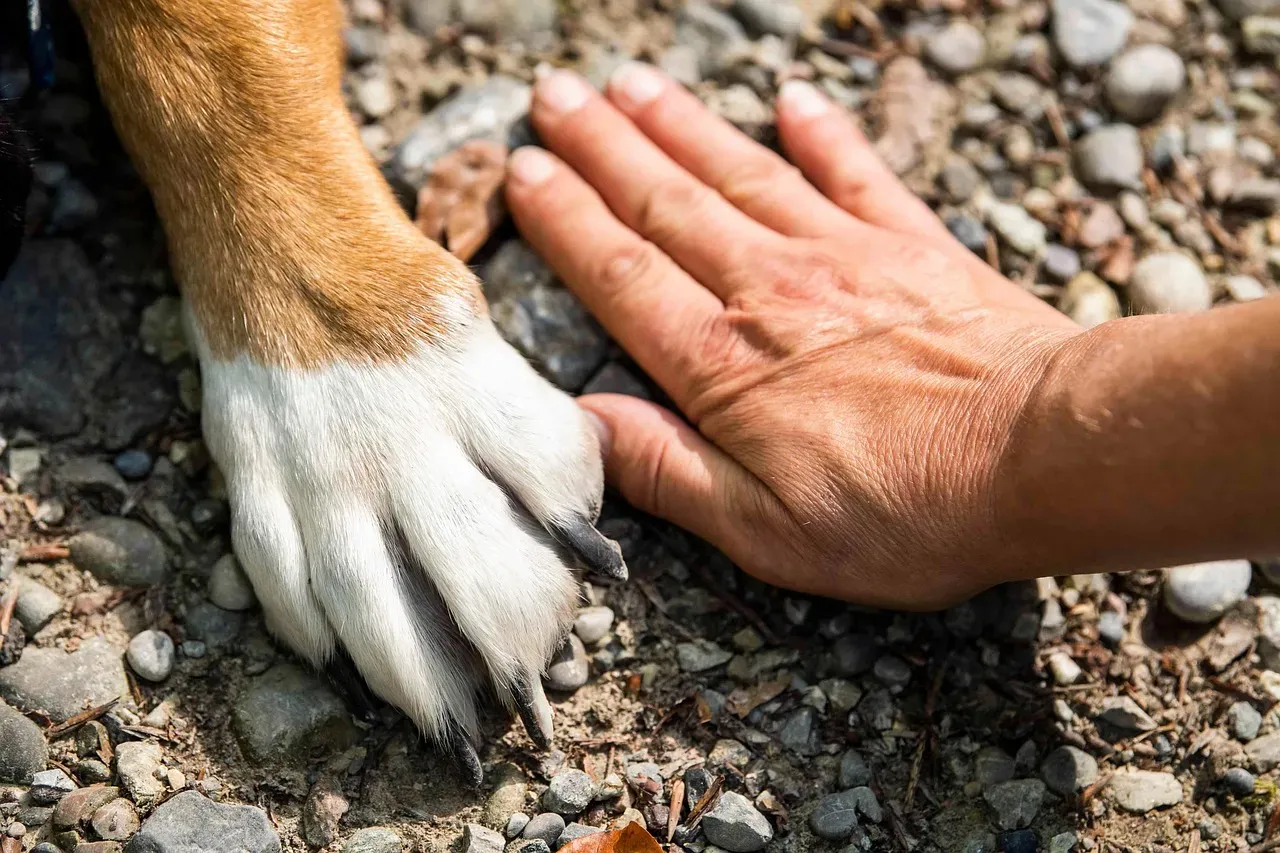
Run your hands through your dog’s fur during your next cuddle session. What do you feel? What do you see?
A healthy coat is shiny and clean, while sudden hair loss, excessive scratching, redness, or flaky skin can signal allergies, parasites, or infections, and changes in fur texture or color may also indicate nutritional deficiencies or internal disease. I know it sounds crazy, but your dog’s coat is like a health report card. Dullness, bald patches, or constant itching aren’t just cosmetic issues.
When your dog constantly scratches, licks, or starts to lose hair in patches, it’s a clear sign something’s bothering their skin, with allergies being common in dogs, whether from food, environmental factors, or reactions to certain products, and external parasites such as fleas, ticks, or mites also driving itchiness and discomfort. Watch for those repetitive behaviors, the late-night scratching sessions, or obsessive paw licking that seems to come out of nowhere.
Changes in Thirst and Bathroom Habits
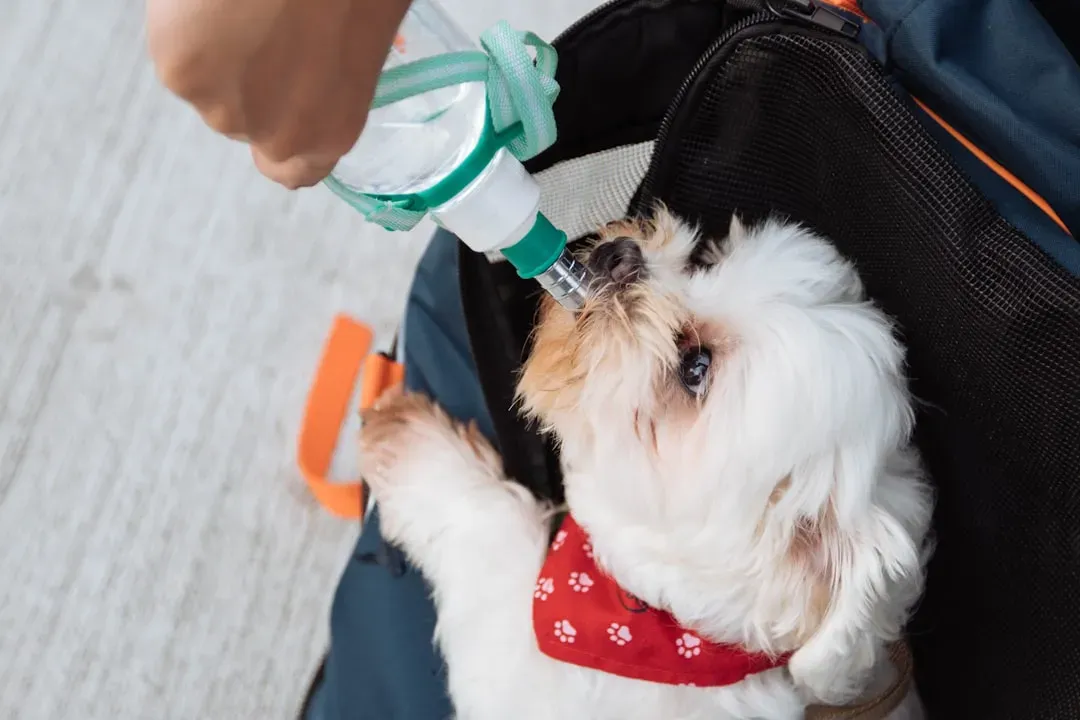
This one requires a bit of detective work, but it’s worth paying attention to. How often is your dog hitting up the water bowl? How frequently are they asking to go outside?
A dog that won’t drink water or drinks too much water might be unwell and dealing with a fever or kidney problems. Increased thirst can be a sign of conditions like diabetes, kidney issues, or hormonal imbalances, while reduced water intake could suggest nausea or dental discomfort. Notice if that water bowl needs refilling three times a day when it used to last all day.
Increased frequency, accidents in the house, straining, or blood in urine or stool can indicate urinary tract infections, kidney issues, diabetes, or gastrointestinal problems, with prompt evaluation by a vet being crucial. Your house-trained dog suddenly having accidents? That’s not spite or laziness. Something deeper is happening.
Those Barely-There Physical Clues
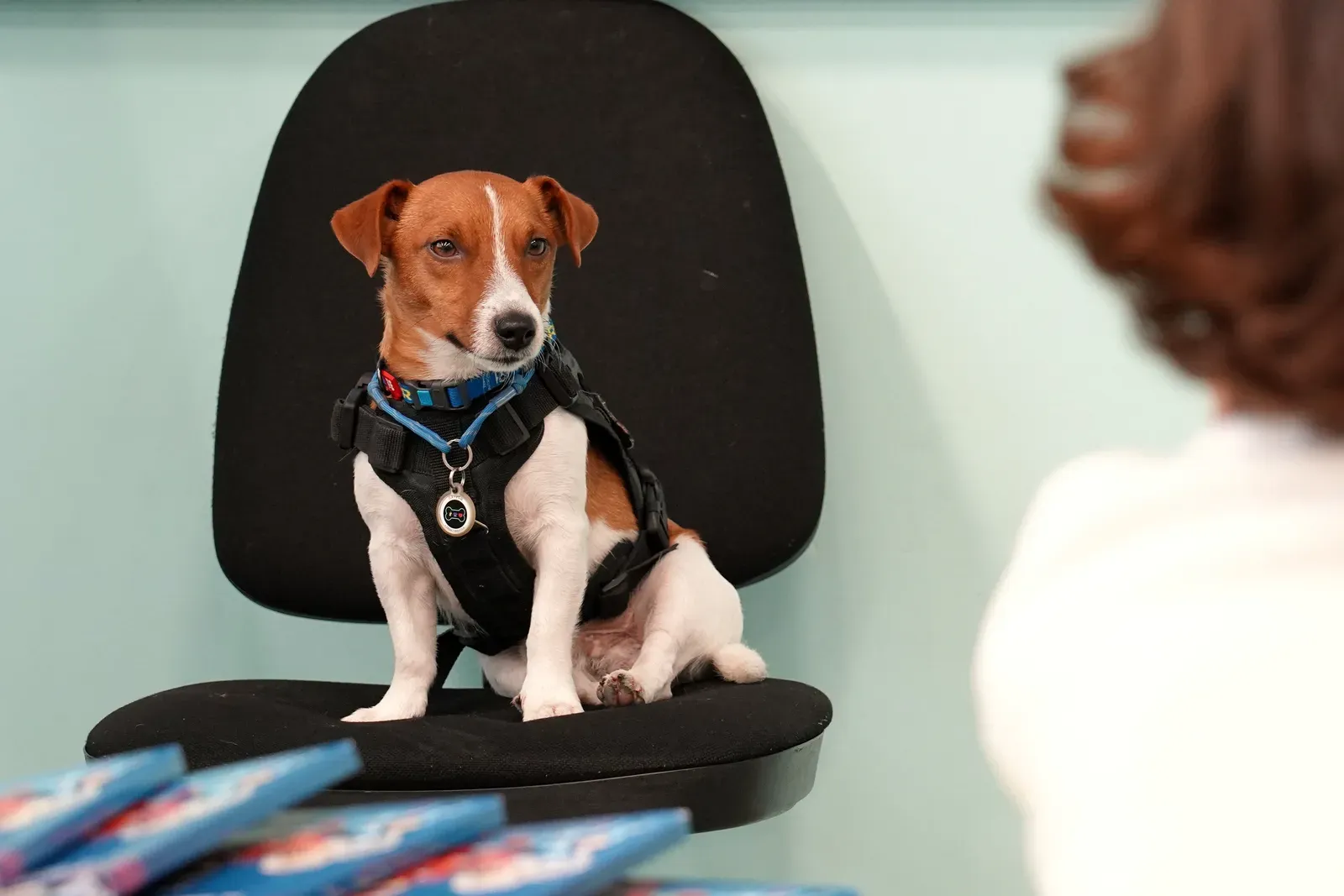
Sometimes the signs are so quiet you almost miss them. A slight squint. Pawing at the ear. Bad breath that wasn’t there before.
Your dog’s eyes and ears are sensitive, with redness, discharge, swelling, or frequent scratching being signs that something’s wrong. Bad breath, drooling, difficulty chewing, or visible tartar may point to dental disease, with oral problems being painful and impacting your pet’s overall health. Dental issues, in particular, are sneaky troublemakers that affect far more than just teeth.
Unexplained weight gain or weight loss is another sign of illness in dogs. Maybe your dog’s collar feels looser, or you notice their ribs more prominently during belly rubs. Weight changes don’t happen overnight, but gradual shifts deserve investigation. Regular grooming sessions and hands-on time with your pup help you catch these quiet changes early.
Wrapping It All Together
Subtle changes in behavior or appetite often appear before more obvious symptoms develop, which is why recognizing the early signs of illness is so important. You are the expert on your dog. Nobody else spends as much time observing their quirks, habits, and routines.
Pets often hide symptoms of discomfort or disease, making it crucial for owners to observe subtle changes in behavior, appetite, or physical condition, with early detection improving the chances of effective treatment and preventing more serious health complications. The key isn’t to panic at every little thing. It’s about being present, being observant, and trusting your instincts.
What subtle changes have you noticed in your dog that turned out to be important? Share your experiences with fellow dog lovers, because sometimes the best wisdom comes from those who’ve walked this path before. What do you think makes the biggest difference in catching health issues early?


