
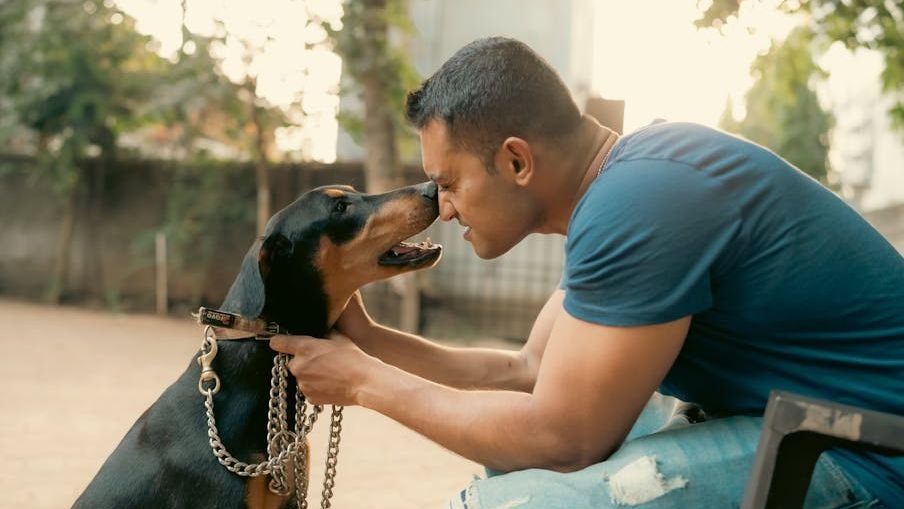
You come home after a long day, and your dog practically explodes through the front door to greet you. The tail is going, the eyes are wide, and you think, “Yep, happy dog.” But here’s the thing – what if that joyful greeting is only scratching the surface? What if your pup has been quietly signaling contentment, or even stress, in ways you never noticed?
Dogs are endlessly expressive creatures. They speak in posture, breath, gaze, and movement. Learning that language is one of the most rewarding things you can do as a dog parent. Get ready to see your furry best friend in a whole new light. Let’s dive in.
The Truth About the Tail: It’s More Complicated Than You Think
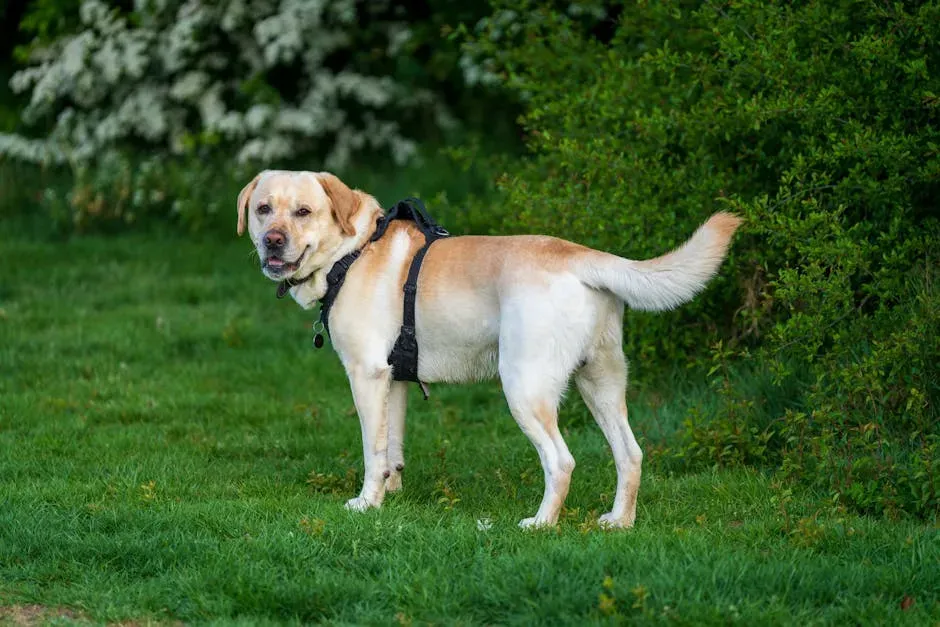
Most of us grew up believing that a wagging tail equals a happy dog. Honestly, it’s one of the most common misconceptions in canine care. When your dog wags their tail, are they telling you that they are happy? Not necessarily. Canines demonstrate many variations of the “tail wag” and different wags mean different things.
Studies show that dogs wag their tails to the right when they are happy or confident, and to the left when they are frightened. Think of it like a compass for your dog’s emotional state. Direction, speed, and height all matter enormously.
A happy dog typically holds their tail in a relaxed, mid-level position with a soft, gentle wag. The movement should look loose and fluid, not stiff or rapid, which might indicate excitement or anxiety. So the next time your dog’s tail is moving, slow down and look at the whole picture, not just the movement itself.
If your dog has a loose, gentle and slow tail wag and has a happy-looking facial expression with a soft gaze and a relaxed mouth, your dog is probably feeling pretty happy. Context, as always, is everything.
Reading the Face: Soft Eyes, Relaxed Mouth, and That Goofy Grin
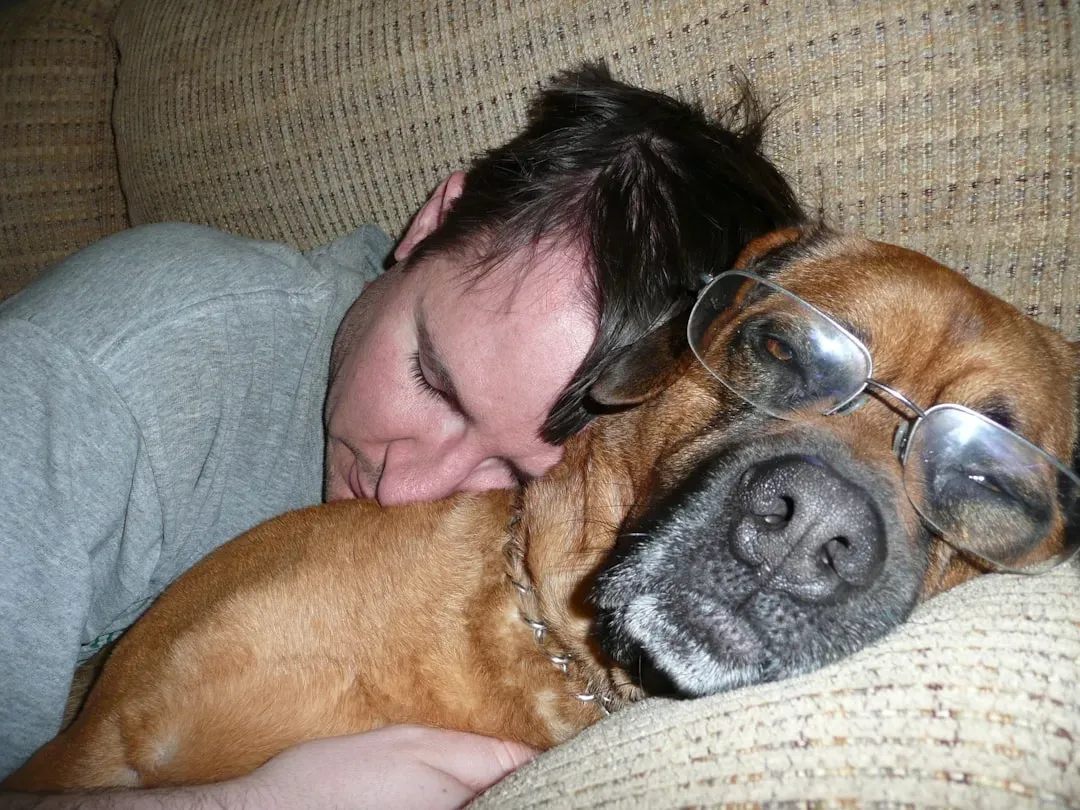
A dog’s face is like a window into their soul, if you know what you’re looking for. When a dog is happy, their eyes and eyelids will be open and relaxed, their gaze will be soft, and they will blink often. Narrowed eyes and a hard gaze can indicate aggression, while wide eyes, particularly if the whites are showing, could mean your dog is frightened.
A smiling dog describes the relaxed, open-mouthed expression many dogs display when they feel content, calm, and comfortable. Pet owners often associate this look with happiness, and in many cases, that interpretation is correct. A smiling dog typically shows soft eyes, a loose body, and an easy-going posture, all of which signal emotional comfort.
Be sure not to confuse open-mouth panting with smiling, as this could mean your pet is stressed or overheated. It’s a subtle but important distinction. A truly happy facial expression comes with soft muscles, a relaxed brow, and gentle blinking, not just an open mouth.
Although ear shapes vary greatly depending on the breed, a happy dog’s ears are relaxed and will fall naturally against their heads. Ears that are pulled forward or back are signs of different moods, including hyper-interest and stress. When you see those floppy, easy ears, take it as a quiet thumbs up.
Full-Body Joy: Zoomies, Play Bows, and the Happy Wiggle
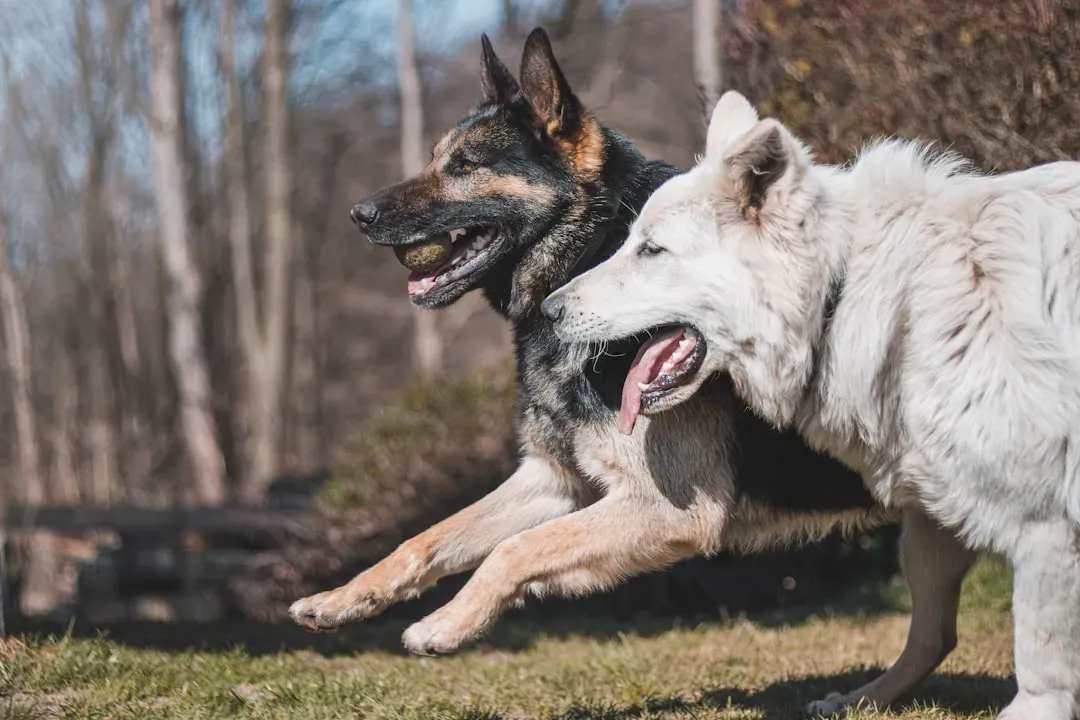
Let’s be real – nothing on earth is quite as joyful as watching a dog launch into a full-speed zoomie session around the living room. Also known as FRAPs (Frenetic Random Activity Periods), zoomies are those wild, high-speed laps around the house or yard. They’re bursts of pure joy and a sign your dog feels energetic, playful, and totally content in their environment.
One of the most universal signs of a happy dog is the classic play bow. This is when a dog stretches their front legs forward and lowers their chest to the ground while keeping their rear in the air. It’s a clear invitation to play and a joyful display of excitement. If your dog throws that move at you multiple times a day, congratulations – you’re doing something right.
When your dog is really happy, it’s not just the tail that wags – it’s the whole back end. A full-body wiggle, especially when greeting you or anticipating play, is a clear indicator of joy and excitement. Think of it as their version of a standing ovation.
The Science of Comfort: What Relaxed Body Language Really Looks Like

Beyond the big gestures, genuine canine happiness often shows up quietly in how a dog simply holds their body. If your dog seems relaxed in their posture and not tense or stiff, this is a good indication they are feeling good. Loose shoulders, soft eyes without a fixed gaze, and a dose of ‘wiggliness’ or pure ‘flopped-outness’ are all clues that your dog’s feeling super chill.
Happy dogs tend to move with a bouncy, carefree gait, almost as if they’re floating on air. When lying down, they might sprawl out comfortably on their side or back, exposing their belly – a sign of trust and security. A belly-up dog is basically a dog saying, “I feel completely safe here.”
A happy dog exhibits relaxed body language, including a loose body, relaxed ears, and a smooth forehead. Additionally, behaviors such as zoomies and regular check-ins with their owner during walks are also indicators of a content and well-adjusted dog. Those little glances your dog throws back at you on a walk? Pure love.
Appetite, Sleep, and Healthy Habits: The Quiet Signals Most Owners Miss
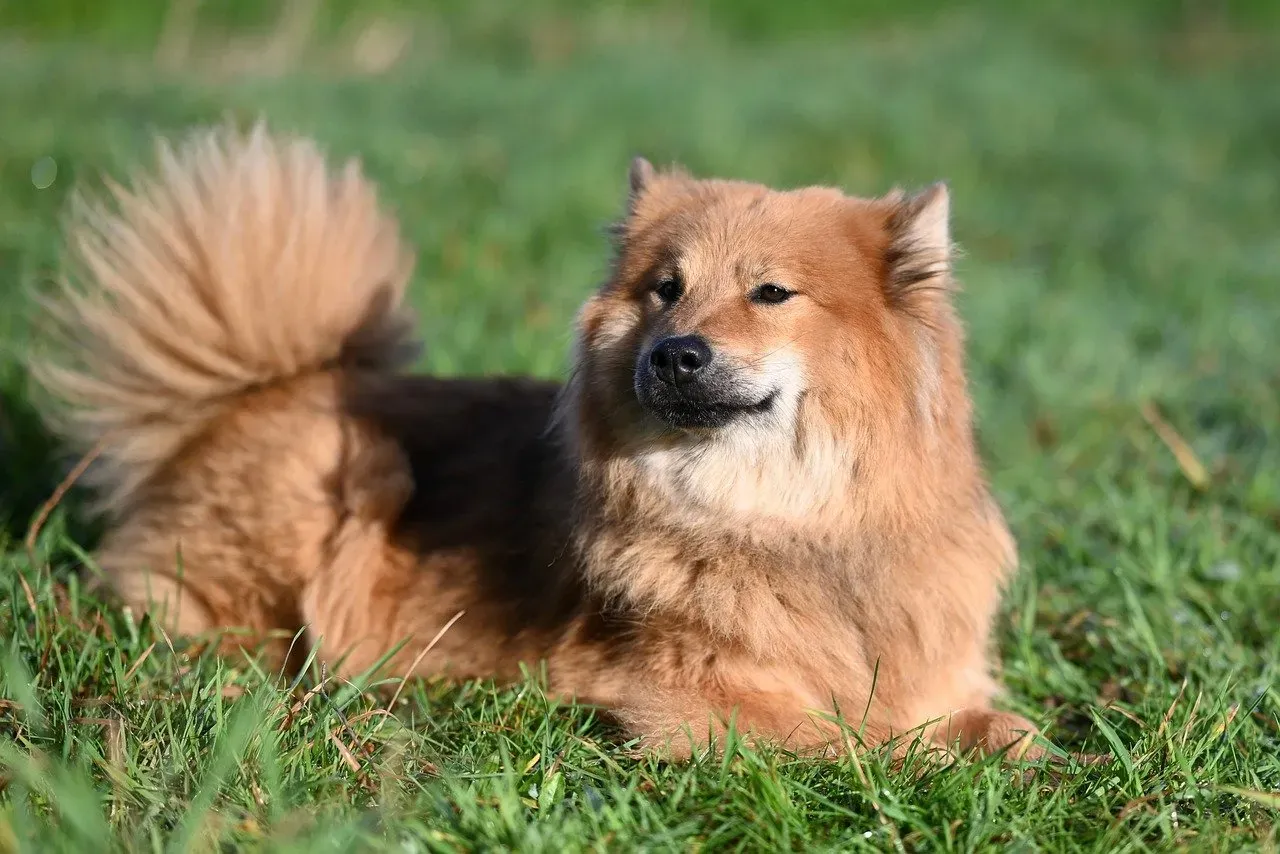
A happy dog usually has a good appetite and eats regularly. Changes in eating habits can indicate stress or illness, so consistent interest in food is a positive sign of well-being and happiness. It’s one of those signals hiding in plain sight, right there at the food bowl every morning.
Happy and healthy adult dogs get many hours of sleep a day. If you and your dog have had an exciting day full of jogs, games of fetch and other fun activities, your dog may be so happy and satisfied that she doesn’t have any energy left. Instead of pacing around the house, she may be passed out on the bed snoring contentedly.
Happy dogs typically maintain good grooming habits, such as licking their coat or cleaning their paws. Overgrooming, however, can be a sign of stress or anxiety, so it’s important to find a balance. A shiny, well-kept coat with no obsessive licking is a quiet green flag worth noticing.
Persistent signs of stress like excessive panting, withdrawal, destructive behavior, or changes in appetite might indicate unhappiness. Address these by consulting a veterinarian, ensuring adequate exercise, providing mental stimulation, and maintaining a consistent, loving routine.
The Bond Factor: How Your Connection Shapes Their Happiness
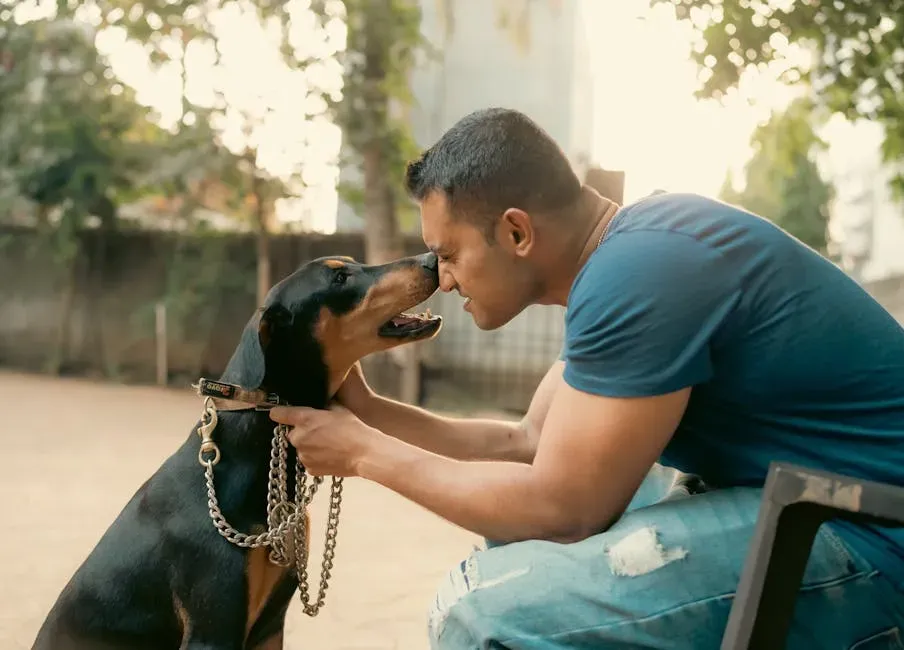
Dogs that seek out affection from their owners are expressing their happiness and trust. Whether it’s leaning against you, placing a paw on your lap, or curling up next to you, these behaviors show they feel safe and loved. I think this is one of the most beautiful aspects of the human-dog relationship – they choose your company, every single time.
One of the most heartwarming signs of a happy dog is their excitement when you return home or spend time with them. Happy dogs often greet their owners with wagging tails, joyful barking, and an eagerness to be close. If your dog consistently seeks your attention and interaction, it’s a testament to their trust and happiness in your company.
Beyond just exercise, this can include mental stimulation. So for dogs, physically moving around counts, as does engaging with a puzzle toy or taking part in a training class. A bored dog is rarely a fully happy dog. Think of mental enrichment as emotional nourishment – just as vital as walks and warm meals.
Dogs thrive on companionship. Spending quality time with your dog every day, providing attention and affection, can help strengthen your bond and contribute to their happiness. It really is that simple. Your presence is, quite literally, their favorite thing in the world.
Conclusion: Happiness Is a Full-Body Language
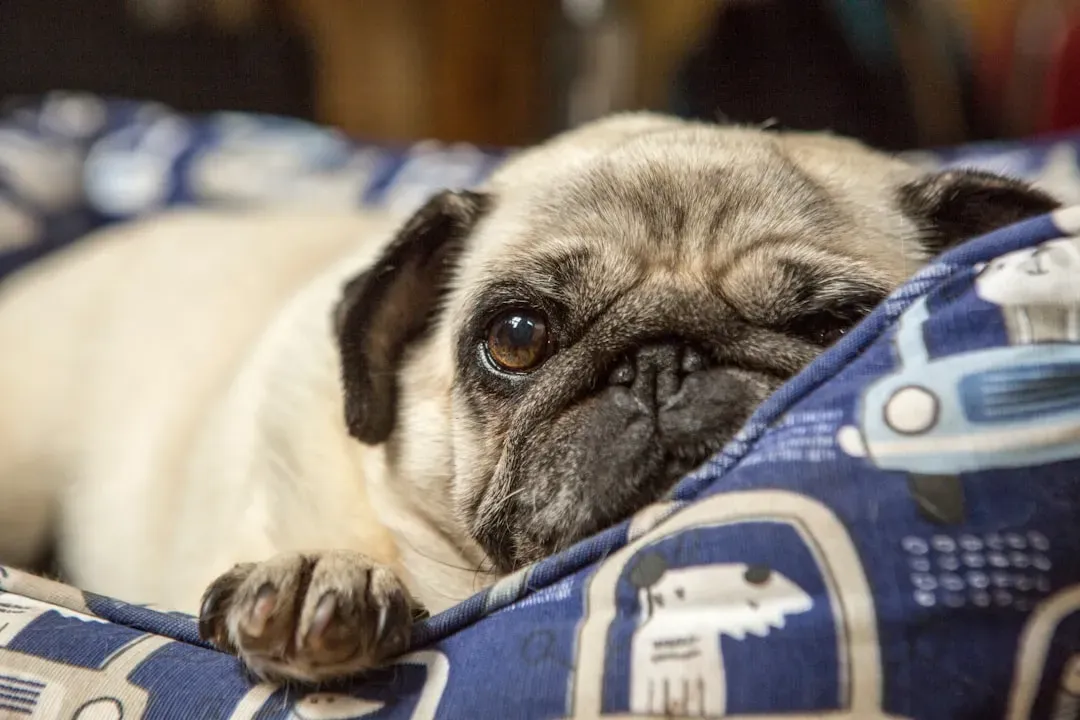
Dog happiness is not a single wag or a single look. It’s a whole conversation happening in real time, told through soft eyes, relaxed shoulders, enthusiastic play bows, and the way your dog leans into your hand without a second thought. Dogs communicate through a complex language of body signals. Relying on a single indicator can lead to misinterpretation. Observing multiple signs provides a more accurate understanding of their emotional state.
The more you tune in, the better you become at translating what your dog is saying. It’s a skill that deepens your bond in ways you genuinely cannot put a price on. Understanding your dog’s happiness requires attentiveness and a strong bond. Every dog is unique, so pay close attention to their individual behaviors and preferences. By fostering a loving, enriching environment, you can ensure your dog lives a joyful and fulfilling life.
Your dog has been speaking to you all along. The real question is: now that you know the language, how will you respond? Share your thoughts or your dog’s happiest quirks in the comments below – we’d genuinely love to hear about them.


