

You know the feeling when you walk through your front door and your dog goes absolutely wild with excitement. Tail wagging like crazy, maybe some happy jumping, and that look on their face that seems to say “You’re home!” We often think we’ve got our pups figured out, that we can read them like an open book. We see a wagging tail and assume everything’s peachy. Here’s the thing, though. Dogs are way more complex than that, and reading their emotions takes a bit more nuance than we might think.
Let’s be real, a wagging tail doesn’t always mean what we hope it means. Sometimes it signals uncertainty or even tension, depending on how that tail is positioned and moving. Learning to truly understand your dog’s happiness isn’t just about one signal. It’s about watching the whole picture, noticing the small stuff, and tuning into what your best friend is actually telling you. So let’s dive in and explore what genuine canine contentment really looks like.
The Full Body Wiggle That Says It All
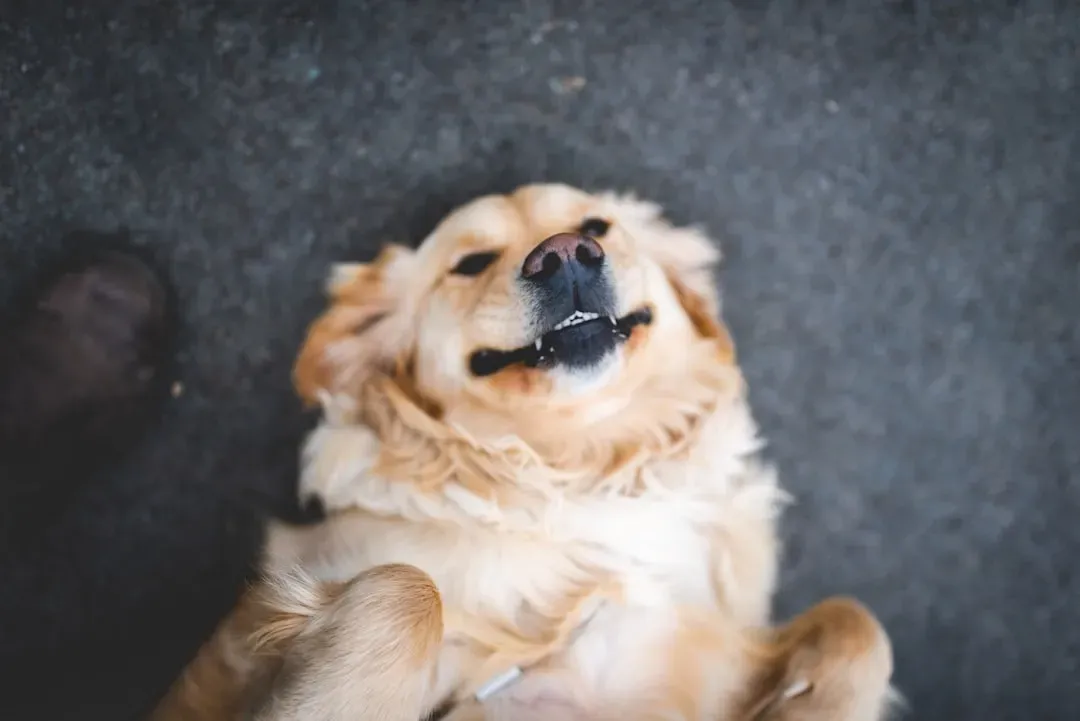
When your dog’s whole body moves like a wave, that’s pure joy, often seen during greetings or when play is about to begin. Think about those moments when your pup can’t contain their excitement and their entire rear end is swaying along with their tail. A happy dog has body language that is relaxed and loose, which might result in a full body wiggle, where they seem to be wagging their whole body, also known as the ‘Happy Dance’.
This isn’t just about movement. If your dog seems relaxed, that’s a sign they’re feeling happy, and if they seem calm that’s another indicator. The wiggle is accompanied by soft facial features, shoulders that aren’t tense, and an overall vibe that radiates comfort. It’s hard to miss once you know what to look for. Your dog essentially becomes a living embodiment of joy, moving through space with that carefree energy that makes you smile every single time.
Relaxed Facial Features and Soft Eyes
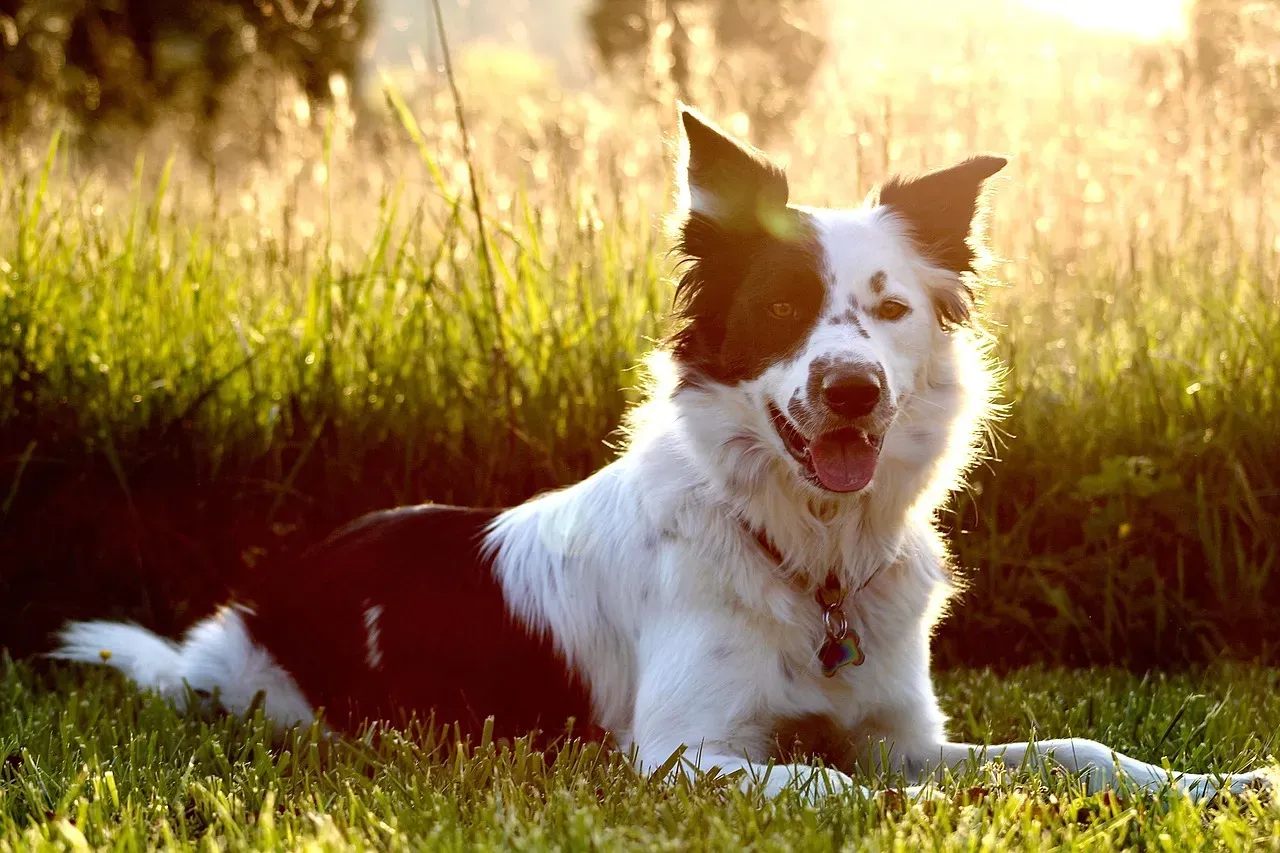
Soft eyes, relaxed ears, and an open, gentle mouth are all hallmarks of a truly happy dog. When you look at your pup’s face, check if their eyes have that warm, squinty appearance rather than being wide and alert. A relaxed dog usually has semi-erect or forward-facing ears, a soft mouth, and round eyes. Those subtle details matter more than you might imagine.
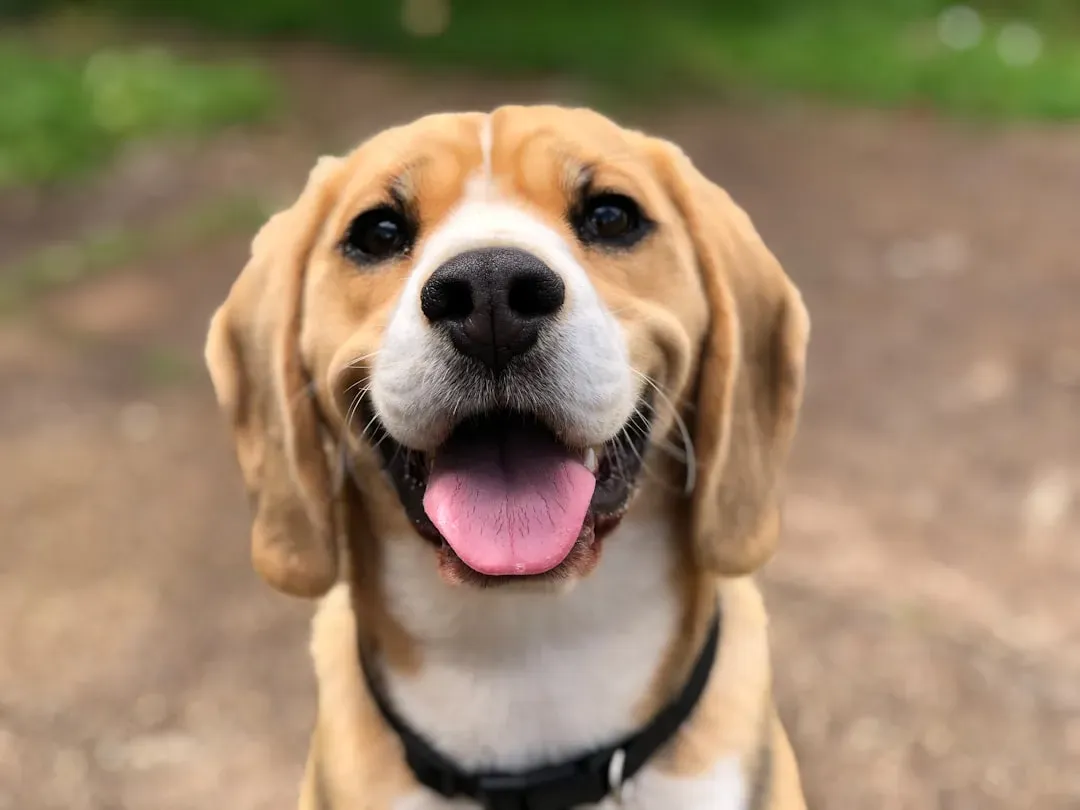
When you see a dog with their tail up and fully wagging, their ears and mouth are relaxed, they might also have a loose, lolling tongue, and with a happy facial expression, you might see their teeth, but their mouth is relaxed rather than aggressively baring their teeth. This is what we call the “happy face” in dog language. The mouth might hang open slightly with the tongue peeking out, creating that famous doggy smile. Honestly, once you learn to spot this expression, you’ll realize how often your dog is broadcasting their contentment through their face alone.
The Classic Play Bow and Playful Energy
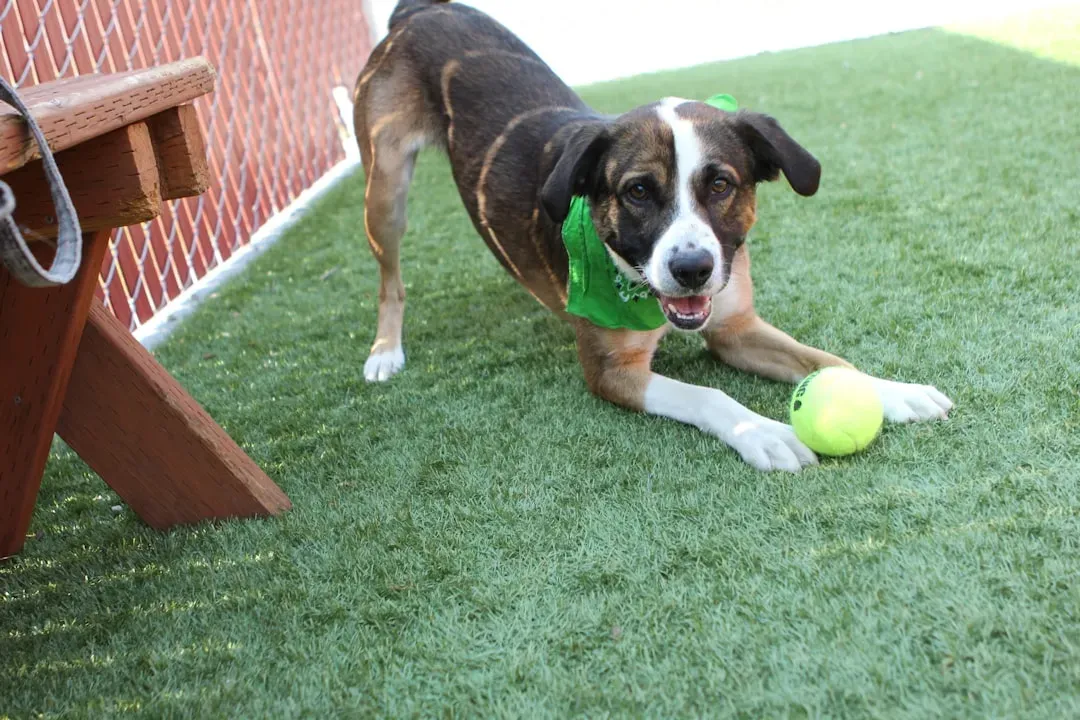
The classic play bow, where your dog has their chest lowered to the ground and their rear end extended up in the air, is a good indication that they are happy and feeling friendly. This posture is unmistakable and serves as a clear invitation. A dog play bow is a play signal that dogs use to initiate play with other dogs and signal to others that their intentions are playful.
Play bows most often occurred after a brief pause in play, and synchronous behaviors by the bower and partner, or vulnerable behaviors like running away, occurred most often after the play bow, indicating that during adult dog play, play bows function to reinitiate play after a pause. When your dog drops into that position, they’re literally asking for fun and connection. It’s one of the most beautiful forms of canine communication, signaling not just happiness but also trust and the desire to engage. Whether they’re bowing to you, another dog, or even a cat, it’s a clear message that your pup is in a good emotional space.
Seeking Out Your Company and Physical Contact
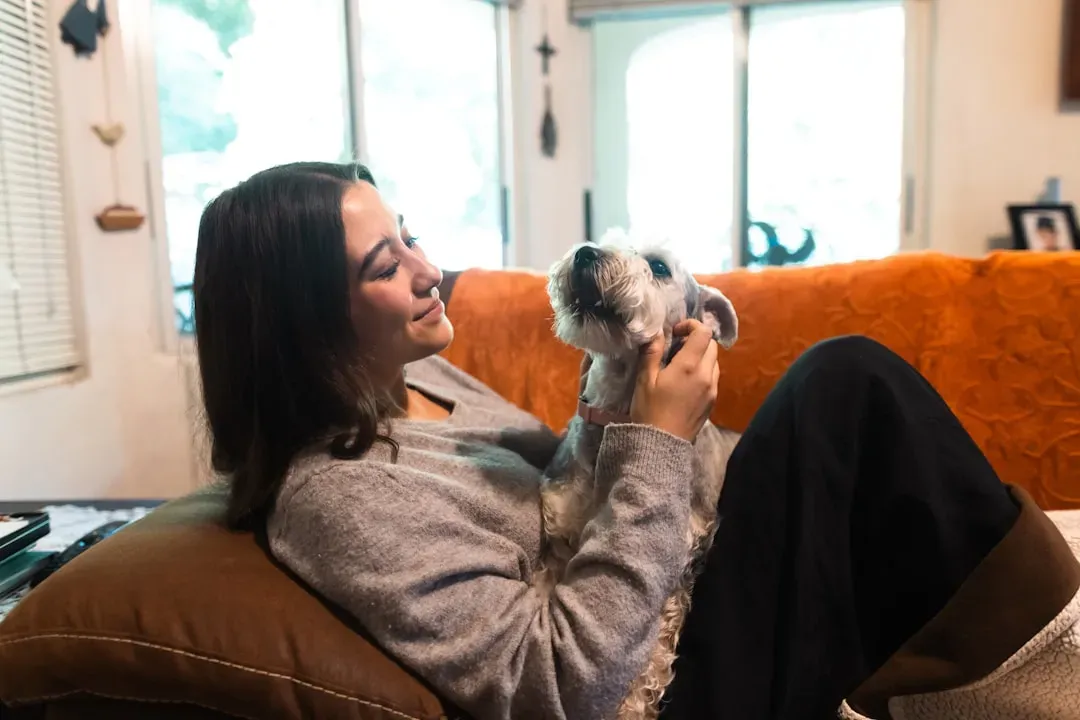
A friendly dog who is feeling happy will likely seek out some affection from you at some point, which might be in the form of leaning against you, lying beside you, or asking for pets. If your dog reacts, stays close, or even leans in toward your hand during petting, they’re enjoying the contact. This physical closeness speaks volumes about their emotional state.
Leaning on you, snuggling, rolling over to request belly rubs are all behaviors generally associated with a strong human-animal bond, which is key for your dog’s happiness. Think about how your pup follows you from room to room or curls up right next to you on the couch. They’re not just being clingy. They’re telling you they feel safe, content, and genuinely happy in your presence. Some dogs are more independent than others, sure, but most happy dogs want to share their space with the people they love.
A Healthy Appetite and Good Sleep Patterns
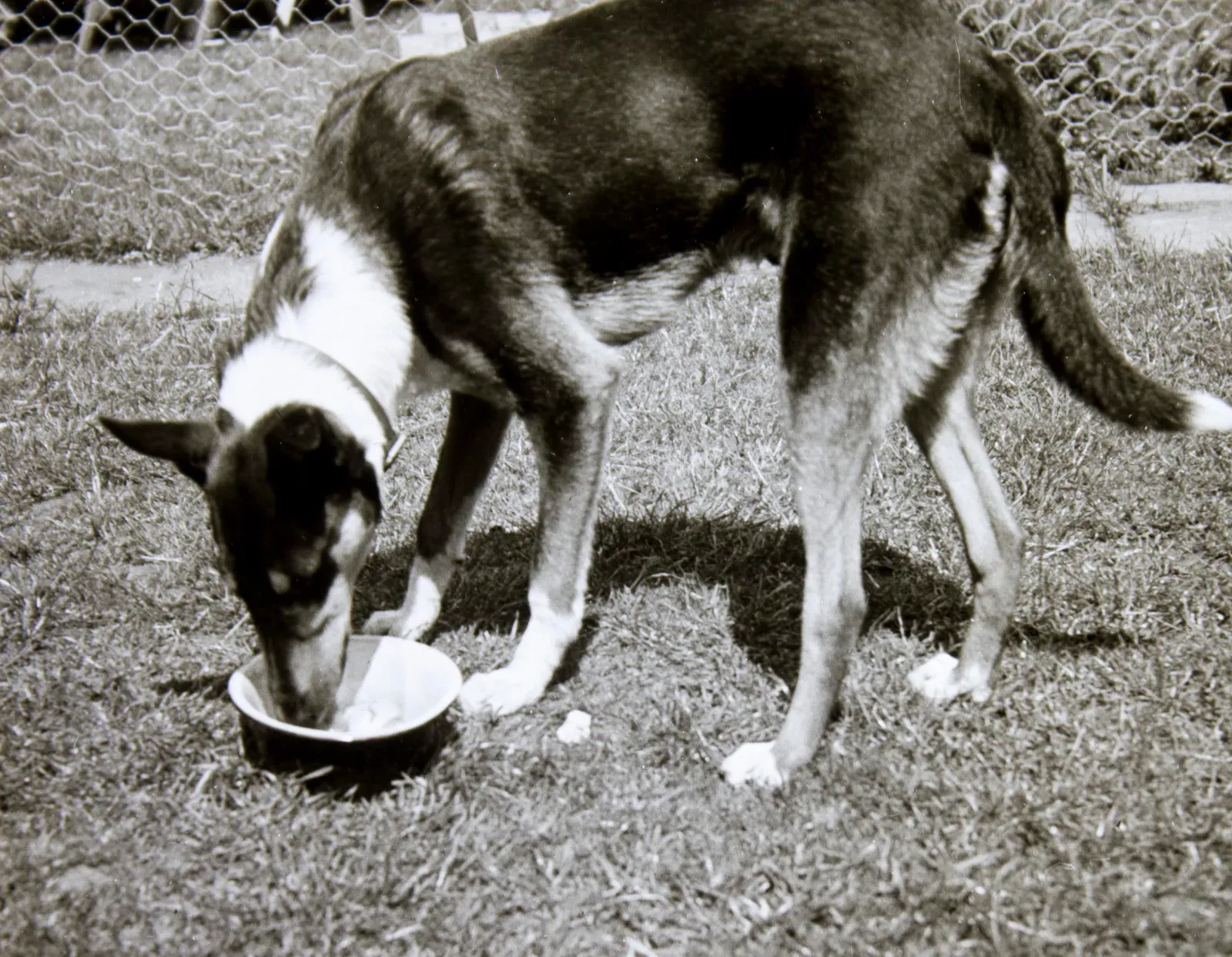
If your dog is stressed or ill, they may refuse food, and while every dog has different eating habits, it’s important to check that they are consistent, such as if your dog’s favorite time of day is dinnertime and they start to show a lack of interest in eating. A happy, content dog generally maintains a steady interest in their meals. A happy dog is usually a hungry dog or at least one who gets excited about mealtime, and if your pup greets their food bowl with enthusiasm, it’s a good sign they’re feeling content and healthy.
Sleep is another big indicator. You can tell a lot about a dog’s happiness by how they sleep, and dogs who snooze on their back with all four paws in the air or sprawled out like a starfish feel very comfortable and safe in their environment, with their belly exposed showing they trust you completely. When your dog sleeps deeply and peacefully, it shows they feel secure. I think we often overlook these daily rhythms, but they’re actually powerful indicators of your dog’s overall well-being and happiness.
Conclusion: Reading the Whole Picture
True canine happiness goes far beyond a simple tail wag. It’s written in the wiggle of their body, the softness of their eyes, the way they seek you out for comfort, and how they invite you to play. One sign alone is not enough to conclude that your dog is happy, but if your dog is displaying multiple signs of happiness, you can be more confident they are happy or excited in their current situation.
Learning to read your dog’s body language transforms your relationship. You’ll catch those subtle moments of contentment you might have missed before. You’ll know when your pup needs a break, when they’re ready for play, and when they’re simply basking in the joy of being alive alongside you. What signs of happiness do you see most often in your dog? Pay attention this week, and you might be surprised by what you discover.


