
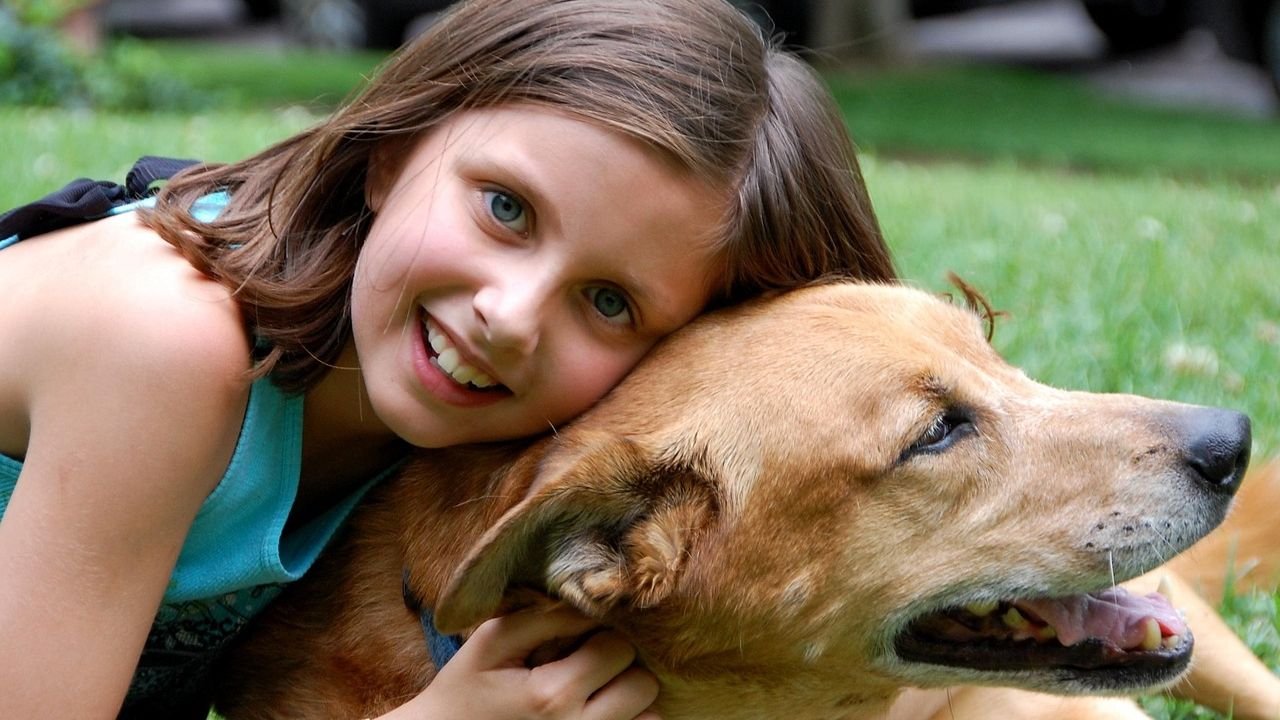
You know that moment when your dog just settles beside you, completely still, not asking for anything? It’s easy to wonder if they’re content or just…existing. Here’s the thing: happiness in dogs isn’t always about tail wags and bouncing around. Some of the most profound moments of canine joy are quiet ones, whispered through subtle body language and peaceful presence. Learning to read these gentle signals can transform how you understand your furry friend. Let’s explore the understated ways your dog tells you life is good.
The Language of Soft Eyes and Relaxed Faces
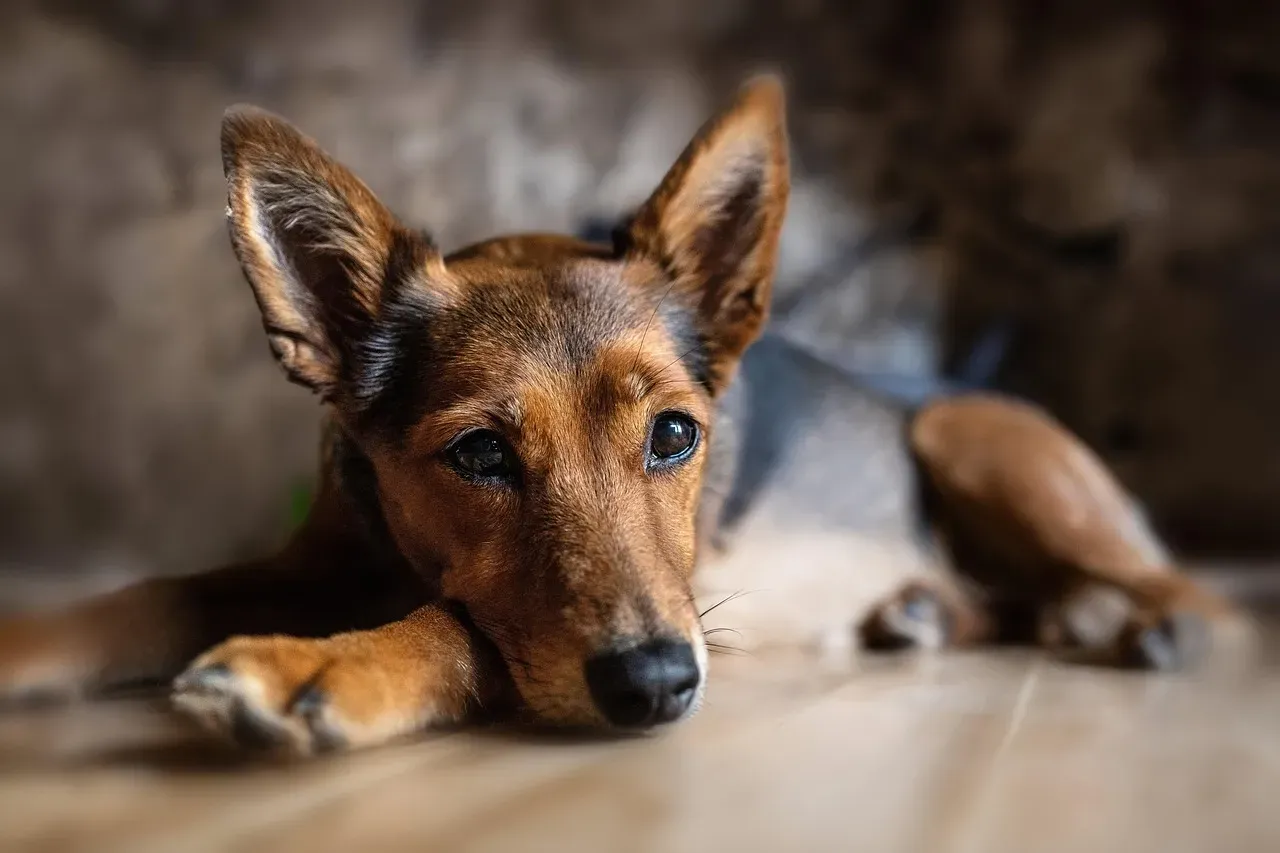
When your dog is truly happy, their eyes and eyelids appear open and relaxed, their gaze soft, and they blink often. Think of it as the canine version of a contented smile. You might catch your pup looking at you with what can only be described as droopy, squinty eyes.
Those soft eyes with relaxed lids indicate your dog is calm or happy. Honestly, once you know what to look for, it becomes unmistakable. The opposite would be hard, staring eyes or wide eyes showing the whites, which signal stress or fear. Pay attention to the mouth too. Happy dogs often appear to smile, with a soft, open mouth and corners turned up, sometimes with a lolling tongue hanging out.
Body Posture That Speaks Volumes
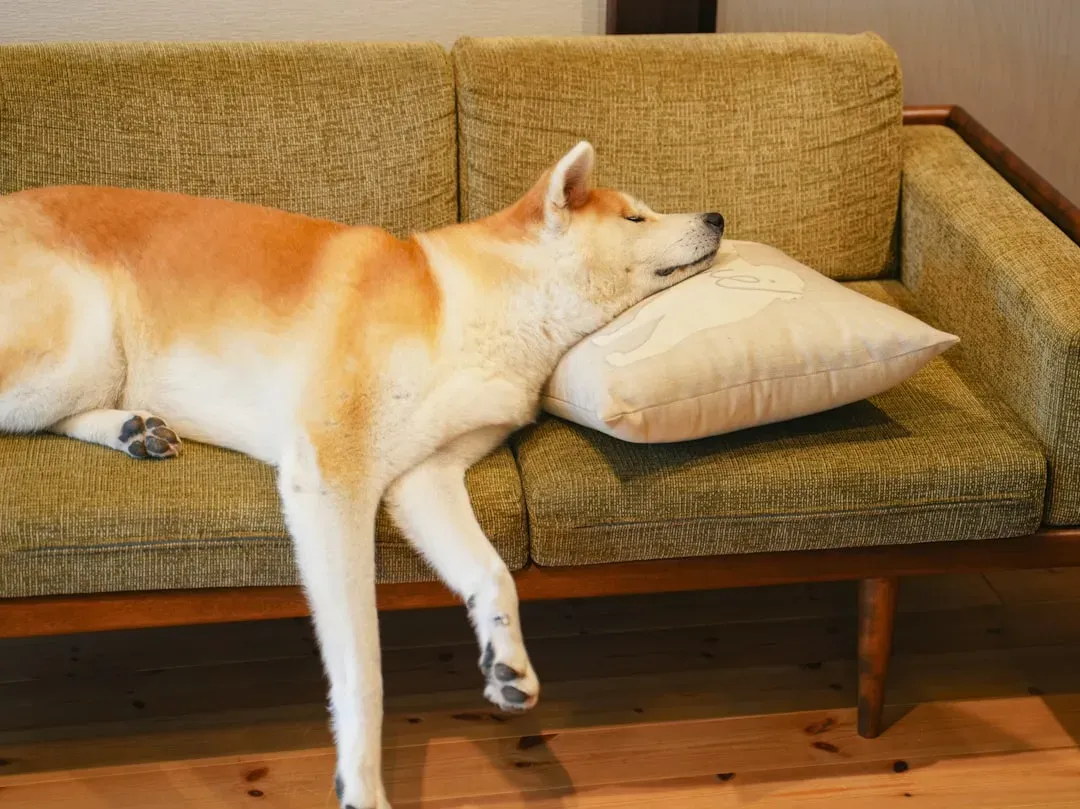
A happy dog’s whole body and tail look relaxed, and they quite often wiggle. Sometimes the wiggle is so enthusiastic their entire body wags along with their tail. Yet equally telling is the dog who’s completely flopped out on the floor, muscles loose and limbs splayed.
If your dog seems relaxed in their posture without tension or stiffness, with loose shoulders, soft eyes, and wiggliness or pure flopped-outness, these are clues they’re feeling super chill. Watch for the vulnerable belly-up position. A wriggling dog showing you their belly is likely to be very happy and comfortable. This isn’t just an invitation for rubs; it’s a declaration of trust and contentment.
The Subtle Art of the Contented Sigh
Ever heard your dog let out a long, deep sigh after settling into their favorite spot? Contented sighs, soft whines, and little grunts or groans are often ways for dogs to express their relaxation and enjoyment. It’s one of those sounds that makes you smile because you just know they’re satisfied.
You might notice these happy sounds when your dog settles into their bed after a long walk or when you’re giving them a soothing pet, showing they feel safe, satisfied, and comfortable in their environment. It’s their way of saying everything is exactly as it should be. Keep your ears tuned to these gentle vocalizations because they’re pure gold when it comes to gauging happiness.
Peaceful Sleep Patterns and Rest Quality
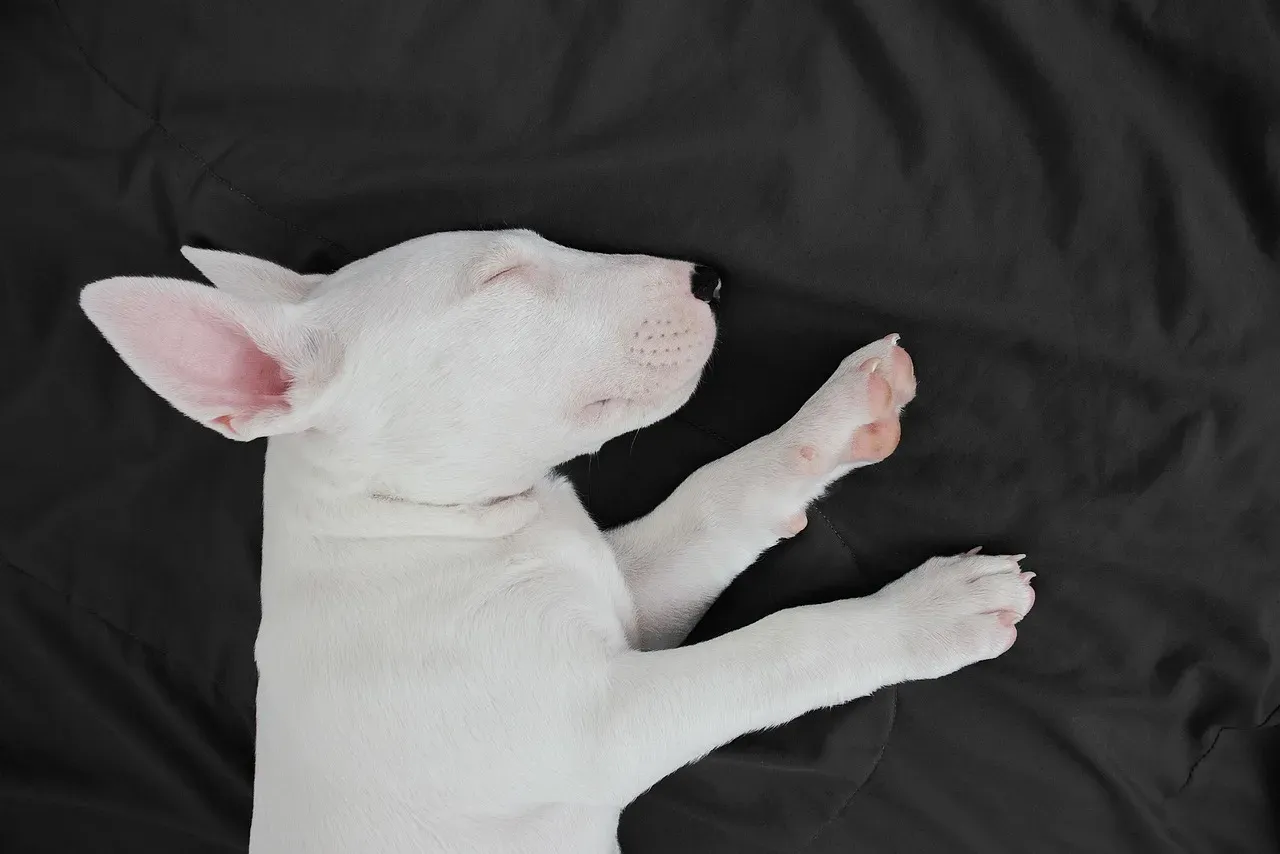
Healthy, happy adult dogs usually sleep for up to 16 hours a day. That might sound like a lot, yet it’s completely normal. A happy dog will have a regular sleeping pattern, taking several naps throughout the day and sleeping soundly at night, indicating they feel safe and relaxed in their environment.
Watch how your dog sleeps. Are they completely sprawled out, breathing steadily, maybe even twitching their paws in dreamland? Those adorable paw twitches or quiet yips are signs they’re in REM sleep, which means they feel secure enough to fully relax. A dog who can’t settle, constantly shifts position, or seems restless might be experiencing anxiety or discomfort. Quality rest is a cornerstone of canine happiness.
The Steady Appetite and Healthy Routines
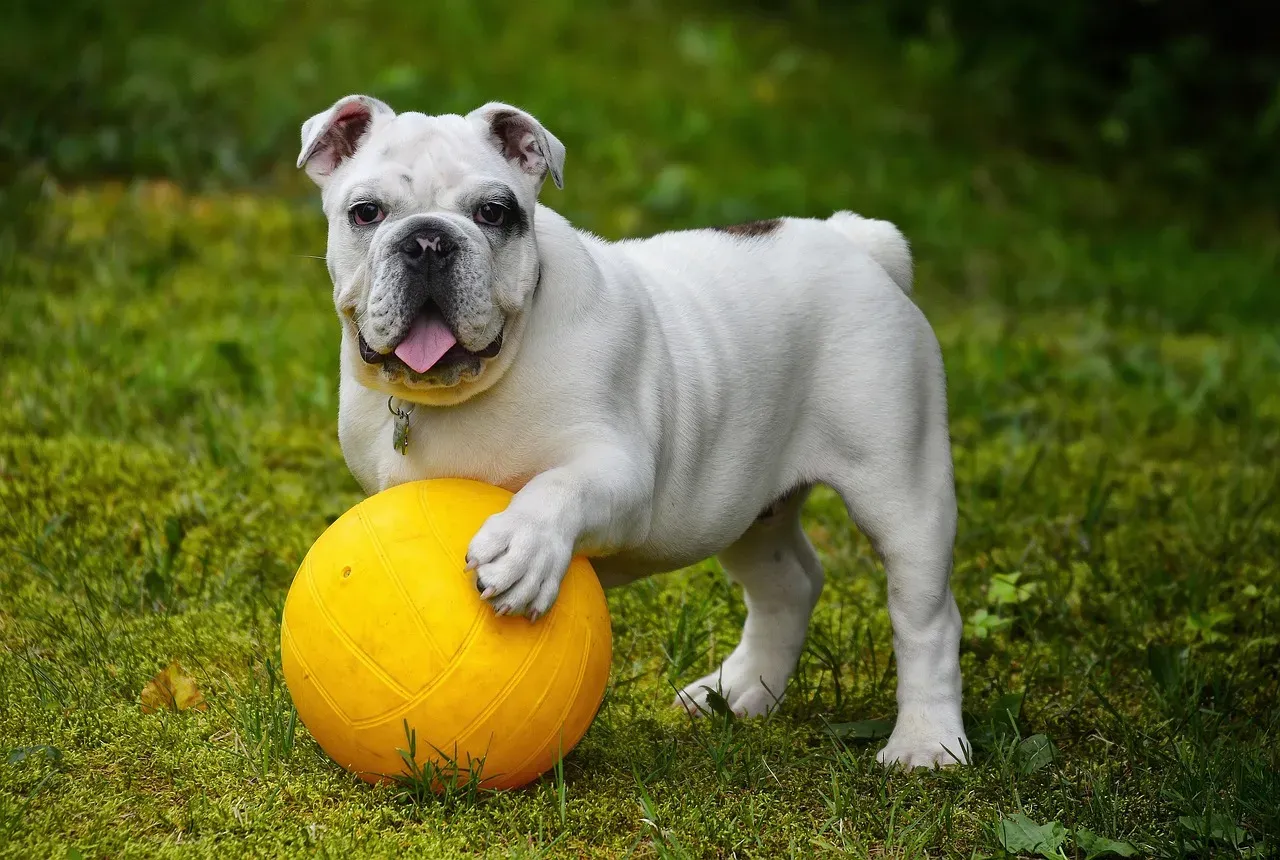
Dogs that are content and feeling well have good appetites. Now, this doesn’t mean your dog needs to devour their food like a vacuum cleaner, though some certainly do. Every dog has their own eating habits, with some being grazers and others eating quickly, but dogs that are content and feeling well will have good appetites.
What matters is consistency. A change in their eating behavior is a sign of potential unhappiness or illness. The same goes for water intake and bathroom habits. A happy dog maintains predictable patterns. They eat with interest, drink appropriate amounts, and their energy levels remain fairly steady throughout the day. Let’s be real, when something’s off with our dogs, their routines are usually the first thing to shift.
Seeking Your Company Without Demanding Attention
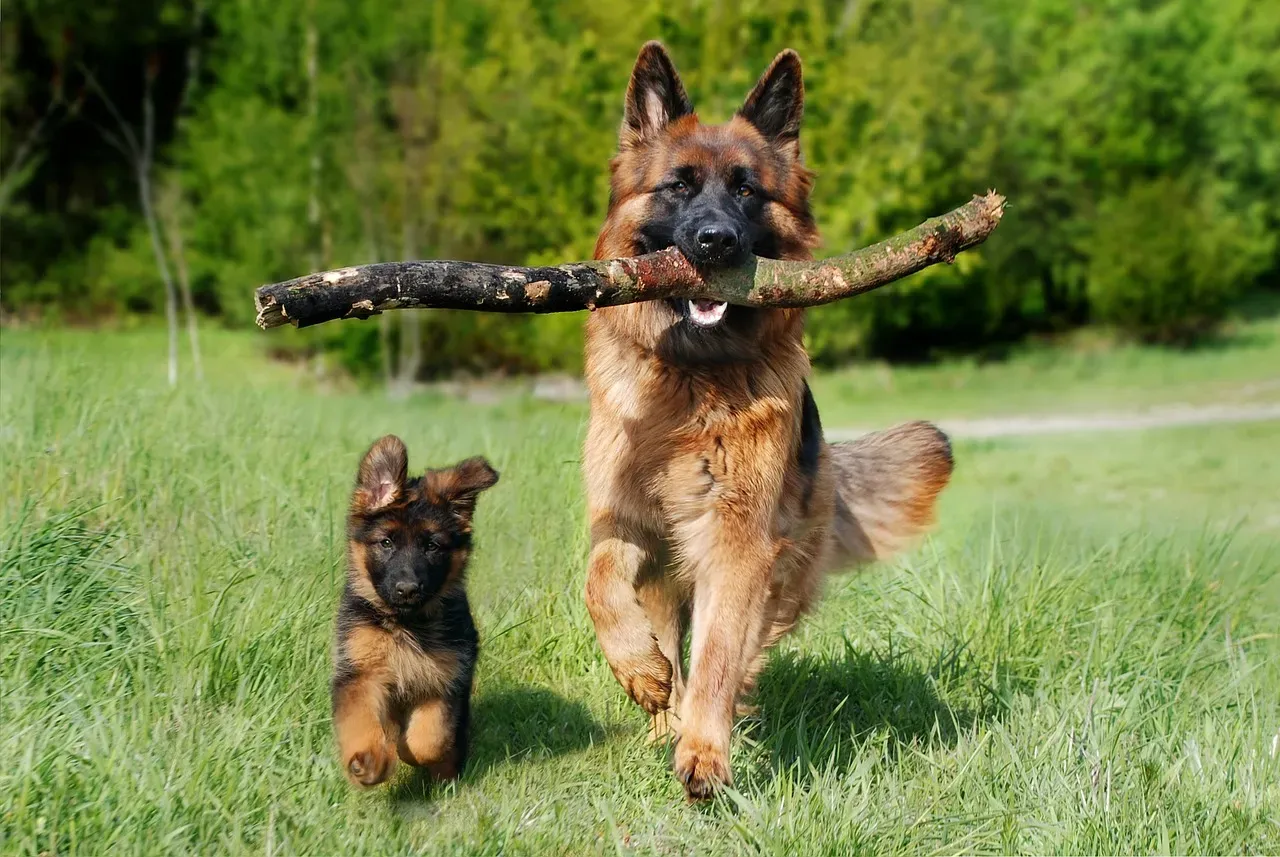
A dog that follows you around the house isn’t necessarily clingy; they’re showing they enjoy your company and want to be near you, with happy dogs often liking to be in the same room as their favorite people, even if they’re lounging quietly nearby. This behavior is called shadowing, and it’s beautiful when you think about it.
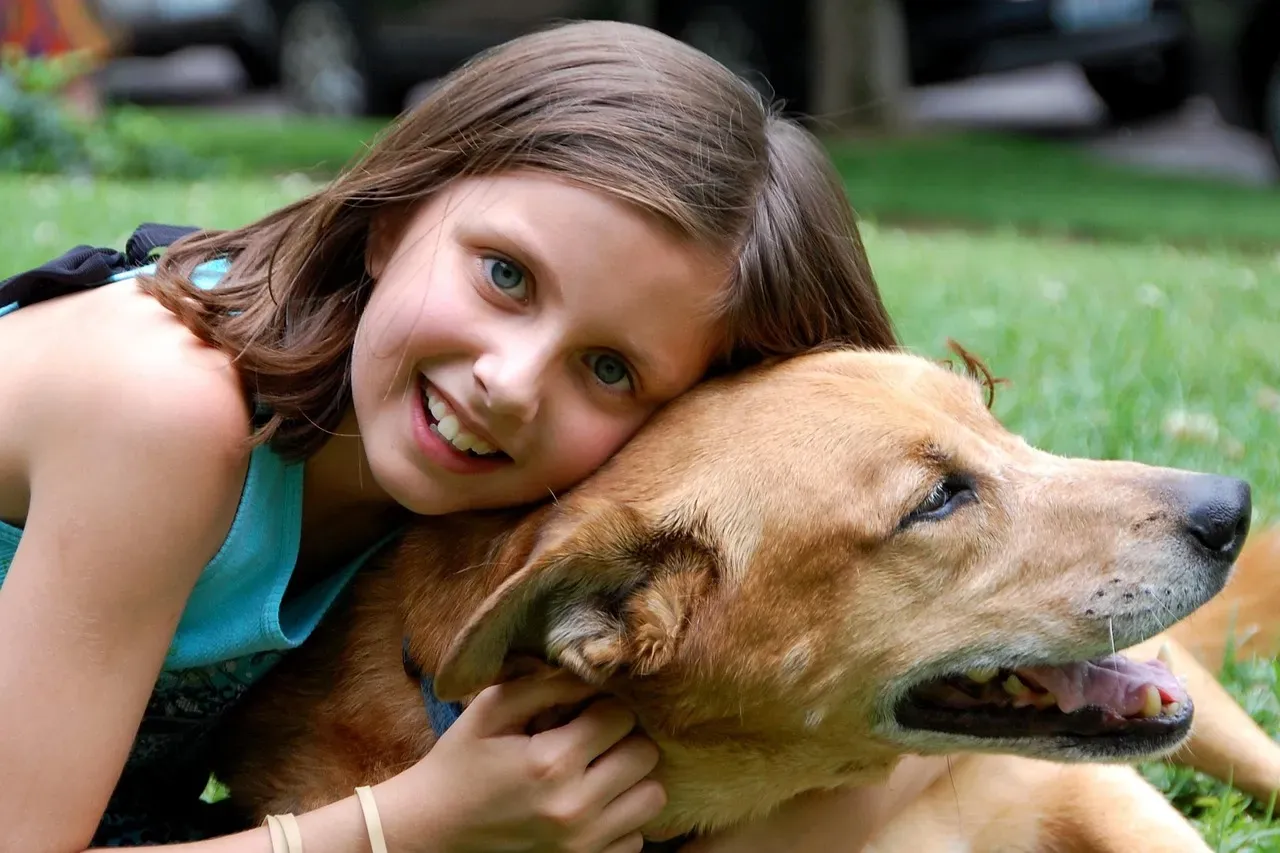
If your dog leans into you when you’re sitting together, it’s their way of showing affection and feeling secure, a sign of trust and comfort. They’re not begging for play or treats; they just want proximity. Happy dogs make lots of body contact, and if your dog reacts positively, stays close, or leans into your hand during petting, they’re enjoying the contact. This quiet companionship, this choice to simply be near you, is one of the purest expressions of canine happiness.
Conclusion
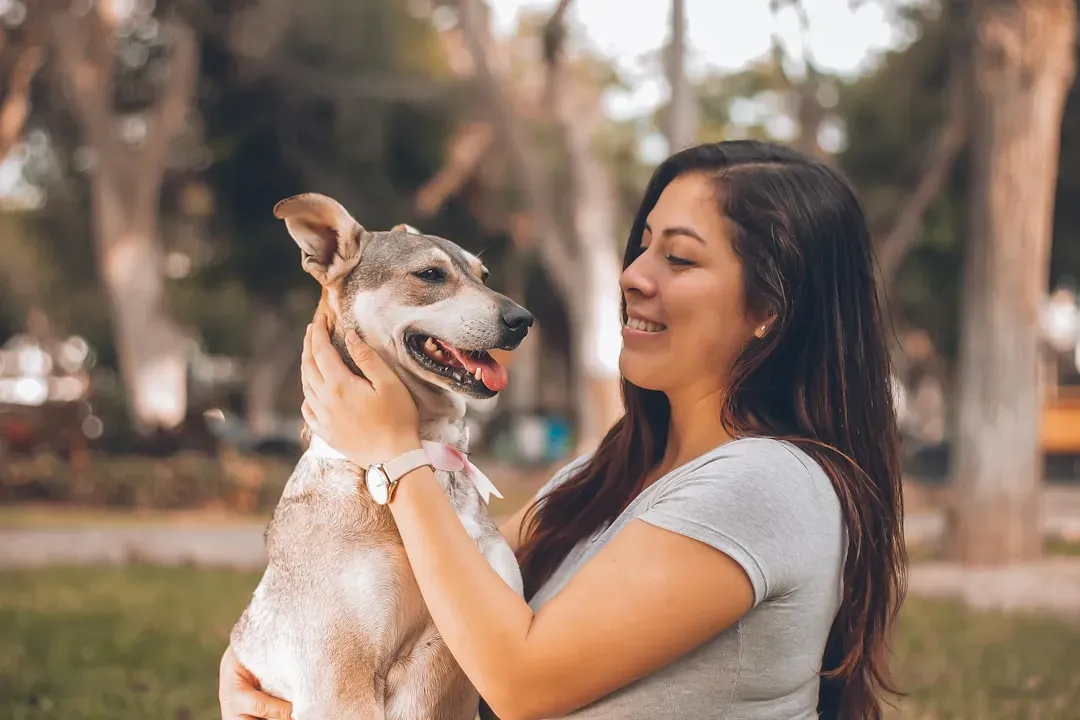
True happiness in dogs often whispers rather than shouts. Those soft eyes, relaxed sighs, peaceful sleep, and gentle companionship reveal contentment that runs deeper than excitement or play. By tuning into these subtle cues, you become fluent in your dog’s emotional language, strengthening the bond you share.
A quiet dog can be an incredibly happy dog. Trust your instincts, observe the small moments, and remember that sometimes the best thing you can offer is simply being present. What subtle signs have you noticed in your own dog? Share your observations in the comments below.


