

When I think about the relationship between humans and dogs, I’m honestly struck by just how profound it really is. Here we are in 2025, with all our technology and busy lives, yet millions of us still crave that ancient bond with our four-legged companions. What fascinates me most is how science continues to prove what dog lovers have always known: these furry family members don’t just warm our hearts, they actually help us live longer, healthier, and more meaningful lives.
The research is pretty compelling when you dig into it. Dog ownership has been associated with significant reductions in all-cause mortality risk according to research, including studies cited by the American Heart Association. That’s not just a small boost – we’re talking about nearly a quarter reduction in death risk simply from sharing your life with a dog.
The Surprising Science of Living Longer with Dogs

Let me share something that might surprise you: studies found that, overall, dog owners tend to live longer than non-owners, with dog owners having a lower risk of death due to cardiovascular disease than people who did not report owning a dog. This isn’t just wishful thinking from devoted pet parents – it’s backed by massive studies involving millions of people.
Researchers in Sweden reviewed national registry records of Swedish men and women, ages 40 to 80, focusing on millions of people who had no history of cardiovascular disease in 2001. The results were remarkable, especially for people living alone. The protective effect was especially prominent for people living alone, who have been found to have a higher risk for early death than those who live with other people.
What’s really fascinating is how this protection becomes even more pronounced after major health events. Heart attack survivors living alone who owned dogs had a significantly lower risk of death compared to people living alone who did not own a dog.
How Dogs Transform Your Daily Movement Habits

Here’s where the magic starts to make practical sense: dogs are basically personal trainers who never charge you and always show up with enthusiasm. Studies suggest that dog owners are more likely to meet recommended weekly exercise amounts, getting 150 minutes of moderate exercise or 75 minutes of vigorous exercise each week.
Think about it – when was the last time you skipped a workout because you didn’t feel like it? Now imagine having a furry companion who needs that walk regardless of weather, your mood, or how tired you feel. Studies show that people who walk their dogs may get significantly more exercise than those who don’t.
Establishing healthy routines such as daily movement and maintaining a healthy weight can reduce the risk of breast, prostate, lung, colon and kidney cancers. Your dog doesn’t know they’re helping prevent cancer – they just know it’s time for their favorite part of the day.
The beauty lies in the consistency. Studies show when a pet owner tries to get her obese dog get to a healthy weight, the owner reaps health benefits too: “Owners will go on more walks for the health of the dog – more so than they will for themselves”.
Your Heart’s Best Friend

Dogs work on your cardiovascular system in ways that might surprise you. Just the presence of animals significantly improves blood pressure, with pet owners typically having lower resting blood pressure than people who don’t own pets.
The CDC notes that by increasing your physical activity, dog ownership may help improve your overall cardiovascular health – in particular by lowering your blood pressure, cholesterol levels, and triglyceride levels. It’s like having a living, breathing heart medication that greets you with tail wags.
Pet ownership has also been found to regulate cardiovascular activity, including heart rate, even during sleep, with a study of over 200 patients with coronary artery disease finding that pet ownership modulated heart activity in owners, leading to less imbalance in autonomic nervous activity.
The Stress-Busting Power of Paws
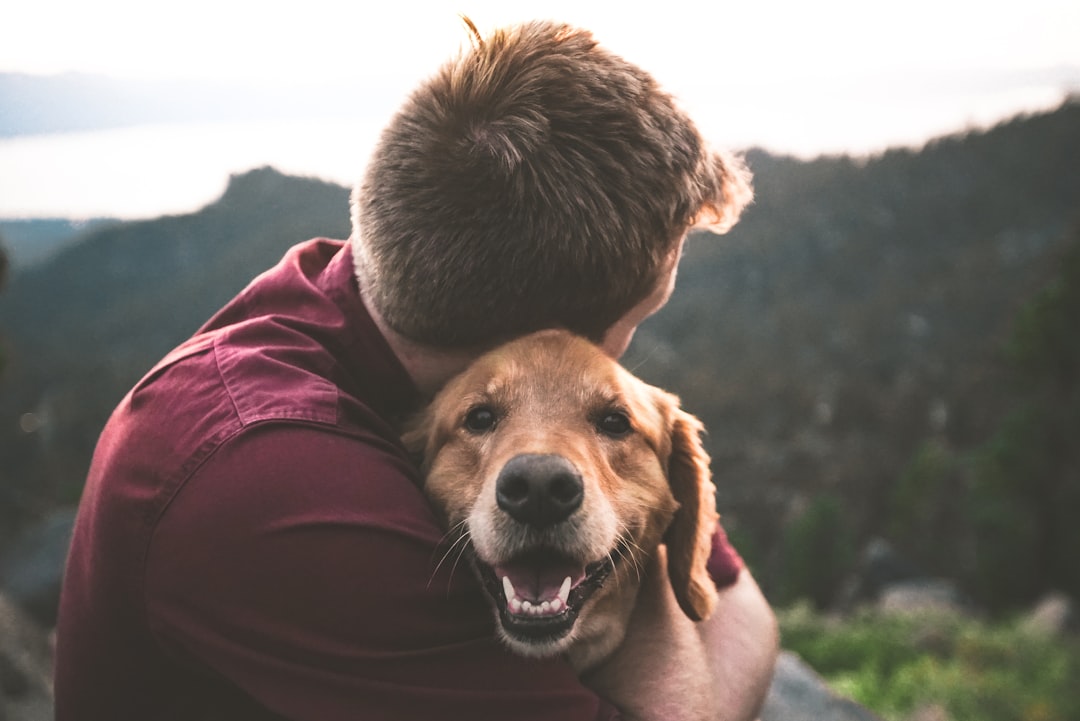
I’ve watched countless dog owners describe how their pets seem to sense their stress levels better than they do themselves. There’s actual science behind this intuition. Petting or playing with a dog releases oxytocin, sometimes called the “love hormone,” in both your brain and the dog’s brain, with the release of oxytocin associated with lower levels of cortisol, or the “stress hormone”.
Interacting with therapy dogs lowers cortisol, a stress hormone, and enhances the body’s natural stress-reduction chemical oxytocin release, which explains the effectiveness of animal-assisted therapy. Your dog is essentially a furry stress management system that works around the clock.
Animal interaction science teaches that hours spent with therapy animals significantly decrease stress and anxiety levels, with one research study finding that patients with animal-assisted therapy had lower cortisol levels than those who did not.
Discovering Purpose Through Daily Care

There’s something profoundly meaningful about being needed by another living being. Your dog depends on you, which gives you a sense of purpose. This isn’t just emotional fluff – it’s a fundamental human need that dogs fulfill beautifully.
Their constant love, care, daily structure, and needs can fill us with purpose. Every morning, your dog wakes up knowing exactly what they need: food, water, exercise, attention, and love. Your role in meeting these needs creates a rhythm and meaning that extends far beyond pet care.
Research with elderly widows and widowers found that pet ownership instilled necessary routine and responsibility into their days. Dogs don’t care about your age, your circumstances, or your past – they care about right now and what you can provide together.
The responsibility aspect might seem overwhelming, but the responsibility of owning a pet can seem overwhelming, but it is a great way to add structure to your daily routine. This structure becomes the foundation for a more organized, purposeful life.
Building Connections One Walk at a Time

Dogs are natural conversation starters and friendship catalysts. “Anyone who owns a dog, and walks that dog, knows it is an invitation for conversation,” with this reducing loneliness and creating social connections.
One poll found that out of the 2,000 dog owners surveyed, nearly half of the participants made friends while walking their dogs. Your dog becomes your social ambassador, breaking down barriers that might otherwise keep you isolated.
Our pets can also help us feel less social anxiety and interact more with other humans, which is why dog owners report less loneliness, depression and social isolation. In our increasingly disconnected world, dogs provide a bridge to human connection.
More than one-third of Americans older than 65, and half of those over 85, live alone, with social isolation being a significant threat to health, with health impacts comparable to smoking according to research, while research strongly suggests that good social connections greatly improve longevity.
Mental Health Benefits That Go Deep

The mental health advantages of dog ownership extend far beyond the obvious comfort factor. Dogs specifically have been proven to reduce stress, anxiety and depression, ease loneliness, encourage exercise, and improve your overall health.
Research has shown that pet owners, and particularly dog owners, have greater life satisfaction, enhanced self-esteem, reduced levels of loneliness and anxiety, more ambition and more positive moods. These aren’t small improvements – they’re fundamental shifts in how you experience daily life.
“When someone is struggling with a mental health disorder, often they feel judgment from friends, family, or society,” explains a recreational therapist, with having a dog that offers empathy and comfort making a meaningful difference through judgment-free interactions and unconditional support.
With stress and burnout rates on the rise, having a furry friend waiting for you at home is scientifically proven to improve your mental and physical health.
The research consistently shows that caring for a dog creates a ripple effect of positive changes throughout your life. From the daily exercise that strengthens your heart to the social connections formed at the dog park, from the stress relief of evening cuddles to the deep sense of purpose that comes from nurturing another living being, dogs offer a comprehensive approach to better health and longevity.
What strikes me most is how natural and effortless these benefits feel when you’re living them. You’re not thinking about cardiovascular protection when you’re throwing a tennis ball – you’re just enjoying the moment. You’re not considering stress hormone reduction when you’re scratching behind your dog’s ears – you’re simply connecting with your companion. This might be the most beautiful aspect of the human-dog bond: the health benefits come naturally through the joy of the relationship itself.
So what do you think? Have you experienced these life-enhancing effects with your own dog, or does this research make you consider welcoming a furry friend into your life? Tell us in the comments.


