
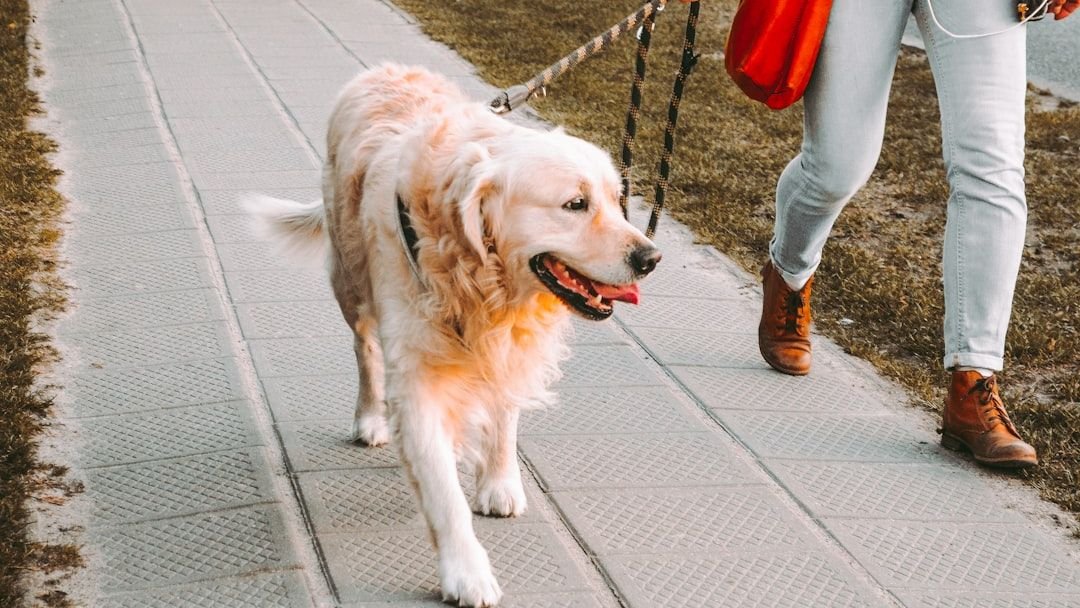
Ever wonder why dog owners seem to have this special glow about them? It’s not just the endless puppy kisses or those tail-wagging greetings at the door. There’s actual science behind it. Caring for a dog creates ripples of change throughout your entire life, touching everything from how often your heart beats to how connected you feel to the world around you.
It’s honestly fascinating when you think about it. That furry friend curled up on your couch right now might be doing more for your health than you ever realized.
Your Heart Gets a Serious Upgrade
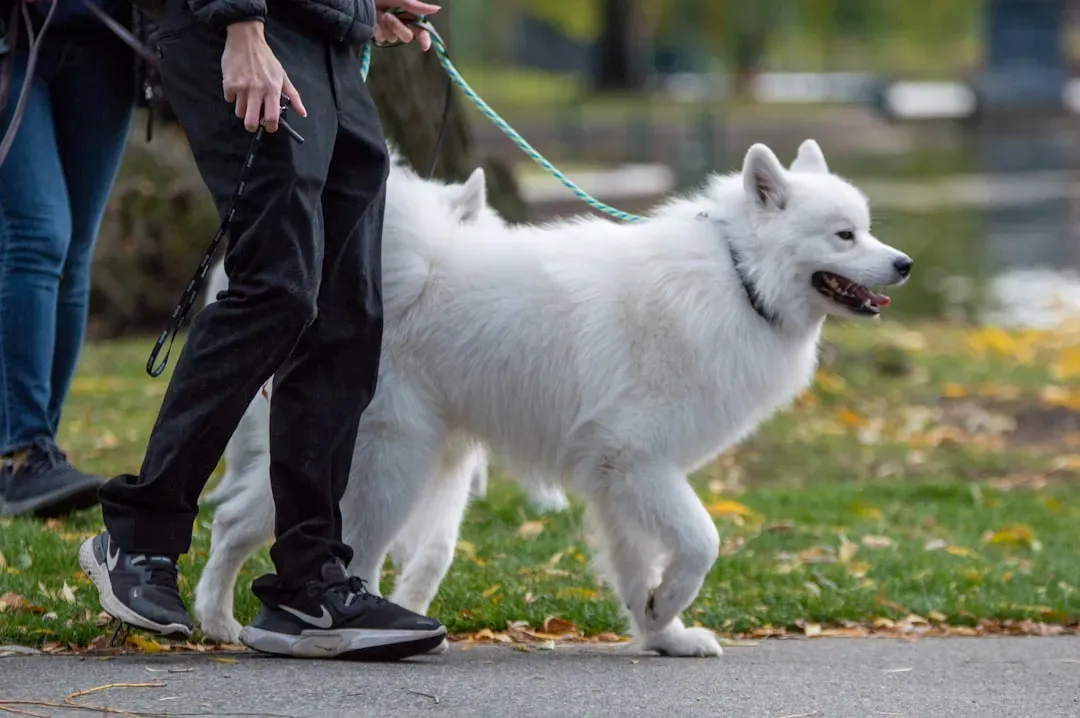
Studies show that dog owners tend to live longer than non-owners, and this may be driven by a reduction in cardiovascular mortality. Let’s be real, though. How many of us actually stick to our exercise routines? Life gets busy. Yet people who walk their dogs may get significantly more exercise than those who don’t.
Dog owners have lower blood pressure than non-owners, probably because their pets have a calming effect on them and because dog owners tend to get more exercise. Dog ownership has also been associated with lower reactivity to stress and faster recovery of blood pressure following stressful activity. Think about it like this: your dog doesn’t care if it’s raining or if you had a rough day at work. They still need that walk, which means you’re getting out there when you otherwise might not.
Daily Routines That Actually Stick
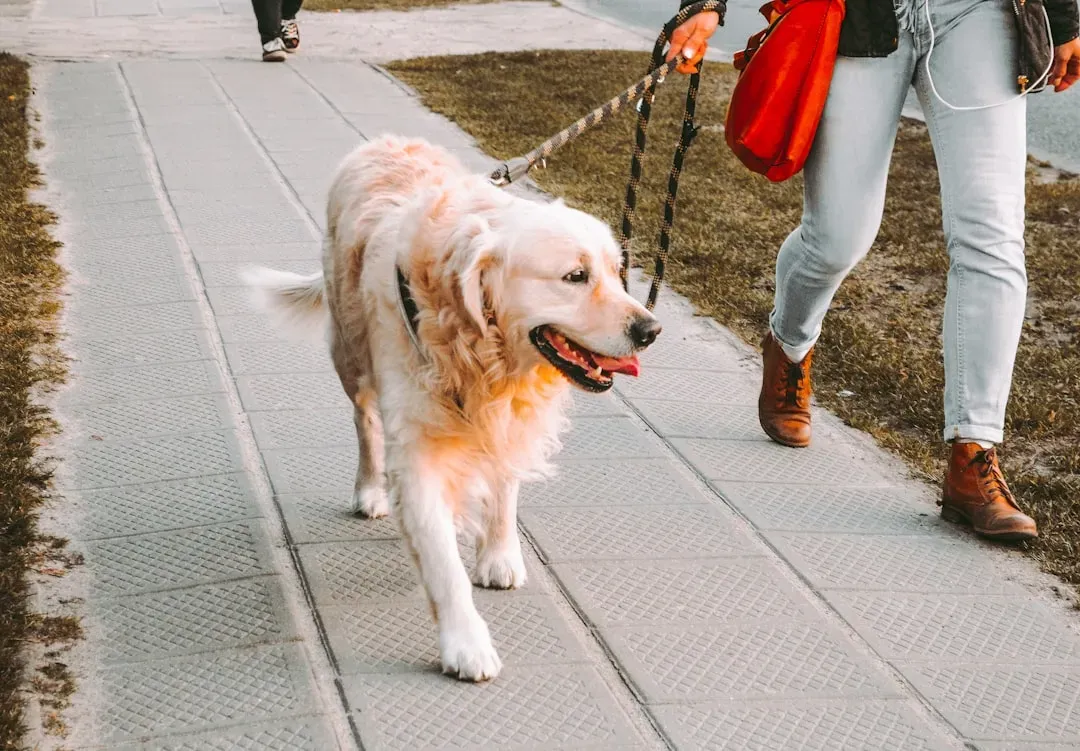
Here’s something I’ve noticed over the years working with dog families. Fixed times for meals and walks provide elderly people with the feeling that they have a purpose and a responsibility towards someone. It’s about structure, honestly. When someone or something depends on you, you show up differently.
Feeding, exercising and caring for a pet can help you keep to a daily routine, which can help you feel more grounded and focused, and can give your day purpose and a sense of achievement. One owner stated that looking after their dog means they take better care of themselves. The responsibility becomes this quiet anchor in your day. You can’t just stay in bed when a wet nose is nudging your hand at seven in the morning.
The Mental Health Connection Is Real
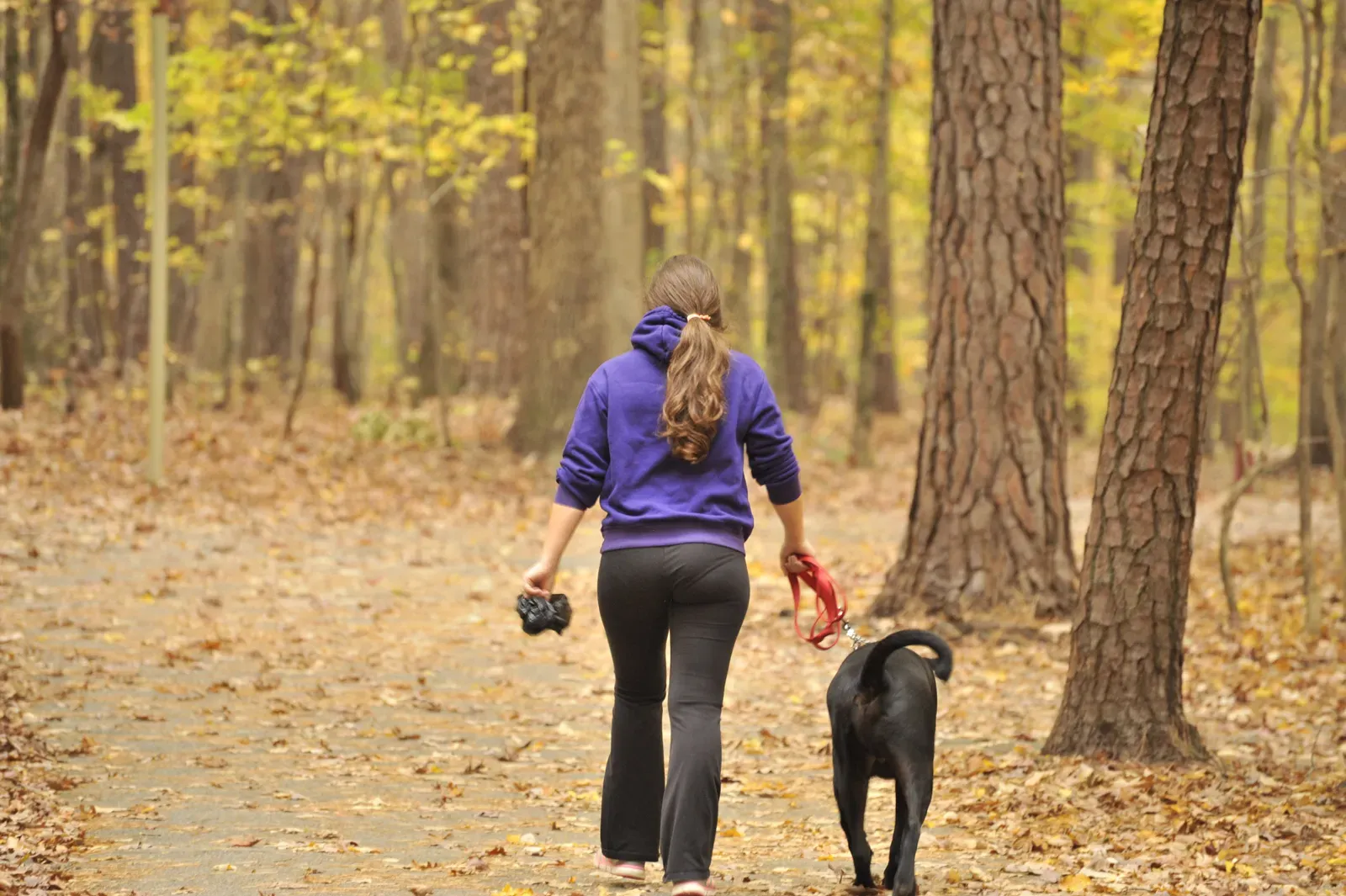
Dogs help owners enjoy themselves, feel accepted, purposeful and more able to achieve, and the activities done with dogs act as motivators for more positive interpersonal relationships, giving purpose and structure in their lives. That’s honestly pretty powerful when you think about it. Caring for a dog provides a sense of purpose and responsibility, particularly beneficial for individuals struggling with depression or anxiety, and the routine of feeding, walking, and playing offers structure and a reason to engage with the world.
The thing is, dogs don’t judge. They don’t care if you’re having a bad hair day or said something awkward at work. Dogs can help people get out of the house more, feel a sense of purpose, and they can also aid in feelings of loneliness. Your dog depends on you, which gives you a sense of purpose.
Social Connections Multiply

Dog owners report less loneliness, depression and social isolation. But why? Individuals more positively perceive someone who is walking with a dog and are more likely to interact with them, and pets may act as catalysts for human social relationships, ranging from incidental social interaction to new friendships.
I know it sounds almost too simple. Still, there’s something about having a conversation starter on four legs. Pet ownership was the third most common way that people meet other people in their neighborhoods, and pet owners were sixty percent more likely than non-pet owners to get to know people in their neighborhoods. Those brief chats at the dog park or during neighborhood walks? They add up. They become community. They become connection in a world where isolation is increasingly common.
The Longevity Factor Nobody Talks About
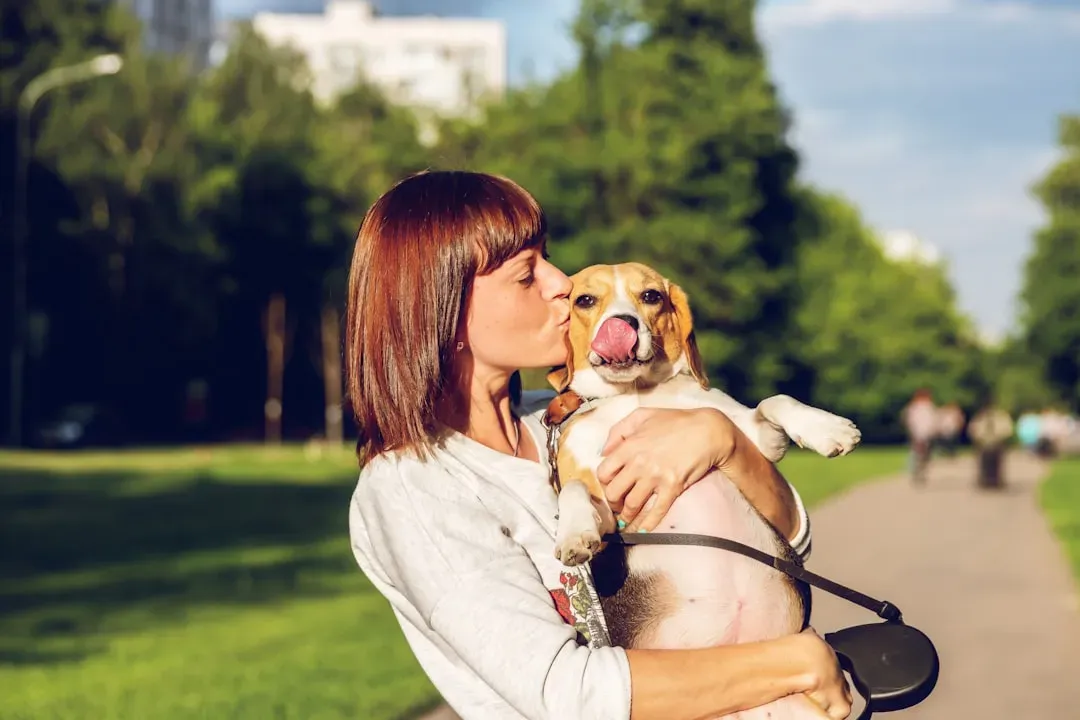
In one review, dog ownership was associated with a twenty-four percent risk reduction for all-cause mortality compared to non-ownership. That’s honestly staggering. The risk of death for dog-owning heart attack patients who live alone after being hospitalized was thirty-three percent lower compared to non-dog-owners.
In single-person households, dog ownership was associated with lower risk of death and cardiovascular death. It’s particularly striking for people living alone. One potential explanation could be that dogs can provide psychosocial support in environments where human companionship is not available. Your dog becomes family. They become the reason you keep going, the reason you maintain healthy habits, the reason you stay engaged with life.
Small Habits, Big Impact
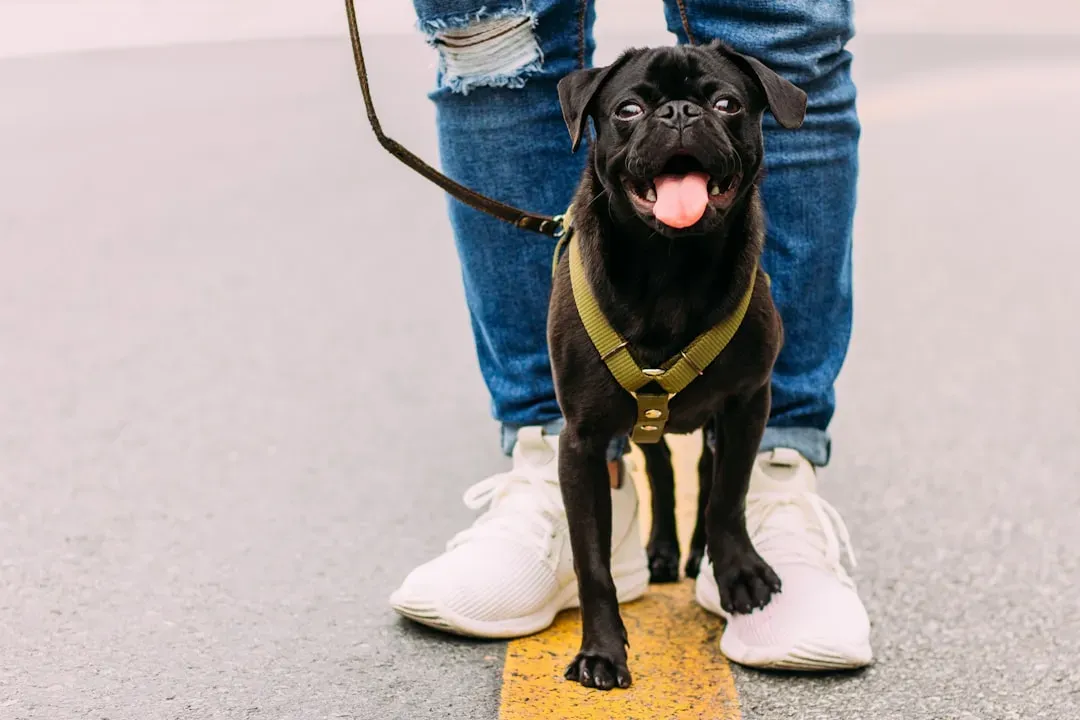
Regular exercise is one of the most effective things you can do to help your pup live a long, healthy life, and research shows that consistency is key. The same goes for you. Many of the habits that improve our health also improve the health of our dogs, and vice versa.
Dogs provided owners with a purpose to get outdoors, where fresh air provided a new perspective, and walking and fresh air leave people feeling mentally healthier, as does feeling like they’re making something else’s life enjoyable. It creates this beautiful cycle. You take better care of yourself because you’re taking care of them. They thrive because you’re thriving. Honestly, it’s one of the most symbiotic relationships we can have.
Conclusion

The bond between humans and dogs runs deeper than we often acknowledge. If a dog owner lives a healthy lifestyle, their habits are likely benefiting their dog as well, meaning the lifespans and healthspans of healthy dog owners and their dogs can mirror each other.
Caring for a dog isn’t just about companionship, though that matters enormously. It’s about creating a life with built-in purpose, structure, movement, and connection. It’s about having a reason to get up when things feel hard, and someone who celebrates with you when things feel good. Your dog doesn’t add years to your life through some mysterious magic. They do it by making you move more, stress less, connect better, and care deeper.
What would your life look like with a wagging tail waiting at home? Think about it.


